Puppies are bundles of energy and curiosity, often exhibiting a wide range of behaviors that can be perplexing to new pet owners. Understanding these behaviors is crucial for fostering a healthy relationship between you and your furry companion. Puppies communicate primarily through body language, vocalizations, and actions. For instance, a wagging tail typically signifies excitement or happiness, while a tucked tail may indicate fear or submission. Observing these signals can provide insights into your puppy’s emotional state and needs.
Moreover, puppies are naturally inclined to explore their environment. This exploratory behavior is essential for their cognitive development but can lead to challenges such as chewing on furniture or getting into hazardous items. Recognizing that these actions stem from instinctual curiosity rather than malice is vital. By understanding the underlying motivations behind your puppy’s behavior, you can implement effective strategies to guide them toward appropriate actions.
Establishing a Consistent Routine
Establishing a consistent routine is fundamental in shaping your puppy’s behavior and ensuring their well-being. A structured daily schedule helps your puppy understand what to expect throughout the day, which can significantly reduce anxiety and promote a sense of security. This routine should encompass feeding times, play sessions, training periods, and bathroom breaks. Consistency in these activities reinforces good habits and aids in the development of a well-adjusted adult dog.
In addition to providing structure, a routine allows for better management of your puppy’s energy levels. Puppies require ample physical and mental stimulation to thrive. By incorporating regular exercise and playtime into their daily schedule, you can help prevent behavioral issues stemming from boredom or excess energy. A well-balanced routine not only benefits your puppy but also strengthens the bond between you and your pet.
Positive Reinforcement Training

Positive reinforcement training is an effective method for teaching your puppy desired behaviors while fostering a trusting relationship. This approach involves rewarding your puppy with treats, praise, or playtime when they exhibit good behavior. The principle behind positive reinforcement is straightforward: behaviors that are rewarded are more likely to be repeated. This method not only encourages learning but also enhances your puppy’s confidence.
When implementing positive reinforcement, timing is crucial. Rewards should be given immediately after the desired behavior occurs to create a clear association between the action and the reward. Additionally, varying the types of rewards can keep your puppy engaged and motivated. For example, using high-value treats during training sessions can be particularly effective in capturing their attention. Over time, as your puppy masters commands, you can gradually reduce the frequency of treats while maintaining verbal praise as reinforcement.
Crate Training for Security and Discipline

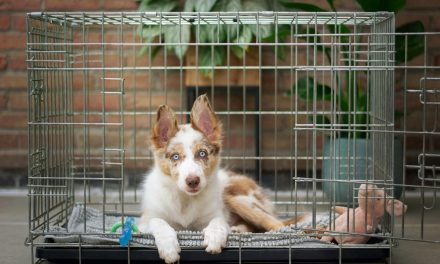
Crate training serves multiple purposes, providing both security for your puppy and discipline in their behavior. A crate can become a safe haven where your puppy feels secure and comfortable. It mimics a den-like environment, allowing them to retreat when they need rest or solitude. Introducing your puppy to the crate gradually is essential; start by allowing them to explore it freely and associating it with positive experiences, such as treats or toys.
In addition to providing security, crate training aids in housebreaking efforts. Puppies instinctively avoid soiling their sleeping area, making the crate an effective tool for teaching them bladder control. When used correctly, crates can help establish boundaries and routines that contribute to a well-behaved adult dog. However, it is crucial to avoid using the crate as a form of punishment, as this can lead to negative associations and anxiety.
Teaching Basic Commands: Sit, Stay, and Come
Teaching basic commands such as “sit,” “stay,” and “come” forms the foundation of obedience training for your puppy. These commands not only enhance communication between you and your pet but also promote safety in various situations. Starting with “sit,” use a treat to guide your puppy into a sitting position while saying the command clearly. Once they sit, reward them immediately to reinforce the behavior.
The “stay” command is vital for ensuring your puppy remains in place until given further instructions. Begin by asking your puppy to sit, then gradually introduce the “stay” command while taking a few steps back. If they remain in position, reward them with praise or treats. The “come” command is essential for recall; practice this command in a safe environment by calling your puppy while encouraging them with an enthusiastic tone and rewards upon their return.
Socializing Your Puppy Early and Often
Socialization is a critical aspect of raising a well-adjusted dog. Exposing your puppy to various environments, people, and other animals during their formative months helps them develop confidence and reduces the likelihood of behavioral issues later in life. Early socialization should be positive and gradual; introduce your puppy to new experiences at their own pace to avoid overwhelming them.
Participating in puppy classes or playgroups can provide structured opportunities for socialization. These settings allow puppies to interact with their peers under supervision while learning essential social skills such as bite inhibition and appropriate play behavior. Additionally, exposing your puppy to different sounds, sights, and textures can help them adapt to various situations they may encounter as adults.
Housebreaking and Potty Training Tips
Housebreaking is one of the most significant challenges faced by new puppy owners. Establishing a consistent potty training routine is essential for success. Take your puppy outside frequently—especially after meals, playtime, or naps—to encourage them to relieve themselves outdoors. Use a designated potty area to help them associate that spot with bathroom breaks.
When accidents occur indoors, it is crucial not to punish your puppy; instead, clean up thoroughly to eliminate any lingering odors that may encourage repeat offenses. Positive reinforcement should be employed when your puppy successfully goes outside; praise them enthusiastically or offer treats immediately after they finish their business outdoors.
Managing Chewing and Biting Habits
Puppies naturally explore their world through chewing, which can lead to destructive behaviors if not managed appropriately. Providing appropriate chew toys is essential for redirecting this instinctual behavior away from furniture or household items. Look for durable toys designed specifically for puppies that can withstand their chewing tendencies.
If your puppy engages in biting during playtime, it is important to teach them bite inhibition. When they bite too hard during play, let out a yelp or say “ouch” firmly but calmly to signal that their behavior is unacceptable. This response mimics how littermates would react during play and helps your puppy learn appropriate bite pressure.
Leash Training for Safe Walks
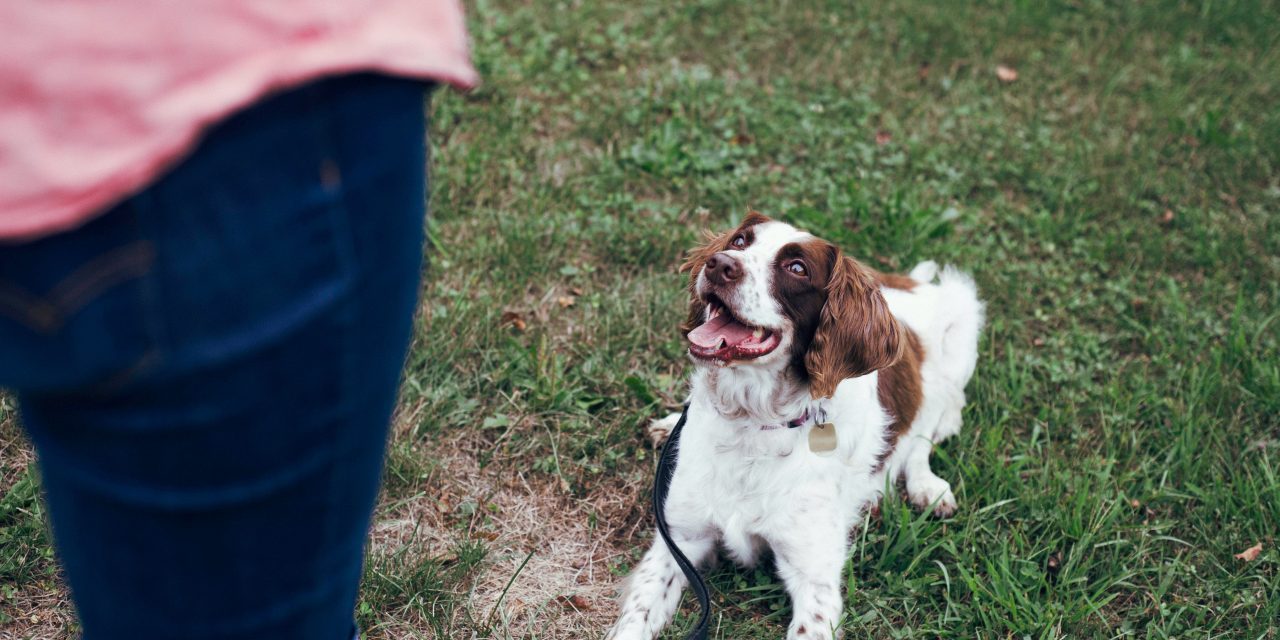
Leash training is an essential skill that ensures safe walks for both you and your puppy. Start by introducing your puppy to the leash in a controlled environment before venturing outdoors. Allow them to wear the leash indoors while rewarding them for calm behavior. Once they are comfortable with the leash, practice walking short distances in familiar surroundings.
During walks, use positive reinforcement to encourage loose-leash walking; reward your puppy when they walk beside you without pulling ahead. If they begin to pull on the leash, stop walking until they return to your side before continuing. Consistency in this approach will help instill good leash manners over time.
Handling Separation Anxiety
Separation anxiety is a common issue among puppies that can manifest as destructive behavior or excessive barking when left alone. To mitigate this problem, gradually acclimate your puppy to being alone by starting with short periods of separation and gradually increasing the duration over time. Providing engaging toys or puzzle feeders can help keep them occupied during these intervals.
Creating a designated space for your puppy with familiar items such as blankets or toys can also provide comfort when you are away. Additionally, consider incorporating calming aids such as pheromone diffusers or anxiety wraps designed specifically for dogs to alleviate stress during separations.
Patience and Persistence: The Keys to Success
Training a puppy requires patience and persistence from pet owners. Each dog learns at their own pace; some may grasp commands quickly while others may take longer to understand expectations fully. Maintaining a positive attitude throughout the training process is crucial; celebrate small victories along the way to keep motivation high for both you and your puppy.
Consistency in training methods is equally important; ensure that all family members are on board with the same commands and techniques to avoid confusing your puppy. Remember that setbacks are normal; approach challenges with understanding rather than frustration, as this will foster a trusting relationship between you and your furry companion.
In summary, understanding your puppy’s behavior and establishing a consistent routine are foundational elements in raising a well-behaved dog. Employing positive reinforcement training techniques alongside crate training provides security while teaching essential commands fosters communication between you and your pet. Early socialization plays a critical role in developing confidence, while effective housebreaking strategies ensure successful potty training outcomes. Managing chewing habits through appropriate toys and leash training promotes safe walks, while addressing separation anxiety requires gradual acclimatization techniques. Ultimately, patience and persistence are key components in achieving success throughout this rewarding journey of pet ownership.
FAQs
What are the basic commands to teach a puppy?
The basic commands to teach a puppy include “sit,” “stay,” “come,” “down,” and “leave it.” These commands form the foundation of good behavior and help establish communication between the owner and the puppy.
How long should training sessions be for puppies?
Training sessions for puppies should typically last between 5 to 15 minutes. Puppies have short attention spans, so keeping sessions brief and engaging helps maintain their focus and enthusiasm for learning.
What is positive reinforcement in puppy training?
Positive reinforcement is a training technique that involves rewarding a puppy for desired behaviors, such as sitting or coming when called. Rewards can include treats, praise, or playtime, which encourages the puppy to repeat the behavior in the future.
When should I start training my puppy?
Puppy training can begin as early as 7 to 8 weeks of age. Early socialization and basic training are crucial for developing good behavior and helping the puppy adapt to various environments and situations.
How can I address bad behavior in my puppy?
To address bad behavior in a puppy, it’s important to redirect the behavior to a more appropriate action and reinforce positive behaviors instead. Consistency, patience, and using positive reinforcement techniques can help correct unwanted behaviors effectively.