Every dog possesses a unique learning style that influences how they absorb information and respond to training. Understanding these styles is crucial for effective communication and training. Dogs primarily learn through three modalities: visual, auditory, and kinesthetic. Visual learners respond well to hand signals and body language, while auditory learners are more attuned to verbal commands and tones. Kinesthetic learners thrive on physical interaction, often requiring hands-on guidance to grasp concepts.
To identify your dog’s learning style, observe their reactions during training sessions. For instance, if your dog seems more engaged when you use gestures rather than verbal commands, they may be a visual learner. Conversely, if they respond eagerly to your voice but seem indifferent to visual cues, they likely fall into the auditory category. Tailoring your training approach to align with your dog’s preferred learning style can significantly enhance their ability to comprehend and retain commands.
Establishing Clear Communication Signals
Effective communication is the cornerstone of successful dog training. Establishing clear signals—both verbal and non-verbal—ensures that your dog understands what is expected of them. Consistency is paramount; using the same commands and gestures repeatedly helps reinforce learning. For example, if you use the command “sit,” always pair it with the same hand signal to create a strong association.
In addition to verbal commands, body language plays a vital role in communication. Dogs are adept at reading human emotions and physical cues. Maintaining an open posture, using a calm tone, and avoiding abrupt movements can foster a positive training environment. Furthermore, incorporating visual aids such as flashcards or pictures can enhance understanding, especially for visual learners. By establishing a clear communication framework, you lay the groundwork for effective training sessions.
Incorporating Clicker Training for Precision

Clicker training is a highly effective method that utilizes a small handheld device that emits a distinct sound when pressed. This sound serves as a marker, indicating to the dog that they have performed the desired behavior correctly. The precision of clicker training allows for immediate reinforcement, which is crucial for effective learning. When combined with positive reinforcement, such as treats or praise, clicker training can accelerate the learning process.
To implement clicker training, begin by associating the sound of the clicker with a reward. Click and immediately provide a treat when your dog performs a desired action, such as sitting or lying down. Over time, your dog will learn to associate the click with positive outcomes, making them more likely to repeat the behavior. This method not only enhances learning but also strengthens the bond between you and your dog through positive interactions.
Utilizing Variable Reinforcement Schedules

Variable reinforcement schedules are an advanced training technique that can significantly enhance your dog’s learning experience. Unlike fixed reinforcement schedules, where rewards are given consistently after a behavior is performed, variable reinforcement introduces unpredictability in reward delivery. This method keeps dogs engaged and motivated, as they never know when they will receive a reward for their actions.
For example, you might reward your dog every third time they sit on command instead of every time. This unpredictability encourages them to continue performing the behavior in anticipation of a reward. Research has shown that variable reinforcement can lead to stronger behavior retention compared to fixed schedules. By incorporating this technique into your training regimen, you can foster resilience and adaptability in your dog’s learning process.
Teaching Complex Commands with Chaining
Chaining is an advanced training technique that involves breaking down complex commands into smaller, manageable steps. This method allows dogs to learn intricate behaviors by linking simpler actions together. For instance, teaching your dog to fetch a specific item can be broken down into several steps: first teaching them to pick up the item, then bringing it back, and finally dropping it at your feet.
To effectively implement chaining, start with the simplest behavior and gradually build upon it. Use positive reinforcement to encourage each step along the way. Once your dog has mastered individual components, begin linking them together into a cohesive command sequence. This approach not only simplifies the learning process but also enhances your dog’s cognitive abilities by encouraging problem-solving skills.
Introducing Distraction Training for Focus
Distraction training is essential for teaching dogs to maintain focus in various environments. Dogs are naturally curious creatures, often easily distracted by sights, sounds, and smells in their surroundings. To combat this tendency, distraction training involves gradually introducing stimuli while reinforcing desired behaviors.
Begin by practicing commands in a controlled environment with minimal distractions. As your dog becomes proficient, gradually increase the level of distraction by introducing new environments or other animals. Use high-value treats or toys as rewards for maintaining focus despite distractions. This method not only improves obedience but also enhances your dog’s ability to concentrate in real-world situations.
Practicing Impulse Control Exercises
Impulse control exercises are vital for fostering self-discipline in dogs. These exercises teach dogs to resist immediate gratification in favor of delayed rewards, promoting patience and focus. Common impulse control exercises include “leave it,” “wait,” and “stay.” These commands help dogs learn to manage their impulses in various situations.
To practice impulse control, start with simple exercises in a quiet environment. For example, place a treat on the floor and encourage your dog to “leave it.” Reward them with praise or another treat when they refrain from grabbing the treat immediately. Gradually increase the difficulty by introducing distractions or extending the duration of the command. Consistent practice will enhance your dog’s ability to control their impulses over time.
Enhancing Agility Through Obstacle Courses
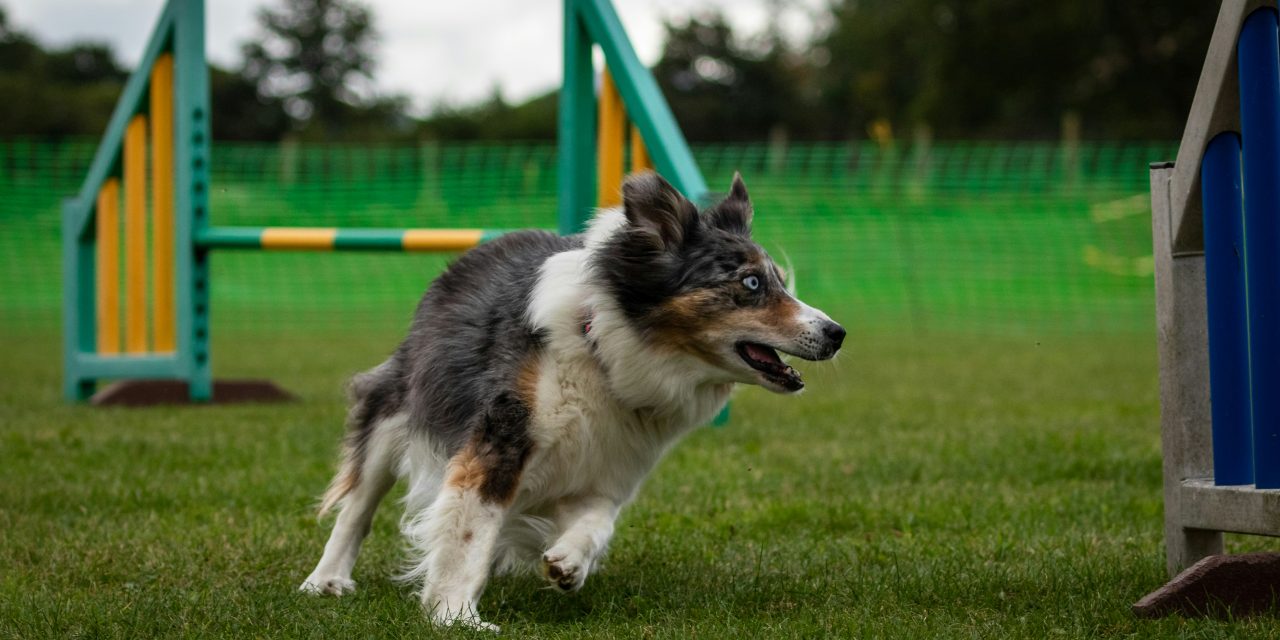
Agility training is an excellent way to enhance your dog’s physical fitness while simultaneously improving their obedience and focus. Setting up an obstacle course allows dogs to navigate various challenges while following commands. Common obstacles include jumps, tunnels, weave poles, and balance beams.
To create an effective obstacle course, consider your dog’s size and skill level when selecting obstacles. Start with simple tasks and gradually increase complexity as your dog becomes more confident and skilled. Incorporate commands such as “jump,” “weave,” or “go through” to reinforce obedience while navigating the course. Agility training not only promotes physical health but also strengthens the bond between you and your dog through shared activities.
Socializing with Other Dogs and Environments
Socialization is a critical aspect of dog training that helps prevent behavioral issues and promotes well-roundedness in dogs. Exposing your dog to various environments, people, and other animals fosters confidence and adaptability. Early socialization is particularly important for puppies but remains beneficial throughout a dog’s life.
To facilitate socialization, arrange playdates with other dogs or visit dog parks where they can interact with different breeds and sizes. Gradually introduce new environments such as busy streets or crowded areas while ensuring your dog feels safe and secure. Positive reinforcement during these experiences will help your dog associate new situations with positive outcomes, reducing anxiety and fearfulness in unfamiliar settings.
Using Target Training to Guide Behavior
Target training is an innovative technique that involves teaching dogs to touch or follow a specific target—such as your hand or a stick—using their nose or paw. This method can be particularly useful for guiding behavior or redirecting attention during training sessions.
To begin target training, present the target close to your dog’s nose and reward them when they make contact with it. Gradually increase the distance between the target and your dog while continuing to reward successful touches. This technique can be applied in various contexts, such as guiding your dog away from distractions or encouraging them to perform specific actions on cue.
Monitoring Progress and Adjusting Techniques
Monitoring progress is essential for evaluating the effectiveness of your training methods and making necessary adjustments along the way. Keep detailed records of each training session, noting successes and challenges encountered during practice. This documentation will help you identify patterns in your dog’s behavior and determine which techniques yield the best results.
If certain methods are not producing desired outcomes, be open to adjusting your approach based on your dog’s responses. Experiment with different reinforcement strategies or modify commands to better suit their learning style. Regularly reassessing progress ensures that you remain attuned to your dog’s needs while fostering an environment conducive to growth and development.
In summary, understanding your dog’s learning style is fundamental for effective training practices that incorporate clear communication signals, clicker training for precision, variable reinforcement schedules for motivation, chaining for complex commands, distraction training for focus, impulse control exercises for discipline, agility through obstacle courses for fitness, socialization for adaptability, target training for guidance, and continuous monitoring of progress for improvement. By employing these techniques thoughtfully and consistently, you can cultivate a well-trained companion who thrives in various environments while enjoying a strong bond with you as their owner.
FAQs
What is advanced dog training?
Advanced dog training refers to specialized training techniques that go beyond basic obedience commands. It often includes teaching dogs complex behaviors, tricks, and skills, as well as addressing specific behavioral issues. This type of training can involve agility training, scent work, and even service dog training.
What are the benefits of advanced dog training?
Advanced dog training can enhance the bond between the dog and its owner, improve the dog’s behavior, and increase mental stimulation. It can also help in socializing the dog with other animals and people, reduce anxiety, and prepare the dog for specific roles such as therapy or service work.
How long does advanced dog training typically take?
The duration of advanced dog training varies depending on the dog’s age, breed, and prior training experience. Generally, it can take several weeks to months to achieve desired results, with consistent practice and reinforcement being key to success.
What methods are commonly used in advanced dog training?
Common methods in advanced dog training include positive reinforcement, clicker training, and operant conditioning. Trainers may also use techniques such as shaping, luring, and desensitization to teach complex behaviors and modify unwanted behaviors.
Can any dog participate in advanced training?
Yes, most dogs can participate in advanced training, provided they have a basic understanding of obedience commands. However, certain breeds may excel in specific areas, such as agility or scent detection. It’s important to assess each dog’s temperament and physical abilities before starting advanced training.