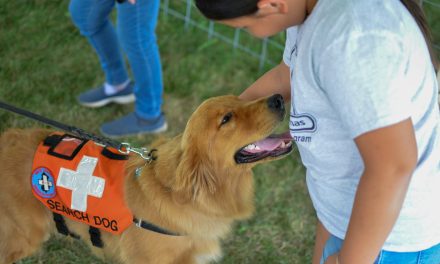
Basic dog obedience training is a fundamental aspect of responsible pet ownership that fosters a harmonious relationship between dogs and their human companions. This training not only enhances the bond between the two but also ensures the safety of both the dog and the community. A well-trained dog is less likely to engage in undesirable behaviors such as excessive barking, jumping on guests, or running away. Furthermore, obedience training can significantly reduce the risk of accidents and injuries, as dogs learn to respond to commands that keep them safe in various environments.
Moreover, basic obedience training lays the groundwork for more advanced training and activities. Dogs that have mastered fundamental commands are often more receptive to learning complex tasks, whether it be agility training, therapy work, or service dog duties. This foundational training also contributes to a dog’s mental stimulation, which is crucial for their overall well-being. Engaging in training sessions can alleviate boredom and reduce anxiety-related behaviors, leading to a happier and healthier canine companion.
Establishing Clear Communication with Your Dog
Effective communication is paramount in establishing a successful training regimen. Dogs are perceptive creatures that rely heavily on body language and vocal cues to interpret their environment. Therefore, it is essential for owners to develop a consistent method of communication that their dogs can understand. This involves using clear verbal commands paired with distinct hand signals. For instance, using a firm yet gentle tone when issuing commands can help convey authority without instilling fear.
Additionally, understanding canine body language can enhance communication significantly. Dogs express their feelings through various postures, ear positions, and tail movements. By learning to read these signals, owners can better gauge their dog’s emotional state and adjust their training approach accordingly. For example, if a dog appears anxious or fearful during a training session, it may be beneficial to take a step back and create a more relaxed environment before proceeding.
Starting with Simple Commands: Sit, Stay, and Come

Initiating obedience training with simple commands such as “Sit,” “Stay,” and “Come” provides a solid foundation for further learning. The command “Sit” is often the first command taught because it is straightforward and serves as a precursor to other commands. To teach this command, owners can use treats as positive reinforcement. By holding a treat above the dog’s nose and moving it backward, the dog will naturally lower its rear end to follow the treat, resulting in a sitting position.
Once the dog has mastered “Sit,” the next command to introduce is “Stay.” This command is crucial for ensuring that dogs remain in place until given further instructions. To teach “Stay,” owners should first have their dog sit, then gradually increase the distance between themselves and the dog while maintaining eye contact. Rewarding the dog for remaining in place reinforces this behavior. The command “Come” is equally important as it can prevent dangerous situations. Teaching this command involves calling the dog in an enthusiastic tone while rewarding them upon their return.
Using Positive Reinforcement to Encourage Good Behavior

Positive reinforcement is an effective training technique that encourages desired behaviors through rewards. This method capitalizes on the principle of operant conditioning, where behaviors followed by favorable outcomes are more likely to be repeated. Treats, praise, and playtime are common forms of positive reinforcement that can motivate dogs during training sessions.
When employing positive reinforcement, timing is crucial. Rewards should be given immediately after the desired behavior occurs to create a clear association between the action and the reward. For example, if a dog sits on command, offering a treat right away helps them understand that sitting is what earned them the reward. Additionally, varying the types of rewards can keep training sessions engaging and exciting for dogs.
Consistency is Key: Creating a Regular Training Schedule
Establishing a consistent training schedule is vital for reinforcing learned behaviors and ensuring long-term success. Dogs thrive on routine, and regular training sessions help solidify commands in their memory. Owners should aim for short but frequent training sessions—around 5 to 10 minutes—several times a day rather than lengthy sessions that may lead to frustration or boredom.
Consistency extends beyond just scheduling; it also involves using the same commands and cues each time. For instance, if an owner uses “Sit” one day and “Sit down” another day, it may confuse the dog. By maintaining uniformity in commands and expectations, owners can facilitate quicker learning and better retention of skills.
Setting Realistic Goals for Your Dog’s Progress
Setting achievable goals is essential for both the owner and the dog during the training process. Unrealistic expectations can lead to frustration and disappointment for both parties involved. Instead of aiming for perfection right away, owners should focus on incremental progress. For example, if teaching “Stay,” an initial goal could be for the dog to remain in place for just a few seconds before receiving a reward.
Tracking progress through a journal or app can help owners visualize their dog’s development over time. Celebrating small victories along the way fosters motivation and encourages continued effort from both the owner and the dog. Remember that every dog learns at their own pace; patience is key in achieving long-term success.
Managing Distractions During Training Sessions
Distractions can significantly hinder a dog’s ability to focus during training sessions. To mitigate this issue, it is advisable to choose a quiet environment free from external stimuli when starting out. As the dog becomes more proficient in responding to commands, gradually introducing distractions—such as other people or pets—can help reinforce their focus and obedience in real-world scenarios.
Using high-value treats or toys can also help maintain a dog’s attention amidst distractions. These rewards should be more enticing than typical treats used during training sessions. Additionally, practicing commands in various environments—such as parks or busy streets—can prepare dogs for situations they may encounter outside of training.
Teaching Your Dog to Walk Calmly on a Leash
Leash training is an essential skill that promotes safety during walks while enhancing the bond between owner and dog. A well-behaved dog on a leash is not only more enjoyable to walk but also reduces the risk of accidents caused by pulling or lunging at distractions. To teach leash manners, owners should start by selecting an appropriate collar or harness that fits comfortably.
Begin leash training in a controlled environment where distractions are minimal. When walking, if the dog pulls ahead, owners should stop walking until the leash becomes slack again. This teaches the dog that pulling does not yield forward movement. Rewarding them with treats or praise when they walk calmly beside their owner reinforces this behavior.
Addressing Common Behavioral Issues Early On
Addressing behavioral issues promptly is crucial for preventing them from becoming ingrained habits. Common problems such as excessive barking, chewing, or jumping can often be mitigated through early intervention and consistent training techniques. For instance, if a dog barks excessively at strangers, owners can teach them an alternative behavior—such as sitting quietly—when someone approaches.
Identifying triggers for undesirable behaviors can also aid in developing effective solutions. For example, if a dog chews furniture when left alone, providing engaging toys or puzzle feeders can redirect their energy positively while alleviating boredom.
Knowing When to Seek Professional Help
While many behavioral issues can be addressed through consistent training at home, there are instances where professional assistance may be necessary. If an owner feels overwhelmed or if their dog’s behavior poses safety concerns—such as aggression towards other animals or people—consulting with a certified dog trainer or animal behaviorist is advisable.
Professional trainers possess specialized knowledge and experience that can provide tailored solutions for specific issues. They can also offer guidance on advanced training techniques that may not be easily implemented by novice owners.
Maintaining Training and Reinforcing Good Habits Over Time
Training does not end once basic commands are learned; ongoing reinforcement is essential for maintaining good behavior over time. Regular practice of commands ensures that skills remain sharp and helps prevent regression into undesirable habits. Incorporating training into daily routines—such as asking for a “Sit” before meals or practicing “Stay” during playtime—can seamlessly integrate obedience into everyday life.
Additionally, continuing education through advanced classes or new tricks keeps both dogs and owners engaged in the learning process. This ongoing commitment not only strengthens the bond between them but also contributes to a well-adjusted and obedient canine companion.
In summary, basic dog obedience training is vital for fostering a safe and harmonious relationship between dogs and their owners. Establishing clear communication through consistent commands and positive reinforcement encourages good behavior while setting realistic goals aids in tracking progress effectively. Managing distractions during training sessions enhances focus, while leash training promotes safety during walks. Addressing behavioral issues early on prevents them from becoming ingrained habits, and knowing when to seek professional help ensures effective solutions are implemented when necessary. Ultimately, maintaining ongoing training reinforces good habits over time, leading to a well-behaved canine companion that enriches your life.

FAQs
What is basic dog obedience training?
Basic dog obedience training involves teaching your dog fundamental commands and behaviors that promote good manners and safety. Common commands include sit, stay, come, down, and heel. This training helps establish a strong bond between the dog and owner while ensuring the dog behaves appropriately in various situations.
At what age should I start training my dog?
It is recommended to start training your dog as early as 7 to 8 weeks old. Puppies are highly receptive to learning during this stage, and early training can help prevent behavioral issues later on. However, older dogs can also be trained successfully, and it’s never too late to start.
What methods are effective for basic dog obedience training?
Effective methods for basic dog obedience training include positive reinforcement, clicker training, and consistency. Positive reinforcement involves rewarding your dog with treats, praise, or playtime when they perform the desired behavior. Clicker training uses a sound to mark the behavior, followed by a reward, helping the dog associate the action with a positive outcome.
How long should training sessions last?
Training sessions should typically last between 5 to 15 minutes, especially for puppies. Keeping sessions short and engaging helps maintain your dog’s attention and prevents frustration. Multiple short sessions throughout the day are often more effective than one long session.
What should I do if my dog is not responding to training?
If your dog is not responding to training, consider evaluating your training methods, environment, and the dog’s health. Ensure that you are using positive reinforcement and that the training environment is free from distractions. If issues persist, consulting a professional dog trainer or behaviorist may provide additional guidance tailored to your dog’s needs.