Socialization is a fundamental aspect of canine development that significantly influences a dog’s behavior and temperament throughout its life. It encompasses the process of exposing dogs to various stimuli, including people, environments, sounds, and other animals, to foster adaptability and confidence. Proper socialization can mitigate behavioral issues such as aggression, fearfulness, and anxiety, which are often rooted in a lack of exposure to diverse experiences during formative stages. A well-socialized dog is typically more relaxed and better equipped to handle the complexities of everyday life, making it an essential component of responsible pet ownership.
Moreover, socialization plays a crucial role in enhancing the bond between a dog and its owner. When dogs are comfortable in various situations, they are more likely to engage positively with their human companions. This interaction not only strengthens the emotional connection but also promotes a harmonious living environment. Understanding the importance of socialization is vital for dog owners who aspire to raise well-adjusted pets capable of thriving in a variety of settings.
Start Early: The Critical Socialization Window
The critical socialization window for puppies occurs between three and fourteen weeks of age. During this period, their brains are particularly receptive to new experiences, making it an optimal time for introducing them to different stimuli. Exposure to various sights, sounds, and smells during this phase can significantly shape their future behavior. Puppies that miss out on this crucial window may develop fear-based reactions or exhibit aggressive tendencies later in life.
To maximize the benefits of this critical period, owners should actively seek opportunities for their puppies to interact with diverse environments and individuals. This can include visits to parks, pet-friendly stores, or even inviting friends over to meet the new addition. The goal is to create positive associations with new experiences, ensuring that the puppy grows into a well-rounded adult dog.
Gradual Exposure to New Environments

Gradual exposure is key when introducing dogs to new environments. Sudden or overwhelming experiences can lead to stress and anxiety, which may hinder the socialization process. Owners should take a systematic approach by introducing their dogs to one new environment at a time. For instance, starting with a quiet park before progressing to busier locations allows dogs to acclimate at their own pace.
When exploring new environments, it is essential to observe the dog’s body language closely. Signs of discomfort or fear, such as cowering or excessive barking, indicate that the dog may need more time to adjust. Providing reassurance and allowing the dog to explore at its own pace can foster a sense of security and confidence. Over time, these gradual exposures will help the dog become more adaptable and resilient in various situations.
Introducing Your Dog to Different People

Meeting different people is an integral part of socialization that helps dogs develop positive associations with humans. It is essential to introduce dogs to individuals of varying ages, appearances, and behaviors. This diversity helps prevent fear or aggression towards unfamiliar people later in life. Owners should encourage friends and family members to interact with their dogs in a calm and friendly manner.
When introducing a dog to new people, it is crucial to ensure that the interactions are positive and stress-free. Allowing the dog to approach at its own pace can help build trust. Offering treats or engaging in play during these introductions can create positive associations with new individuals. Additionally, teaching basic commands such as “sit” or “stay” can help manage the dog’s behavior during these encounters, ensuring a pleasant experience for both the dog and the person.
Positive Reinforcement During Social Interactions
Positive reinforcement is a powerful tool in shaping a dog’s behavior during social interactions. By rewarding desirable behaviors with treats, praise, or playtime, owners can encourage their dogs to engage positively with new experiences and individuals. This method not only reinforces good behavior but also helps build the dog’s confidence in social situations.
For instance, when a dog successfully interacts with a new person without displaying fear or aggression, offering a treat or verbal praise can reinforce that behavior. Over time, this positive reinforcement will help the dog associate social interactions with pleasurable outcomes, making them more likely to engage positively in future encounters. Consistency in using positive reinforcement is essential for long-term success in socialization efforts.
Socializing with Other Dogs Safely
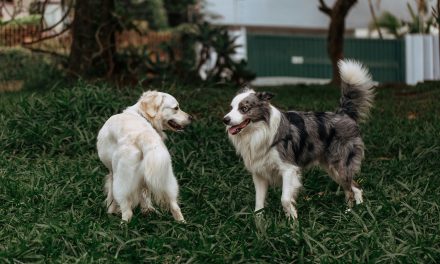
Socializing with other dogs is an important aspect of canine development that fosters healthy play behavior and communication skills. However, safety should always be a priority during these interactions. Owners should carefully select playmates that are well-socialized and exhibit appropriate behavior. Introducing dogs in neutral territory can help minimize territorial disputes and create a more relaxed atmosphere.
Supervised play sessions are crucial for ensuring safe interactions between dogs. Observing body language can provide valuable insights into how each dog is feeling during playtime. Signs of stress or discomfort should be addressed immediately by separating the dogs and allowing them time to calm down before reintroducing them. Gradually increasing the duration and intensity of play sessions can help build confidence while ensuring that all interactions remain positive.
Recognizing and Managing Fear or Anxiety
Recognizing signs of fear or anxiety in dogs is essential for effective socialization. Common indicators include excessive barking, cowering, tail tucking, or attempts to escape. When these behaviors are observed, it is crucial for owners to remain calm and avoid forcing the dog into uncomfortable situations. Instead, providing a safe space where the dog can retreat can help alleviate stress.
Managing fear or anxiety may involve gradual desensitization techniques. This process entails exposing the dog to the feared stimulus at a distance where it feels safe and gradually decreasing that distance over time while rewarding calm behavior. In some cases, consulting with a professional dog trainer or behaviorist may be necessary to develop an effective plan tailored to the dog’s specific needs.
Incorporating Playdates and Group Activities
Playdates and group activities provide excellent opportunities for dogs to socialize in a controlled environment. Organizing playdates with other well-socialized dogs allows for supervised interactions that promote healthy play behavior while reinforcing positive associations with other animals. Group classes focused on obedience training or agility can also serve as valuable socialization experiences.
During these activities, owners should remain engaged and attentive to their dog’s behavior. Encouraging positive interactions through games or structured activities can enhance social skills while providing mental stimulation. Additionally, these group settings often expose dogs to various stimuli such as different sounds and scents, further enriching their socialization experience.
Consistency and Patience in Training
Consistency and patience are paramount when it comes to socializing dogs effectively. Establishing a routine that incorporates regular socialization opportunities helps reinforce learned behaviors over time. Owners should remain committed to providing ongoing exposure to new experiences throughout their dog’s life rather than viewing socialization as a one-time task.
Patience is equally important; some dogs may take longer than others to adjust to new situations or individuals. Celebrating small victories along the way can help maintain motivation for both the owner and the dog. By fostering an environment of support and encouragement, owners can facilitate successful socialization journeys for their pets.
Avoiding Common Socialization Mistakes
Several common mistakes can hinder effective socialization efforts for dogs. One prevalent error is overwhelming a dog with too many new experiences at once, leading to stress and anxiety rather than positive associations. Another mistake is failing to recognize signs of discomfort or fear during interactions, which can exacerbate negative behaviors.
Additionally, relying solely on negative reinforcement or punishment during socialization can create fear-based responses rather than fostering confidence. Instead, focusing on positive reinforcement techniques will yield better long-term results in shaping desirable behaviors. Being aware of these pitfalls allows owners to navigate the socialization process more effectively.
Monitoring Progress and Adjusting Techniques for Happy Pets
Monitoring progress during socialization efforts is essential for ensuring that dogs are developing positively in various environments and situations. Keeping track of milestones achieved—such as successful interactions with new people or other dogs—can provide valuable insights into areas that may require additional focus or adjustment.
If certain techniques are not yielding desired results, it may be necessary to reassess strategies and modify approaches accordingly. Consulting with professional trainers or behaviorists can provide additional guidance tailored to specific challenges faced during socialization efforts. Ultimately, fostering an environment where dogs feel safe and supported will lead to happier pets capable of thriving in diverse situations.
In summary, effective socialization is crucial for raising well-adjusted dogs capable of navigating various environments confidently. Starting early during the critical socialization window, gradually exposing dogs to new experiences, and employing positive reinforcement techniques are vital components of successful training strategies. By recognizing signs of fear or anxiety and incorporating playdates and group activities into their routines, owners can foster healthy social skills while ensuring safety during interactions with other animals and people alike. Consistency and patience are key elements throughout this journey, allowing for adjustments as needed while avoiding common pitfalls along the way. Ultimately, monitoring progress will lead to happier pets who thrive in diverse situations throughout their lives.
FAQs
What is socialization for dogs?
Socialization for dogs refers to the process of exposing them to various environments, people, animals, and experiences to help them develop into well-adjusted and confident pets. This process is crucial during a dog’s formative months, typically between 3 to 14 weeks of age, but can continue throughout their life.
Why is socialization important for dogs?
Socialization is important for dogs because it helps prevent behavioral issues such as fear, anxiety, and aggression. Well-socialized dogs are generally more adaptable, less stressed in new situations, and better able to interact positively with other dogs and people.
When should I start socializing my dog?
The ideal time to start socializing your dog is during the critical socialization period, which is between 3 and 14 weeks of age. However, socialization can and should continue throughout a dog’s life, as ongoing exposure to new experiences helps reinforce positive behaviors.
What are some effective methods for socializing my dog?
Effective methods for socializing your dog include taking them to puppy classes, introducing them to different environments, allowing them to meet various people and other dogs, and exposing them to different sounds and sights. Positive reinforcement, such as treats and praise, can help create a positive association with new experiences.
Can lack of socialization lead to behavioral problems in dogs?
Yes, lack of socialization can lead to a range of behavioral problems in dogs, including fearfulness, aggression, and anxiety. Dogs that are not properly socialized may react negatively to unfamiliar situations or stimuli, making them more difficult to manage and potentially dangerous in social settings.