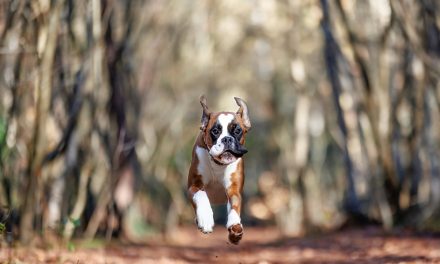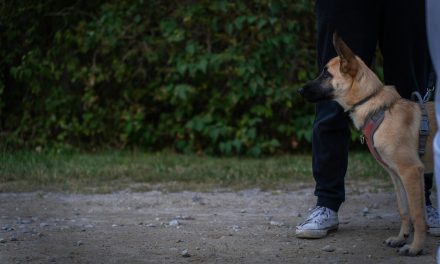
The first few weeks with a new dog are a strange mix of joy and chaos. You bought the bed, the bowls, and a leash that looked sturdy in the store, and then your dog walks in and treats your living room like a brand-new planet. Everything is interesting, nothing is predictable, and you start wondering whether anyone else’s dog ever chewed through a phone charger in the first forty-eight hours. They did. Almost every new owner has a story like that.
Good training does not require a harsh voice, a special gadget, or hours of free time. It requires clear communication, patience, a handful of treats, and a plan you can stick to. The ten tips below are the ones I’d hand to a friend who just adopted a dog: simple, reward-based, and built around how dogs actually learn. Read the whole thing once, pick two or three tips to start with, and add the rest as your dog gets the hang of things.
Key takeaways
- Dogs repeat what pays off. Reward the behavior you want within a second or two, and ignore or redirect the rest.
- Short sessions win. Three to five minutes, several times a day, beats one long weekend marathon.
- Management comes first. Baby gates, closed doors, and a tidy floor prevent mistakes while training catches up.
- Socialization means calm, positive exposure, not forced meetings with every dog and person you can find.
- Skills need to be taught in easy settings first, then slowly moved to harder ones with more distraction.
- Never use pain, fear, or intimidation. Prong, choke, and shock collars and physical corrections carry real welfare risks and are not needed.
- If your dog shows aggression, extreme fear, or anything that worries you, call a veterinarian and a qualified professional early.
How dogs learn, in plain terms
Before the specific tips, it helps to understand the machinery underneath them. Dogs learn through association and consequence. If sitting is followed by a tasty morsel, sitting becomes more likely. If pulling toward a squirrel gets them closer to the squirrel, pulling becomes more likely too. The dog is not being stubborn or spiteful. The dog is doing the math, and the math says that behavior works.
Why dominance talk is outdated
You may still hear that your dog is trying to be the “alpha” and that you must assert yourself. That idea came from early studies of captive wolves in artificial groups, and the researcher behind it later spent years correcting the record. Modern veterinary and behavior organizations, including the American Veterinary Society of Animal Behavior, advise against dominance-based methods. Dogs are not plotting to take over your household. They are animals who need to be shown what to do, and who need a safe, predictable home to do it in.
The three things you control
You control the environment, the timing of rewards, and the difficulty of the exercise. When training stalls, one of those three is usually the culprit. The room is too distracting, the treat arrived three seconds late, or you asked for too much too soon. Fix one and watch what happens.
Set up your toolkit and your home
What you actually need
The list is short. A flat buckle collar or a well-fitted harness with an ID tag. A four-to-six-foot (1.2 to 1.8 m) leash made of nylon, cotton, or biothane. A treat pouch or a small bowl you can reach quickly. Soft, pea-sized treats that your dog can swallow in a second. A crate or a safe pen sized so your dog can stand, turn around, and lie down comfortably. A few chew items and puzzle toys. That is plenty.
Pick treats like a professional
Think of treats as a currency with different denominations. Your dog’s regular kibble is small change, good for easy tasks at home. Small pieces of cooked chicken, cheese, or plain turkey are higher value and useful when you are working around distractions. Keep pieces tiny, because twenty large treats add up to a real meal. Count training treats as part of the daily food allowance, and ask your veterinarian for guidance if your dog has a sensitive stomach, allergies, or a weight concern.
Dog-proof before the dog arrives
Put shoes, remote controls, socks, and kids’ toys out of reach. Cover or lift electrical cords. Check that houseplants are safe, because many common ones, such as lilies and sago palms, are toxic. The ASPCA Animal Poison Control Center publishes a searchable list of toxic plants, and it is worth bookmarking. Keep trash cans closed and medications stored high. Prevention is the most underrated training tool there is.
Tip 1: Start with a predictable routine
Dogs feel secure when they can guess what comes next. Feed meals at roughly the same times, take potty breaks on a schedule, and build in play, training, and rest at consistent points in the day. You do not need a military timetable. You need a rhythm.
A sample day for an adult dog might look like this: a morning potty break and a short walk, breakfast, a five-minute training session, a nap while you work, a midday break, a longer afternoon outing, dinner, an evening chew or puzzle toy, and a last potty trip before bed. Puppies need many more breaks and many more naps, which we will cover below.
Sleep is part of training
Puppies often need 18 to 20 hours of sleep a day, and adult dogs commonly sleep 12 to 14. An overtired dog gets bitey, frantic, and unable to learn, much like an overtired toddler. If your dog is suddenly wild at 6 p.m., the answer may be a nap, not a lesson.
Tip 2: Teach your dog their name as a happy sound
A name should mean “look at me, something good is happening.” It should never be the first word of a scolding. If your dog hears the name right before bad news, the name loses its pull.
The name game, step by step
- In a quiet room, wait until your dog is looking elsewhere.
- Say the name once in a bright, friendly voice.
- The instant your dog glances at you, say “yes” and deliver a treat.
- Repeat ten times, then stop. Do two or three rounds a day.
- After three or four days, play it in a different room, then in the yard on a long line.
Say the name only once. If you repeat it five times, you are teaching your dog that the first four can be ignored.
Tip 3: Master the marker word
A marker is a short signal that tells your dog “that exact thing earned a reward.” Many trainers use a clicker, but a crisp word such as “yes” works well and is always with you. The marker bridges the gap between the behavior and the treat, which matters because you cannot always get food into a dog’s mouth in the half-second that counts.
Charging the marker
Sit with ten tiny treats. Say “yes,” then give a treat. Wait a few seconds, say “yes,” give a treat. Do this ten times without asking for anything. Your dog will quickly learn that the word predicts food. After two or three sessions, you can start using it to mark real behavior, like a dog glancing at you or sitting down on their own.
Marker or lure?
A lure is a treat held near the nose to guide the dog into position. It is a fine way to start, but fade it quickly. Within a few repetitions, move your empty hand through the same motion and reward from the other hand, so your dog learns to respond to the signal and not just to the food they can smell.
Tip 4: Teach sit, down, and stay the easy way
Sit
Hold a treat at your dog’s nose and slowly lift it up and slightly back over the head. As the nose rises, the bottom lowers. The moment it touches the floor, say “yes” and reward. After five or six repeats, add the word “sit” just before you move your hand. Keep the sessions to about a minute.
Down
From a sit, lower a treat straight down between the front paws and slowly along the floor. Reward any small progress at first, such as a dropped elbow, and then shape toward a full down. Do not push on your dog’s back or shoulders. If your dog pops up, try working on a non-slip surface, or sit beside them on the floor so the movement feels less awkward. Some dogs with stiff hips or sore joints find this one uncomfortable, and that is worth mentioning to a veterinarian.
Stay
Stay has three parts: duration, distance, and distraction. Teach them one at a time, never together. Start with duration only. Ask for a sit, say “stay,” wait one second, mark, and reward. Build to two seconds, then five, then ten. Always return to your dog to deliver the treat so staying is where the good things happen. Only when five to ten seconds feels easy do you take one step back. If your dog breaks the stay, simply reset with no scolding and make the next try easier.
| Skill | Starting goal | Next step | Common stumbling block |
|---|---|---|---|
| Sit | Bottom hits floor for a lure | Respond to hand signal, then word | Dog jumps up for the treat |
| Down | Elbows touch floor | Full down on a verbal cue | Slippery floors or discomfort |
| Stay | Hold for 2 seconds | Add one step of distance | Increasing too fast |
| Come | Run to you indoors | Recall in the yard on a long line | Calling only to end fun |
Tip 5: Build a recall that you can trust
“Come” is the cue that could save your dog’s life, so treat it like a bank account: make lots of deposits before you ever need a withdrawal. The rule is simple. Coming to you must always be the best thing that happens to your dog, and it must never be followed by anything unpleasant.
Week-by-week recall plan
- Week one: Indoors, say “come” in a cheerful voice while backing away, and reward heavily when your dog arrives. Practice five times, three sessions a day.
- Week two: Move to the hallway and the backyard. Call from greater distances and reward with several treats in a row, or a quick game of tug.
- Week three: Attach a 20-30 foot (6-9 m) long line outside. Practice while your dog is sniffing, then call and reward. The line keeps practice safe and prevents your dog from learning that ignoring you works.
- Week four and beyond: Add mild distractions, such as a quiet park at off-peak hours, still on the long line.
What not to do
Do not call your dog to give a bath, trim nails, or end the park visit and then do it immediately. Sometimes, call your dog, reward, and release them to go play again. That teaches that “come” does not mean “fun is over.” And never chase. Dogs run faster than you, and chasing turns recall into a game of keep-away. Run the other way instead, and your dog will usually follow.
Tip 6: House training without punishment
Accidents are information, not misbehavior. A dog who pees on the carpet has not made a moral choice. They simply have not yet learned where the right spot is, or they were not given enough chances to get there.
The basic routine
Take your dog to the same outdoor spot at predictable times: first thing in the morning, after meals, after naps, after play, and before bed. Puppies under four months often need to go every one to two hours. Stand quietly, say a cue such as “go potty” once, and wait up to five minutes. When your dog goes, mark and reward right there, then allow a few minutes of sniffing or play as a bonus. Rewarding in the yard, not at the door once you are back inside, is what makes the lesson stick.
When accidents happen
Interrupt calmly if you catch your dog mid-act with a light “oops” and carry or lead them outside. Clean the spot with an enzymatic cleaner made for pet messes so no scent remains. Never rub a nose in it or scold afterward. Dogs cannot connect a scolding to something that happened minutes ago, and they learn only to hide when they need to go. If an adult dog who was reliably house-trained begins having accidents, talk to your veterinarian, since urinary infections and other health problems are common causes.
Crate use that feels like a den
A crate can make house training easier because most dogs avoid soiling where they sleep. Introduce it slowly. Toss treats inside, feed meals in there, and close the door for just a few seconds at first. Never use the crate as punishment, and do not leave a dog inside for longer than they can hold their bladder. A common rule of thumb for puppies is about one hour per month of age, plus one, up to a limit of roughly four to five hours, but individual dogs vary. Crates are not a substitute for exercise and company.
Tip 7: Socialize carefully and kindly
Socialization is the process of showing your dog that the ordinary world is safe. For puppies, the sensitive window runs from about three to fourteen weeks, though the process continues well into adolescence. The goal is not to meet as many dogs as possible. The goal is a calm, positive impression of many things: different people, hats and umbrellas, vacuum cleaners, car rides, bikes, slippery floors, and the veterinarian’s table.
Quality beats quantity
One relaxed, brief meeting with a calm, vaccinated adult dog is worth more than a chaotic romp at a dog park. Let your puppy observe from a distance, pair new things with treats, and leave before the puppy gets overwhelmed. Signs of stress include lip licking, yawning when not tired, tucked tail, turning away, and freezing. If you see them, add distance and let your dog recover.
Talk to your vet about timing
Young puppies are vulnerable to infectious diseases until their vaccines are complete. The AVMA and the American Veterinary Society of Animal Behavior both support early, careful socialization, and many veterinarians recommend starting before the full series is done in low-risk settings. Ask yours what is safe in your area, because risk depends on local conditions. Carrying your puppy through a pet-friendly store or sitting on a blanket in a quiet outdoor spot can be a good start.
Adopted adults need it too
If you adopted an adult, you may not know their history. Go slowly. Let the dog settle for a couple of weeks before you introduce a stream of visitors. Many rescue dogs are shut down at first, which looks like good behavior but is really caution. Their real personalities often emerge once they feel safe.
Tip 8: Teach calm manners at the door and with greetings
Jumping, door-darting, and frantic greetings are things dogs do because they work. Jumping gets attention. Bolting through the door gets the outside world. You can change the payoff.
Four on the floor
When your dog jumps, turn away quietly and wait. The instant all four paws touch the ground, say “yes” and reward or greet. Everyone in the household must do this, or the dog gets mixed messages. For visitors, keep a jar of treats by the door and ask guests to follow your lead, or use a leash for the first weeks to prevent practice.
Wait at the door
Ask for a sit before opening the door. Open it a crack. If your dog stands, close it. When your dog holds still, release with a cue like “okay” and let them through. A door-dashing dog is an emergency waiting to happen, so be patient with this one, and use a baby gate or leash inside the house as a backup while the habit builds.
Tip 9: Handle gear, grooming, and vet visits early
A dog who accepts touch is a dog who gets better health care. Spend a minute a day gently handling the paws, ears, mouth, and tail, and pairing each touch with a treat. Pick up a paw, mark, reward. Touch an ear, mark, reward. Slowly extend the time. Show the nail clippers, treat. Touch a paw with the clippers, treat. Many nail-trimming struggles come from skipping these slow steps.
Make the vet a party
Stop by the clinic occasionally just to say hello, get a treat from the front desk, and leave. Bring high-value food to every appointment. If your dog is very fearful in the exam room, ask the practice about low-stress handling approaches and whether a visit with a trainer or veterinary behaviorist might help.
Tip 10: Keep your dog’s brain and body busy
A huge share of what owners call misbehavior is a dog with energy and nothing to do. Chewing couches, barking at windows, and digging up gardens are all what a bored dog does. Adequate exercise and mental work reduce most of these problems before you have to train around them.
- Sniffing walks: Let your dog stop and explore. Ten minutes of sniffing can tire a dog more than a brisk march.
- Food puzzles: Stuff a rubber toy with part of the day’s meal, or scatter kibble in the grass.
- Short training games: Hide-and-seek, “find it,” and trick training count as exercise for the mind.
- Safe chewing: Offer appropriate chews sized so they cannot be swallowed whole, and always supervise.
Exercise needs vary widely by breed, age, and health. Puppies should not be forced into long runs while their joints are developing. Senior dogs and dogs with arthritis benefit from shorter, more frequent outings. In warm weather, walk in the early morning or evening, carry water, and never leave a dog in a parked car, since temperatures inside can become dangerous within minutes. Flat-faced breeds, overweight dogs, and very young or old dogs overheat especially easily.
A sample first-month plan
| Week | Main focus | Daily time | Goal at week’s end |
|---|---|---|---|
| 1 | Routine, name game, marker word, potty schedule | 3 to 4 short sessions of 3 minutes | Dog turns to you at the name and understands the marker |
| 2 | Sit, down, handling practice, crate comfort | 4 sessions of 3 to 5 minutes | Sit and down on a lure with a few seconds of calm |
| 3 | Recall indoors and in the yard, door manners | 4 sessions of 5 minutes | Reliable recall in the house, waiting at doors |
| 4 | Stay, leash basics, short outings, easy distractions | 3 to 4 sessions of 5 minutes plus walks | Ten-second stay and loose steps beside you |
An example five-minute session
Grab ten treats, pick a quiet room, and begin with two easy sits to warm up. Move to three name-game repetitions. Work on one new skill, such as a lured down, for about two minutes. Finish with something your dog already knows well so the session ends on success, and then release with a happy “all done” and a bit of play. Notice that the whole thing took less time than brewing coffee.
Special situations: puppies, seniors, and dogs with health issues
Puppies
Puppies are babies. Expect short attention spans, frequent potty trips, and a lot of mouthing. Redirect biting to a toy rather than yelling. Choose toys that are larger than the puppy’s mouth can swallow and replace anything that cracks or gets chewed into pieces. Avoid long forced exercise, jumping from furniture, and slippery stairs. Supervise whenever your puppy is loose.
Senior dogs
Yes, you can teach an older dog new tricks, and many seniors are wonderful students because they are calm and focused. Keep sessions short, use soft surfaces, and favor luring and shaping over repetitive sit-and-down drills if joints are stiff. Changes in sleep, house training, or responsiveness can sometimes signal pain, hearing or vision loss, or cognitive changes, and are worth a veterinary visit.
Dogs with joint or medical concerns
If your dog limps, hesitates to jump, or resists certain positions, check with your veterinarian before intensive training or exercise. Adjust the plan accordingly: a stand-stay can replace a sit, and a nose touch can replace a down. Never push through apparent pain.
Common mistakes
- Repeating cues. Saying “sit, sit, SIT” teaches your dog that the first two are optional. Say it once, wait a few seconds, and help if needed.
- Training only when the dog misbehaves. Practice when everything is calm, so skills exist when you need them.
- Raising difficulty too fast. If your dog fails three times in a row, go back to something easier.
- Late rewards. A treat three seconds after the sit may reward the dog for standing back up.
- Inconsistent rules. If the couch is off limits on Monday and fine on Tuesday, your dog gets confused, not clever.
- Punishing accidents or growling. A growl is communication. Suppress it and you lose the warning before a bite.
- Skipping exercise. A dog who has not been walked is not a dog who can focus.
- Forced greetings. Dragging a nervous dog toward strangers worsens fear.
- Using aversive tools. Prong, choke, and shock collars can cause pain and fear, and research and professional organizations advise against them.
A mini-scenario
Imagine your dog barks and lunges every time the doorbell rings. The tempting move is to shout. A better one is to unplug the bell, put a sign on the door, and teach “go to your mat” in a quiet room first. Over several weeks, you add a knock on the door at low volume, reward the mat behavior, and slowly build to a real visitor. It takes longer than yelling, but it works, and your dog keeps trusting you.
When to call a professional
Most training questions can be handled at home, but some situations call for expert help sooner rather than later.
- Your dog growls, snaps, or bites, especially around food, toys, or people.
- Fear is intense: shaking, hiding, panic, or trying to escape.
- Your dog cannot be left alone without destructive behavior or distress that lasts for long periods.
- Behavior changes suddenly, which can point to a medical problem.
- You feel frustrated, overwhelmed, or unsafe.
Start with your veterinarian to rule out pain or illness. For training, look for a certified professional dog trainer, such as someone holding a CPDT-KA credential, who uses reward-based methods. For serious aggression, severe anxiety, or compulsive behavior, a veterinary behaviorist, a board-certified veterinarian specializing in behavior, can evaluate your dog and work with your regular vet. Ask any trainer what happens when a dog gets it wrong. If the answer involves pain, fear, or intimidation, keep looking.
Frequently asked questions
How long should training sessions be?
Three to five minutes is plenty for most dogs, and puppies may do best with two or three. End while your dog is still eager. You can run several mini sessions throughout the day, and many owners find that tying them to routines such as meal prep makes it easier to remember.
At what age should I start training?
Right away. Puppies can begin learning names, markers, and simple cues as soon as they come home, usually around eight weeks. Adult and senior dogs can learn at any age. Day one is a fine time to begin, even if it just means teaching your dog that the word “yes” predicts treats.
Do I have to use treats forever?
No, but you should not rush to remove them. Once a behavior is reliable, you reward it less predictably, and mix in life rewards such as a walk, a toy, or permission to sniff. Keep paying well for new or difficult behavior. Think of it as an occasional bonus, not a bribe.
My dog ignores me outdoors. What is wrong?
Probably nothing. Dogs do not generalize easily, so a sit that works in the kitchen may be new information in the park. Go back a step, use better treats, work at a greater distance from distractions, and slowly build up. A long line is a helpful safety net while you do.
Should I use a crate?
It can be a useful tool, but only when introduced gently and used within sensible time limits. Some dogs do better with a pen or a gated room. If your dog panics in confinement, stop and ask a professional for help instead of pushing through.
Is it okay to say no to my dog?
A calm word to interrupt something is fine. The trouble comes when “no” is the only feedback your dog gets. Always follow an interruption by showing your dog what to do instead, and reward that choice.
How do I handle puppy biting?
Mouthing is normal, since puppies explore with their teeth. Offer a toy, pause play for a few seconds when teeth touch skin, and resume when your puppy is calm. Make sure your puppy is getting enough sleep, because tired puppies bite more. If the biting seems intense or is not easing as your puppy matures, ask a trainer for help.
Can I train a dog who is already nervous or reactive?
Yes, though the plan will look different. Distance, patience, and counter-conditioning, which means pairing the scary thing with food at a level your dog can handle, form the basics. A certified trainer or veterinary behaviorist can guide you, and your vet can check for any medical contribution.
One last thing before you go
Nobody trains a dog perfectly. You will say the cue twice, miss the timing, and lose your patience once or twice on a rainy Tuesday. That is okay. What your dog needs is not a flawless handler but a kind, steady one who keeps showing up. Celebrate the small wins, like the first time your dog sits at the curb without being asked, and be gentle with yourself on the days that go sideways. A year from now you will be amazed how far the two of you have come.