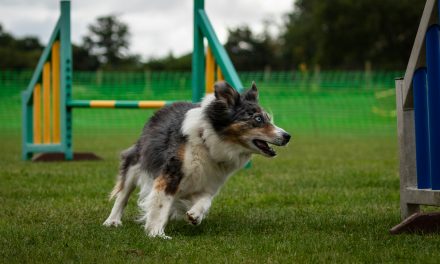
Selecting the appropriate dog breed is a pivotal decision for families and first-time owners. The right canine companion can enhance family dynamics, provide emotional support, and contribute to a nurturing environment. Conversely, an ill-suited breed may lead to frustration, behavioral issues, and unmet expectations. Understanding the characteristics, temperament, and needs of various breeds is essential for ensuring a harmonious relationship between humans and their furry friends.
When considering a dog, families must evaluate their lifestyle, living arrangements, and the ages of children involved. Some breeds are more adaptable to active households, while others thrive in quieter settings. Additionally, first-time owners should be aware of the commitment required in terms of training, exercise, and socialization. By making an informed choice, families can foster a loving bond with their new pet that lasts for years to come.
Labrador Retriever: The Friendly and Adaptable Family Companion
The Labrador Retriever is often hailed as one of the most popular dog breeds in the world, and for good reason. Known for their friendly disposition and adaptability, Labradors are excellent family companions. They possess a gentle temperament that makes them particularly suitable for households with children. Their playful nature encourages interaction and bonding, making them ideal playmates for kids.
Labradors are also highly trainable due to their intelligence and eagerness to please. This breed excels in obedience training and can easily learn commands and tricks. Regular exercise is crucial for Labradors, as they are energetic dogs that require daily physical activity to maintain their health and happiness. Engaging in activities such as fetch or swimming can help channel their energy positively.
Golden Retriever: Gentle, Loyal, and Great with Kids

Golden Retrievers are renowned for their gentle demeanor and unwavering loyalty, making them a favorite among families. Their affectionate nature allows them to form strong bonds with all family members, including children. This breed is known for its patience and tolerance, which is particularly beneficial when interacting with younger kids who may not always understand how to treat animals gently.
In addition to their friendly personality, Golden Retrievers are highly intelligent and eager learners. They excel in obedience training and often participate in various canine sports and activities. Regular exercise is essential for this breed as well; they thrive on outdoor adventures such as hiking or playing fetch. Their sociable nature means they enjoy being around people, making them excellent companions for family outings.
Beagle: Energetic, Curious, and Easygoing

Beagles are small to medium-sized dogs known for their energetic and curious personalities. Their friendly disposition makes them great companions for families with children. Beagles are naturally inquisitive and love to explore their surroundings, which can lead to amusing antics that entertain the entire family. Their easygoing nature allows them to adapt well to various living situations.
Training a Beagle can be both rewarding and challenging due to their independent streak. While they are intelligent dogs, they may require consistent reinforcement during training sessions. Regular exercise is vital for Beagles to prevent boredom-related behaviors such as excessive barking or digging. Engaging them in activities like scent games or agility training can help satisfy their curiosity while providing necessary physical activity.
Cavalier King Charles Spaniel: Affectionate and Sociable
The Cavalier King Charles Spaniel is a small breed known for its affectionate nature and sociable demeanor. These dogs thrive on human companionship and are often referred to as “lap dogs” due to their desire to be close to their owners. Their gentle temperament makes them particularly suitable for families with children or elderly individuals seeking a loving companion.
Cavaliers are relatively easy to train due to their eagerness to please. They respond well to positive reinforcement techniques, making training sessions enjoyable for both the dog and the owner. Regular grooming is necessary to maintain their beautiful coats, but their exercise needs are moderate compared to larger breeds. Daily walks and playtime will keep them happy and healthy while strengthening the bond between pet and owner.
Pug: Playful, Charming, and Low-Maintenance
Pugs are small dogs with big personalities, known for their playful charm and affectionate nature. Their compact size makes them suitable for families living in apartments or smaller homes. Pugs are generally low-maintenance when it comes to grooming; their short coats require minimal upkeep, making them an appealing choice for busy families.
Despite their small stature, Pugs have a lively spirit that brings joy to any household. They enjoy engaging in playtime with children and can adapt well to various living situations. While they do require regular exercise to maintain a healthy weight, Pugs are not overly demanding in terms of physical activity. Short walks and interactive play sessions will suffice to keep them content.
Bulldog: Calm, Courageous, and Perfect for Apartment Living
Bulldogs are known for their calm demeanor and courageous spirit, making them an excellent choice for families living in apartments or smaller spaces. Their stocky build and low energy levels mean they do not require extensive exercise; short walks and indoor playtime are usually sufficient to meet their needs. Bulldogs are particularly good with children due to their patient nature.
Despite their tough appearance, Bulldogs are gentle giants who thrive on companionship. They form strong bonds with family members and often display loyalty that is unmatched by other breeds. Training Bulldogs requires patience due to their stubbornness; however, consistent positive reinforcement can yield successful results. Regular veterinary check-ups are essential for this breed due to potential health issues related to their unique physical structure.
Shih Tzu: Small, Loving, and Ideal for First-Time Owners
The Shih Tzu is a small breed that exudes love and affection, making it an ideal choice for first-time dog owners. Their friendly disposition allows them to adapt well to various living situations, including apartments or homes with limited space. Shih Tzus thrive on human interaction and enjoy being pampered by their owners.
Training a Shih Tzu can be relatively straightforward due to their eagerness to please; however, consistency is key. Regular grooming is necessary to maintain their luxurious coats, which can become matted if not properly cared for. Daily walks and playtime will help keep them physically active while strengthening the bond between pet and owner.
Boxer: Protective, Energetic, and Great with Children
Boxers are medium-sized dogs known for their protective instincts and energetic personalities. They make excellent family pets due to their playful nature and strong bond with children. Boxers are known for being affectionate and loyal companions who thrive on human interaction.
Regular exercise is crucial for Boxers as they have high energy levels that need to be channeled appropriately. Engaging in activities such as running or playing fetch will help keep them physically fit while providing mental stimulation. Training Boxers requires consistency and positive reinforcement techniques; they respond well to structured training sessions that challenge their intelligence.
Bichon Frise: Cheerful, Intelligent, and Hypoallergenic
The Bichon Frise is a small breed known for its cheerful disposition and intelligence. This breed is hypoallergenic, making it an excellent choice for families with allergies or sensitivities to pet dander. Bichons are friendly dogs that enjoy being around people; they thrive on companionship and social interaction.
Training a Bichon Frise can be enjoyable due to their eagerness to learn new commands and tricks. Regular grooming is essential to maintain their fluffy coats; however, they do not shed much hair compared to other breeds. Daily walks and playtime will help keep them physically active while fostering a strong bond between pet and owner.
Finding the Best Match for Your Family’s Lifestyle
Choosing the right dog breed is a significant decision that requires careful consideration of your family’s lifestyle, living situation, and individual preferences. Each breed offers unique characteristics that cater to different needs; understanding these traits will help ensure a harmonious relationship between your family and your new canine companion.
Whether you opt for the friendly Labrador Retriever or the affectionate Cavalier King Charles Spaniel, finding a breed that aligns with your family’s dynamics will lead to years of joy and companionship. By investing time in research and understanding each breed’s requirements, you can make an informed decision that enhances your family’s quality of life while providing a loving home for your new furry friend.
FAQs
What are the most popular dog breeds in the world?
The most popular dog breeds vary by region, but globally, breeds such as Labrador Retriever, German Shepherd, Golden Retriever, French Bulldog, and Bulldog consistently rank among the top. These breeds are favored for their temperament, adaptability, and companionship qualities.
How do dog breeds differ in temperament?
Dog breeds can differ significantly in temperament due to their genetic backgrounds and the roles they were originally bred for. For example, herding breeds like Border Collies are often energetic and intelligent, while toy breeds like Chihuahuas may be more affectionate and protective. Understanding these traits can help potential owners choose a breed that fits their lifestyle.
What factors should be considered when choosing a dog breed?
When choosing a dog breed, factors to consider include the dog’s size, energy level, grooming needs, temperament, and compatibility with children or other pets. Additionally, potential owners should assess their living situation, activity level, and the time they can dedicate to training and socialization.
Are mixed breed dogs healthier than purebred dogs?
Mixed breed dogs are often considered to be healthier than purebred dogs due to their genetic diversity, which can reduce the risk of inherited health issues. However, this is not a guarantee, as mixed breeds can still inherit health problems from their parent breeds. Regular veterinary care and responsible breeding practices are essential for all dogs.
How can I find a reputable breeder for a specific dog breed?
To find a reputable breeder, start by researching breed clubs and associations that maintain breeder directories. Look for breeders who prioritize health testing, provide a clean and safe environment, and are willing to answer questions about their breeding practices. Visiting the breeder in person and meeting the puppies’ parents can also help ensure you are making a responsible choice.