Welcoming a new puppy into your home is an exciting and transformative experience. However, it requires careful preparation to ensure a safe and nurturing environment for your furry companion. Begin by conducting a thorough assessment of your living space. Identify potential hazards such as electrical cords, toxic plants, and small objects that could be ingested. Utilize baby gates to restrict access to certain areas, particularly stairs or rooms that may pose risks. Additionally, consider securing cabinets and drawers that contain cleaning supplies or other harmful substances.
Creating a designated puppy zone is essential for both safety and comfort. This area should be equipped with a cozy bed, toys, and water bowls. It’s advisable to choose a location that is quiet yet accessible, allowing your puppy to feel secure while still being part of family activities. Furthermore, ensure that the environment is conducive to exploration; puppies are naturally curious and will benefit from a space where they can safely investigate their surroundings.
Choosing the Right Puppy Food and Nutrition
Selecting appropriate nutrition for your puppy is crucial for their growth and development. Puppies have unique dietary needs that differ significantly from adult dogs. Look for high-quality puppy food that lists meat as the primary ingredient, ensuring it contains essential proteins, fats, vitamins, and minerals. The Association of American Feed Control Officials (AAFCO) provides guidelines for pet food labeling, so look for products that meet these standards.
Consider the specific breed and size of your puppy when choosing food. Large breed puppies require a diet formulated to support their slower growth rate, reducing the risk of skeletal issues. Conversely, small breed puppies may need more calorie-dense food due to their higher metabolism. Consulting with a veterinarian can provide tailored recommendations based on your puppy’s individual health needs.
Establishing a Consistent Feeding Schedule

Establishing a consistent feeding schedule is vital for your puppy’s health and behavior. Puppies thrive on routine, which helps regulate their digestion and potty training efforts. Typically, puppies should be fed three to four times a day until they reach six months of age. After this period, you can transition to two meals per day.
When feeding your puppy, measure the appropriate portion sizes according to the guidelines provided on the food packaging or as advised by your veterinarian. This practice not only prevents overfeeding but also helps maintain a healthy weight. Additionally, try to feed your puppy at the same times each day to create predictability in their routine, which can alleviate anxiety and promote good behavior.
Puppy Vaccinations and Veterinary Care

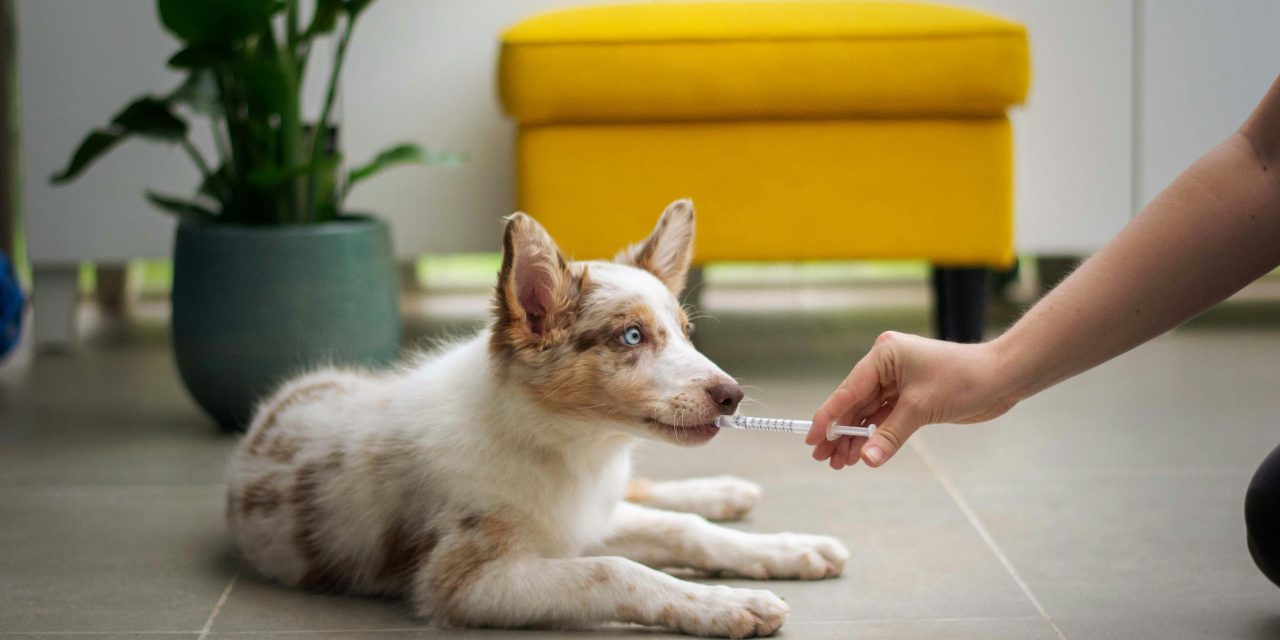
Vaccinations are an integral part of responsible puppy ownership, protecting your pet from various infectious diseases. Core vaccinations typically include distemper, parvovirus, adenovirus, and rabies. The vaccination schedule usually begins at six to eight weeks of age and continues until the puppy is around 16 weeks old. Regular veterinary check-ups are essential during this period to monitor your puppy’s health and ensure they are receiving all necessary vaccinations.
In addition to vaccinations, routine veterinary care encompasses parasite prevention, dental health assessments, and spaying or neutering considerations. Discuss with your veterinarian about flea and tick prevention methods as well as heartworm medication, which are crucial for maintaining your puppy’s overall health.
Creating a Safe and Comfortable Sleeping Area
A comfortable sleeping area is vital for your puppy’s well-being and development. Choose a quiet location away from household noise where your puppy can retreat for rest. A soft bed or crate can provide a sense of security while also aiding in house training efforts. Crate training can be particularly beneficial as it encourages puppies to view their crate as a safe haven.
Ensure that the sleeping area is appropriately sized; it should be large enough for your puppy to stand up, turn around, and lie down comfortably but not so large that they feel insecure. Incorporating familiar items such as toys or blankets can help ease the transition into their new sleeping space.
Basic Training and Socialization Techniques
Training and socialization are critical components of raising a well-adjusted puppy. Start with basic commands such as sit, stay, come, and down using positive reinforcement techniques like treats or praise. Consistency is key; use the same commands and gestures each time to avoid confusing your puppy.
Socialization should begin early in your puppy’s life. Expose them to various environments, people, and other animals in controlled settings to foster confidence and reduce fearfulness later in life. Puppy classes can be an excellent way to facilitate socialization while also providing structured training opportunities under professional guidance.
Importance of Regular Exercise and Playtime
Regular exercise is essential for maintaining your puppy’s physical health and mental stimulation. Puppies have abundant energy that needs to be channeled appropriately through daily activities such as walks, play sessions, or interactive games like fetch or tug-of-war. Aim for at least 30 minutes of exercise each day, adjusting the duration based on your puppy’s age and breed.
Incorporating playtime into your routine not only strengthens the bond between you and your puppy but also aids in behavioral development. Engaging in interactive play helps alleviate boredom and reduces the likelihood of destructive behaviors stemming from pent-up energy.
Grooming Essentials for Your Puppy
Grooming is an important aspect of puppy care that contributes to their overall health and hygiene. Depending on the breed, grooming needs may vary significantly; long-haired breeds may require regular brushing to prevent matting while short-haired breeds may need less frequent grooming sessions.
Establishing a grooming routine early on will help your puppy become accustomed to being handled. Regularly check their ears for wax buildup, trim their nails to prevent overgrowth, and brush their teeth to promote dental health. Bathing should be done sparingly unless necessary; over-bathing can strip natural oils from their coat.
Recognizing and Managing Common Puppy Health Issues
Puppies are susceptible to various health issues that require vigilant observation from their owners. Common concerns include gastrointestinal disturbances such as diarrhea or vomiting, which may indicate dietary indiscretion or infections. Skin irritations or allergies can manifest as itching or redness; consult with a veterinarian if these symptoms persist.
Additionally, watch for signs of respiratory infections such as coughing or nasal discharge. Early intervention is crucial in managing these conditions effectively. Regular veterinary visits will help monitor your puppy’s health status and address any emerging issues promptly.
Building a Strong Bond Through Positive Reinforcement
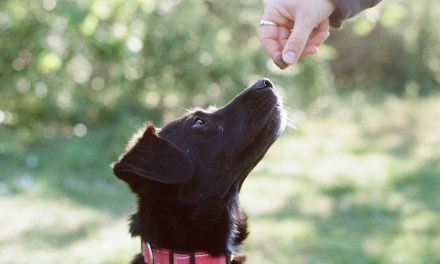
Building a strong bond with your puppy is essential for fostering trust and cooperation throughout their life. Positive reinforcement techniques are highly effective in encouraging desired behaviors while minimizing fear-based responses. Rewarding good behavior with treats, praise, or playtime reinforces the connection between actions and outcomes.
Engaging in activities together—such as training sessions or outdoor adventures—can further strengthen this bond. The more time you spend together in positive interactions, the more secure your puppy will feel in their relationship with you.
Understanding and Managing Puppy Behavior Challenges
Puppy behavior challenges are common but manageable with patience and consistency. Issues such as excessive barking, chewing, or jumping can often stem from boredom or anxiety. Identifying the root cause of these behaviors is crucial in addressing them effectively.
Implementing structured routines can help alleviate anxiety-related behaviors by providing predictability in daily activities. Redirecting unwanted behaviors through positive reinforcement techniques can also be beneficial; for example, if your puppy chews on furniture, provide them with appropriate chew toys instead.
In conclusion, preparing for a new puppy involves comprehensive planning across various aspects of care—from nutrition to training techniques. By establishing routines, ensuring proper veterinary care, and fostering positive interactions, you can create a nurturing environment that promotes healthy development and strengthens the bond between you and your new companion.
Summary: Bringing a new puppy into your home requires thoughtful preparation encompassing safety measures, nutrition choices, consistent feeding schedules, vaccinations, comfortable sleeping arrangements, training techniques, exercise routines, grooming practices, health monitoring, bonding strategies, and behavior management approaches. By addressing these areas comprehensively, you can ensure a happy and healthy life for your new furry friend while enjoying the rewarding experience of pet ownership.
FAQs
What are the essential vaccinations for puppies?
Puppies typically require a series of vaccinations to protect them from common diseases. Essential vaccinations include those for distemper, parvovirus, adenovirus, and rabies. The vaccination schedule usually starts at around six to eight weeks of age and continues until the puppy is about 16 weeks old, with booster shots given annually thereafter.
How often should I feed my puppy?
Puppies generally need to be fed three to four times a day until they are about six months old. After that, you can transition to two meals a day. It’s important to provide a balanced diet formulated specifically for puppies, as they require more nutrients than adult dogs for proper growth and development.
What should I include in my puppy’s training routine?
A puppy’s training routine should include basic commands such as sit, stay, come, and down. Socialization with other dogs and people is also crucial. Positive reinforcement techniques, such as treats and praise, are effective in encouraging good behavior. Consistency and patience are key to successful training.
How can I ensure my puppy is properly socialized?
Proper socialization involves exposing your puppy to a variety of environments, people, and other animals in a positive manner. Start socializing your puppy as early as possible, ideally between 3 to 14 weeks of age. Puppy classes, playdates, and supervised outings can help your puppy become well-adjusted and confident.
What are the signs of a healthy puppy?
A healthy puppy typically has bright eyes, a shiny coat, and a playful demeanor. They should have a good appetite, normal bowel movements, and be free of any signs of illness such as coughing, vomiting, or lethargy. Regular veterinary check-ups are essential to monitor their health and development.