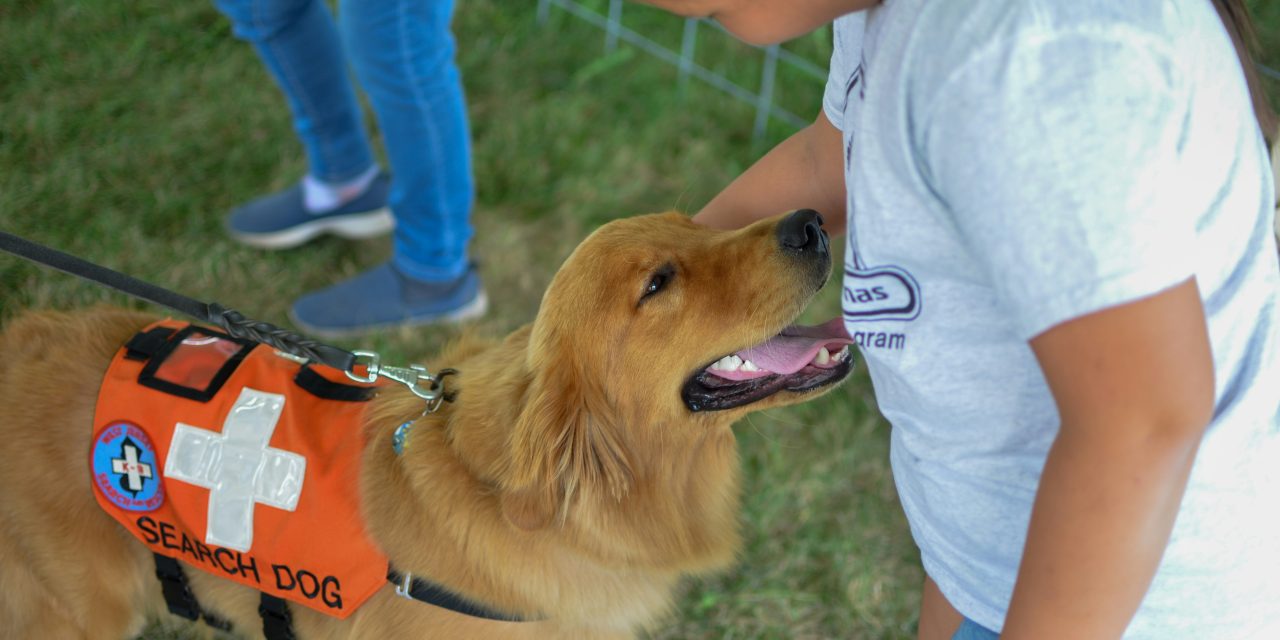
Service dogs play a pivotal role in enhancing the quality of life for individuals with disabilities. These highly trained canines are not merely companions; they are essential partners that assist their handlers in navigating daily challenges. Service dogs are trained to perform specific tasks that mitigate their handler’s disability, which can range from physical impairments to psychiatric conditions. For instance, a service dog may help a person with mobility issues by retrieving dropped items or providing stability while walking. In cases of psychiatric disorders, such as PTSD, these dogs can offer emotional support and alert their handlers to anxiety attacks.
The Americans with Disabilities Act (ADA) defines service animals as dogs that are individually trained to perform tasks for people with disabilities. This legal framework ensures that service dogs have access to public spaces, allowing their handlers to participate fully in society. Understanding the role of a service dog is crucial for both potential handlers and the general public, as it fosters awareness and respect for these remarkable animals and the vital functions they serve.
Choosing the Right Breed for Service Training
Selecting the appropriate breed for service dog training is a critical step in ensuring success. Various breeds exhibit distinct characteristics that may make them more suitable for specific tasks or disabilities. For example, Labrador Retrievers and Golden Retrievers are often favored due to their friendly demeanor, intelligence, and eagerness to please. These breeds are known for their adaptability and ability to bond closely with their handlers, making them ideal candidates for service work.
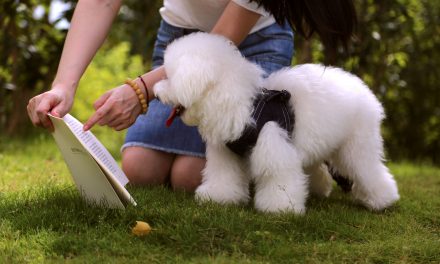
Conversely, smaller breeds like Poodles or Dachshunds may be better suited for individuals who require a service dog but live in smaller spaces or have limited mobility. It is essential to consider factors such as temperament, energy levels, and trainability when choosing a breed. Additionally, mixed-breed dogs can also excel as service animals if they possess the necessary traits. Ultimately, the right breed should align with the handler’s lifestyle and specific needs.
Establishing Clear Training Goals and Commands

Establishing clear training goals is fundamental to the success of a service dog partnership. Handlers should identify specific tasks that their service dog will perform, which may include retrieving items, providing balance support, or alerting to medical conditions. By outlining these objectives, handlers can create a focused training plan that addresses their unique requirements.
In conjunction with training goals, it is vital to develop a consistent set of commands that the service dog will learn. Commands should be simple, clear, and distinct to avoid confusion during training sessions. For instance, using commands like “fetch,” “stay,” or “alert” can help streamline communication between the handler and the dog. Consistency in language and tone will reinforce learning and ensure that the dog understands what is expected of them.
Creating a Consistent Training Schedule

A consistent training schedule is essential for effective service dog training. Regular practice helps reinforce learned behaviors and ensures that the dog retains skills over time. Handlers should aim for daily training sessions that last between 15 to 30 minutes, depending on the dog’s attention span and energy levels. Shorter, more frequent sessions tend to be more effective than longer, infrequent ones.
In addition to formal training sessions, incorporating training into daily routines can enhance learning opportunities. For example, practicing commands during walks or while engaging in playtime can reinforce skills in real-world scenarios. By establishing a structured training schedule, handlers can create an environment conducive to learning while fostering a strong bond with their service dog.
Utilizing Positive Reinforcement Techniques
Positive reinforcement is a cornerstone of effective dog training and is particularly beneficial when training service dogs. This method involves rewarding desired behaviors with treats, praise, or playtime, thereby encouraging the dog to repeat those behaviors in the future. Positive reinforcement not only strengthens the bond between handler and dog but also promotes a positive learning environment.
Handlers should identify what motivates their service dog—whether it be food rewards, toys, or verbal praise—and use these motivators strategically during training sessions. For instance, when teaching a new command, rewarding the dog immediately after they perform the desired action reinforces the behavior. Over time, this approach builds confidence in the dog and enhances their willingness to learn.
Socializing Your Service Dog Early and Often
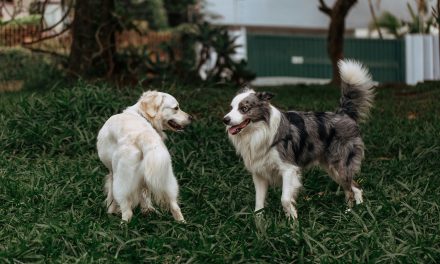
Socialization is a critical aspect of service dog training that should begin at an early age. Exposing a service dog to various environments, people, and other animals helps them develop confidence and adaptability in different situations. Early socialization can prevent behavioral issues later on and ensures that the dog remains calm and focused in public settings.
Handlers should aim to introduce their service dog to diverse experiences, such as busy streets, crowded stores, and various types of transportation. Positive interactions during these outings will help the dog learn how to navigate different stimuli without becoming overwhelmed. Regular socialization not only prepares the dog for public access but also fosters a well-rounded temperament that is essential for effective service work.
Teaching Public Access and Distraction Control
Public access training is crucial for service dogs as it prepares them to behave appropriately in various public settings. This training involves teaching the dog how to remain calm and focused amidst distractions such as loud noises, crowds, or other animals. Handlers should gradually expose their service dogs to increasingly challenging environments while reinforcing desired behaviors.
Distraction control is an essential component of public access training. Handlers can practice commands such as “leave it” or “focus” to redirect their dog’s attention away from distractions. Consistent practice in real-world scenarios will help solidify these skills and ensure that the service dog remains attentive to their handler’s needs in any situation.
Addressing Behavioral Challenges Effectively
Behavioral challenges may arise during service dog training, necessitating prompt attention from handlers. Common issues include excessive barking, jumping, or fear-based reactions to unfamiliar stimuli. Identifying the root cause of these behaviors is essential for developing effective solutions.
Handlers should remain patient and consistent when addressing behavioral challenges. Utilizing positive reinforcement techniques can help modify undesirable behaviors by redirecting the dog’s focus toward more appropriate actions. In some cases, consulting with a professional dog trainer or behaviorist may be necessary to develop tailored strategies for overcoming specific challenges.
Incorporating Task-Specific Training for Disabilities
Task-specific training is integral to equipping service dogs with the skills necessary to assist individuals with disabilities effectively. This training involves teaching dogs specific tasks that directly address their handler’s needs. For example, a service dog assisting someone with diabetes may be trained to alert them when blood sugar levels are too high or low.
Handlers should work closely with trainers who specialize in task-specific training to ensure that their service dog learns the necessary skills effectively. This process may involve breaking down tasks into manageable steps and gradually increasing complexity as the dog masters each component. By focusing on task-specific training, handlers can empower their service dogs to provide meaningful assistance in daily life.
Monitoring Progress and Adjusting Training Methods
Monitoring progress throughout the training process is essential for ensuring that both handler and service dog are on track toward achieving their goals. Regular assessments can help identify areas where additional focus may be needed or where adjustments to training methods may be beneficial.
Handlers should maintain detailed records of their dog’s progress, noting successes as well as challenges encountered during training sessions. This documentation can provide valuable insights into what techniques are most effective and where modifications may be necessary. By remaining flexible and open to adjusting training methods based on observed progress, handlers can optimize their approach for maximum effectiveness.
Knowing When to Seek Professional Assistance
While many handlers may feel confident in their ability to train their service dogs independently, there are instances when seeking professional assistance becomes necessary. If behavioral challenges persist despite consistent efforts or if handlers feel overwhelmed by the training process, consulting with a certified professional trainer or behaviorist can provide valuable guidance.
Professional trainers possess specialized knowledge and experience in working with service dogs and can offer tailored strategies for addressing specific issues or enhancing training techniques. Additionally, they can assist in task-specific training for disabilities that require specialized skills beyond basic obedience commands.
In conclusion, understanding the multifaceted role of service dogs is essential for both potential handlers and society at large. By choosing the right breed, establishing clear goals, creating consistent schedules, utilizing positive reinforcement techniques, socializing early, teaching public access skills, addressing behavioral challenges effectively, incorporating task-specific training, monitoring progress diligently, and knowing when to seek professional assistance, individuals can foster successful partnerships with their service dogs that enhance independence and quality of life.
In summary:
– Service dogs are trained companions that assist individuals with disabilities.
– Choosing the right breed is crucial for effective assistance.
– Clear goals and commands streamline training efforts.
– Consistent schedules reinforce learning.
– Positive reinforcement fosters a strong bond.
– Early socialization prepares dogs for public access.
– Distraction control is vital for public behavior.
– Addressing behavioral challenges requires patience.
– Task-specific training empowers dogs to assist effectively.
– Monitoring progress ensures optimal training methods.
– Professional assistance may be necessary when challenges arise.
By following these guidelines, handlers can cultivate successful partnerships with their service dogs that significantly improve their daily lives while promoting awareness and understanding within society regarding the invaluable contributions of these remarkable animals.
FAQs
What is a service dog?
A service dog is a specially trained animal that assists individuals with disabilities by performing specific tasks related to their owner’s condition. These tasks can include guiding individuals who are visually impaired, alerting those who are deaf, or providing support for individuals with mobility challenges or psychiatric conditions.
What types of tasks can service dogs be trained to perform?
Service dogs can be trained to perform a variety of tasks, including but not limited to guiding visually impaired individuals, alerting deaf individuals to sounds, retrieving items, providing stability for those with mobility issues, and offering emotional support for individuals with mental health conditions such as PTSD or anxiety disorders.
How long does it take to train a service dog?
The training duration for a service dog can vary widely depending on the tasks they need to learn and the individual dog’s temperament. Generally, it can take anywhere from six months to two years to fully train a service dog, with many programs offering structured training that includes both basic obedience and specialized task training.
Are there specific breeds that are better suited for service dog work?
While many breeds can be trained as service dogs, certain breeds are often preferred due to their temperament, intelligence, and physical abilities. Common breeds include Labrador Retrievers, Golden Retrievers, German Shepherds, and Standard Poodles, as they tend to be friendly, trainable, and capable of performing the necessary tasks.
Can any dog be a service dog?
Not every dog can be a service dog. To qualify, a dog must be well-behaved, socialized, and able to perform specific tasks that assist their handler with a disability. Additionally, service dogs must be trained to remain calm in public settings and should not exhibit aggressive or disruptive behavior.