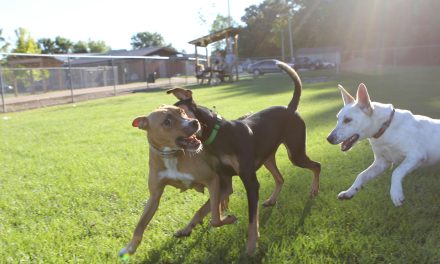
Understanding your dog’s breed and temperament is crucial for effective training and fostering a harmonious relationship. Each breed possesses unique characteristics, instincts, and behavioral tendencies that can significantly influence training methods. For instance, herding breeds like Border Collies are known for their intelligence and high energy levels, necessitating more rigorous mental and physical stimulation. Conversely, breeds such as Bulldogs may exhibit a more laid-back demeanor, requiring a different approach to motivation and engagement.
Temperament also plays a pivotal role in how a dog interacts with its environment and responds to training. Factors such as genetics, early socialization, and individual personality traits contribute to a dog’s behavior. For example, a shy or anxious dog may require gentler training techniques compared to a confident and assertive breed. Understanding these nuances allows owners to tailor their training strategies effectively, ensuring that they align with the dog’s natural inclinations and behavioral patterns.
Establishing a Consistent Training Schedule
Establishing a consistent training schedule is fundamental to successful dog training. Dogs thrive on routine, and a well-structured schedule helps them understand expectations and reinforces learning. Training sessions should be short but frequent, ideally lasting between 5 to 15 minutes, depending on the dog’s age and attention span. Consistency in timing—whether it’s morning, afternoon, or evening—helps dogs anticipate training sessions, making them more receptive to learning.
Moreover, integrating training into daily activities can enhance the learning experience. For instance, incorporating commands during walks or playtime reinforces lessons in real-world contexts. This approach not only solidifies the commands but also strengthens the bond between the owner and the dog. By maintaining a consistent schedule, owners can ensure that their dogs remain engaged and motivated throughout the training process.
The Importance of Positive Reinforcement

Positive reinforcement is a cornerstone of effective dog training. This method involves rewarding desired behaviors with treats, praise, or playtime, thereby encouraging the dog to repeat those behaviors in the future. Research has shown that positive reinforcement leads to better retention of learned behaviors compared to punitive methods, which can induce fear and anxiety in dogs. By focusing on rewarding good behavior rather than punishing undesirable actions, owners create a more trusting and cooperative relationship with their pets.
Incorporating various forms of rewards can enhance the effectiveness of positive reinforcement. For example, using high-value treats for challenging commands or offering enthusiastic praise during playtime can motivate dogs to engage more actively in training sessions. Additionally, timing is crucial; rewards should be given immediately after the desired behavior occurs to reinforce the connection between the action and the reward. This approach not only fosters a positive learning environment but also encourages dogs to explore new behaviors with confidence.
Teaching Basic Commands Early On

Teaching basic commands early on is essential for establishing a solid foundation for your dog’s behavior. Commands such as “sit,” “stay,” “come,” and “down” are fundamental for ensuring safety and facilitating effective communication between the owner and the dog. Starting training during the puppy stage—typically between 8 to 16 weeks—allows for optimal learning as puppies are naturally curious and eager to please.
When introducing commands, clarity is key. Use simple language and consistent cues to avoid confusing your dog. For instance, always use the same word for each command and pair it with a hand signal if possible. This dual approach reinforces understanding and aids in quicker learning. Additionally, practicing commands in various environments helps dogs generalize their understanding, making them more reliable in different situations.
Socializing Your Dog with Other Animals and People
Socialization is a critical aspect of a dog’s development that significantly impacts behavior throughout its life. Exposing your dog to various environments, people, and other animals helps reduce fearfulness and aggression while promoting confidence and adaptability. The critical socialization window for puppies occurs between 3 to 14 weeks of age; thus, early exposure is vital for optimal development.
To effectively socialize your dog, introduce them gradually to new experiences in a controlled manner. Positive interactions with other dogs can be facilitated through puppy classes or supervised playdates, while encounters with people can occur during walks or visits to pet-friendly locations. Always monitor your dog’s body language during these interactions; signs of stress or discomfort should be addressed promptly to prevent negative associations with socialization experiences.
Crate Training for Safety and Comfort
Crate training serves multiple purposes, including providing safety, comfort, and aiding in housebreaking efforts. A crate can become a secure haven for your dog, offering them a space where they feel safe and relaxed. When introducing your dog to a crate, it’s essential to create positive associations by using treats, toys, or meals inside the crate. This encourages your dog to view the crate as a pleasant environment rather than a place of confinement.
Establishing a routine around crate use can further enhance its effectiveness. For instance, using the crate during meal times or when you are away from home helps your dog acclimate to spending time inside it without anxiety. Gradually increasing the duration of crate time allows your dog to adjust comfortably while reinforcing good behavior through positive reinforcement when they remain calm inside.
Addressing Common Behavioral Issues
Addressing common behavioral issues requires patience and understanding of underlying causes. Problems such as excessive barking, chewing, or jumping can stem from boredom, anxiety, or lack of proper training. Identifying the root cause is essential for implementing effective solutions tailored to your dog’s specific needs.
For instance, excessive barking may indicate boredom or a need for attention; providing mental stimulation through puzzle toys or interactive games can alleviate this behavior. Similarly, destructive chewing often arises from anxiety or teething discomfort in puppies; offering appropriate chew toys can redirect this behavior positively. Consistent training combined with environmental enrichment can significantly reduce behavioral issues over time.
Using Proper Leash Techniques
Using proper leash techniques is vital for ensuring safe and enjoyable walks for both the owner and the dog. A well-fitted collar or harness is essential for comfort and control during walks. When walking your dog on a leash, maintaining a loose leash is crucial; this allows your dog to explore their surroundings without pulling or straining against the collar.
Training your dog to walk politely on a leash involves teaching them to stay by your side rather than pulling ahead. Techniques such as stopping when your dog pulls or rewarding them when they walk calmly beside you can reinforce desired behavior. Additionally, practicing leash manners in low-distraction environments before progressing to busier areas helps build confidence and reliability in leash skills.
Incorporating Mental and Physical Exercise
Incorporating both mental and physical exercise into your dog’s routine is essential for overall well-being and behavioral health. Physical exercise helps maintain a healthy weight and reduces excess energy that can lead to behavioral issues. Activities such as daily walks, fetch games, or agility training provide necessary physical stimulation.
Mental exercise is equally important; engaging your dog’s mind through puzzle toys, obedience training sessions, or scent work challenges can prevent boredom and promote cognitive development. Combining both forms of exercise ensures that your dog remains balanced physically and mentally, leading to improved behavior and overall happiness.
Recognizing and Responding to Stress Signals
Recognizing stress signals in dogs is crucial for addressing their emotional needs effectively. Common signs of stress include panting, pacing, excessive barking, or withdrawal from social interactions. Understanding these signals allows owners to respond appropriately by providing comfort or removing their dog from stressful situations.
When observing stress signals, it’s essential to remain calm and avoid inadvertently reinforcing anxious behavior through attention or treats. Instead, redirecting focus through engaging activities or creating a safe space can help alleviate stress levels. Regularly monitoring your dog’s body language fosters better communication and strengthens the bond between owner and pet.
Maintaining Patience and Consistency Throughout Training
Maintaining patience and consistency throughout training is paramount for achieving long-term success. Dogs learn at their own pace; some may grasp commands quickly while others require more time and repetition. It’s essential for owners to remain patient during this process, celebrating small victories along the way.
Consistency in commands, rewards, and routines reinforces learning effectively. Inconsistencies can confuse dogs and hinder progress; therefore, all family members should use the same commands and techniques when interacting with the dog. By fostering an environment of patience and consistency, owners create a positive atmosphere conducive to learning and growth.
In summary, understanding your dog’s breed characteristics is fundamental for effective training strategies tailored to their temperament. Establishing a consistent training schedule enhances learning while positive reinforcement fosters trust between owner and pet. Early teaching of basic commands lays the groundwork for good behavior, complemented by socialization experiences that promote confidence.
Crate training provides safety while addressing common behavioral issues requires identifying underlying causes for effective solutions. Proper leash techniques ensure enjoyable walks while incorporating mental and physical exercise contributes to overall well-being. Recognizing stress signals allows owners to respond appropriately while maintaining patience throughout training fosters long-term success in building a strong bond with their canine companions.
FAQs
What are the basic commands every dog should learn?
Every dog should learn basic commands such as “sit,” “stay,” “come,” “down,” and “leave it.” These commands help establish communication between the owner and the dog, ensuring safety and good behavior in various situations.
How often should I train my dog?
Training sessions should be short and frequent, ideally lasting about 5 to 10 minutes, several times a day. Consistency is key, so daily training is recommended to reinforce learning and maintain your dog’s skills.
What is positive reinforcement in dog training?
Positive reinforcement is a training method that involves rewarding desired behaviors with treats, praise, or playtime. This approach encourages dogs to repeat those behaviors, making training more effective and enjoyable for both the dog and the owner.
When should I start training my puppy?
Puppy training can begin as early as 7 to 8 weeks old. Early socialization and basic obedience training are crucial during this developmental stage, as it helps puppies learn how to interact with people and other animals positively.
How can I address behavioral issues in my dog?
To address behavioral issues, it’s important to identify the root cause of the behavior and implement consistent training techniques. Consulting a professional dog trainer or behaviorist can also provide tailored strategies to correct unwanted behaviors effectively.