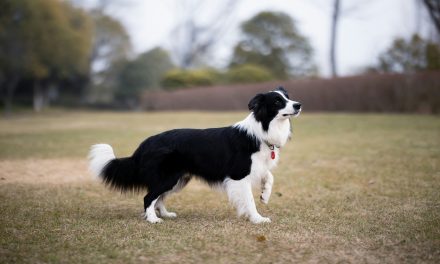
Understanding your dog’s breed and personality is fundamental to fostering a healthy and harmonious relationship. Each breed possesses unique characteristics, temperaments, and energy levels that can significantly influence behavior and training. For instance, herding breeds like Border Collies are known for their intelligence and high energy, requiring ample mental stimulation and physical activity. In contrast, toy breeds such as Chihuahuas may exhibit more affectionate and less demanding behaviors, often thriving in a calm environment.
Moreover, individual personality traits can vary widely even within the same breed. Factors such as genetics, early experiences, and socialization play crucial roles in shaping a dog’s demeanor. Observing your dog’s reactions to various stimuli—such as new environments, people, or other animals—can provide insights into their personality. Understanding these nuances allows owners to tailor their training and care approaches, ensuring that they meet their dog’s specific needs effectively.
Establishing a Consistent Routine
Establishing a consistent routine is vital for a dog’s well-being and behavioral stability. Dogs thrive on predictability; a structured daily schedule helps them understand what to expect throughout the day. This routine should encompass feeding times, walks, play sessions, and training periods. By adhering to a consistent schedule, dogs can develop a sense of security and reduce anxiety, which is particularly beneficial for breeds prone to stress.
Incorporating regularity into your dog’s life also aids in house training and behavioral management. For example, taking your dog out at the same times each day reinforces their understanding of when it is appropriate to relieve themselves. Additionally, consistency in commands and training techniques fosters better communication between you and your pet, enhancing their ability to learn and respond effectively.
Providing Balanced Nutrition and Fresh Water

Providing balanced nutrition is essential for maintaining your dog’s overall health and vitality. A well-rounded diet should include high-quality proteins, healthy fats, carbohydrates, vitamins, and minerals tailored to your dog’s age, size, and activity level. Consulting with a veterinarian can help determine the most suitable diet plan for your pet, ensuring they receive the necessary nutrients for optimal growth and development.
Equally important is ensuring access to fresh water at all times. Hydration plays a critical role in various bodily functions, including digestion, temperature regulation, and joint lubrication. Dogs should have access to clean water throughout the day, especially after exercise or during hot weather. Monitoring your dog’s water intake can also provide insights into their health; sudden changes in drinking habits may indicate underlying health issues that require veterinary attention.
Regular Exercise for Physical and Mental Health

Regular exercise is paramount for maintaining both physical and mental health in dogs. Engaging in daily physical activity helps prevent obesity, promotes cardiovascular health, and strengthens muscles and joints. The amount of exercise required varies by breed; high-energy breeds may need several hours of vigorous activity each day, while smaller or less active breeds may require shorter walks or play sessions.
Mental stimulation is equally crucial for a dog’s well-being. Activities such as puzzle toys, obedience training, or agility courses can challenge your dog’s cognitive abilities and prevent boredom-related behaviors like chewing or excessive barking. Incorporating a variety of exercises—such as fetch, swimming, or hiking—can keep your dog engaged and excited about their daily activities.
Effective Training Techniques and Commands
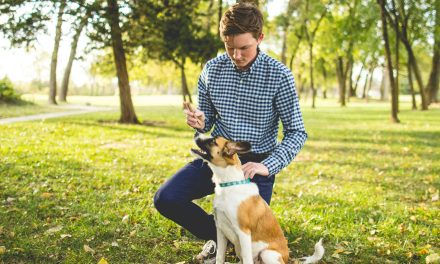
Effective training techniques are essential for fostering good behavior and communication between you and your dog. Positive reinforcement is one of the most successful methods; rewarding desired behaviors with treats, praise, or play encourages dogs to repeat those actions. This approach not only strengthens the bond between owner and pet but also promotes a positive learning environment.
Basic commands such as “sit,” “stay,” “come,” and “leave it” form the foundation of obedience training. Consistency in command usage and timing of rewards is crucial for effective learning. Additionally, incorporating short training sessions throughout the day can keep your dog engaged without overwhelming them. As they master basic commands, gradually introducing more complex tasks can further enhance their skills and confidence.
Socializing Your Dog Early and Often
Socialization is a critical aspect of raising a well-adjusted dog. Early exposure to various environments, people, animals, and experiences helps prevent behavioral issues such as fearfulness or aggression later in life. Puppies are particularly receptive to socialization during their critical developmental period, which typically occurs between three to fourteen weeks of age.
Engaging in puppy classes or organized playgroups can provide structured opportunities for socialization while ensuring safety. Gradually introducing your dog to new experiences—such as car rides, visits to parks, or encounters with different breeds—can help them develop confidence and adaptability. Ongoing socialization throughout adulthood is equally important; regular interactions with other dogs and people can reinforce positive behaviors and reduce anxiety in unfamiliar situations.
Maintaining Proper Grooming and Hygiene
Maintaining proper grooming and hygiene is essential for your dog’s health and comfort. Regular brushing helps remove loose fur, dirt, and debris while promoting healthy skin by distributing natural oils. The frequency of grooming depends on the breed; long-haired breeds may require daily brushing, while short-haired breeds may only need weekly attention.
Bathing should be done as needed based on your dog’s activity level and coat type; over-bathing can strip natural oils from the skin. Additionally, regular dental care is crucial for preventing periodontal disease; brushing your dog’s teeth several times a week or providing dental chews can help maintain oral hygiene. Routine nail trimming is also necessary to prevent discomfort or injury; long nails can lead to joint pain or difficulty walking.
Scheduling Routine Veterinary Checkups
Scheduling routine veterinary checkups is vital for monitoring your dog’s health and preventing potential issues before they escalate. Regular examinations allow veterinarians to assess your pet’s overall condition, administer vaccinations, and perform necessary screenings for common health concerns such as heartworm or parasites.
Annual wellness exams are typically recommended for adult dogs; however, puppies and senior dogs may require more frequent visits due to their unique health needs. During these checkups, discussing any behavioral changes or concerns with your veterinarian can provide valuable insights into your dog’s well-being. Additionally, staying up-to-date on vaccinations ensures protection against preventable diseases that could pose serious risks to your pet’s health.
Recognizing and Addressing Behavioral Issues
Recognizing and addressing behavioral issues promptly is crucial for maintaining a harmonious household. Common problems such as excessive barking, chewing, or aggression can stem from various factors including boredom, anxiety, or lack of training. Identifying the root cause of these behaviors is essential for implementing effective solutions.
Consulting with a professional dog trainer or behaviorist can provide valuable guidance in addressing specific issues. Techniques such as desensitization or counter-conditioning may be employed to modify undesirable behaviors gradually. Additionally, ensuring that your dog receives adequate exercise and mental stimulation can significantly reduce behavioral problems by channeling excess energy into positive outlets.
Creating a Safe and Comfortable Living Environment
Creating a safe and comfortable living environment is paramount for your dog’s well-being. Ensuring that your home is free from hazards—such as toxic plants, small objects that could be swallowed, or exposed electrical cords—can prevent accidents or injuries. Designating a specific area for your dog with comfortable bedding provides them with a sense of security.
Additionally, providing appropriate toys that cater to your dog’s chewing instincts can help keep them entertained while preventing destructive behaviors. Establishing boundaries within the home—such as restricting access to certain rooms—can also contribute to a safe environment while reinforcing training principles.
Building a Strong Bond Through Positive Reinforcement
Building a strong bond with your dog through positive reinforcement fosters trust and enhances the overall relationship between owner and pet. Engaging in activities that both you and your dog enjoy—such as playing fetch or going for walks—can strengthen this bond while providing opportunities for shared experiences.
Incorporating positive reinforcement techniques during training sessions not only encourages good behavior but also reinforces the emotional connection between you and your dog. Celebrating small victories with praise or treats creates an atmosphere of encouragement that motivates your pet to learn and grow alongside you.
In summary, understanding your dog’s breed characteristics is essential for effective care and training. Establishing routines promotes stability while balanced nutrition supports overall health. Regular exercise enhances physical fitness and mental stimulation; effective training techniques foster good behavior through positive reinforcement. Socialization is crucial for developing well-adjusted dogs while proper grooming maintains hygiene. Routine veterinary checkups ensure ongoing health monitoring; recognizing behavioral issues allows for timely intervention. Creating a safe living environment enhances comfort while building strong bonds through shared experiences enriches the relationship between owner and pet.
FAQs
What are the basic needs of a dog?
Dogs require a balanced diet, regular exercise, proper grooming, routine veterinary care, and social interaction. Providing these essentials helps ensure their physical and mental well-being.
How often should I train my dog?
Training sessions should be short and frequent, ideally lasting 5 to 10 minutes, and conducted several times a day. Consistency is key, so daily training is recommended to reinforce commands and behaviors.
What are some effective dog training methods?
Positive reinforcement is one of the most effective training methods. This involves rewarding your dog with treats, praise, or playtime when they exhibit desired behaviors. Other methods include clicker training and leash training.
How can I socialize my dog?
Socialization can be achieved by exposing your dog to various environments, people, and other animals in a controlled manner. Puppy classes, dog parks, and organized playdates are excellent opportunities for socialization.
What should I do if my dog exhibits behavioral problems?
If your dog shows behavioral issues such as aggression, excessive barking, or anxiety, it’s important to consult a professional dog trainer or a veterinarian. They can help identify the underlying causes and recommend appropriate training or treatment plans.