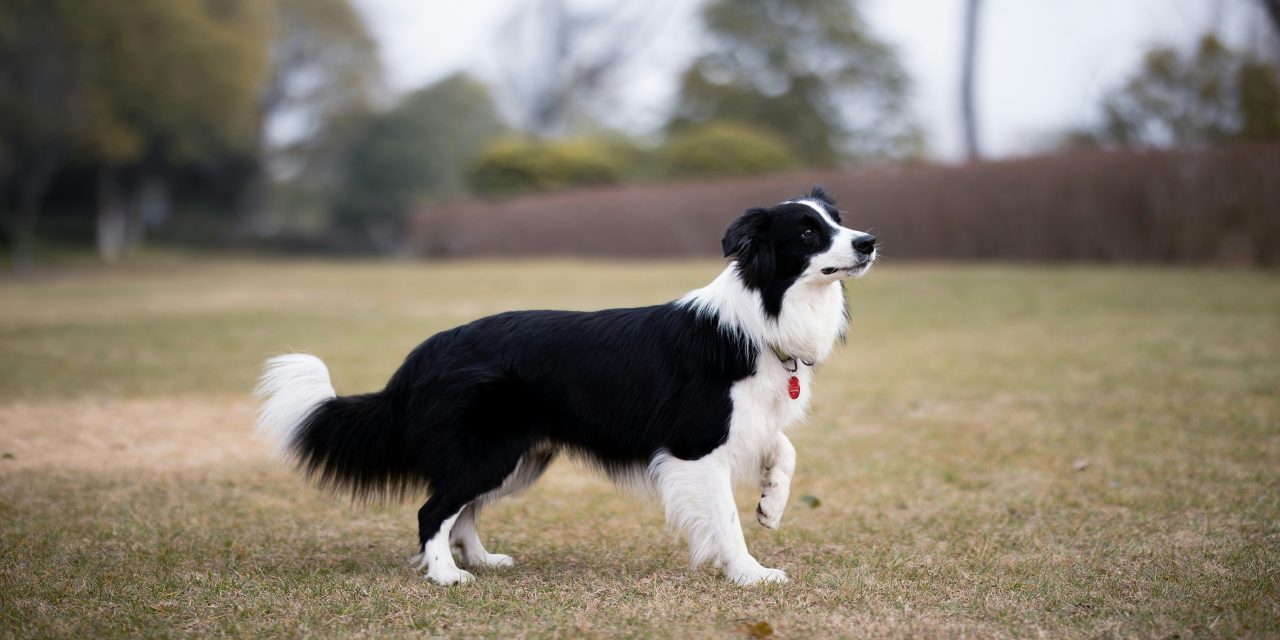
Reliable recall is a fundamental aspect of canine training that significantly enhances the bond between a dog and its owner. It serves as a critical safety mechanism, ensuring that dogs can be called back to their owners in potentially hazardous situations. A well-trained recall can prevent accidents, such as a dog running into traffic or approaching aggressive animals. Furthermore, it fosters a sense of freedom for the dog, allowing them to explore their environment while maintaining a secure connection with their handler.
The significance of reliable recall extends beyond mere obedience; it is an essential component of responsible pet ownership. A dog that responds promptly to recall commands is less likely to become lost or engage in undesirable behaviors. This reliability not only protects the dog but also contributes to the overall well-being of the community by minimizing disturbances and potential conflicts with other animals or people. Thus, investing time and effort into developing a strong recall is crucial for any dog owner.
Choosing the Right Training Environment
Selecting an appropriate training environment is paramount for effective recall training. The initial stages should take place in a controlled setting, such as a quiet room or a fenced yard, where distractions are minimal. This allows the dog to focus solely on the handler and the recall command without the interference of external stimuli. A calm environment facilitates learning and helps establish a solid foundation for future training sessions.
As the dog becomes more proficient in responding to recall commands, gradually introducing varied environments is essential. This progression can include parks, open fields, or even urban settings with moderate distractions. The key is to ensure that the dog remains engaged and responsive throughout the training process. By varying the training locations, handlers can help their dogs generalize the recall command, making it applicable in diverse situations.
Selecting Effective Rewards and Motivators

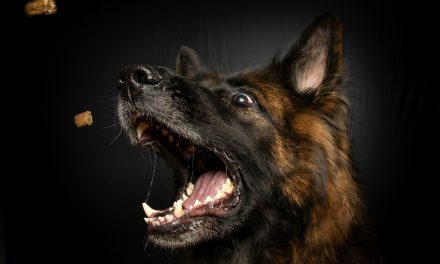
The choice of rewards and motivators plays a crucial role in reinforcing recall behavior. Dogs are more likely to respond positively to commands when they associate them with enjoyable experiences. High-value treats, such as small pieces of chicken or cheese, can be particularly effective during training sessions. These rewards should be enticing enough to capture the dog’s attention and encourage them to return promptly when called.
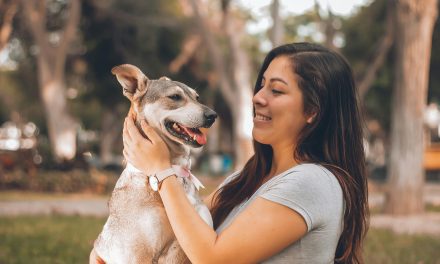
In addition to food rewards, incorporating playtime or affection as motivators can enhance the training experience. Many dogs thrive on social interaction and physical activity, making games like fetch or tug-of-war excellent incentives for successful recalls. By diversifying the types of rewards used, handlers can maintain their dog’s interest and enthusiasm throughout the training process.
Using a Consistent Recall Command

Consistency in command usage is vital for effective recall training. Handlers should select a specific word or phrase that will serve as the recall command and use it uniformly across all training sessions. Common choices include “come,” “here,” or even unique phrases like “let’s go.” The key is to ensure that the command is distinct and easily recognizable by the dog.
In addition to verbal commands, incorporating hand signals can further enhance communication between the handler and the dog. Visual cues can be particularly beneficial in noisy environments where verbal commands may be difficult for the dog to hear. By combining verbal and visual signals, handlers can create a more robust recall system that increases the likelihood of success.
Starting Recall Training Indoors
Beginning recall training indoors allows for a controlled environment where distractions are minimal. This setting enables handlers to focus on establishing a strong foundation for their dog’s recall behavior. Start by calling the dog from short distances, using an enthusiastic tone and high-value rewards to encourage them to return promptly.
As the dog successfully responds to the recall command indoors, gradually increase the distance between the handler and the dog. This incremental approach helps build confidence and reinforces the dog’s understanding of what is expected during recall exercises. Consistent practice in this controlled environment lays the groundwork for more challenging outdoor training sessions.
Gradually Increasing Distractions and Distance
Once a solid indoor foundation has been established, it is essential to introduce distractions gradually during recall training. This step is crucial for helping dogs learn to respond reliably in real-world situations where various stimuli may compete for their attention. Start by practicing in environments with mild distractions, such as a quiet park or backyard with minimal activity.
As dogs become more adept at ignoring distractions, handlers can progressively increase the complexity of their training environments. This may involve practicing recalls in busier parks, near other dogs, or during outdoor events where people are present. By systematically increasing both distance and distractions, handlers can ensure that their dogs remain focused on the recall command regardless of external influences.
Incorporating a Long Line for Safety and Control
Using a long line during recall training provides an added layer of safety and control while allowing dogs some freedom to explore their surroundings. A long line typically ranges from 15 to 30 feet in length, enabling handlers to maintain communication with their dogs while still allowing them space to roam. This tool is particularly useful during outdoor training sessions where distractions may be more prevalent.
When utilizing a long line, handlers should practice recalls at varying distances while ensuring that they remain connected to their dogs. This connection allows for immediate reinforcement when the dog responds correctly to the recall command. Additionally, if a dog becomes distracted or attempts to wander off, the long line provides a means of safely redirecting them back toward the handler without compromising their safety.
Practicing Recall in Various Outdoor Settings
To solidify reliable recall behavior, it is essential to practice in diverse outdoor settings. Each environment presents unique challenges that can help dogs learn to generalize their recall skills effectively. Begin by selecting locations that offer varying levels of distraction, such as parks with other dogs, busy streets, or open fields with wildlife.
During these outdoor sessions, handlers should remain patient and encouraging while reinforcing successful recalls with high-value rewards. The goal is to create positive associations with returning when called, regardless of the surrounding environment. By consistently practicing in different settings, dogs will become more adept at responding to recall commands under various circumstances.
Avoiding Common Recall Training Mistakes
Several common mistakes can hinder effective recall training and lead to frustration for both handlers and dogs. One prevalent error is using negative reinforcement or punishment when a dog fails to respond to a recall command. This approach can create anxiety and diminish the dog’s willingness to return when called. Instead, focus on positive reinforcement techniques that encourage desired behaviors.
Another mistake is failing to practice recalls frequently enough or expecting immediate results. Recall training requires consistent practice over time; therefore, handlers should incorporate short training sessions into their daily routines rather than attempting lengthy sessions infrequently. By maintaining regular practice, dogs will develop stronger recall skills and greater reliability over time.
Reinforcing Recall with Positive Reinforcement
Positive reinforcement is an essential component of successful recall training. This technique involves rewarding desired behaviors immediately after they occur, reinforcing the connection between the behavior and its positive outcome. High-value treats, praise, or playtime can serve as effective rewards for successful recalls.
Handlers should aim to create an enthusiastic atmosphere during training sessions by using an upbeat tone of voice and engaging body language. This positive energy encourages dogs to associate recalls with enjoyable experiences, increasing their motivation to respond promptly when called in various situations.
Troubleshooting and Maintaining Recall Over Time
Even after establishing reliable recall behavior, ongoing maintenance is crucial for ensuring long-term success. Handlers should regularly practice recalls in different environments and gradually increase distractions to keep their dogs engaged and responsive. If a dog begins to exhibit inconsistent recall behavior, it may be necessary to revisit foundational training techniques and reinforce positive associations with the command.
Additionally, addressing any underlying behavioral issues that may affect recall performance is essential. For example, if a dog displays signs of anxiety or fear in certain situations, seeking professional guidance from a certified dog trainer or behaviorist may be beneficial. By proactively addressing potential challenges and maintaining consistent practice, handlers can ensure that their dog’s recall remains reliable over time.
In summary, reliable recall is an essential skill for any dog owner seeking to enhance their pet’s safety and overall well-being. By understanding its importance and implementing effective training strategies—such as selecting appropriate environments, using consistent commands, incorporating positive reinforcement techniques, and addressing common mistakes—handlers can cultivate strong recall behavior in their dogs that lasts throughout their lives.
FAQs
What is the best age to start training my dog to come when called?
It is recommended to start training your dog to come when called as early as possible, ideally when they are a puppy around 8 weeks old. However, older dogs can also learn this command with patience and consistent training.
What techniques can I use to teach my dog to come when called?
Some effective techniques include using positive reinforcement, such as treats or praise, to reward your dog when they come to you. You can also use a long leash to practice the command in a controlled environment and gradually increase distractions as your dog improves.
How long should training sessions be for teaching the ‘come’ command?
Training sessions should be kept short and engaging, typically lasting about 5 to 10 minutes. Frequent, short sessions are more effective than longer, infrequent ones, as they help maintain your dog’s attention and enthusiasm.
What should I do if my dog does not come when called?
If your dog does not come when called, avoid punishing them, as this can create a negative association with the command. Instead, try to make the command more appealing by using high-value treats or toys, and practice in a distraction-free environment before gradually introducing more distractions.
How can I reinforce the ‘come’ command in different environments?
To reinforce the ‘come’ command in various environments, practice in different locations, such as your backyard, a park, or a friend’s house. Gradually increase the level of distractions and continue to reward your dog for coming when called, ensuring they understand the command applies in all situations.