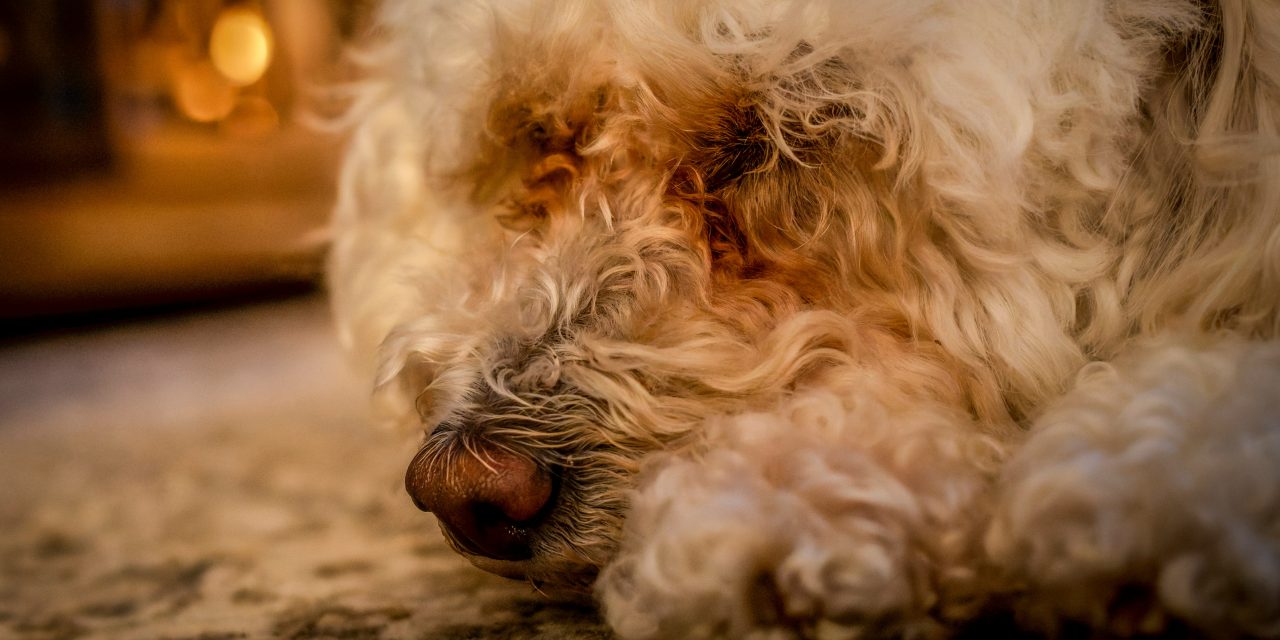
Tear stains are a common concern among dog owners, particularly in certain breeds such as Maltese, Poodles, and Shih Tzus. These unsightly reddish-brown marks beneath the eyes are primarily caused by excessive tearing, medically known as epiphora. The condition can arise from various factors, including anatomical abnormalities, environmental irritants, and underlying health issues. For instance, some dogs may have shallow eye sockets or excessive hair around the eyes that can trap moisture and lead to tear staining.
In addition to anatomical factors, tear stains can also be exacerbated by allergies, infections, or irritants in the environment. Common allergens include pollen, dust mites, and certain food ingredients. Furthermore, tear staining can indicate more serious health concerns such as conjunctivitis or blocked tear ducts. Understanding the root causes of tear stains is crucial for effective management and prevention.
Identifying Your Dog’s Tear Stain Type
Not all tear stains are created equal; they can vary significantly based on their underlying causes. The most common types include those caused by excessive tearing due to anatomical issues, allergies, or infections. For example, dogs with blocked tear ducts may exhibit persistent tearing that leads to staining. Conversely, dogs suffering from allergies may experience intermittent tearing that correlates with exposure to specific allergens.
To accurately identify the type of tear stain affecting your dog, observe the color and consistency of the discharge. Clear or watery tears may indicate an allergy or irritant, while thick, yellowish discharge could suggest an infection. Additionally, the location of the staining can provide clues; stains that are primarily located on one side may indicate a localized issue. By understanding these distinctions, pet owners can tailor their approach to treatment and prevention.
Maintaining Proper Eye Hygiene for Your Dog

Maintaining proper eye hygiene is essential for preventing and managing tear stains in dogs. Regular cleaning of the eye area can help remove debris and prevent the buildup of bacteria that contribute to staining. Pet owners should use a soft, damp cloth or cotton ball to gently wipe away any discharge from the corners of the eyes. This should be done daily or as needed to keep the area clean.
In addition to external cleaning, it is important to monitor your dog’s eyes for any signs of irritation or infection. Redness, swelling, or excessive tearing may indicate an underlying issue that requires veterinary attention. Regular grooming sessions can also help keep hair away from the eyes, reducing the likelihood of irritation and subsequent tearing.
Choosing the Right Cleaning Products for Tear Stains

Selecting appropriate cleaning products is crucial for effectively managing tear stains without causing further irritation. Many commercial tear stain removers are available on the market; however, not all are created equal. It is essential to choose products that are specifically formulated for canine use and free from harsh chemicals or fragrances that could irritate sensitive skin.
When evaluating cleaning products, look for those containing natural ingredients such as chamomile or aloe vera, which can soothe irritated skin. Additionally, products with antibacterial properties can help prevent infections that contribute to tear staining. Always perform a patch test before applying any new product to ensure your dog does not have an adverse reaction.
Natural Remedies to Reduce Tear Stains Safely
Natural remedies can be an effective way to reduce tear stains without resorting to harsh chemicals. One popular option is using diluted apple cider vinegar in your dog’s drinking water; this can help balance pH levels and reduce staining over time. Another remedy involves using a mixture of coconut oil and baking soda to create a paste that can be applied directly to stained areas.
Herbal supplements such as bilberry extract or eyebright may also support eye health and reduce tearing. However, it is essential to consult with a veterinarian before introducing any new supplements into your dog’s diet to ensure they are safe and appropriate for your pet’s specific needs.
Dietary Adjustments to Minimize Tear Staining
Diet plays a significant role in managing tear stains in dogs. Certain ingredients in commercial dog food can contribute to allergies or sensitivities that lead to excessive tearing. To minimize tear staining, consider switching to a high-quality diet that is free from artificial additives, fillers, and common allergens such as wheat or corn.
Incorporating omega-3 fatty acids into your dog’s diet can also promote overall eye health and reduce inflammation that may contribute to tearing. Foods rich in omega-3s include fish oil and flaxseed oil. Additionally, ensuring your dog stays well-hydrated can help maintain optimal eye moisture levels and reduce the likelihood of tear staining.
Managing Allergies That Contribute to Tear Stains
Allergies are a significant contributor to tear staining in many dogs. Identifying and managing these allergies is crucial for effective treatment. Common allergens include environmental factors such as pollen, dust mites, and mold, as well as food ingredients like chicken or beef.
To manage allergies effectively, consider conducting an elimination diet under veterinary supervision to identify potential food sensitivities. Additionally, regular cleaning of your dog’s living environment can help reduce exposure to environmental allergens. Using air purifiers and hypoallergenic bedding can also create a more comfortable living space for your pet.
Regular Grooming Techniques to Prevent Tear Stains
Regular grooming is essential for preventing tear stains in dogs prone to excessive tearing. Keeping the fur around the eyes trimmed short can minimize irritation caused by hair contacting the eyes. Additionally, regular brushing helps remove debris and prevents matting that can trap moisture.
Bathing your dog regularly with a gentle shampoo formulated for sensitive skin can also help maintain overall hygiene and reduce staining. During grooming sessions, pay close attention to the eye area and ensure it remains clean and free from discharge.
When to Consult a Veterinarian About Tear Stains
While many cases of tear staining can be managed at home, there are instances when veterinary consultation is necessary. If your dog exhibits persistent tearing accompanied by redness, swelling, or discomfort, it is crucial to seek professional advice. These symptoms may indicate an underlying health issue such as conjunctivitis or blocked tear ducts that require medical intervention.
Additionally, if home remedies and dietary adjustments do not yield improvements in tear staining after several weeks, it may be time to consult a veterinarian for further evaluation and treatment options.
Avoiding Harmful Practices and Products
In the quest for effective tear stain management, it is essential to avoid harmful practices and products that could exacerbate the issue or harm your dog’s health. Some pet owners may resort to using human products or harsh chemicals that can irritate sensitive skin around the eyes.
Additionally, avoid using cotton swabs or abrasive materials when cleaning your dog’s eyes, as these can cause injury or discomfort. Always prioritize gentle methods and products specifically designed for canine use to ensure your dog’s safety and well-being.
Long-Term Care and Monitoring for Tear Stain Prevention
Long-term care and monitoring are vital components of preventing tear stains in dogs. Regular veterinary check-ups can help identify any underlying health issues early on and allow for timely intervention. Additionally, maintaining a consistent grooming routine will help keep your dog’s eye area clean and free from debris.
Monitoring your dog’s diet and environmental factors will also play a significant role in preventing future occurrences of tear staining. By staying vigilant and proactive in your approach to eye care, you can significantly reduce the likelihood of tear stains becoming a recurring issue.
In summary, understanding the causes of tear stains in dogs is essential for effective management and prevention. By identifying the type of tear stain affecting your pet, maintaining proper eye hygiene, choosing suitable cleaning products, utilizing natural remedies, making dietary adjustments, managing allergies, employing regular grooming techniques, consulting with veterinarians when necessary, avoiding harmful practices, and committing to long-term care strategies, pet owners can significantly improve their dog’s eye health while minimizing unsightly tear stains.
FAQs
What causes tear stains in dogs?
Tear stains in dogs are primarily caused by excessive tearing, which can result from various factors such as allergies, eye infections, blocked tear ducts, or certain breeds that are predisposed to tear staining. The tears can mix with bacteria and yeast on the fur, leading to discoloration.
Are there safe home remedies to reduce tear stains?
Yes, there are several safe home remedies to help reduce tear stains. These include using a mixture of water and apple cider vinegar to clean the stained area, ensuring your dog has a clean diet, and keeping the face area dry and clean to prevent bacteria growth.
Can diet affect tear staining in dogs?
Absolutely. A poor diet can contribute to tear staining. Foods that are high in fillers, artificial colors, and preservatives may exacerbate the problem. Switching to a high-quality, grain-free diet can help reduce tear stains in some dogs.
Is it safe to use commercial tear stain removers?
While many commercial tear stain removers are available, it’s essential to choose products that are specifically formulated for dogs and are free from harsh chemicals. Always consult with your veterinarian before using any new product to ensure it is safe for your pet.
When should I consult a veterinarian about my dog’s tear stains?
If your dog’s tear stains are persistent, worsening, or accompanied by other symptoms such as redness, swelling, or discharge, it is advisable to consult a veterinarian. These could be signs of an underlying health issue that needs to be addressed.