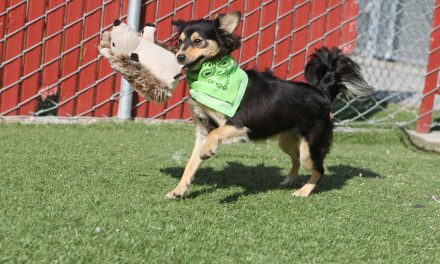
Early socialization is a critical aspect of a puppy’s development that lays the foundation for their behavior and temperament throughout their life. During the first few months, a puppy’s brain is highly receptive to new experiences, making this period crucial for shaping their interactions with the world. Socialization involves exposing your puppy to various stimuli, including people, animals, environments, and sounds, which helps them develop confidence and adaptability. A well-socialized dog is less likely to exhibit fear-based behaviors, aggression, or anxiety in unfamiliar situations.
The benefits of early socialization extend beyond mere exposure; they encompass emotional and psychological well-being. Puppies that undergo proper socialization are more likely to grow into well-adjusted adults, capable of navigating complex social dynamics with ease. This process not only enhances their quality of life but also fosters a harmonious relationship between the dog and its human companions. By investing time and effort into socializing your puppy, you are essentially equipping them with essential life skills that will serve them well throughout their lifespan.
Assessing Your Puppy’s Health Before Socializing
Before embarking on the journey of socialization, it is imperative to assess your puppy’s health status. A thorough veterinary examination is essential to ensure that your puppy is free from any infectious diseases or health issues that could pose risks during social interactions. Vaccinations play a pivotal role in safeguarding your puppy against common canine diseases such as parvovirus, distemper, and kennel cough. It is advisable to consult your veterinarian regarding the appropriate vaccination schedule tailored to your puppy’s age and breed.
In addition to vaccinations, monitoring your puppy for any signs of illness or discomfort is crucial. Symptoms such as lethargy, vomiting, diarrhea, or unusual behavior may indicate underlying health problems that require immediate attention. Ensuring that your puppy is in optimal health not only protects them but also minimizes the risk of transmitting diseases to other dogs during socialization activities. A healthy puppy is more likely to engage positively with new experiences, making the socialization process smoother and more effective.
Creating a Safe Home Environment for Initial Socialization

Establishing a secure home environment is fundamental for initial socialization efforts. Your home should serve as a safe haven where your puppy can explore and interact with various stimuli without feeling overwhelmed. Begin by introducing your puppy to different areas of your home, allowing them to familiarize themselves with various textures, sounds, and smells. Gradually incorporate household items such as vacuum cleaners, doorbells, and children’s toys to help them acclimate to everyday life.
Moreover, it is essential to create a designated space where your puppy can retreat when feeling anxious or overstimulated. This safe zone can be a cozy bed or crate equipped with familiar toys and blankets. Providing this sanctuary allows your puppy to learn how to self-soothe and manage stress effectively. By fostering a positive association with their environment, you are laying the groundwork for successful social interactions outside the home.
Introducing Your Puppy to Family Members and Close Friends

The initial introduction of your puppy to family members and close friends should be approached with care and consideration. Start by allowing your puppy to meet one person at a time in a calm and controlled manner. Encourage gentle interactions, such as offering treats or engaging in play, to create positive associations with new individuals. It is crucial to monitor both your puppy’s body language and the behavior of the person interacting with them to ensure a comfortable experience.
As your puppy becomes more accustomed to family members, gradually increase the number of people present during interactions. Encourage visitors to kneel down to the puppy’s level and avoid overwhelming them with excitement or loud noises. This gradual approach helps build trust and confidence in your puppy while reinforcing positive social behaviors. Remember that patience is key; each puppy has its own pace when it comes to acclimatizing to new people.
Using Controlled Outdoor Experiences to Build Confidence
Once your puppy has established a sense of comfort within the home environment, it is time to introduce them to controlled outdoor experiences. Outdoor settings provide an array of stimuli that can enhance your puppy’s confidence and adaptability. Begin by taking short walks in quiet areas where your puppy can encounter new sights, sounds, and smells without feeling overwhelmed. Gradually increase the duration and complexity of these outings as your puppy becomes more comfortable.
During outdoor experiences, it is essential to maintain control over the environment. Use a leash and harness to ensure safety while allowing your puppy some freedom to explore their surroundings. Encourage positive interactions with other dogs or people by rewarding calm behavior with treats or praise. Controlled outdoor experiences not only help build confidence but also reinforce essential skills such as leash manners and recall.
Choosing Puppy-Friendly Socialization Classes and Groups
Enrolling your puppy in socialization classes can significantly enhance their exposure to various stimuli while providing structured learning opportunities. Look for classes specifically designed for puppies that focus on positive reinforcement techniques and emphasize safe interactions with other dogs and people. These classes often include supervised playtime, which allows puppies to learn appropriate social behaviors while under the guidance of experienced trainers.
When selecting a socialization class, consider factors such as class size, trainer qualifications, and the overall atmosphere of the facility. A positive environment fosters learning and encourages puppies to engage confidently with their peers. Additionally, participating in group activities can help strengthen the bond between you and your puppy while providing valuable social experiences that contribute to their overall development.
Avoiding High-Risk Areas and Unvaccinated Dogs
While socialization is essential for your puppy’s development, it is equally important to avoid high-risk areas where exposure to unvaccinated dogs may occur. Locations such as dog parks or crowded public spaces can pose significant health risks for young puppies who have not yet completed their vaccination series. Instead, seek out controlled environments where you can safely introduce your puppy to other vaccinated dogs under supervision.
When meeting other dogs, always inquire about their vaccination status before allowing interactions. This precaution helps protect your puppy from potential exposure to contagious diseases while ensuring that they have positive experiences with other dogs. By prioritizing safety during socialization efforts, you can create a healthy foundation for your puppy’s future interactions.
Implementing Proper Hygiene and Sanitation Practices
Maintaining proper hygiene and sanitation practices is crucial in safeguarding your puppy’s health during socialization efforts. Regularly clean areas where your puppy plays or interacts with other dogs to minimize the risk of disease transmission. This includes disinfecting toys, bedding, and surfaces that may harbor pathogens.
Additionally, ensure that your puppy’s vaccinations are up-to-date before engaging in social activities. Regular veterinary check-ups will help monitor their health status and provide guidance on any necessary vaccinations or preventive measures. By prioritizing hygiene practices, you contribute significantly to creating a safe environment for both your puppy and other dogs they encounter.
Monitoring Your Puppy’s Behavior and Stress Levels
As you embark on the journey of socializing your puppy, it is vital to monitor their behavior and stress levels closely. Each puppy has unique personality traits that influence how they respond to new experiences. Signs of stress may include excessive barking, cowering, or attempts to escape from situations that feel overwhelming.
By observing these behaviors, you can adjust your approach accordingly. If your puppy appears anxious or fearful during social interactions, consider taking a step back and allowing them time to acclimate at their own pace. Positive reinforcement techniques can help encourage desired behaviors while building confidence over time. Remember that patience is key; gradual exposure will yield better results than forcing interactions that may lead to negative associations.
Gradually Increasing Social Exposure as Vaccinations Progress
As your puppy progresses through their vaccination schedule, it is essential to gradually increase their exposure to various social situations. This incremental approach allows them to build confidence while minimizing the risk of exposure to infectious diseases. Start by introducing them to low-stress environments with familiar people or vaccinated dogs before venturing into busier public spaces.
Monitor their reactions closely during these outings; if they exhibit signs of stress or discomfort, take a step back and allow them time to adjust before attempting further exposure. The goal is to create positive associations with new experiences while ensuring that your puppy feels secure throughout the process.
Consulting Your Veterinarian for Personalized Socialization Guidance
Finally, consulting your veterinarian for personalized guidance on socialization is an invaluable resource for pet owners. Veterinarians possess extensive knowledge about canine behavior and health concerns specific to different breeds and ages. They can provide tailored recommendations based on your puppy’s individual needs, including vaccination schedules and appropriate socialization strategies.
Additionally, veterinarians may offer insights into behavioral training techniques or refer you to reputable trainers specializing in positive reinforcement methods. By collaborating with veterinary professionals throughout the socialization process, you can ensure that you are providing the best possible foundation for your puppy’s development.
In summary, early socialization plays a pivotal role in shaping a puppy’s behavior and temperament throughout their life. By assessing health status before socializing, creating a safe home environment, introducing them gradually to family members and friends, utilizing controlled outdoor experiences, enrolling in appropriate classes, avoiding high-risk areas, implementing hygiene practices, monitoring behavior closely, increasing exposure gradually as vaccinations progress, and consulting veterinarians for personalized guidance, pet owners can foster well-adjusted dogs capable of thriving in diverse environments. Investing time in these efforts will yield long-term benefits for both puppies and their human companions alike.
FAQs
Why is socializing a puppy important before full vaccination?
Socializing a puppy before full vaccination is crucial because it helps them develop essential social skills and reduces the likelihood of behavioral issues later in life. Early exposure to various environments, people, and other animals can lead to a well-adjusted adult dog that is comfortable in different situations.
What are safe ways to socialize a puppy before they are fully vaccinated?
Safe ways to socialize a puppy before full vaccination include inviting vaccinated friends and their dogs over for playdates, taking the puppy on car rides, and exposing them to different sounds and sights in a controlled environment. Puppy training classes that allow for safe interactions with other vaccinated puppies can also be beneficial.
What risks are associated with socializing a puppy before vaccination?
The primary risk of socializing a puppy before they are fully vaccinated is exposure to contagious diseases, such as parvovirus or distemper. To mitigate this risk, it’s essential to avoid areas where unvaccinated dogs frequent, such as dog parks, and to ensure that any interactions are with healthy, vaccinated dogs.
At what age should I start socializing my puppy?
Puppies should begin socializing as early as 3 to 4 weeks old, but the critical socialization window is between 3 and 14 weeks of age. During this period, they are more receptive to new experiences, making it an ideal time to introduce them to various stimuli in a safe manner.
How can I tell if my puppy is comfortable during socialization?
Signs that your puppy is comfortable during socialization include relaxed body language, a wagging tail, and a willingness to explore their surroundings. Conversely, signs of discomfort may include cowering, growling, or trying to escape. It’s important to monitor your puppy’s reactions and adjust the socialization experiences accordingly.