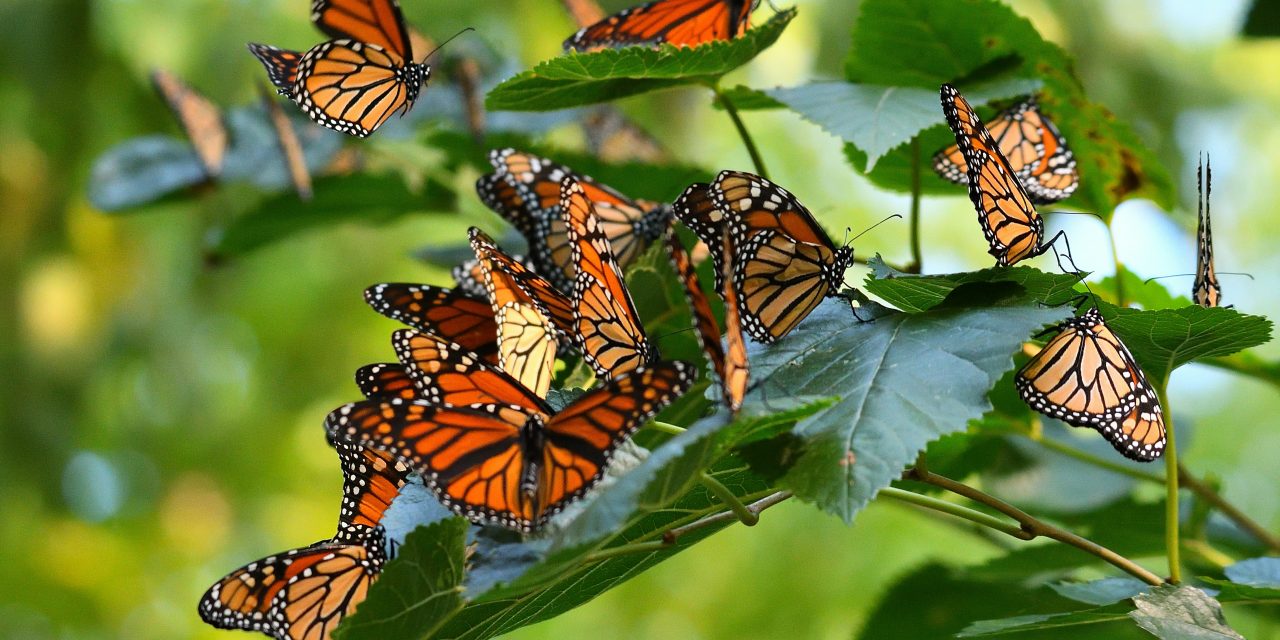
Milkweed (Asclepias spp.) plays a pivotal role in the life cycle of Monarch butterflies (Danaus plexippus), serving as the exclusive host plant for their larvae. This relationship is symbiotic; while the caterpillars rely on milkweed for nourishment, the plant benefits from the butterflies’ pollination activities. Monarchs are known for their remarkable migratory patterns, traveling thousands of miles from North America to central Mexico. However, their populations have been declining due to habitat loss, pesticide use, and climate change. By cultivating milkweed, gardeners can contribute significantly to the conservation of these iconic insects.
The significance of milkweed extends beyond its role as a food source. The plant contains toxic compounds called cardenolides, which make the caterpillars distasteful to predators. This chemical defense mechanism not only protects the larvae but also enhances the survival of adult butterflies. By planting milkweed, individuals can create a sanctuary that supports not only Monarchs but also a diverse array of pollinators, thereby promoting biodiversity in their local ecosystems.
Choosing the Right Milkweed Species for Your Region
Selecting the appropriate milkweed species is crucial for successful cultivation and attracting Monarch butterflies. There are over 100 species of milkweed native to North America, each adapted to specific environmental conditions. For instance, Common Milkweed (Asclepias Syriaca) thrives in moist, well-drained soils and is often found in fields and roadside areas. Conversely, Butterfly Milkweed (Asclepias tuberosa) prefers drier, sandy soils and is characterized by its vibrant orange flowers.
When choosing a species, consider your local climate, soil type, and available sunlight. For regions with cooler temperatures, Swamp Milkweed (Asclepias incarnata) is an excellent choice due to its tolerance for wet conditions. In contrast, if you reside in arid areas, Narrowleaf Milkweed (Asclepias fascicularis) may be more suitable. Researching native species ensures that your garden will flourish while providing the necessary habitat for Monarchs.
Selecting the Ideal Location in Your Garden

The location of your milkweed plants is paramount for their growth and attractiveness to Monarch butterflies. Ideally, select a site that receives full sun for at least six hours a day, as milkweed thrives in bright light conditions. Additionally, ensure that the area is sheltered from strong winds, which can damage delicate plants and deter butterflies from visiting.
Consider proximity to other flowering plants that attract pollinators. A diverse garden with various nectar sources will create an inviting environment for Monarchs and other beneficial insects. Furthermore, avoid areas with heavy foot traffic or disturbances that could disrupt the butterflies’ natural behaviors. By carefully selecting the right location, you can maximize the chances of attracting these beautiful creatures to your garden.
Preparing the Soil for Planting Milkweed

Soil preparation is a critical step in establishing a healthy milkweed garden. Begin by testing your soil’s pH level; milkweed prefers slightly acidic to neutral soil (pH 6.0-7.0). If necessary, amend the soil with organic matter such as compost or well-rotted manure to improve its structure and nutrient content. This will enhance drainage and provide essential nutrients for optimal growth.
Additionally, ensure that the planting area is free from weeds and debris that could compete with milkweed for resources. Tilling the soil to a depth of at least 12 inches will help aerate it and promote root development. Incorporating mulch around the base of the plants after planting can help retain moisture and suppress weed growth, creating an ideal environment for milkweed to thrive.
How to Start Milkweed from Seeds
Starting milkweed from seeds is an effective way to cultivate this essential plant in your garden. Begin by stratifying seeds to mimic natural winter conditions; this process involves placing seeds in a damp paper towel inside a plastic bag and refrigerating them for 30 days. This cold treatment enhances germination rates by breaking dormancy.
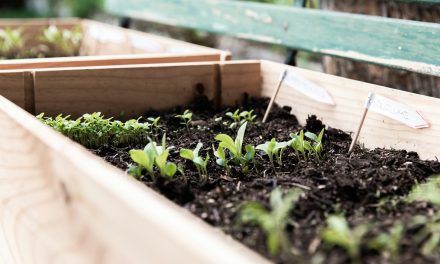
Once stratification is complete, sow seeds directly into prepared soil in early spring or start them indoors 6-8 weeks before the last frost date. Plant seeds about ¼ inch deep and space them approximately 12-18 inches apart to allow for adequate growth. Keep the soil consistently moist until seedlings emerge, which typically occurs within 10-20 days. By following these steps, you can successfully propagate milkweed and contribute to Monarch conservation efforts.
Transplanting Milkweed Seedlings Successfully
Transplanting milkweed seedlings requires careful handling to ensure their survival and continued growth. When seedlings reach about 4-6 inches tall and have developed several true leaves, they are ready for transplanting outdoors. Choose a cloudy day or transplant in the late afternoon to minimize stress on the young plants.
Before transplanting, prepare the new planting site by digging holes that are slightly larger than the root ball of each seedling. Gently remove seedlings from their containers, taking care not to damage the roots. Place each seedling in its hole at the same depth it was growing previously and backfill with soil, ensuring there are no air pockets around the roots. Water thoroughly after transplanting to help settle the soil and promote root establishment.
Watering and Fertilizing Tips for Healthy Growth
Proper watering and fertilization are essential for maintaining healthy milkweed plants. During the first few weeks after planting or transplanting, ensure that seedlings receive consistent moisture without becoming waterlogged. Once established, milkweed is relatively drought-tolerant; however, regular watering during dry spells will promote vigorous growth and flowering.
Fertilization should be approached with caution; excessive nitrogen can lead to lush foliage at the expense of flower production. A balanced fertilizer with equal parts nitrogen, phosphorus, and potassium can be applied sparingly in early spring as new growth emerges. Alternatively, organic options such as compost or well-rotted manure can provide nutrients without overwhelming the plants.
Managing Pests and Diseases Naturally
While milkweed is generally resilient, it can be susceptible to certain pests and diseases that may threaten its health. Common pests include aphids, spider mites, and caterpillars of non-native species that may compete with Monarch larvae for resources. To manage these pests naturally, introduce beneficial insects such as ladybugs or lacewings that prey on aphids.
Regularly inspect plants for signs of infestation or disease symptoms such as yellowing leaves or wilting stems. If pests are detected, consider using insecticidal soap or neem oil as organic treatment options that are less harmful to beneficial insects and pollinators. Maintaining healthy soil through proper watering and fertilization will also bolster plant resilience against diseases.
Encouraging Monarch Butterflies to Visit Your Milkweed
To attract Monarch butterflies to your garden, create an inviting environment that meets their needs throughout their life cycle. In addition to planting milkweed, incorporate a variety of nectar-rich flowers that bloom at different times throughout the growing season. Species such as coneflowers (Echinacea), black-eyed Susans (Rudbeckia), and zinnias provide essential food sources for adult butterflies.
Minimize pesticide use in your garden to ensure a safe habitat for Monarchs and other beneficial insects. Additionally, consider providing shallow water sources such as birdbaths or small dishes filled with pebbles and water where butterflies can drink without drowning. By fostering a diverse ecosystem that supports all stages of Monarch development, you can significantly increase their presence in your garden.
Harvesting Milkweed Seeds for Future Planting
Harvesting milkweed seeds is a rewarding process that allows gardeners to propagate new plants while contributing to conservation efforts. As seed pods mature in late summer or early fall, they will turn brown and begin to split open when ready for harvest. Collect pods before they fully open to prevent seeds from dispersing into the wind.
Once harvested, allow pods to dry in a cool, dark place before extracting seeds. Each pod contains numerous silky seeds that can be stored in paper envelopes or airtight containers until ready for planting in spring. Label containers with species names and harvest dates for easy identification later on.
Creating a Sustainable Habitat for Monarchs Year-Round
Establishing a sustainable habitat for Monarch butterflies requires thoughtful planning and ongoing care throughout the year. In addition to planting milkweed and nectar-rich flowers, consider incorporating native shrubs and trees that provide shelter and overwintering sites for adult butterflies. Creating diverse layers within your garden will enhance habitat complexity and support various wildlife species.
Implementing sustainable gardening practices such as composting, mulching, and minimizing chemical inputs will promote soil health and biodiversity within your ecosystem. Additionally, consider participating in local conservation initiatives or citizen science projects focused on Monarch monitoring and habitat restoration efforts.
In summary, cultivating milkweed is essential for supporting Monarch butterfly populations while enhancing biodiversity in local ecosystems. By selecting appropriate species, preparing suitable locations, managing pests naturally, and creating sustainable habitats year-round, gardeners can play a vital role in conserving these remarkable insects for future generations.
FAQs
What type of milkweed is best for attracting monarch butterflies?
Common milkweed (Asclepias Syriaca) and butterfly weed (Asclepias tuberosa) are two of the best types of milkweed for attracting monarch butterflies. Common milkweed is known for its large clusters of pink flowers, while butterfly weed features bright orange flowers. Both varieties provide essential food sources for monarch caterpillars and adult butterflies.
When is the best time to plant milkweed?
The best time to plant milkweed is in the spring after the last frost or in the fall before the first frost. Planting in spring allows the milkweed to establish roots during the growing season, while fall planting gives the plants a head start in the spring as they will already be established when warmer weather arrives.
How much sunlight does milkweed need?
Milkweed plants thrive in full sun, requiring at least 6 to 8 hours of direct sunlight each day. Adequate sunlight is crucial for healthy growth and flowering, which in turn attracts monarch butterflies to your garden.
How do I care for milkweed once it’s planted?
Once planted, milkweed requires minimal care. Water the plants regularly, especially during dry spells, but avoid overwatering. Mulching can help retain moisture and suppress weeds. Additionally, deadheading spent flowers can encourage more blooms throughout the growing season.
Can I grow milkweed from seeds, and how do I do it?
Yes, you can grow milkweed from seeds. To do so, collect seeds in the fall and store them in a cool, dry place. Before planting, cold stratify the seeds by placing them in the refrigerator for 30 days. Then, sow the seeds in spring, either directly in the garden or in seed trays, and keep the soil moist until germination occurs.