Indoor plants have surged in popularity over the past few years, becoming a staple in homes and offices alike. Their ability to enhance aesthetic appeal while improving air quality makes them an ideal choice for novice gardeners. For beginners, the allure of nurturing living organisms without the complexities of outdoor gardening is particularly enticing. Indoor plants not only beautify spaces but also contribute to mental well-being by reducing stress and promoting a sense of tranquility.
Moreover, the variety of indoor plants available caters to different preferences and environmental conditions. From low-light tolerant species to those that thrive in bright sunlight, there is a plant for every beginner. The act of caring for these green companions fosters a sense of responsibility and accomplishment, making it an enriching experience. This article will explore several beginner-friendly indoor plants, detailing their unique characteristics, care requirements, and benefits.
Aloe vera is not only a popular indoor plant known for its air-purifying qualities and soothing gel, but it can also be susceptible to pests if not cared for properly. To ensure your aloe remains healthy and bug-free, you might find it helpful to explore some effective pest prevention strategies. For more information on keeping your indoor plants safe from unwanted insects, check out this article on easy DIY pest prevention solutions: 10 Easy DIY Pest Prevention Solutions for a Bug-Free Home.
Aloe Vera: The Healing Plant That’s Easy to Grow
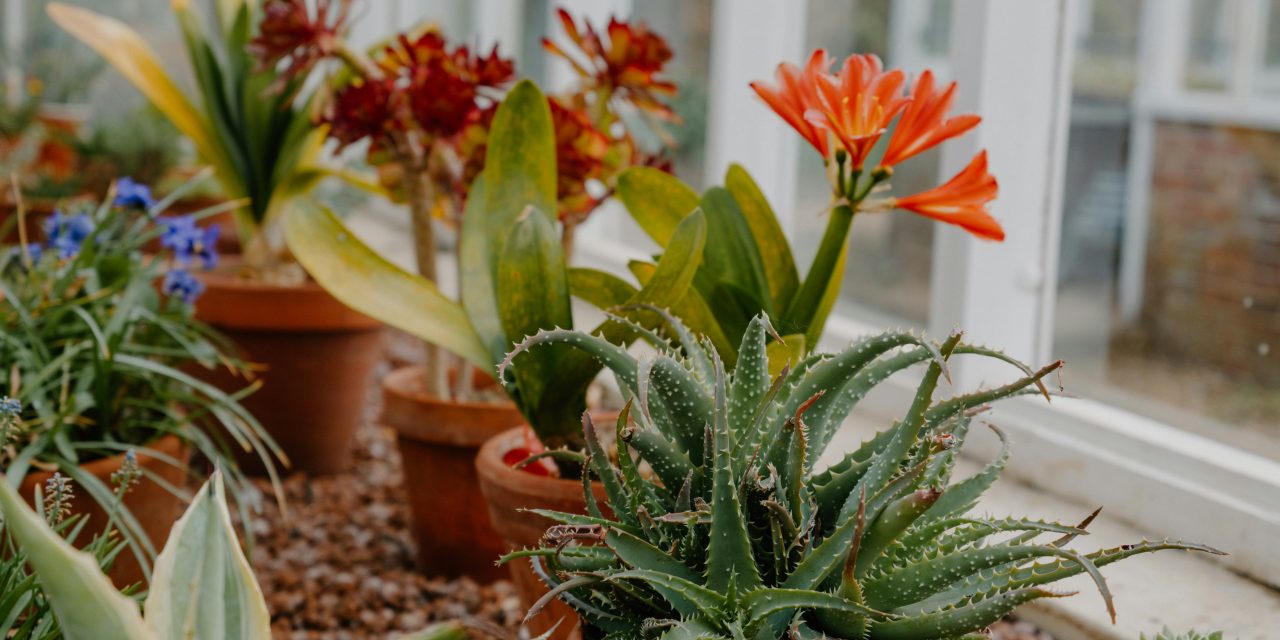
Aloe Vera is renowned for its medicinal properties, particularly its soothing gel that can be applied to minor burns and skin irritations. This succulent is not only beneficial for health but also remarkably easy to cultivate, making it an excellent choice for beginners. Aloe Vera thrives in well-draining soil and requires minimal watering, as it stores moisture in its fleshy leaves. Ideally, it should be placed in a location that receives indirect sunlight, as direct exposure can scorch its leaves.
In addition to its healing properties, Aloe Vera is a resilient plant that can adapt to various indoor conditions. It typically grows to a height of 1-2 feet and can produce offsets or “pups,” which can be propagated to create new plants. Regularly checking for pests such as mealybugs or aphids is essential, although these issues are rare. With proper care, Aloe Vera can live for many years, providing both aesthetic appeal and health benefits.
Snake Plant: The Low-Maintenance Air Purifier

The Snake Plant, also known as Sansevieria or Mother-in-Law’s Tongue, is celebrated for its striking architectural form and air-purifying qualities. This hardy plant can tolerate low light levels and infrequent watering, making it an ideal choice for those who may forget to tend to their greenery regularly. Snake Plants are particularly effective at filtering indoor air pollutants such as formaldehyde and benzene, contributing to a healthier living environment.
Growing up to 4 feet tall, the Snake Plant features long, upright leaves that can vary in color from deep green to variegated patterns. It thrives in well-draining soil and prefers to dry out between waterings. While it is generally pest-resistant, occasional infestations of spider mites or mealybugs may occur. To maintain its health, simply wipe the leaves with a damp cloth to remove dust and enhance photosynthesis.
ZZ Plant: Tough and Resilient for Any Space

The ZZ Plant (Zamioculcas zamiifolia) is a remarkable specimen known for its glossy leaves and exceptional resilience. This plant can thrive in low-light conditions and requires minimal watering, making it perfect for beginners or those with busy lifestyles. Its ability to tolerate neglect and drought makes it one of the most forgiving houseplants available.
ZZ Plants can grow up to 3 feet tall and feature thick stems adorned with oval-shaped leaves that exhibit a rich green hue. They prefer well-draining soil and should be watered only when the top inch of soil feels dry. While ZZ Plants are generally pest-resistant, they can occasionally attract scale insects or fungus gnats. Regularly inspecting the plant and maintaining proper watering practices will help prevent these issues.
Aloe indoor plants are not only popular for their aesthetic appeal but also for their air-purifying qualities. If you’re interested in enhancing your indoor environment, you might find it helpful to explore how to maintain a healthy living space for your pets as well. For instance, keeping your home clean is essential, and you can learn more about this in a related article that discusses important tips for ear cleaning in dogs and cats. You can read it here. By ensuring both your plants and pets are well cared for, you create a harmonious home.
Spider Plant: The Classic Beginner’s Favorite
The Spider Plant (Chlorophytum comosum) has long been a favorite among novice gardeners due to its charming appearance and ease of care. Characterized by its arching green leaves with white stripes, this plant produces “baby” spiderettes that can be propagated easily. Spider Plants thrive in bright, indirect light but can also adapt to lower light conditions.
This resilient plant prefers well-draining potting soil and should be watered when the top inch feels dry. Spider Plants are known for their air-purifying abilities, effectively removing toxins such as carbon monoxide and xylene from indoor environments. While they are generally pest-resistant, occasional infestations of aphids or spider mites may occur. Regularly checking the undersides of leaves and maintaining humidity levels can help mitigate these issues.
Pothos: The Fast-Growing Vine for Any Room
Pothos (Epipremnum aureum) is a versatile vine that has gained immense popularity among indoor plant enthusiasts. Known for its heart-shaped leaves that come in various shades of green and variegation patterns, Pothos is incredibly easy to grow and propagate. This plant thrives in a range of lighting conditions, from low light to bright indirect sunlight.
Pothos can grow several feet long, making it an excellent choice for hanging baskets or trailing down shelves. It prefers well-draining soil and should be watered when the top inch feels dry. Pothos is also known for its air-purifying properties, effectively removing indoor pollutants such as formaldehyde and xylene. While generally resistant to pests, occasional infestations of mealybugs or spider mites may occur; regular inspections will help catch these issues early.
Peace Lily: Beautiful Blooms with Minimal Care
The Peace Lily (Spathiphyllum) is celebrated not only for its elegant white blooms but also for its air-purifying capabilities. This plant thrives in low-light conditions and requires minimal maintenance, making it an excellent choice for beginners seeking both beauty and functionality in their indoor spaces. Peace Lilies prefer consistently moist soil but should not be overwatered; allowing the top inch of soil to dry out between waterings is ideal.
Typically growing between 1-4 feet tall, Peace Lilies produce stunning white flowers that bloom throughout the year under optimal conditions. They are effective at removing toxins such as ammonia and benzene from indoor air. While generally pest-resistant, they may occasionally attract aphids or spider mites; regular monitoring will help prevent infestations.
Rubber Plant: Stylish and Sturdy Greenery
The Rubber Plant (Ficus elastica) is a striking addition to any indoor space with its large, glossy leaves that can reach up to 12 inches in length. This plant is known for its ability to adapt to various lighting conditions but thrives best in bright, indirect light. Rubber Plants prefer well-draining soil and should be watered when the top inch feels dry; overwatering can lead to root rot.
Rubber Plants are also recognized for their air-purifying properties, effectively filtering indoor pollutants such as formaldehyde. They can grow quite tall—up to 8 feet—making them an excellent choice for adding height to a room’s decor. While they are generally resistant to pests, occasional infestations of scale insects or spider mites may occur; regular inspections will help maintain their health.
Philodendron: Adaptable and Attractive Foliage
Philodendrons are a diverse group of plants known for their attractive foliage and adaptability to various indoor environments. With heart-shaped leaves that come in various sizes and colors, Philodendrons are perfect for beginners looking to add greenery without extensive care requirements. They thrive in bright, indirect light but can tolerate lower light levels as well.
These plants prefer well-draining soil and should be watered when the top inch feels dry; overwatering can lead to root rot. Philodendrons are also effective at purifying indoor air by removing toxins such as formaldehyde and xylene. While they are generally pest-resistant, occasional infestations of mealybugs or aphids may occur; regular monitoring will help catch these issues early.
Jade Plant: The Succulent That Brings Good Luck
The Jade Plant (Crassula ovata), often referred to as the “money tree,” is a popular succulent known for its thick, fleshy leaves that symbolize prosperity and good fortune. This plant is exceptionally easy to care for, making it an ideal choice for beginners seeking low-maintenance greenery. Jade Plants thrive in bright sunlight but can also adapt to lower light conditions.
Typically growing up to 3 feet tall, Jade Plants prefer well-draining soil and should be watered sparingly; allowing the soil to dry out completely between waterings is crucial to prevent root rot. Jade Plants are generally resistant to pests but may occasionally attract mealybugs or aphids; regular inspections will help maintain their health.
Tips for Caring for Your Indoor Plants Successfully
Caring for indoor plants successfully involves understanding their specific needs while maintaining a consistent routine. Here are some essential tips:
1. **Lighting**: Assess the lighting conditions in your home before selecting plants; some thrive in bright light while others prefer low-light environments.
2. **Watering**: Overwatering is one of the most common mistakes made by beginners; always check the top inch of soil before watering.
3. **Humidity**: Many indoor plants benefit from higher humidity levels; consider using a humidifier or placing a tray of water near your plants.
4. **Fertilization**: During the growing season (spring and summer), consider using a balanced fertilizer every 4-6 weeks to promote healthy growth.
5. **Pest Management**: Regularly inspect your plants for signs of pests; early detection allows for more effective treatment.
6. **Repotting**: As plants grow, they may outgrow their pots; repotting every couple of years ensures they have enough space for healthy root development.
In conclusion, indoor plants offer numerous benefits while being relatively easy to care for—making them perfect companions for beginners. From Aloe Vera’s healing properties to the striking beauty of Rubber Plants, each species brings unique advantages that enhance both aesthetics and air quality within living spaces. By following proper care guidelines and understanding individual plant needs, anyone can cultivate a thriving indoor garden that contributes positively to their environment and well-being.
FAQs
What are the ideal growing conditions for an aloe indoor plant?
Aloe indoor plants thrive in bright, indirect sunlight and prefer temperatures between 60°F and 75°F (15°C to 24°C). They require well-draining soil and should be watered sparingly, allowing the soil to dry out completely between waterings.
How often should I water my aloe indoor plant?
Typically, you should water your aloe indoor plant every 2 to 3 weeks, depending on the humidity and temperature of your environment. It’s important to let the soil dry out completely before watering again to prevent root rot.
Can aloe indoor plants be propagated?
Yes, aloe indoor plants can be propagated through offsets, also known as pups. These are small plants that grow at the base of the parent plant. You can carefully separate them and replant them in their own pots once they are a few inches tall.
Are aloe indoor plants safe for pets?
No, aloe indoor plants are not safe for pets. They contain compounds that can be toxic to cats and dogs, potentially causing symptoms such as vomiting, diarrhea, and lethargy if ingested.
What pests are commonly associated with aloe indoor plants?
Aloe indoor plants can be susceptible to pests such as mealybugs, aphids, and spider mites. Regularly inspecting your plant and maintaining proper care can help prevent infestations. If pests are found, they can often be removed with a gentle soap solution or by wiping the leaves with a damp cloth.