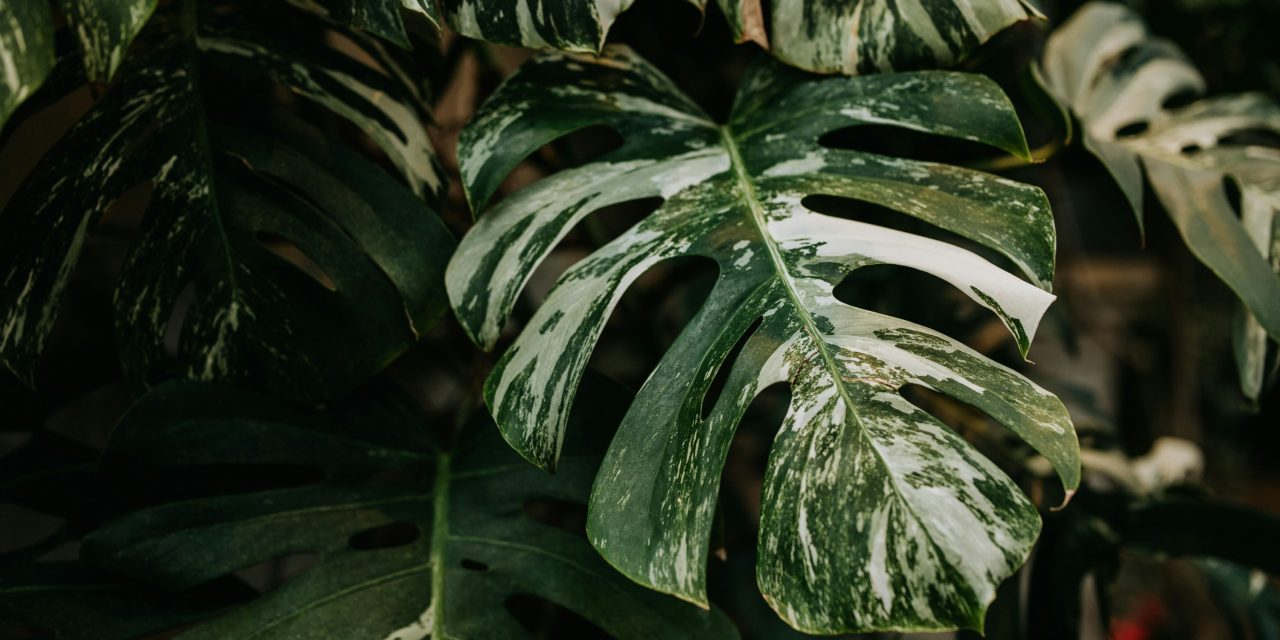
Monstera plants, scientifically known as Monstera deliciosa, are renowned for their striking foliage and ability to thrive in various indoor environments. However, one of the most common issues faced by plant enthusiasts is the browning of Monstera leaves. This phenomenon can be alarming, as it often signifies underlying health problems that require immediate attention. Browning can manifest in various forms, including tips turning brown, entire leaves becoming discolored, or even premature leaf drop. Understanding the causes of leaf browning is crucial for maintaining the health and vitality of these tropical beauties.
The browning of Monstera leaves can stem from a multitude of factors, ranging from environmental conditions to care practices. Identifying the root cause is essential for implementing effective solutions. In this article, we will delve into the primary reasons behind leaf browning, explore preventive measures, and discuss treatment options to restore your Monstera to its lush, green glory.
Reason 1: Overwatering and Its Effects on Monstera Leaves
Overwatering is one of the most prevalent causes of leaf browning in Monstera plants. When the soil remains excessively saturated, it creates an anaerobic environment that hampers root respiration. This condition can lead to root suffocation and ultimately root rot, a serious ailment that can compromise the plant’s overall health. Symptoms of overwatering often include yellowing leaves, wilting, and brown tips or edges.
To mitigate the effects of overwatering, it is imperative to establish a proper watering schedule. The frequency of watering should be adjusted based on environmental factors such as temperature, humidity, and light exposure. A general rule of thumb is to allow the top inch of soil to dry out before rehydrating the plant. Additionally, ensuring that your pot has adequate drainage holes will facilitate excess water escape, preventing waterlogged conditions.
Reason 2: Underwatering Leading to Brown Leaf Tips

Conversely, underwatering can also lead to browning in Monstera leaves. When a plant does not receive sufficient moisture, it begins to conserve water by sacrificing older leaves, resulting in brown tips or edges. Underwatered plants may exhibit signs of stress such as drooping leaves and a general lack of vigor.
To prevent underwatering, it is essential to monitor soil moisture levels regularly. Utilizing a moisture meter can provide accurate readings of soil hydration. Additionally, establishing a consistent watering routine based on the plant’s needs will help maintain optimal moisture levels. During hotter months or periods of increased light exposure, plants may require more frequent watering to compensate for increased evaporation rates.
Reason 3: Low Humidity and Dry Air Problems

Monstera plants thrive in humid environments that mimic their native tropical habitats. Low humidity levels can lead to desiccation of leaf tissues, resulting in browning and curling edges. This issue is particularly prevalent in indoor settings where heating or air conditioning systems can significantly reduce humidity levels.
To combat low humidity, consider employing several strategies to increase moisture in the air around your Monstera. Utilizing a humidifier can effectively raise humidity levels in a room. Alternatively, placing a tray filled with water and pebbles beneath the plant can create a microclimate that enhances humidity through evaporation. Regular misting of the leaves can also provide temporary relief from dry air conditions.
Reason 4: Excessive Direct Sunlight Causing Leaf Scorch
While Monstera plants enjoy bright, indirect light, exposure to excessive direct sunlight can lead to leaf scorch—a condition characterized by brown patches or crispy edges on leaves. This damage occurs when intense sunlight causes leaf tissues to dry out and become necrotic.
To prevent leaf scorch, it is crucial to position your Monstera in an area where it receives filtered light rather than direct sun exposure. Sheer curtains or blinds can help diffuse harsh sunlight while still allowing adequate brightness for photosynthesis. If your plant is already showing signs of scorch, consider relocating it to a more suitable location with indirect light.
Reason 5: Nutrient Deficiencies Impacting Leaf Health
Nutrient deficiencies can significantly impact the overall health of Monstera leaves, leading to browning and other symptoms. Essential nutrients such as nitrogen, potassium, and magnesium play vital roles in leaf development and overall plant vigor. A lack of these nutrients can result in poor growth and discoloration.
To address nutrient deficiencies, consider implementing a balanced fertilization regimen during the growing season (spring and summer). A high-quality liquid fertilizer formulated for houseplants can provide essential nutrients that promote healthy foliage. Additionally, conducting a soil test can help identify specific nutrient deficiencies and guide appropriate amendments.
Reason 6: Pest Infestations and Their Role in Browning
Pest infestations are another common culprit behind browning leaves in Monstera plants. Pests such as spider mites, aphids, and mealybugs feed on plant sap, leading to weakened foliage and potential browning. Infestations may also introduce secondary infections that exacerbate leaf damage.
Regularly inspecting your Monstera for signs of pests is crucial for early detection and intervention. If pests are identified, treating the plant with insecticidal soap or neem oil can effectively eliminate infestations while minimizing harm to the plant. Additionally, maintaining good air circulation around your Monstera can help deter pests from establishing themselves.
Reason 7: Root Rot and Its Consequences for Monstera Leaves
Root rot is a severe condition that arises from prolonged overwatering or poorly draining soil. When roots become compromised by fungal pathogens due to excess moisture, they lose their ability to absorb water and nutrients effectively. This condition often manifests as browning leaves and stunted growth.
To address root rot, it is essential to act swiftly by removing the affected plant from its pot and inspecting the roots for signs of decay. Healthy roots should appear firm and white, while rotting roots will be mushy and brown. Trim away any damaged roots using sterilized scissors and repot the plant in fresh, well-draining soil. Adjusting your watering practices will also be crucial in preventing future occurrences.
How to Properly Water Your Monstera to Prevent Browning
Proper watering techniques are fundamental in preventing browning leaves in Monstera plants. Begin by assessing the moisture level of the soil before watering; this can be done by inserting your finger into the soil up to an inch deep. If it feels dry at this depth, it is time to water.
When watering your Monstera, ensure that you provide enough water until it drains out of the bottom of the pot—this ensures that all roots receive adequate hydration. Avoid letting the plant sit in standing water, as this can lead to root rot. During periods of growth (spring and summer), you may need to increase watering frequency based on environmental conditions.
Adjusting Light and Humidity Conditions for Optimal Growth
Creating an optimal environment for your Monstera involves adjusting both light and humidity levels. Aim for bright but indirect light; placing your plant near a window with filtered sunlight is ideal. If natural light is insufficient, consider using grow lights designed for indoor plants.
Humidity levels should ideally range between 40% to 60% for optimal growth. If your home has low humidity levels, consider grouping plants together or using pebble trays filled with water beneath pots to enhance moisture levels around your Monstera. Regularly monitoring humidity with a hygrometer can help you maintain ideal conditions.
Tips for Treating Pests and Reviving Brown Monstera Leaves
If your Monstera has been affected by pests or shows signs of browning leaves, prompt action is necessary for recovery. Begin by isolating the affected plant to prevent pest spread to other houseplants. Use insecticidal soap or neem oil as a treatment option; these organic solutions are effective against various pests while being gentle on the plant.
For brown leaves that are not salvageable, prune them back using sterilized scissors to encourage new growth and improve overall aesthetics. Ensure that you continue providing proper care—adequate watering, optimal light conditions, and regular fertilization—to support recovery.
In summary, understanding the causes behind Monstera leaf browning is essential for maintaining healthy plants. By addressing issues such as overwatering, underwatering, low humidity, excessive sunlight exposure, nutrient deficiencies, pest infestations, and root rot through appropriate care practices and treatments, you can ensure your Monstera thrives beautifully in your home environment. Regular monitoring and adjustments will go a long way in preventing future problems and promoting lush foliage growth.
FAQs
What causes the leaves of my Monstera to turn brown?
Browning leaves on a Monstera can be caused by several factors, including underwatering, overwatering, low humidity, or exposure to direct sunlight. Each of these conditions can stress the plant, leading to discoloration and damage to the leaves.
How can I tell if my Monstera is underwatered?
Signs of underwatering include dry, crispy leaf edges and a general droopy appearance. If the soil feels dry several inches down and the leaves are curling or wilting, it is likely that your Monstera needs more water.
What should I do if my Monstera is overwatered?
If you suspect overwatering, check the soil for excessive moisture and drainage. Allow the soil to dry out before watering again, and consider repotting the plant in fresh, well-draining soil to prevent root rot.
Is low humidity a reason for browning leaves on my Monstera?
Yes, Monstera plants thrive in high humidity environments. If the air in your home is too dry, especially during winter months, the leaves may develop brown tips or edges. Increasing humidity through misting, a humidifier, or placing the plant on a pebble tray can help.
Can direct sunlight cause my Monstera leaves to turn brown?
Yes, direct sunlight can scorch Monstera leaves, leading to brown patches or edges. These plants prefer bright, indirect light. If your Monstera is in direct sunlight, consider moving it to a location with filtered light to prevent further damage.