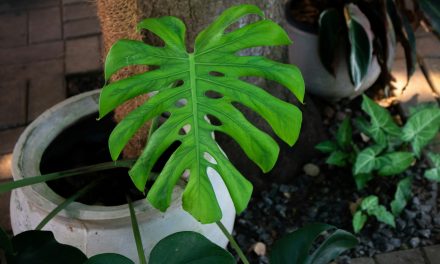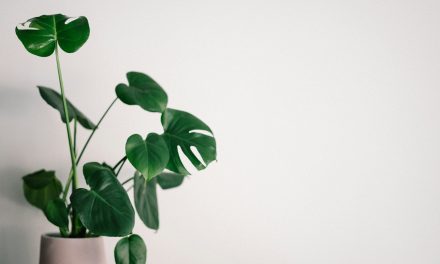
Monstera plants, particularly Monstera deliciosa, are renowned for their striking foliage, characterized by large, split leaves that evoke a sense of tropical allure. The phenomenon of leaf splitting, or fenestration, serves a crucial purpose in the plant’s adaptation to its natural habitat. In the wild, these splits allow sunlight to penetrate deeper into the canopy, enabling the plant to thrive in densely vegetated areas. This evolutionary trait not only maximizes light absorption but also minimizes wind resistance, thereby enhancing the plant’s survival.
The process of leaf splitting is influenced by various environmental factors, including light exposure, humidity levels, and overall plant health. When a Monstera is provided with optimal conditions, it is more likely to develop these iconic splits. Conversely, inadequate care can lead to underdeveloped leaves that lack the characteristic fenestrations. Understanding the underlying reasons for leaf splitting is essential for any enthusiast aiming to cultivate a thriving Monstera.
Choosing the Right Monstera Variety for Leaf Splitting
Selecting the appropriate Monstera variety is paramount for achieving the desired aesthetic of split leaves. While Monstera deliciosa is the most recognized species for its dramatic foliage, other varieties such as Monstera adansonii and Monstera obliqua also exhibit unique leaf characteristics. Monstera adansonii, often referred to as the “Swiss cheese plant,” features smaller leaves with numerous holes but may not develop splits as prominently as its larger counterpart.
When choosing a variety, consider factors such as growth habits and environmental adaptability. Monstera deliciosa thrives in a range of conditions but requires ample space to grow. In contrast, Monstera adansonii is more compact and suitable for smaller spaces. Understanding these distinctions will help you select a variety that aligns with your aesthetic preferences and care capabilities.
Providing Optimal Light Conditions
Light exposure plays a pivotal role in the development of split leaves in Monstera plants. Ideally, these tropical beauties flourish in bright, indirect sunlight. Direct sunlight can scorch their leaves, leading to damage and stunted growth. Conversely, insufficient light can hinder the plant’s ability to produce fenestrations altogether. A well-lit environment encourages robust growth and enhances the likelihood of leaf splitting.
To achieve optimal light conditions, consider placing your Monstera near a window that receives filtered sunlight. If natural light is limited, supplemental grow lights can be employed to mimic ideal conditions. Regularly rotating the plant can also ensure even light distribution across all leaves, promoting balanced growth and enhancing the chances of developing those coveted splits.
Maintaining Proper Humidity Levels
Humidity is another critical factor influencing the health and appearance of Monstera leaves. These plants thrive in humid environments, typically found in their native tropical habitats. Low humidity levels can lead to dry leaf edges and hinder the development of fenestrations. Ideally, maintaining humidity levels between 60% and 80% will create an environment conducive to healthy growth.
To enhance humidity around your Monstera, consider using a humidifier or placing a tray filled with water and pebbles beneath the pot. Grouping plants together can also create a microclimate with increased humidity levels. Regular misting can provide temporary relief but should not be relied upon as the sole method for maintaining humidity.
Watering Techniques to Promote Healthy Growth
Proper watering techniques are essential for promoting healthy growth in Monstera plants. Overwatering can lead to root rot, while underwatering can cause stress and hinder leaf development. The key is to strike a balance by allowing the top inch of soil to dry out between waterings. This practice encourages healthy root growth and prevents waterlogged conditions.
When watering your Monstera, ensure that excess water drains freely from the pot’s bottom. Using pots with drainage holes is crucial for preventing water accumulation. Additionally, consider using room-temperature water to avoid shocking the roots. Monitoring soil moisture levels with a moisture meter can provide valuable insights into when to water your plant effectively.
Using Fertilizers to Encourage Leaf Development
Fertilization plays a significant role in supporting healthy leaf development in Monstera plants. During the growing season, typically spring and summer, applying a balanced liquid fertilizer every four to six weeks can provide essential nutrients that promote robust growth and enhance leaf splitting. Look for fertilizers rich in nitrogen, phosphorus, and potassium—key macronutrients that support overall plant health.
Organic options such as fish emulsion or seaweed extract can also be beneficial for providing micronutrients and promoting microbial activity in the soil. However, it’s essential to avoid over-fertilizing, as this can lead to nutrient burn and negatively impact leaf development. Always follow package instructions and adjust based on your plant’s specific needs.
Ensuring Adequate Air Circulation
Air circulation is often an overlooked aspect of plant care that significantly impacts Monstera health and growth. Stagnant air can lead to increased humidity levels around the foliage, creating an environment conducive to fungal diseases and pests. Ensuring adequate airflow helps maintain optimal humidity levels while reducing the risk of disease.
To promote air circulation around your Monstera, avoid overcrowding plants and ensure they have enough space between them. Placing a small fan nearby can also help improve airflow without causing drafts that may stress the plant. Regularly inspecting leaves for signs of pests or disease will allow for early intervention if issues arise.
Pruning Tips to Stimulate Leaf Splitting
Pruning is an essential practice that not only maintains the aesthetic appeal of your Monstera but also stimulates new growth and encourages leaf splitting. By removing dead or yellowing leaves and cutting back leggy growth, you redirect the plant’s energy toward producing new foliage with potential fenestrations.
When pruning, use clean, sharp scissors or pruning shears to make precise cuts just above a node or leaf joint. This technique encourages branching and promotes bushier growth. Additionally, consider pruning during the growing season when the plant is actively producing new leaves for optimal results.
Repotting for Root Health and Growth
Repotting is a crucial aspect of maintaining healthy Monstera plants, particularly as they grow larger and their root systems become more extensive. A pot that is too small can restrict root growth and hinder overall plant health. Ideally, repot your Monstera every 1-2 years or when you notice roots emerging from drainage holes.
When repotting, choose a pot that is one size larger than the current one and ensure it has adequate drainage holes. Use a well-draining potting mix that retains moisture while allowing excess water to escape. Gently loosen any tightly bound roots during repotting to encourage healthy growth in their new environment.
Managing Temperature for Ideal Growth
Temperature plays a vital role in the overall health of Monstera plants. These tropical species thrive in temperatures ranging from 65°F to 85°F (18°C to 29°C). Exposure to extreme temperatures—either too hot or too cold—can stress the plant and inhibit growth.
To maintain ideal temperatures, avoid placing your Monstera near drafts from windows or air conditioning vents. During colder months, consider using a heat mat if indoor temperatures drop significantly. Monitoring temperature fluctuations will help ensure your plant remains within its preferred range.
Monitoring and Preventing Pests and Diseases
Regular monitoring for pests and diseases is essential for maintaining the health of your Monstera plants. Common pests such as spider mites, mealybugs, and aphids can wreak havoc on foliage if left unchecked. Signs of infestation include discolored leaves, webbing, or sticky residue on surfaces.
To prevent pest issues, regularly inspect your plants and maintain proper care practices such as adequate air circulation and humidity levels. If pests are detected, treat them promptly with insecticidal soap or neem oil spray. Additionally, practicing good hygiene by cleaning pots and tools will help minimize disease transmission.
In summary, cultivating a thriving Monstera with beautifully split leaves requires attention to various factors including light conditions, humidity levels, watering techniques, fertilization practices, air circulation, pruning strategies, repotting schedules, temperature management, and pest monitoring. By understanding these elements and implementing effective care strategies, you can enjoy the stunning foliage that makes Monstera plants so desirable among indoor gardeners.
**FAQ Section**
1. **What causes Monstera leaves to split?**
– Leaf splitting occurs due to environmental factors such as light exposure and humidity levels that mimic natural conditions found in tropical habitats.
2. **How often should I water my Monstera?**
– Water when the top inch of soil feels dry; typically every 1-2 weeks depending on environmental conditions.
3. **What type of fertilizer should I use?**
– A balanced liquid fertilizer rich in nitrogen, phosphorus, and potassium is ideal during the growing season.
4. **How do I know if my Monstera needs repotting?**
– Signs include roots emerging from drainage holes or stunted growth despite proper care.
5. **Can I propagate my Monstera?**
– Yes! You can propagate through stem cuttings placed in water or soil until roots develop.
6. **What pests should I watch out for?**
– Common pests include spider mites, mealybugs, aphids, and scale insects.
7. **How do I increase humidity for my Monstera?**
– Use a humidifier or place a pebble tray filled with water beneath the pot; grouping plants together also helps.
8. **Is direct sunlight harmful to my Monstera?**
– Yes; direct sunlight can scorch leaves; bright indirect light is ideal.
9. **What temperature range is best for my Monstera?**
– Maintain temperatures between 65°F to 85°F (18°C to 29°C) for optimal growth.
10. **How do I prune my Monstera correctly?**
– Use clean scissors to cut above nodes or leaf joints; remove dead or yellowing leaves to encourage new growth.
In conclusion, nurturing a Monstera plant involves understanding its unique needs related to light exposure, humidity levels, watering practices, fertilization strategies, air circulation requirements, pruning techniques, repotting schedules, temperature management, and pest control measures. By adhering to these guidelines diligently, you can cultivate a vibrant Monstera that showcases its stunning split leaves while thriving in your indoor space.
FAQs
What conditions are necessary for Monstera leaves to split?
Monstera leaves typically split when they are exposed to bright, indirect light, have adequate humidity, and are grown in well-draining soil. Providing these conditions mimics their natural tropical habitat, encouraging the development of fenestrations (splits) in the leaves.
How often should I water my Monstera to promote leaf splitting?
Water your Monstera when the top inch of soil feels dry to the touch. Overwatering can lead to root rot, while underwatering can stress the plant, both of which can hinder leaf development. Generally, watering every 1-2 weeks is sufficient, but this may vary based on environmental conditions.
Does fertilizing affect the splitting of Monstera leaves?
Yes, fertilizing can positively impact the growth and splitting of Monstera leaves. Using a balanced, water-soluble fertilizer every 4-6 weeks during the growing season (spring and summer) can provide essential nutrients that promote healthy leaf development and splitting.
Can pruning help in getting Monstera leaves to split?
Pruning can encourage new growth and potentially lead to more fenestrated leaves. By trimming back leggy growth or removing older leaves, you can redirect the plant’s energy towards producing new, healthier leaves that are more likely to split.
Is it normal for young Monstera leaves to be unfenestrated?
Yes, it is completely normal for young Monstera leaves to be unfenestrated. As the plant matures and grows larger, the leaves will begin to develop splits and holes. Patience is key, as it may take time for the plant to reach a size where splitting occurs.