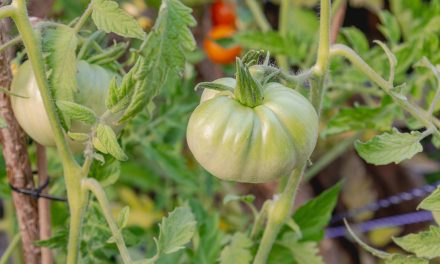
Vertical gardens, also known as living walls, have emerged as a revolutionary solution for maximizing limited space while enhancing aesthetic appeal. These innovative structures allow for the cultivation of plants in a vertical orientation, making them ideal for urban environments where ground space is at a premium. By utilizing wall-mounted planters or trellises, homeowners can create lush green spaces that not only beautify their surroundings but also improve air quality and provide insulation.
The benefits of vertical gardens extend beyond mere aesthetics. They can significantly reduce the urban heat island effect, contributing to cooler temperatures in densely populated areas. Additionally, these gardens can be designed to include a variety of plant species, from ornamental flowers to herbs and vegetables, promoting biodiversity and encouraging sustainable gardening practices. For those looking to embrace this trend, consider incorporating a drip irrigation system to ensure efficient water usage and minimize maintenance efforts.
Create a Cozy Outdoor Lounge Area
Transforming an outdoor space into a cozy lounge area can enhance the overall enjoyment of your garden or patio. By selecting comfortable seating options such as weather-resistant sofas, lounge chairs, and hammocks, you can create an inviting atmosphere that encourages relaxation and social interaction. Adding soft cushions and throws can further enhance comfort while providing a pop of color to the space.
Incorporating elements such as outdoor rugs, side tables, and fire pits can elevate the ambiance of your lounge area. Fire pits not only provide warmth during cooler evenings but also serve as a focal point for gatherings. To ensure year-round usability, consider installing a pergola or retractable awning to provide shade during hot summer days while allowing for stargazing on clear nights. This thoughtful design will create an outdoor oasis that feels like an extension of your home.
Incorporate Water Features for Serenity

Water features are an excellent addition to any landscape design, offering both aesthetic appeal and therapeutic benefits. The gentle sound of flowing water can create a serene environment, promoting relaxation and reducing stress levels. Options range from small tabletop fountains to larger koi ponds or cascading waterfalls, each providing unique visual and auditory experiences.
When designing a water feature, it is essential to consider the surrounding landscape and how it integrates with existing elements. Incorporating native plants around the water feature can enhance its natural beauty while providing habitat for local wildlife. Additionally, water features can serve as focal points in your garden, drawing the eye and creating a sense of tranquility. Regular maintenance is crucial to ensure water quality and prevent algae growth, which can detract from the feature’s beauty.
Use Colorful Flower Beds to Add Vibrancy

Colorful flower beds are an effective way to inject vibrancy into your landscape design. By selecting a diverse array of flowering plants that bloom at different times throughout the growing season, you can create a dynamic display that changes with the seasons. Consider incorporating perennials for long-lasting blooms alongside annuals for seasonal bursts of color.
Strategically placing flower beds in prominent areas of your garden can enhance visual interest and draw attention to specific features. Utilizing contrasting colors and varying heights can create depth and dimension within the flower beds. Additionally, incorporating fragrant flowers can engage multiple senses, making your outdoor space even more inviting. Regular deadheading and proper fertilization will ensure that your flower beds remain healthy and vibrant throughout the growing season.
Design Pathways with Natural Stones
Natural stone pathways are not only functional but also add an organic touch to your landscape design. These pathways guide visitors through your garden while providing a durable surface that withstands the elements. The use of materials such as flagstone, slate, or gravel can create a rustic charm that complements the surrounding flora.
When designing pathways, consider the layout and flow of foot traffic. Curved paths often feel more inviting than straight lines, encouraging exploration of your garden’s various elements. Additionally, incorporating ground cover plants or low-growing flowers along the edges of the pathway can soften the transition between hardscape and landscape, creating a harmonious blend of materials. Regular maintenance, such as weeding and replenishing gravel or stones, will keep your pathways looking pristine.
Install Ambient Lighting for Evening Ambiance
Ambient lighting plays a crucial role in extending the usability of outdoor spaces into the evening hours. Thoughtfully placed lighting fixtures can highlight key features of your landscape while creating a warm and inviting atmosphere. Options include string lights draped over pergolas, solar-powered lanterns lining pathways, or spotlights illuminating trees and sculptures.
When planning your lighting design, consider layering different types of lighting to achieve depth and dimension. Task lighting can be used for specific areas such as dining tables or lounge spaces, while accent lighting draws attention to focal points like water features or flower beds. Utilizing energy-efficient LED bulbs not only reduces energy consumption but also minimizes maintenance costs over time.
Add Raised Garden Beds for Easy Maintenance
Raised garden beds offer numerous advantages for both novice and experienced gardeners alike. These elevated structures provide better drainage, improved soil quality, and easier access for planting and harvesting. By building raised beds with rot-resistant materials such as cedar or composite lumber, you can create a long-lasting gardening solution that minimizes back strain during maintenance tasks.
Incorporating raised beds into your landscape design allows for greater control over soil conditions and pest management. Gardeners can customize soil mixtures to suit specific plant needs while reducing weed growth through better soil management practices. Additionally, raised beds can be designed in various shapes and sizes to fit seamlessly into your existing landscape while adding visual interest.
Integrate Edible Plants into Your Landscape
Integrating edible plants into your landscape design not only enhances visual appeal but also promotes sustainability by providing fresh produce right at your doorstep. Consider incorporating fruit trees, berry bushes, or vegetable gardens into your existing landscape layout. This approach allows you to enjoy the beauty of flowering plants while reaping the benefits of homegrown food.
When selecting edible plants, consider their compatibility with local climate conditions and soil types. Companion planting techniques can enhance growth while minimizing pest issues by strategically placing compatible plants together. Additionally, incorporating herbs into ornamental flower beds can provide culinary benefits while adding fragrance and texture to your garden.
Build a Pergola for Shade and Style
A pergola serves as both a functional structure for shade and an architectural element that enhances the overall design of your outdoor space. By strategically placing a pergola over seating areas or pathways, you can create comfortable shaded spots that encourage outdoor living during hot summer months. The open lattice design allows sunlight to filter through while providing partial shelter from rain.
Incorporating climbing plants such as wisteria or grapevines onto the pergola can create a lush canopy that further enhances its aesthetic appeal. Additionally, adding outdoor curtains or retractable shades can provide privacy while allowing for airflow on warm days. This versatile structure not only adds style but also increases the usability of your outdoor space throughout the year.
Utilize Native Plants for Sustainable Beauty
Utilizing native plants in your landscape design promotes sustainability by supporting local ecosystems and requiring less maintenance than non-native species. Native plants are adapted to local climate conditions and soil types, making them more resilient against pests and diseases while requiring less water once established.
Incorporating native flora into your garden design encourages biodiversity by providing habitat for local wildlife such as pollinators and birds. Additionally, these plants often require fewer chemical inputs such as fertilizers and pesticides, contributing to a healthier environment overall. Researching local native plant species will help you select varieties that thrive in your area while enhancing the beauty of your landscape.
Include Decorative Garden Art and Sculptures
Decorative garden art and sculptures serve as unique focal points that add personality to your outdoor space. From whimsical sculptures to elegant fountains, these artistic elements can enhance the overall aesthetic while reflecting your personal style. When selecting garden art, consider materials that withstand outdoor conditions such as metal, stone, or ceramic.
Strategically placing sculptures throughout your garden can create visual interest and encourage exploration of different areas within the landscape. Additionally, incorporating art that interacts with natural elements—such as wind chimes or kinetic sculptures—can add an engaging sensory experience to your outdoor space. Regular maintenance will ensure that these decorative pieces remain vibrant and visually appealing throughout the seasons.
In summary, creating an inviting outdoor space involves thoughtful planning and consideration of various elements such as vertical gardens, cozy lounge areas, water features, colorful flower beds, natural stone pathways, ambient lighting, raised garden beds, edible plants, pergolas, native flora, and decorative art pieces. Each component contributes to a harmonious landscape that enhances both functionality and aesthetic appeal while promoting sustainability and enjoyment throughout the year.
FAQ Section:
1. What are vertical gardens?
Vertical gardens are structures that allow plants to grow vertically on walls or trellises, maximizing limited space while enhancing aesthetics.
2. How do I maintain a vertical garden?
Regular watering is essential; consider using a drip irrigation system for efficiency. Prune plants as needed to promote healthy growth.
3. What materials are best for building raised garden beds?
Rot-resistant materials like cedar or composite lumber are ideal for constructing durable raised beds.
4. How do I choose plants for my flower beds?
Select a mix of perennials and annuals that bloom at different times for continuous color throughout the growing season.
5. What are some benefits of using native plants?
Native plants require less maintenance, are more resilient against pests/diseases, support local wildlife habitats, and promote biodiversity.
6. How can I incorporate edible plants into my landscape?
Consider planting fruit trees or vegetable gardens alongside ornamental flowers for a beautiful yet functional garden.
7. What types of lighting are best for outdoor spaces?
Layered lighting options such as ambient lights for general illumination and accent lights for highlighting features work best together.
8. How do I maintain water features?
Regularly check water quality to prevent algae growth; clean filters as needed and ensure proper circulation within ponds or fountains.
9. What is the purpose of a pergola?
A pergola provides shade while enhancing outdoor aesthetics; it can also support climbing plants for added beauty.
10. How do I choose decorative art for my garden?
Select pieces that reflect your personal style; consider materials that withstand outdoor conditions for longevity.
By thoughtfully integrating these elements into your landscape design, you can create an outdoor sanctuary that is both functional and visually stunning while promoting sustainability and enjoyment year-round.
FAQs
What are the key elements of garden design?
The key elements of garden design include layout, plant selection, color schemes, texture, and focal points. A well-designed garden considers the arrangement of plants, pathways, and structures to create a harmonious and functional space.
How do I choose the right plants for my garden?
Choosing the right plants involves considering factors such as climate, soil type, sunlight exposure, and the garden’s purpose. It’s important to select plants that are well-suited to your local environment and that will thrive in the conditions you can provide.
What is the importance of garden maintenance?
Garden maintenance is crucial for the health and longevity of plants, as well as the overall aesthetics of the garden. Regular tasks such as watering, pruning, weeding, and fertilizing help to prevent pests and diseases, ensuring that the garden remains vibrant and beautiful.
Can I design a garden on a budget?
Yes, designing a garden on a budget is possible by prioritizing essential elements, using native plants, and incorporating DIY projects. Planning ahead and sourcing materials locally can also help reduce costs while still achieving a beautiful garden.
What are some popular garden design styles?
Popular garden design styles include formal, cottage, modern, tropical, and xeriscape. Each style has its own characteristics and can be tailored to fit the homeowner’s preferences and the specific environment of the garden.