Ask ten experienced gardeners what they would change about how beginners water, and nine will say the same thing: stop sprinkling a little every day. A quick daily spritz feels responsible, but it wets only the top inch or so of soil, teaches roots to stay shallow, and leaves plants stressed the first time you skip a day. Meanwhile, the gardener who is worried about drought keeps adding more, and the roots below sit in soggy soil with no air.
Good watering is less about a schedule and more about a few habits: checking the soil before you reach for the hose, soaking deeply when it is time, and doing it at the right hour. This guide walks through how much water plants really need, how to tell thirst from drowning, which tools and methods save time and water, and how to adjust through the seasons. It is written for US home gardeners, with measurements in inches and gallons and metric equivalents where they help.
Key takeaways
- Most lawns and garden beds need roughly 1 inch (2.5 cm) of water per week from rain and irrigation combined, more in hot, windy weather and sandy soil.
- Water deeply and less often. A long soak encourages deep roots; frequent shallow watering encourages weak ones.
- Check the soil with a finger or a small trowel before watering. The surface can lie.
- Early morning is the best time to water, since less is lost to evaporation and leaves dry quickly.
- Wilting can mean too little water or too much. Feel the soil to find out which.
- Mulch 2 to 3 inches (5 to 8 cm) deep is one of the cheapest ways to cut your watering needs.
- Check local watering restrictions and your water utility’s guidance, especially during drought.
How much water does a garden really need?
The old rule of thumb is that gardens need about an inch of water a week during the growing season. That is a useful starting number, not a law. A shaded bed in Seattle in May needs far less than a vegetable plot in Phoenix in July. Soil type, temperature, wind, plant size, and whether you have mulched all push the number up or down.
One inch of water over 100 square feet is about 62 gallons (roughly 235 liters over 9.3 square meters). That is a handy figure to keep in mind when you are trying to judge whether a sprinkler or soaker hose is delivering enough.
Measuring what your sprinkler delivers
Set several straight-sided containers, such as empty tuna cans, at different spots in the area your sprinkler covers. Run the sprinkler for 30 minutes, then measure the depth of water in each can with a ruler. If you collected half an inch, you will need an hour to deliver an inch. Most people are surprised that their sprinklers put out much more or much less than they assumed, and that coverage is uneven. Testing once takes ten minutes and shows you how long to run it for the rest of the season.
How soil type changes the plan
| Soil type | How it behaves | Watering approach |
|---|---|---|
| Sandy | Drains fast, holds little water | Water more often in smaller amounts, add compost, mulch heavily |
| Loam | Balanced drainage and storage | Deep watering about once a week in summer is usually enough |
| Clay | Absorbs slowly, holds water a long time | Water slowly, pause if water pools, allow longer gaps between soaks |
To figure out which you have, squeeze a handful of moist soil. Sandy soil falls apart. Clay forms a sticky ribbon you can push out between your thumb and finger. Loam holds its shape briefly and then crumbles. Adding a couple of inches of compost to the top of the bed each year improves nearly every soil type, helping sand hold water and helping clay drain.
Why deep watering beats a daily sprinkle
Roots grow toward moisture. When water arrives only at the surface, the roots stay near the surface, where soil heats up and dries out fast. When you water slowly until the soil is wet 6 to 8 inches (15 to 20 cm) down, roots chase that moisture downward and the plant gains a larger reserve. A tomato or a shrub with roots a foot deep can ride out a hot weekend that would wilt the same plant with roots two inches deep.
For a mini-scenario, picture two neighbors with identical tomato beds. One waters for ten minutes every evening. The other soaks the bed for forty minutes twice a week. By August, the first neighbor’s plants wilt at noon, drop blossoms, and crack their fruit after a storm. The second neighbor’s plants hold steady, because they have roots that reach for water in the lower soil. The total water used is about the same. How it was delivered is what differed.
The finger test and other simple checks
- Finger test: Push a finger 2 to 3 inches (5 to 8 cm) into the soil. Cool and damp means wait. Dry and crumbly means water.
- Trowel test: Dig a small hole near the plant, away from the roots, and look at the soil 4 to 6 inches (10 to 15 cm) down.
- Screwdriver test: A long screwdriver slides easily into moist soil and stops in dry, hard soil.
- Weight test for containers: Lift the pot after watering and again when dry so you learn the difference.
Moisture meters are available and can be used, but a finger works just as well and costs nothing.
Spotting overwatering and underwatering
Here is the frustrating part: the two problems can look alike. Both can produce wilting, yellow leaves, and stunted growth. The soil tells the story.
| Sign | Too little water | Too much water |
|---|---|---|
| Wilting | Soil is dry and pulling from the pot edge or cracking | Soil is wet or soggy, plant stays limp |
| Leaf color | Dry, crispy brown edges, leaves dull | Yellowing, often lower leaves first, sometimes with soft brown spots |
| Leaf feel | Papery, curled | Soft, limp, sometimes translucent |
| Roots | Dry, thin, sometimes shriveled | Brown or black, mushy, may smell sour |
| Other clues | Flower buds drop, growth stops | Fungus gnats, mold on soil, stem base soft |
What to do if you have overwatered
Stop watering. In a pot, tip the plant out, check the roots, trim any that are brown and mushy, and repot into fresh mix in a container with drainage holes. In a garden bed, pull mulch back from stems so the soil can dry, and hold off until the top few inches are dry. If a bed stays soggy because of heavy clay or a low spot, the long-term fix is improving drainage with compost, building a raised bed, or choosing plants that tolerate wet feet.
What to do if you have underwatered
Give a slow, deep soak instead of a quick flood. Very dry soil, especially potting mix, can repel water, which runs down the sides and out the bottom. For a pot, set it in a basin with a few inches of water for 30 to 45 minutes so it can soak up from below. In a bed, water slowly in two or three rounds with a pause between so the water sinks rather than runs off. Plants that have wilted for a long time may drop leaves but often recover.
The best time and the best way to water
Why early morning wins
Water between roughly 5 and 9 a.m. if you can. The air is cool and winds are usually calm, so less water evaporates before it reaches roots. Foliage dries as the sun rises, which lowers the risk of leaf diseases such as powdery mildew, black spot, and blight. Evening watering is a second choice for hand-watering and drip lines, though wet leaves overnight can invite disease. Midday watering is not harmful to plants, as an old myth claims, but much of the water evaporates and gets wasted.
Aim at the soil, not the leaves
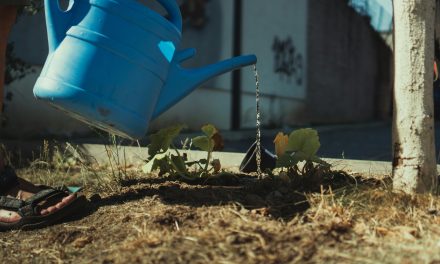
Plants drink through their roots. Wetting leaves does little for them and gives fungal diseases a head start, particularly on tomatoes, squash, roses, and zinnias. Point the hose or watering can at the base of the plant. A watering wand with a gentle shower head lets you do that without bending over, and it keeps the stream from blasting soil away.
Choosing a watering method
Hand watering
Good for containers, new transplants, and small beds. It takes time, but you notice what is going on: a drooping leaf, a chewed stem, a dry corner. Count slowly or use a timer. A newly planted shrub, for example, benefits from several gallons slowly poured around its root ball rather than a hurried splash.
Soaker hoses and drip lines
These deliver water slowly at soil level, which sinks in deeply with little runoff or evaporation. Soaker hoses work well in vegetable rows and foundation beds. Drip tubing with emitters suits shrubs, trees, and containers. Lay the line, cover it with mulch, and run it for a long soak, often 30 to 90 minutes depending on your soil and flow. Attach a simple hose timer so you do not forget it running. A pressure regulator and filter at the spigot protect the fittings and keep emitters from clogging.
Sprinklers
Oscillating and rotating sprinklers suit lawns and large, open beds. Their drawbacks are wind drift, evaporation, and wet foliage. Move them if the pattern wastes water on pavement. Many municipalities limit sprinkler use to certain days or hours, so check your utility’s rules.
Containers and hanging baskets
Pots dry out much faster than ground soil, sometimes daily in midsummer, especially terra-cotta, hanging baskets, and anything in full sun and wind. Water until it runs out the bottom. Group pots together so they shade each other’s sides, and consider a larger pot for thirsty plants like tomatoes, since more soil holds more water.
Watering through the seasons
Spring
Soil is often moist and rain is frequent, so water less than you expect. Focus on seedlings and transplants, which have small roots and need consistent moisture, with shallow, gentle watering until they establish.
Summer
Demand peaks. Vegetables, annuals, and containers may need attention several times a week, and new plantings need the most care. During a heat wave, water in the morning and avoid fertilizing, since feeding stressed plants can make things worse.
Fall
Do not stop too soon. Trees and shrubs planted this year or last still need deep drinks until the ground freezes. Fall is also when many people plant perennials, bulbs, and grass seed, all of which need steady moisture to start roots.
Winter
Indoor plants slow down and want much less water. Outdoors in dry winters, especially in the West and Southwest, evergreens and newly planted trees can still benefit from a deep soak on a mild day when the ground is not frozen. Disconnect and drain hoses and irrigation lines before the first hard freeze so pipes and spigots do not burst.
Watering different parts of the garden
Vegetables
Vegetables are mostly water, and uneven moisture shows up in the harvest. Tomatoes get blossom-end rot and split skins when soil swings between dry and soggy. Lettuce turns bitter and bolts. Cucumbers go misshapen. Aim for steady moisture, about an inch a week, with a thick mulch of straw or shredded leaves to even things out. Water seedlings gently and often enough to keep the top layer from drying before they root in.
Trees and shrubs
New trees and shrubs need a regular deep soak for their first one to two growing seasons. A slow trickle from a hose for 20 to 30 minutes at the base, once or twice a week in dry weather, works for a small tree. Keep the water around the root zone, not against the trunk. Established trees typically manage on rain, but in prolonged drought, a deep, slow soak every two to three weeks helps, applied under the outer edge of the canopy where feeder roots are.
Perennials and flower beds
Newly planted perennials need regular water for the first season. After that, many, such as coneflower, sedum, and catmint, cope with dry spells. Thirstier plants like hydrangeas and astilbe wilt visibly and tell you when to water. Group plants with similar needs together to avoid watering the whole bed for the sake of two thirsty plants.
Lawns
Established lawns do best with about 1 inch of water per week, delivered in one or two deep sessions rather than daily light ones. Cool-season grasses can go dormant and turn tan in summer heat and recover when cooler, wetter weather returns. Mow high, around 3 to 4 inches (7.5 to 10 cm), to shade the soil and help roots. New seed or sod is the exception: it needs light, frequent watering until established.
Tricks that make every drop count
Mulch
A 2 to 3 inch (5 to 8 cm) layer of shredded bark, leaves, straw, or compost slows evaporation, cools roots, and suppresses weeds. Keep it a couple of inches back from stems and trunks so it does not trap moisture against the bark and invite rot.
Rain barrels and rainwater
A barrel under a downspout collects free, soft water that plants like. Use a screened lid so mosquitoes cannot breed, and check your state rules, since a few western states regulate collection. Use stored rainwater on ornamentals and consider whether it is appropriate for edibles in your area, particularly if your roof or gutters carry contaminants. The county extension office can advise.
Build a berm or basin
For trees and shrubs, a low ring of soil around the plant’s drip line holds water where it is needed. Pull it away after the first couple of years.
Improve the soil
Compost is the quiet hero of water efficiency. It helps sandy soil hold moisture and helps clay drain, and every inch you work in helps a bed weather dry spells.
A sample midsummer week
Here is how the pieces might fit together in a typical home garden in a warm, moderately dry climate, with the caveat that your own weather should overrule any template.
- Monday morning: Soak the vegetable bed with a drip line or soaker hose for about an hour, then check the soil at 6 inches (15 cm) deep.
- Tuesday morning: Hand-water containers and hanging baskets until water runs out of the bottoms. Pinch a finger into each pot first and skip any that are still damp.
- Thursday morning: Give new shrubs and trees a slow trickle at the base for 20 to 30 minutes. Repeat the vegetable soak if there has been no rain.
- Saturday morning: Containers again, plus a quick walk through the beds to look for wilting, dry soil, or leaks along the hoses.
A note on pets: if dogs share your yard, skip cocoa bean mulch, which contains compounds that are toxic to dogs, and keep stored rainwater and puddling hose water covered, since stagnant water breeds bacteria and mosquitoes.
Common mistakes
- Watering a little every day. This keeps roots shallow and plants dependent on you.
- Ignoring the soil. The surface may look dry while the root zone is damp, or the reverse after a light rain.
- Trusting the sprinkler timer all season. A timer set in July wastes water in September. Adjust it monthly, and use a rain sensor if you can.
- Wetting leaves in the evening. That invites mildew and other fungal problems.
- Letting water pool around trunks. Soggy bark and crown areas rot.
- Using pots without drainage. Water collects at the bottom and roots suffocate.
- Letting containers dry out fully then flooding them. Extremes stress roots.
- Forgetting new plants. The first season is when plants are most vulnerable.
- Overwatering after a rain. Check the soil before you turn on the hose.
When to get expert help
If plants keep wilting even though the soil is wet, the problem may be root rot, a disease, or compacted soil, not a lack of water. Take a clear photo of the whole plant and a close-up of the affected leaves, and contact your county Cooperative Extension office. Many offer free or low-cost diagnosis, soil testing, and advice tailored to your area. A certified arborist is the right call for a mature tree that is thinning, dropping leaves out of season, or showing fungal growth at the base.
For irrigation systems, a licensed irrigation contractor can check for leaks, broken heads, and poor coverage. A sudden spike in your water bill, soggy patches in the lawn when nothing is running, or a persistent drop in water pressure may signal a leak. If standing water collects near your foundation, a drainage problem could affect your home and deserves a professional look. Also check your local water utility for drought restrictions and sometimes rebates for efficient irrigation equipment.
Frequently asked questions
How often should I water my vegetable garden?
Typically once or twice a week with a deep soak delivering about an inch in total, more in hot, windy weather or sandy soil. Check the soil rather than rely on the calendar, and water seedlings more often until they are established.
Is it bad to water in the middle of the day?
It will not harm the plants, and it will not burn the leaves, but much of the water evaporates before it soaks in. Morning is better. If a plant is wilting badly in the heat, giving it a drink right away is fine.
How do I know if my potted plant needs water?
Poke a finger about 2 inches (5 cm) deep. If it is dry, water. Lifting the pot also helps, since a dry pot is much lighter. Water until it drains from the bottom, and empty the saucer.
Can I use tap water on plants?
Generally, yes. Some sensitive plants, like spider plants and some tropicals, show brown tips from fluoride or salts in water. Letting water sit out overnight or using rainwater can help. If you use a water softener, avoid softened water on plants, since the added sodium can harm them.
How long should I run a soaker hose?
Often 30 to 90 minutes, depending on soil, flow, and plant needs. After a run, dig down a few inches. If the soil is damp 6 to 8 inches (15 to 20 cm) deep, you have watered enough.
Should I water after it rains?
Only if the rain was light. A quarter inch of rain barely wets the surface. Put a rain gauge in the yard and check the soil. If the gauge reads close to an inch for the week, skip irrigation.
Do I need to water in winter?
Houseplants need less, and outdoor plants usually take care of themselves. In dry climates, evergreens and new plantings benefit from an occasional winter soak on a mild day, when the soil is not frozen.
Why does my plant look wilted even though the soil is wet?
Overwatering, root rot, or poor drainage may be damaging the roots so they cannot take up water. Let the soil dry, check the roots, and improve drainage. If it persists, seek help from your extension office.
Watering well is a skill you pick up by paying attention. Spend a few minutes each week with your finger in the dirt, notice how your soil and plants respond, and adjust. After a season or two you will know your garden’s rhythm better than any schedule could tell you, and the plants will show their thanks in steadier growth and fewer emergencies.