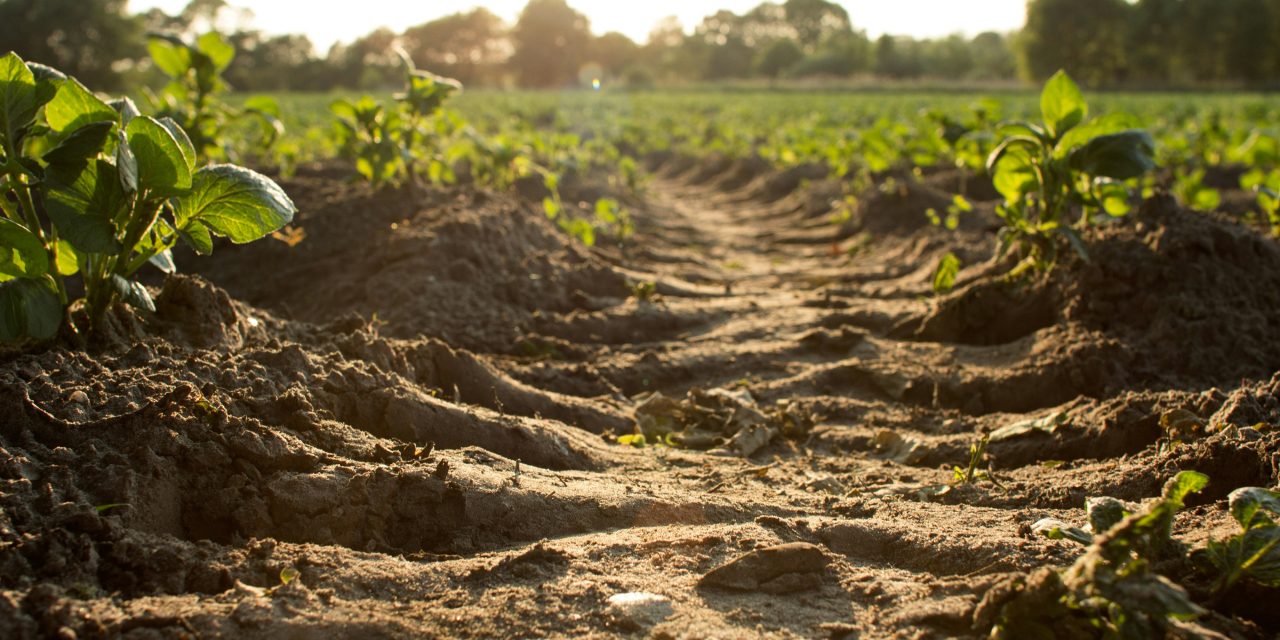
Soil is the foundation of any successful gardening or agricultural endeavor. Understanding your soil type is crucial for optimal preparation and cultivation. Soil can be classified into several categories, including sandy, clay, silt, loamy, and peaty. Each type possesses unique characteristics that influence water retention, nutrient availability, and aeration. For instance, sandy soils drain quickly but may lack essential nutrients, while clay soils retain moisture but can become compacted, hindering root growth.
To determine your soil type, a simple jar test can be conducted. By mixing soil with water and allowing it to settle, you can observe the layers formed by sand, silt, and clay. This knowledge enables you to tailor your soil management practices effectively. For example, if you have sandy soil, you may need to incorporate organic matter to improve nutrient retention. Conversely, if your soil is predominantly clay, you might focus on improving drainage and aeration through tilling and the addition of coarse materials.
Testing Soil pH and Nutrient Levels
Soil pH and nutrient levels are critical factors that directly affect plant health and productivity. The pH scale ranges from 0 to 14, with values below 7 indicating acidity and values above 7 indicating alkalinity. Most plants thrive in a pH range of 6.0 to 7.5. Testing your soil’s pH can be accomplished using a home testing kit or by sending samples to a laboratory for more precise analysis.
In addition to pH, assessing nutrient levels is essential for determining soil fertility. Key nutrients include nitrogen (N), phosphorus (P), and potassium (K), often referred to as NPK. A comprehensive soil test will provide insights into the availability of these macronutrients as well as micronutrients such as calcium, magnesium, and iron. Based on the results, you can make informed decisions regarding fertilization and amendments to optimize plant growth.
Removing Weeds and Debris Effectively

Weeds compete with cultivated plants for essential resources such as light, water, and nutrients. Effective weed management is vital for maintaining a healthy garden or farm. Manual removal is one approach; however, it can be labor-intensive and may not be feasible for larger areas. Utilizing tools such as hoes or weeders can expedite the process.
Another effective method is mulching, which not only suppresses weed growth but also enhances soil moisture retention. Organic mulches like straw or wood chips decompose over time, enriching the soil with organic matter. Additionally, employing cover crops during the off-season can prevent weed establishment while improving soil structure and fertility.
Incorporating Organic Matter for Soil Enrichment

Organic matter plays a pivotal role in enhancing soil quality and fertility. It improves soil structure, increases water retention, and provides a reservoir of nutrients for plants. Common sources of organic matter include compost, well-rotted manure, leaf mold, and green manures.
Incorporating organic matter into your soil can be achieved through various methods. For instance, spreading compost on the surface and tilling it into the topsoil can significantly enhance nutrient availability. Additionally, creating a compost pile allows for the decomposition of kitchen scraps and yard waste, resulting in a nutrient-rich amendment that can be applied to your garden.
Proper Tilling Techniques to Improve Soil Structure
Tilling is a fundamental practice that helps improve soil structure by breaking up compacted layers and incorporating organic matter. However, it is essential to employ proper techniques to avoid damaging soil health. Over-tilling can lead to erosion and loss of beneficial microorganisms.
When tilling, aim for a depth of 6 to 8 inches to ensure adequate aeration without disturbing deeper soil layers excessively. Using a rototiller or garden fork can facilitate this process. Additionally, consider practicing no-till gardening methods where feasible; this approach preserves soil structure and promotes biodiversity by minimizing disturbance.
Utilizing Cover Crops to Enhance Soil Fertility
Cover crops are an invaluable tool for enhancing soil fertility and preventing erosion during fallow periods. These crops—such as clover, vetch, or rye—are planted primarily to improve soil health rather than for harvest. They contribute organic matter when tilled back into the soil and can fix atmospheric nitrogen through symbiotic relationships with specific bacteria.
Planting cover crops in the off-season not only enriches the soil but also suppresses weeds and reduces pest populations. When selecting cover crops, consider your climate and specific goals; some varieties are better suited for cold climates while others thrive in warmer conditions.
Applying Mulch to Retain Moisture and Regulate Temperature
Mulching is an effective practice that offers numerous benefits for soil health and plant growth. By applying a layer of organic or inorganic material on the soil surface, you can significantly reduce evaporation rates, thereby conserving moisture during dry periods. This is particularly beneficial in regions prone to drought.
Moreover, mulch acts as an insulating layer that helps regulate soil temperature fluctuations. During hot weather, it keeps the soil cooler; conversely, it retains warmth during colder months. Organic mulches also decompose over time, contributing additional nutrients back into the soil ecosystem.
Adjusting Soil Drainage for Healthy Root Growth
Proper drainage is essential for healthy root development and overall plant vitality. Poor drainage can lead to waterlogged conditions that suffocate roots and promote diseases such as root rot. To assess drainage capabilities, conduct a simple percolation test by digging a hole in your garden and filling it with water; observe how quickly it drains.
If drainage issues are identified, several solutions can be implemented. Installing drainage tiles or creating raised beds can help redirect excess water away from plant roots. Additionally, incorporating organic matter improves soil structure and enhances drainage capabilities over time.
Timing Soil Preparation for Seasonal Planting
Timing is critical when preparing your soil for seasonal planting. Each crop has specific requirements regarding planting dates based on climate conditions and frost dates. Conducting thorough research on your local growing season will help you determine optimal times for soil preparation.
In general, spring preparation involves tilling the soil after the last frost date while fall preparation may include planting cover crops or adding organic amendments before winter sets in. Keeping a gardening calendar can assist in tracking these important dates and ensuring timely preparation.
Using Natural Amendments to Balance Soil Nutrition
Natural amendments are an excellent way to balance soil nutrition without resorting to synthetic fertilizers that may harm beneficial microorganisms. Common natural amendments include bone meal (for phosphorus), blood meal (for nitrogen), and greensand (for potassium). These amendments release nutrients slowly over time, providing sustained nourishment for plants.
When applying natural amendments, it is crucial to follow recommended application rates based on your soil test results. Over-application can lead to nutrient imbalances or environmental issues such as runoff into waterways.
Regular Monitoring and Maintenance for Year-Round Soil Health
Maintaining healthy soil requires ongoing monitoring and maintenance throughout the year. Regularly testing your soil every few years will help you track changes in pH and nutrient levels over time. Observing plant health can also provide valuable insights; stunted growth or discoloration may indicate underlying soil issues.
Implementing crop rotation practices can prevent nutrient depletion while promoting biodiversity within your garden ecosystem. Additionally, keeping records of amendments applied and crop yields will help refine your practices over time.
In summary, understanding your soil type is fundamental for successful gardening or farming endeavors. Testing pH and nutrient levels allows for informed decisions regarding amendments and fertilization strategies. Effective weed management through removal techniques or mulching enhances plant health while incorporating organic matter enriches the soil ecosystem.
Proper tilling techniques improve structure without causing harm, while cover crops enhance fertility during fallow periods. Mulching retains moisture and regulates temperature effectively, while adjusting drainage ensures healthy root growth.
Timing preparation activities according to seasonal planting schedules maximizes productivity, while natural amendments provide balanced nutrition without synthetic inputs. Finally, regular monitoring ensures year-round soil health through proactive management practices tailored to specific needs.
By implementing these strategies diligently, gardeners and farmers alike can cultivate thriving ecosystems that support sustainable agriculture practices while yielding bountiful harvests year after year.
### FAQ Section
1. **How often should I test my soil?**
– It is recommended to test your soil every 2-3 years or whenever you notice changes in plant health.
2. **What is the ideal pH level for most plants?**
– Most plants thrive in a pH range of 6.0 to 7.5.
3. **Can I use chemical fertilizers instead of natural amendments?**
– While chemical fertilizers provide immediate nutrients, they may harm beneficial microorganisms in the long run; natural amendments are often more sustainable.
4. **What are some effective methods for weed control?**
– Manual removal, mulching, cover cropping, and using landscape fabric are all effective methods for controlling weeds.
5. **How do I know if my soil has good drainage?**
– Conduct a percolation test by digging a hole filled with water; if it drains within a few hours, drainage is likely adequate.
6. **What types of organic matter should I add to my soil?**
– Compost, well-rotted manure, leaf mold, and green manures are excellent sources of organic matter.
7. **How do cover crops benefit my garden?**
– Cover crops improve soil fertility, prevent erosion, suppress weeds, and enhance biodiversity when tilled back into the soil.
8. **What should I do if my soil is too acidic?**
– To raise pH levels in acidic soils, consider adding lime or wood ash as natural amendments.
9. **Is it necessary to till my garden every year?**
– Not necessarily; no-till gardening methods can preserve soil structure while still allowing for healthy plant growth.
10. **How can I maintain healthy soil throughout the year?**
– Regular monitoring through testing, crop rotation practices, adding organic matter consistently, and observing plant health will help maintain healthy soil year-round.
In conclusion, understanding your soil type is essential for optimal preparation in gardening or farming endeavors. By implementing effective practices such as testing pH levels, removing weeds efficiently, incorporating organic matter, utilizing cover crops, applying mulch strategically, adjusting drainage appropriately, timing preparations correctly according to seasonal planting schedules while using natural amendments judiciously—gardeners can ensure their soils remain healthy year-round through regular monitoring efforts tailored specifically towards their unique needs!
FAQs
What is soil preparation?
Soil preparation refers to the process of preparing the soil for planting by improving its structure, fertility, and drainage. This can involve activities such as tilling, adding organic matter, testing soil pH, and incorporating fertilizers to create an optimal environment for plant growth.
Why is soil preparation important?
Soil preparation is crucial because it enhances soil health, promotes better root development, and increases nutrient availability for plants. Properly prepared soil can lead to improved crop yields, reduced erosion, and better water retention, ultimately contributing to sustainable agriculture.
What tools are commonly used for soil preparation?
Common tools for soil preparation include shovels, hoes, rakes, tillers, and plows. These tools help in breaking up compacted soil, mixing in organic matter, and leveling the ground to create a suitable seedbed for planting.
How can I test my soil before preparation?
You can test your soil by using a soil testing kit, which is available at garden centers or online. These kits typically measure pH levels, nutrient content, and organic matter. Alternatively, you can send a soil sample to a laboratory for a more comprehensive analysis, which can provide specific recommendations for amendments.
What amendments can be added during soil preparation?
Common amendments include compost, well-rotted manure, peat moss, lime, and various fertilizers. These amendments help improve soil structure, enhance nutrient content, and adjust pH levels, making the soil more conducive to plant growth.