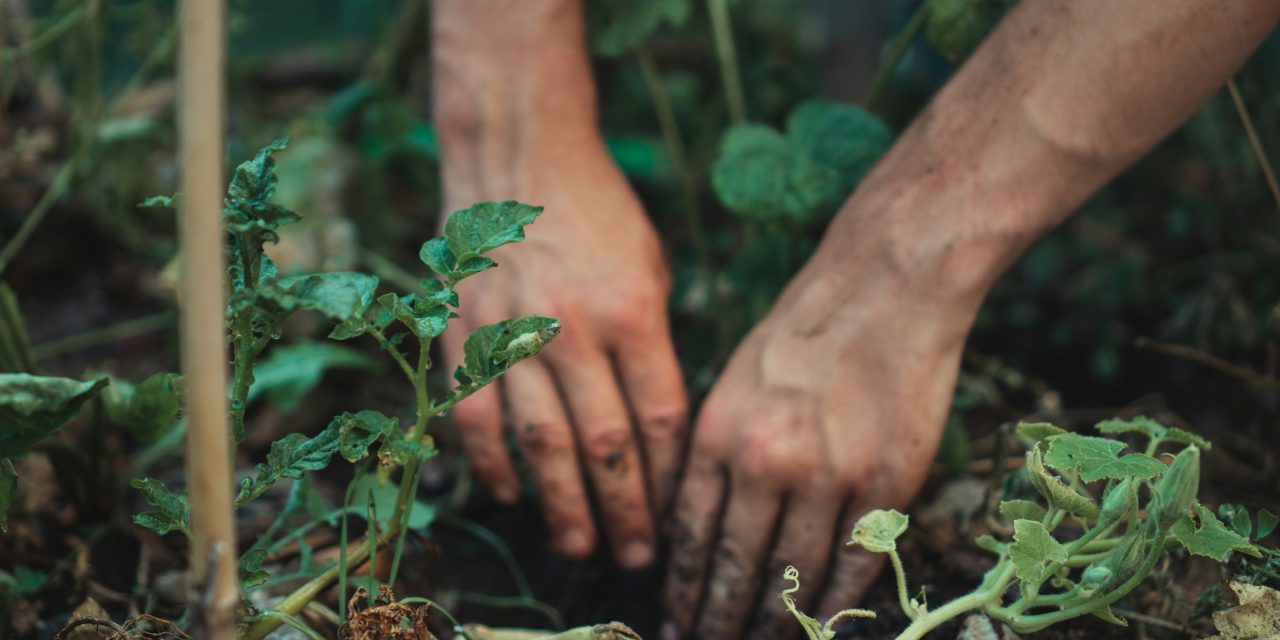
The foundation of any successful gardening endeavor lies in the selection of appropriate soil. Soil is not merely a medium for plant growth; it is a complex ecosystem teeming with microorganisms, nutrients, and organic matter that collectively influence plant health. The ideal soil for optimal growth is typically loamy, characterized by a balanced mixture of sand, silt, and clay. This composition allows for adequate drainage while retaining essential moisture and nutrients.
When assessing soil quality, it is crucial to conduct a soil test to determine pH levels and nutrient content. Most plants thrive in slightly acidic to neutral pH levels (6.0 to 7.0). If the soil is too acidic or alkaline, amendments such as lime or sulfur can be added to adjust the pH. Additionally, incorporating organic matter, such as compost or well-rotted manure, can enhance soil structure and fertility, promoting robust root development and overall plant vigor.
Understanding Seasonal Planting Cycles
Understanding seasonal planting cycles is vital for maximizing yield and ensuring that plants flourish in their respective environments. Each plant species has specific temperature and light requirements that dictate its growth cycle. For instance, cool-season crops like spinach and peas thrive in early spring or fall when temperatures are moderate, while warm-season crops such as tomatoes and peppers prefer the heat of summer.
Gardeners should familiarize themselves with their local climate zones and frost dates to optimize planting schedules. Utilizing a planting calendar can help track the best times for sowing seeds or transplanting seedlings. Additionally, staggered planting—where crops are sown at intervals—can extend harvest periods and reduce the risk of crop failure due to unforeseen weather changes.
Proper Seed Starting Methods

Successful gardening begins with effective seed starting methods that ensure healthy seedlings ready for transplanting. One popular technique involves using seed trays or biodegradable pots filled with a high-quality seed-starting mix that provides adequate drainage and aeration. It is essential to sow seeds at the recommended depth, as this can significantly impact germination rates.
Temperature plays a crucial role in seed germination; most seeds require warmth to sprout effectively. Utilizing heat mats can provide consistent warmth, while humidity domes can maintain moisture levels until seedlings emerge. Once seedlings develop their first true leaves, they should be gradually acclimatized to outdoor conditions through a process known as hardening off, which involves exposing them to outdoor elements for increasing durations over several days.
Effective Watering Techniques for Healthy Plants

Watering is a fundamental aspect of plant care that directly influences growth and productivity. Effective watering techniques involve understanding the specific needs of different plants and adjusting watering schedules accordingly. Overwatering can lead to root rot and other fungal diseases, while underwatering can cause stress and hinder growth.
A general rule of thumb is to water deeply but infrequently, allowing the top inch of soil to dry out between watering sessions. This encourages deep root growth and enhances drought resistance. Employing drip irrigation systems or soaker hoses can provide consistent moisture while minimizing water waste. Additionally, monitoring weather conditions can help gardeners adjust their watering practices based on rainfall and temperature fluctuations.
Utilizing Mulching to Retain Moisture and Suppress Weeds
Mulching is an effective gardening practice that offers numerous benefits, including moisture retention, weed suppression, and temperature regulation. Organic mulches, such as straw, wood chips, or shredded leaves, decompose over time, enriching the soil with nutrients while improving its structure.
Applying a layer of mulch around plants helps retain soil moisture by reducing evaporation rates, which is particularly beneficial during hot summer months. Furthermore, mulch acts as a barrier against weeds, preventing them from competing with desired plants for nutrients and water. A thickness of 2-4 inches is generally recommended for optimal effectiveness.
Implementing Crop Rotation to Maintain Soil Fertility
Crop rotation is a sustainable agricultural practice that involves alternating the types of crops grown in a particular area from season to season. This method helps maintain soil fertility by preventing nutrient depletion and disrupting pest and disease cycles associated with specific crops.
For instance, legumes such as beans and peas fix nitrogen in the soil, making it available for subsequent crops like corn or tomatoes that require higher nitrogen levels. By rotating crops, gardeners can enhance biodiversity in their gardens while minimizing reliance on chemical fertilizers and pesticides. A well-planned crop rotation schedule can significantly improve long-term soil health and productivity.
Pruning and Pinching for Enhanced Plant Development
Pruning and pinching are essential techniques that promote healthy plant development by encouraging bushier growth and improving air circulation within the plant structure. Pruning involves selectively removing dead or diseased branches to enhance overall plant vigor and shape.
Pinching refers to the practice of removing the tips of young shoots to stimulate lateral branching. This technique is particularly beneficial for flowering plants and herbs, as it encourages fuller growth and increased flower production. Timing is crucial; pruning should be done during the dormant season for deciduous plants, while pinching can occur throughout the growing season as needed.
Integrating Companion Planting for Pest Control
Companion planting is an age-old practice that involves growing different plant species in proximity to enhance growth and deter pests naturally. Certain plants release compounds that repel harmful insects or attract beneficial ones, creating a balanced ecosystem within the garden.
For example, marigolds are known to deter nematodes and aphids when planted alongside vegetables like tomatoes or peppers. Similarly, planting basil near tomatoes can enhance flavor while repelling pests such as whiteflies. By strategically pairing plants based on their complementary properties, gardeners can reduce reliance on chemical pesticides while promoting biodiversity.
Using Raised Beds and Containers for Better Drainage
Raised beds and containers offer numerous advantages for gardeners seeking improved drainage and soil quality control. Raised beds elevate the growing medium above ground level, allowing for better drainage and reducing soil compaction. This setup also provides easier access for planting, weeding, and harvesting.
Containers are particularly beneficial for urban gardeners with limited space or poor soil conditions. They allow for precise control over soil composition and drainage while enabling gardeners to create microclimates tailored to specific plant needs. When selecting containers, it is essential to choose those with adequate drainage holes to prevent waterlogging.
Applying Organic Fertilizers and Soil Amendments
Organic fertilizers and soil amendments play a crucial role in enhancing soil fertility without resorting to synthetic chemicals. These natural products improve soil structure, promote microbial activity, and provide essential nutrients for plant growth.
Common organic fertilizers include compost, well-rotted manure, bone meal, and fish emulsion. Each of these amendments contributes unique nutrients; for instance, bone meal is rich in phosphorus, promoting root development and flowering. Regularly testing soil nutrient levels can help gardeners determine which amendments are necessary to support healthy plant growth.
Protecting Plants from Extreme Weather Conditions
Extreme weather conditions pose significant challenges for gardeners, impacting plant health and productivity. Strategies for protecting plants include using row covers or cloches during unexpected frosts or extreme heat waves to create microenvironments that shield plants from temperature fluctuations.
Additionally, providing adequate support for tall or fragile plants can prevent damage from strong winds or heavy rain. Implementing windbreaks using hedges or fences can also mitigate wind exposure while creating a more stable growing environment. Regular monitoring of weather forecasts allows gardeners to take proactive measures in safeguarding their plants against adverse conditions.
In summary, successful gardening requires a multifaceted approach encompassing various techniques from selecting the right soil to implementing effective watering practices and pest control strategies. By understanding seasonal cycles, utilizing organic amendments, and employing protective measures against extreme weather conditions, gardeners can cultivate thriving plants that yield bountiful harvests year after year.
FAQs
What are the basic steps for planting seeds?
The basic steps for planting seeds include selecting the right seeds for your climate and soil type, preparing the soil by tilling and adding organic matter, planting the seeds at the recommended depth, watering them gently, and providing adequate sunlight and protection from pests.
How deep should I plant my seeds?
The depth at which you should plant seeds varies by type. Generally, small seeds should be planted shallowly, about 1/8 inch deep, while larger seeds can be planted deeper, typically 1/4 to 1 inch deep. Always refer to the seed packet for specific planting depth recommendations.
What is the best time of year to plant seeds?
The best time to plant seeds depends on the type of plant and your local climate. In general, cool-season crops can be planted in early spring or late summer, while warm-season crops should be planted after the last frost date in spring. It’s important to check local planting calendars for specific timing.
How can I improve my soil before planting?
Improving your soil can be done by adding organic matter such as compost or well-rotted manure, testing the soil pH and nutrient levels, and incorporating cover crops or green manures. These practices enhance soil structure, fertility, and drainage, creating a better environment for plant growth.
What are some common mistakes to avoid when planting?
Common mistakes to avoid when planting include overwatering or underwatering, planting seeds too deep or too shallow, neglecting to harden off seedlings before transplanting, and failing to consider the spacing requirements of plants. Proper planning and care can help ensure successful planting.