Garden pests are a significant concern for horticulturists and home gardeners alike, as they can severely impact plant health and yield. These pests can be categorized into various groups, including insects, nematodes, and mollusks, each presenting unique challenges. Common insect pests such as aphids, spider mites, and whiteflies feed on plant sap, leading to stunted growth and reduced vigor. Nematodes, microscopic worms that inhabit the soil, can damage root systems, while mollusks like slugs and snails consume foliage, leaving unsightly holes in leaves.
Understanding the life cycles and behaviors of these pests is crucial for effective management. For instance, aphids reproduce rapidly under favorable conditions, leading to population explosions that can devastate crops in a short time. Similarly, the presence of certain pests can indicate underlying issues within the garden ecosystem, such as nutrient deficiencies or poor soil health. By recognizing these signs early, gardeners can implement targeted strategies to mitigate pest damage and promote a thriving garden environment.
Regular Inspection: Early Detection is Key
Regular inspection of plants is an essential practice for any gardener aiming to maintain a healthy garden. By conducting thorough checks at least once a week, gardeners can identify early signs of pest infestations before they escalate into more significant problems. Look for discolored leaves, webbing, or unusual spots that may indicate pest activity. Additionally, inspecting the undersides of leaves is crucial, as many pests prefer to hide there.
Early detection allows for timely intervention, which can significantly reduce the need for chemical treatments and minimize damage to plants. Implementing a systematic approach to inspections—such as using a checklist—can help ensure that no area is overlooked. This proactive strategy not only protects plants but also fosters a deeper understanding of the garden ecosystem and its dynamics.
Encourage Beneficial Insects for Natural Pest Control

One of the most effective strategies for managing garden pests is to encourage beneficial insects that naturally prey on harmful species. Ladybugs, lacewings, and parasitic wasps are excellent examples of beneficial insects that can help control aphid populations and other pests. By creating a welcoming environment for these allies, gardeners can establish a natural balance that reduces reliance on chemical pesticides.
To attract beneficial insects, consider planting a diverse array of flowering plants that provide nectar and pollen. Species such as dill, fennel, and yarrow are particularly effective in drawing in these helpful predators. Additionally, providing habitats such as insect hotels or undisturbed areas of the garden can further enhance biodiversity and promote the presence of beneficial insects.
Use Organic and Homemade Pest Repellents

For those seeking alternatives to synthetic pesticides, organic and homemade pest repellents offer effective solutions without harming the environment. Common ingredients such as neem oil, garlic, and diatomaceous earth can deter a variety of pests while being safe for beneficial organisms. Neem oil disrupts the life cycle of insects by interfering with their hormonal systems, making it an excellent choice for managing infestations.
Homemade sprays can be easily concocted using household items. For instance, a mixture of water, soap, and crushed garlic can create a potent repellent against aphids and spider mites. Applying these solutions regularly can help maintain pest populations at manageable levels while promoting a healthier garden ecosystem.
Apply Mulching to Deter Insects and Weeds
Mulching serves multiple purposes in the garden, one of which is pest deterrence. A layer of organic mulch—such as straw, wood chips, or shredded leaves—can create a barrier that inhibits weed growth while also providing habitat for beneficial organisms. Furthermore, certain types of mulch can deter specific pests; for example, cedar mulch has natural insect-repelling properties due to its aromatic oils.
In addition to pest control benefits, mulching helps retain soil moisture and regulate temperature, contributing to overall plant health. By applying mulch around the base of plants, gardeners can create an environment that is less conducive to pest infestations while simultaneously enhancing soil quality.
Practice Crop Rotation to Disrupt Pest Cycles
Crop rotation is a time-honored agricultural practice that involves changing the types of crops grown in a particular area each season. This strategy disrupts the life cycles of pests and diseases that thrive on specific plants. For instance, if tomatoes are planted in one area for consecutive years, pests such as tomato hornworms may become established in the soil. By rotating crops—planting legumes one year followed by brassicas the next—gardeners can reduce pest populations and improve soil health.
Implementing crop rotation requires careful planning and record-keeping to ensure that different plant families are not grown in the same location year after year. This practice not only aids in pest management but also enhances soil fertility by allowing different plants to contribute varying nutrients back into the soil.
Maintain Healthy Soil to Strengthen Plant Resistance
Healthy soil is the foundation of a thriving garden and plays a critical role in plant resistance to pests and diseases. Soil rich in organic matter supports robust microbial activity that enhances nutrient availability and promotes strong root systems. When plants are well-nourished and resilient, they are better equipped to withstand pest pressures.
To maintain healthy soil, regular amendments with compost or well-rotted manure are recommended. These organic materials improve soil structure and fertility while fostering beneficial microorganisms that contribute to plant health. Additionally, practicing no-till gardening can help preserve soil integrity and prevent disruption of beneficial organisms.
Remove Infested Plants and Debris Promptly
Prompt removal of infested plants and debris is essential for preventing the spread of pests throughout the garden. When plants show signs of severe infestation or disease—such as wilting leaves or visible pests—it’s crucial to act quickly by removing them from the garden area. This practice not only eliminates the immediate threat but also reduces the likelihood of attracting additional pests.
Debris such as fallen leaves or dead plant material can harbor pests and diseases over winter months. Regularly cleaning up these materials helps maintain a healthy garden environment and minimizes potential pest outbreaks in subsequent growing seasons.
Employ Physical Barriers and Traps
Physical barriers are an effective means of protecting plants from pests without resorting to chemical interventions. Floating row covers can shield young seedlings from insect damage while allowing sunlight and moisture to penetrate. Similarly, netting can protect fruit-bearing plants from birds and larger pests.
Traps also play a vital role in pest management strategies. Sticky traps can capture flying insects like whiteflies or fungus gnats, while bait traps designed for slugs or snails can effectively reduce their populations. By integrating physical barriers and traps into pest management plans, gardeners can create a multi-faceted approach that enhances overall effectiveness.
Choose Pest-Resistant Plant Varieties
Selecting pest-resistant plant varieties is an invaluable strategy for minimizing pest-related challenges in the garden. Many cultivars have been bred specifically for their resistance to common pests or diseases, making them ideal choices for gardeners seeking lower-maintenance options. For example, certain tomato varieties exhibit resistance to nematodes or blight, reducing the need for chemical treatments.
When planning a garden layout, consider incorporating these resistant varieties alongside traditional plants to create a diverse ecosystem that naturally deters pests. This approach not only enhances resilience but also contributes to overall biodiversity within the garden.
Monitor Weather Conditions and Adjust Pest Control Accordingly
Weather conditions significantly influence pest populations and their activity levels throughout the growing season. Warm temperatures and high humidity often lead to increased pest activity; conversely, cooler temperatures may slow down their life cycles. By monitoring local weather patterns—such as rainfall amounts or temperature fluctuations—gardeners can adjust their pest control strategies accordingly.
For instance, after heavy rains that may wash away organic repellents or disrupt beneficial insect populations, it may be necessary to reapply treatments or increase monitoring efforts. Staying attuned to weather conditions allows gardeners to remain proactive in their pest management approaches.
In summary, managing common garden pests requires a multifaceted approach that includes regular inspections, encouraging beneficial insects, utilizing organic repellents, applying mulch, practicing crop rotation, maintaining healthy soil, promptly removing infested plants, employing physical barriers and traps, choosing resistant varieties, and monitoring weather conditions. By implementing these strategies collectively, gardeners can create a thriving ecosystem that minimizes pest pressures while promoting plant health and productivity.
### FAQ Section
1. **What are some common signs of pest infestations?**
– Look for discolored leaves, holes in foliage, webbing on plants, or visible insects on stems or undersides of leaves.
2. **How often should I inspect my garden for pests?**
– It is advisable to inspect your garden at least once a week during the growing season.
3. **What are some effective homemade pest repellents?**
– Mixtures containing neem oil, garlic spray (water mixed with crushed garlic), or soap solutions can deter various pests effectively.
4. **How does crop rotation help with pest management?**
– Crop rotation disrupts the life cycles of pests that thrive on specific crops by changing what is planted in each area each season.
5. **What types of mulch are best for deterring pests?**
– Organic mulches like cedar chips have natural insect-repelling properties; straw or wood chips also provide effective barriers against weeds and pests.
6. **Can I use chemical pesticides if organic methods fail?**
– While chemical pesticides are an option when organic methods fail, it is essential to use them judiciously and follow all safety guidelines to minimize environmental impact.
7. **How do I attract beneficial insects to my garden?**
– Planting diverse flowering plants such as dill or yarrow provides nectar sources that attract beneficial insects like ladybugs and lacewings.
8. **What should I do if I find infested plants?**
– Remove infested plants promptly from your garden area to prevent spreading pests; consider composting healthy parts if possible.
9. **How does maintaining healthy soil contribute to pest resistance?**
– Healthy soil supports strong root systems and nutrient availability; well-nourished plants are more resilient against pest pressures.
10. **What physical barriers can I use against pests?**
– Floating row covers protect seedlings from insects; netting shields fruits from birds; sticky traps capture flying insects effectively.
By employing these strategies collectively within your gardening practices, you will foster an environment conducive to plant health while effectively managing common garden pests.
FAQs
What are common pests that affect gardens?
Common pests that affect gardens include aphids, spider mites, whiteflies, slugs, snails, and various types of beetles. These pests can damage plants by feeding on their leaves, stems, and roots, leading to reduced growth and yield.
How can I identify pest damage in my garden?
Pest damage can often be identified by looking for signs such as holes in leaves, discolored or wilting plants, sticky residue on leaves (honeydew from aphids), and visible insects on or around the plants. Additionally, you may notice webbing or a powdery substance, which can indicate spider mites or mealybugs.
What are some natural methods for controlling garden pests?
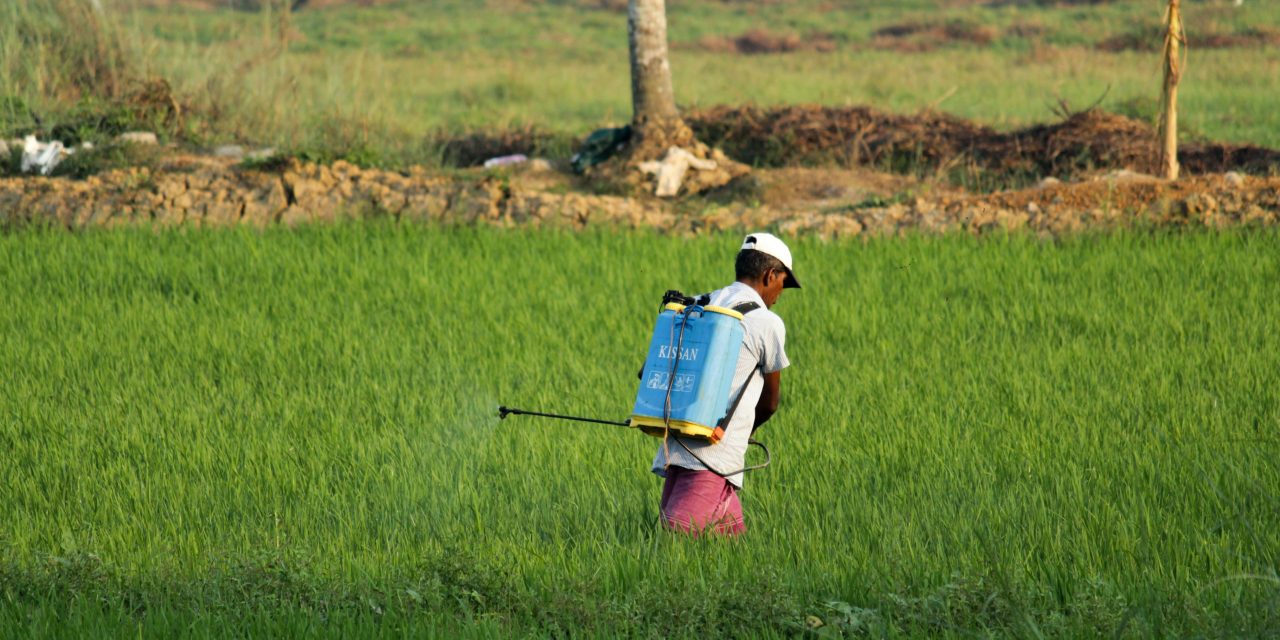
Natural methods for controlling garden pests include introducing beneficial insects like ladybugs and lacewings, using neem oil or insecticidal soap, planting companion plants that repel pests, and employing physical barriers such as row covers or traps. These methods can help manage pest populations without the use of synthetic chemicals.
When is the best time to apply pest control measures?
The best time to apply pest control measures is early in the morning or late in the afternoon when temperatures are cooler, and beneficial insects are less active. Regular monitoring of plants is also essential, as early detection of pests allows for more effective control before infestations become severe.
Are chemical pesticides safe to use in home gardens?
While chemical pesticides can be effective, they may pose risks to beneficial insects, pets, and humans if not used properly. It is important to read labels carefully, follow application instructions, and consider using targeted pesticides that minimize harm to non-target organisms. Organic options are often recommended for home gardens to reduce potential risks.