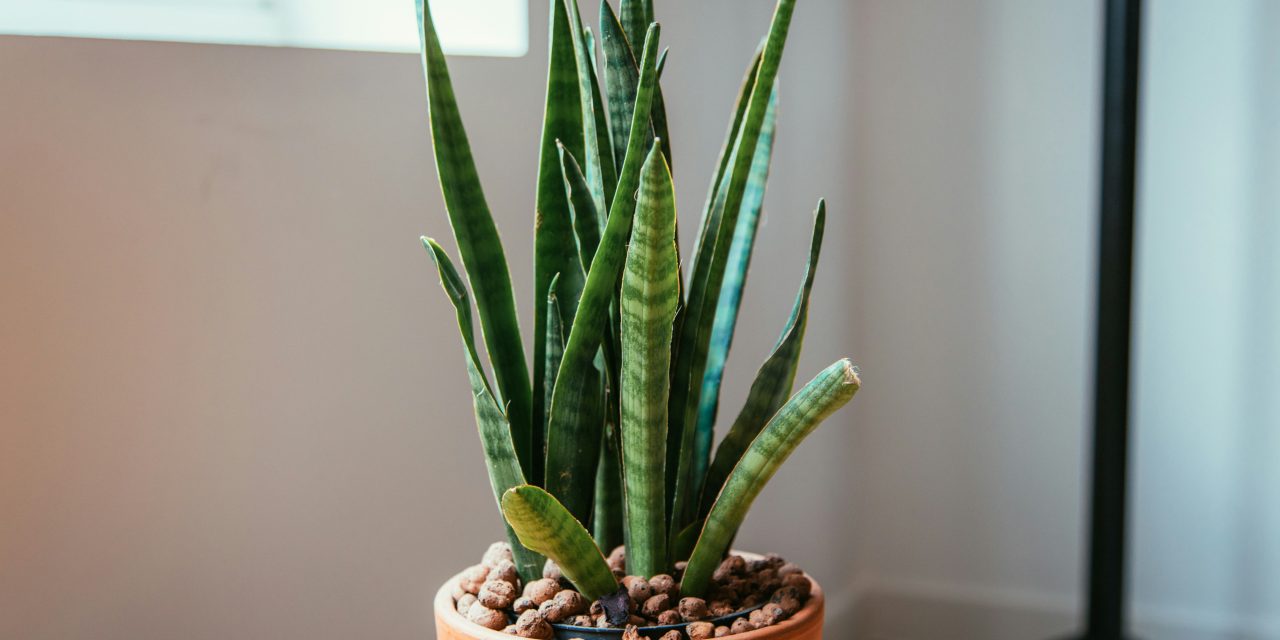
The Snake Plant, scientifically known as *Sansevieria trifasciata*, is a resilient and popular houseplant renowned for its striking architectural foliage and air-purifying qualities. This perennial succulent is native to West Africa and is characterized by its long, upright leaves that can reach heights of up to 4 feet. The leaves are typically dark green with lighter green horizontal stripes, giving them a unique appearance that adds aesthetic value to any indoor space. Snake Plants are classified as hardy plants, making them ideal for both novice and experienced gardeners alike.
One of the most appealing aspects of the Snake Plant is its ability to thrive in a variety of conditions. It can tolerate low light levels, making it suitable for dimly lit rooms, and it is also drought-resistant, which means it can survive extended periods without water. This adaptability has contributed to its popularity as a houseplant. However, despite its hardiness, understanding the specific care requirements of the Snake Plant is crucial for maintaining its health and vibrancy.
Importance of Proper Watering for Snake Plants
Watering is one of the most critical aspects of caring for a Snake Plant. While these plants are drought-tolerant, improper watering can lead to significant health issues, including root rot and fungal infections. The Snake Plant’s unique structure allows it to store water in its leaves, which means it does not require frequent watering. However, finding the right balance is essential to ensure optimal growth and longevity.
Proper watering practices not only promote healthy foliage but also enhance the plant’s ability to purify indoor air. Snake Plants are known for their capacity to absorb toxins such as formaldehyde and benzene, contributing to improved air quality. Therefore, understanding how to water effectively can have a direct impact on both the plant’s health and the environment in which it resides.
Signs Your Snake Plant Needs Water

Recognizing when your Snake Plant requires water is vital for its overall health. One of the most common indicators is the appearance of the leaves. If the leaves begin to droop or curl inward, this may signal that the plant is experiencing drought stress. Additionally, if the leaf tips turn brown or crispy, it is often a sign that the plant has not received adequate moisture.
Another telltale sign is the soil’s condition. If the top inch of soil feels dry to the touch, it is time to consider watering. Conversely, if the soil remains consistently wet or soggy, this could indicate overwatering, which poses a risk to the plant’s root system. Monitoring these signs will help ensure that your Snake Plant receives the appropriate amount of water it needs to thrive.
How Often Should You Water Your Snake Plant Indoors?

The frequency of watering a Snake Plant can vary based on several factors, including environmental conditions and the plant’s growth stage. Generally, during the growing season—spring and summer—Snake Plants may require watering every two to three weeks. In contrast, during the dormant months of fall and winter, watering should be reduced to once every four to six weeks.
It is essential to assess the moisture level of the soil before watering. A good rule of thumb is to allow the top inch of soil to dry out completely before rehydrating. This practice not only prevents overwatering but also encourages healthy root development by allowing oxygen to reach the roots.
Factors Affecting Watering Frequency
Several factors influence how often you should water your Snake Plant. One significant factor is light exposure; plants placed in brighter locations tend to dry out more quickly than those in low-light areas. Additionally, temperature plays a crucial role; warmer environments increase evaporation rates, necessitating more frequent watering.
Humidity levels also affect watering frequency. In drier climates or during winter months when indoor heating reduces humidity, Snake Plants may require more water than in humid conditions. Lastly, pot size and type can impact moisture retention; smaller pots tend to dry out faster than larger ones, while pots made from porous materials allow for better drainage.
Best Watering Techniques for Snake Plants
When it comes to watering techniques for Snake Plants, there are several effective methods to consider. One recommended approach is bottom watering, where water is added to a tray beneath the pot. This allows the plant to absorb moisture through drainage holes at its base, promoting healthy root growth while minimizing the risk of overwatering.
Another technique involves using a moisture meter to gauge soil moisture levels accurately. This tool provides precise readings that help determine when it’s time to water, ensuring that you avoid both under- and over-watering scenarios. Additionally, always use room-temperature water; cold water can shock the plant’s roots and hinder its ability to absorb moisture effectively.
Avoiding Overwatering: Common Mistakes to Watch For
Overwatering is one of the most prevalent issues faced by Snake Plant owners and can lead to severe consequences such as root rot and fungal diseases. One common mistake is adhering strictly to a set watering schedule without considering environmental factors or soil moisture levels. It is crucial to assess each plant individually rather than relying solely on a calendar.
Another mistake involves using pots without adequate drainage holes. Without proper drainage, excess water accumulates at the bottom of the pot, leading to soggy soil conditions that can suffocate roots. Additionally, using heavy or compacted soil can retain too much moisture; opting for well-draining potting mixes specifically designed for succulents can mitigate this risk.
Seasonal Watering Adjustments for Snake Plants
Seasonal changes significantly impact how often you should water your Snake Plant. During spring and summer—the active growing season—plants typically require more frequent watering due to increased photosynthesis and transpiration rates. Conversely, as temperatures drop in fall and winter, growth slows down, necessitating less frequent watering.
Adjusting your watering routine according to seasonal changes not only promotes healthy growth but also helps prevent issues associated with overwatering during dormancy. Monitoring environmental conditions such as temperature and humidity will further guide your watering practices throughout the year.
Ideal Soil and Pot Drainage for Healthy Watering
Selecting the right soil mix and potting container is essential for maintaining optimal moisture levels for your Snake Plant. A well-draining potting mix designed for succulents or cacti is ideal; these mixes typically contain components such as perlite or sand that enhance drainage capabilities.
In terms of pots, choose containers with drainage holes at the bottom to allow excess water to escape easily. Terracotta pots are an excellent option as they are porous and help wick moisture away from the soil, preventing over-saturation. Ensuring proper drainage will create an environment conducive to healthy root development and overall plant vitality.
Using Humidity and Light to Influence Water Needs
Humidity levels and light exposure play significant roles in determining how much water your Snake Plant requires. In high-humidity environments, plants may retain moisture longer, reducing their need for frequent watering. Conversely, in dry conditions or during winter months when indoor heating decreases humidity levels, you may need to increase your watering frequency.
Light exposure also affects water needs; plants placed in bright indirect light will typically dry out faster than those in low-light areas. Observing how your plant responds to its environment will help you adjust your watering practices accordingly, ensuring that it receives adequate hydration without risking overwatering.
Troubleshooting Watering Issues: When to Seek Help
If you notice persistent issues with your Snake Plant despite following proper care guidelines, it may be time to seek professional advice or assistance from a local nursery or horticulturist. Signs such as yellowing leaves, persistent wilting despite adequate watering practices, or mold growth on the soil surface may indicate underlying problems that require expert intervention.
Additionally, if you suspect root rot due to overwatering—characterized by mushy roots or a foul odor—immediate action is necessary. Carefully remove the plant from its pot and inspect the roots; trim away any damaged sections before repotting in fresh soil with improved drainage properties.
In summary, understanding how to care for a Snake Plant involves recognizing its unique needs regarding watering frequency and techniques. By monitoring environmental factors such as light exposure and humidity levels while avoiding common pitfalls like overwatering, you can ensure your plant thrives in its indoor environment. With proper attention and care, your Snake Plant will not only enhance your living space but also contribute positively to your indoor air quality.
In conclusion, maintaining a healthy Snake Plant requires careful attention to its watering needs while considering various environmental factors that influence its growth. By implementing best practices for watering techniques and adjusting care routines seasonally, you can cultivate a thriving plant that enhances both aesthetics and air quality in your home or office space.
FAQs
How often should I water my snake plant indoors?
Snake plants typically require watering every 2 to 6 weeks, depending on the season and humidity levels. During the growing season (spring and summer), you may need to water more frequently, while in the dormant season (fall and winter), less frequent watering is necessary.
What factors influence how often I should water my snake plant?
Several factors can influence watering frequency, including the size of the pot, the type of soil used, the humidity and temperature of your home, and the amount of light the plant receives. Generally, snake plants prefer to dry out completely between waterings.
How can I tell if my snake plant needs water?
You can check the soil moisture by sticking your finger about an inch into the soil. If it feels dry, it’s time to water. Additionally, if the leaves start to wrinkle or droop, this may indicate that the plant is thirsty.
Can overwatering harm my snake plant?
Yes, overwatering is one of the most common issues with snake plants. It can lead to root rot, which can be fatal for the plant. It’s essential to ensure that the pot has good drainage and to allow the soil to dry out completely before watering again.
Is it better to underwater or overwater a snake plant?
It is generally better to underwater a snake plant than to overwater it. Snake plants are drought-tolerant and can survive longer periods without water, while overwatering can quickly lead to serious health issues for the plant.