Container gardening has emerged as a popular solution for urban dwellers and those with limited outdoor space. This innovative approach allows individuals to cultivate a variety of plants, from vibrant flowers to fresh herbs and vegetables, in confined areas such as balconies, patios, or even small backyards. The beauty of container gardening lies in its versatility; it can be tailored to fit any aesthetic preference or functional need. With the right techniques and a bit of creativity, anyone can transform a small area into a lush oasis.
The benefits of container gardening extend beyond mere aesthetics. It provides an opportunity for individuals to engage with nature, improve air quality, and even enhance mental well-being. Furthermore, container gardening allows for greater control over soil quality and drainage, which can lead to healthier plants. As urbanization continues to rise, the demand for effective gardening solutions in small spaces becomes increasingly relevant. This article will explore various strategies and ideas for maximizing your gardening potential in limited areas.
Choosing the Right Containers for Your Space
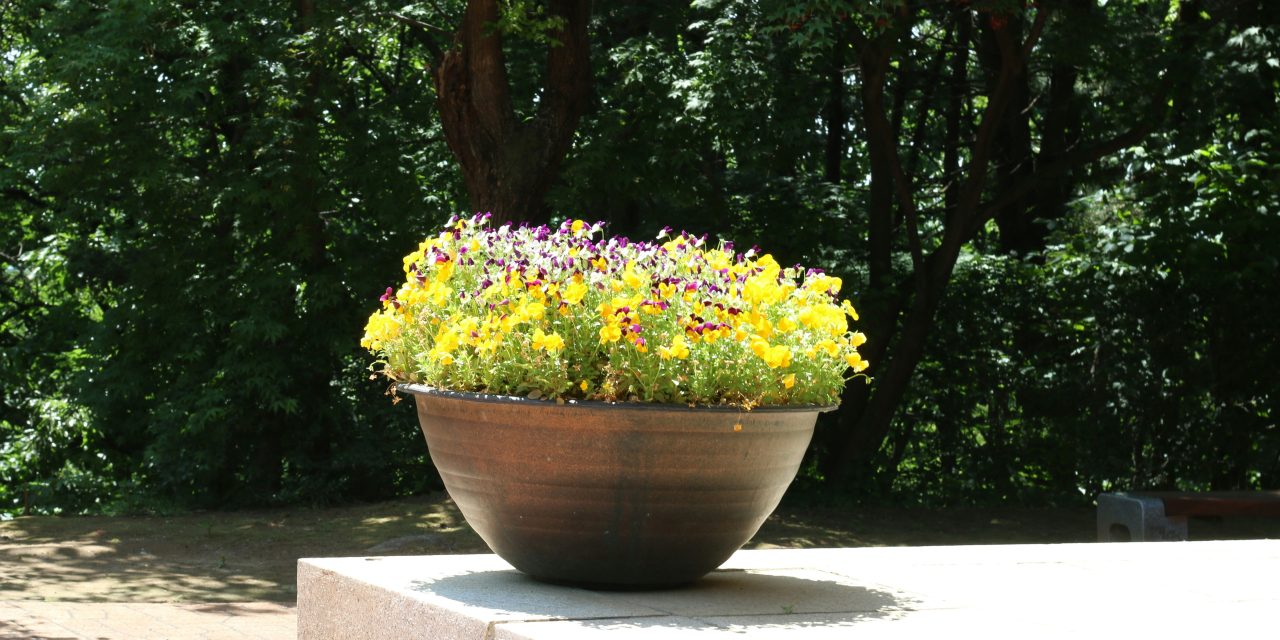
Selecting the appropriate containers is crucial for successful container gardening. The choice of material can significantly impact plant health and growth. Common materials include plastic, ceramic, metal, and wood, each offering distinct advantages and disadvantages. For instance, plastic containers are lightweight and retain moisture well, making them ideal for beginners. Conversely, ceramic pots provide excellent insulation but can be heavy and prone to cracking in extreme temperatures.
When choosing containers, consider the size and depth required for the plants you wish to grow. Herbs and small flowers may thrive in shallow pots, while larger plants like tomatoes or peppers require deeper containers to accommodate their root systems. Additionally, ensure that your chosen pots have adequate drainage holes to prevent waterlogging, which can lead to root rot and other complications. A well-drained container will promote healthy growth and reduce the risk of disease.
Vertical Gardens: Maximizing Height in Small Areas

Vertical gardens are an ingenious way to utilize vertical space effectively, allowing gardeners to grow a variety of plants without occupying valuable ground area. These gardens can be created using wall-mounted planters, trellises, or even repurposed pallets. By growing plants vertically, you not only save space but also create an eye-catching display that adds dimension to your environment.
When designing a vertical garden, consider the types of plants that will thrive in your chosen setup. Climbing plants such as peas or beans can be trained to grow up trellises, while trailing plants like ivy or succulents can cascade down from wall-mounted containers. Additionally, incorporating a mix of colors and textures will enhance visual appeal. Regular maintenance is essential for vertical gardens; ensure that plants receive adequate sunlight and water while monitoring for pests that may thrive in densely planted areas.
Hanging Planters: Adding Greenery Above

Hanging planters offer another innovative solution for maximizing space while adding a touch of greenery to your surroundings. These planters can be suspended from ceilings, hooks, or railings, creating an enchanting display that draws the eye upward. Ideal for trailing plants such as ferns or petunias, hanging planters can transform dull spaces into vibrant gardens.
When selecting hanging planters, consider the weight of the container and the type of plant it will hold. Lightweight materials such as plastic or fabric are often preferred for hanging arrangements to prevent strain on hooks or supports. Additionally, ensure that the planters have proper drainage to avoid water accumulation that could damage both the plant and the hanging mechanism. Regularly check the moisture levels in hanging planters, as they may dry out more quickly than traditional pots due to increased exposure to air circulation.
Window Boxes: Beautifying Your Windowsills
Window boxes are an excellent way to bring greenery into your home while enhancing curb appeal. These long, narrow containers can be placed on windowsills or mounted beneath windows, allowing you to enjoy a beautiful display of flowers or herbs right outside your home. Window boxes not only provide aesthetic benefits but also contribute to improved air quality and insulation.
When planting window boxes, consider the amount of sunlight your chosen location receives throughout the day. Select plants that thrive in those conditions; for example, sun-loving flowers like geraniums or petunias are perfect for bright windowsills, while shade-tolerant varieties such as ferns or impatiens work well in less sunny spots. Additionally, ensure that your window boxes have adequate drainage holes and use high-quality potting soil to promote healthy growth.
Tiered Plant Stands: Creating Layers of Green
Tiered plant stands are an effective way to create layers of greenery in small spaces while adding visual interest to your garden design. These multi-level structures allow you to display a variety of plants at different heights, making it easier to showcase smaller plants without overshadowing them with larger ones. Tiered stands can be purchased or easily constructed using wood or metal materials.
When arranging plants on a tiered stand, consider their growth habits and light requirements. Place taller plants at the back or on higher tiers to ensure they do not block sunlight from reaching shorter plants below. Mixing different types of plants—such as flowering species with foliage varieties—can create a dynamic display that captures attention. Regular watering and fertilization are essential for maintaining healthy plants on tiered stands; ensure that each tier receives adequate moisture without causing water runoff onto lower levels.
Repurposed Items as Unique Planters
Repurposing everyday items as planters is an eco-friendly approach that adds character to your container garden while reducing waste. Old teacups, wooden crates, tin cans, and even shoes can be transformed into charming planters with a bit of creativity. This not only provides a unique aesthetic but also allows you to express your personality through your gardening choices.
When using repurposed items as planters, ensure they have proper drainage by adding holes if necessary. Consider the size of the item in relation to the plant’s root system; smaller items are best suited for herbs or small flowers, while larger containers can accommodate more substantial plants. Additionally, be mindful of the materials used; some metals may rust over time or leach harmful substances into the soil. With careful selection and preparation, repurposed items can become delightful additions to your container garden.
Herb Gardens in Compact Containers
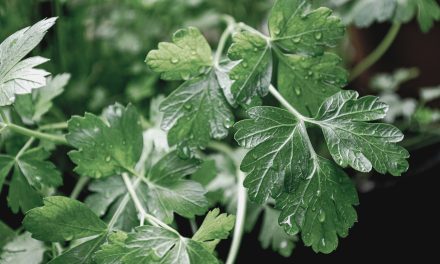
Herb gardens are particularly well-suited for container gardening due to their compact size and versatility in culinary applications. Growing herbs in small containers allows you to have fresh ingredients at your fingertips while enhancing your cooking experience. Popular herbs such as basil, parsley, cilantro, and thyme thrive in pots and can be easily maintained indoors or outdoors.
When cultivating an herb garden in compact containers, choose pots that provide adequate drainage and use high-quality potting soil enriched with organic matter. Position your herb containers in a location that receives at least six hours of sunlight daily for optimal growth. Regular harvesting encourages bushier growth; snip leaves as needed while ensuring you leave enough foliage for continued development. Additionally, consider companion planting by grouping herbs with similar water and light requirements together for improved growth.
Succulent Arrangements for Minimal Maintenance
Succulents have gained immense popularity among gardeners due to their low maintenance requirements and striking appearance. These drought-resistant plants store water in their leaves, making them ideal for busy individuals who may not have time for extensive plant care. Succulent arrangements can be created in various containers, from traditional pots to terrariums or even glass jars.
When designing succulent arrangements, select a variety of shapes and colors to create visual interest. Ensure that your chosen containers have excellent drainage; succulents are particularly susceptible to root rot if left in standing water. Use a well-draining soil mix specifically formulated for cacti and succulents to promote healthy growth. Water sparingly—typically every two weeks—allowing the soil to dry out completely between watering sessions.
Miniature Vegetable Gardens in Small Pots
Growing vegetables in small pots is an excellent way to enjoy homegrown produce without requiring extensive garden space. Many vegetable varieties thrive in containers; options such as cherry tomatoes, peppers, radishes, and lettuce can flourish even in limited areas. Container gardening allows you to control soil quality and moisture levels while providing easy access for harvesting.
When establishing a miniature vegetable garden in pots, select containers that are large enough to accommodate the root systems of your chosen vegetables—typically at least 5 gallons for larger varieties like tomatoes or peppers. Use high-quality potting soil enriched with organic fertilizers to promote healthy growth and yield. Position your vegetable pots in a location that receives ample sunlight—ideally six hours per day—and monitor moisture levels closely; container-grown vegetables may require more frequent watering than those planted directly in the ground.
Tips for Maintaining Healthy Container Plants in Limited Spaces
Maintaining healthy container plants requires attention to several key factors that contribute to their overall well-being. First and foremost is watering; container plants often dry out more quickly than those planted directly in the ground due to increased exposure to air circulation. Regularly check soil moisture levels by inserting your finger about an inch deep into the soil; if it feels dry at that depth, it’s time to water.
Fertilization is another critical aspect of container plant care; nutrients can leach out of pots more quickly than traditional gardens due to frequent watering. Use a balanced liquid fertilizer every four to six weeks during the growing season to ensure your plants receive adequate nourishment. Additionally, monitor for pests such as aphids or spider mites that may thrive in densely planted areas; early detection and treatment are essential for preventing infestations from spreading.
In conclusion, container gardening offers an innovative solution for individuals with limited space who wish to cultivate vibrant gardens filled with flowers, herbs, and vegetables. By selecting appropriate containers, utilizing vertical space effectively, and incorporating unique elements such as repurposed items or tiered stands, anyone can create a flourishing garden oasis regardless of their living situation. With proper care and attention to detail—such as regular watering and fertilization—container gardens can thrive beautifully while providing numerous benefits for both mental well-being and culinary enjoyment.
FAQs
What is container gardening?
Container gardening is the practice of growing plants in containers instead of traditional garden beds. This method allows for greater flexibility in plant placement, making it ideal for small spaces, patios, balconies, or even indoors.
What types of plants can be grown in containers?
Almost any type of plant can be grown in containers, including vegetables, herbs, flowers, and ornamental plants. Popular choices for container gardening include tomatoes, peppers, basil, petunias, and succulents.
What are the benefits of container gardening?
Container gardening offers several benefits, including the ability to control soil quality, easier pest management, and the flexibility to move plants to optimize sunlight exposure. It also allows gardeners to grow plants in areas with poor soil or limited space.
How do I choose the right container for my plants?
When choosing a container, consider the size, material, and drainage. The container should be large enough to accommodate the plant’s root system and made from materials like plastic, clay, or metal. Ensure it has drainage holes to prevent waterlogging.
What type of soil should I use for container gardening?
Use a high-quality potting mix specifically designed for container gardening. This type of soil is lightweight, well-draining, and often contains added nutrients to support plant growth. Avoid using garden soil, as it can compact and hinder drainage.