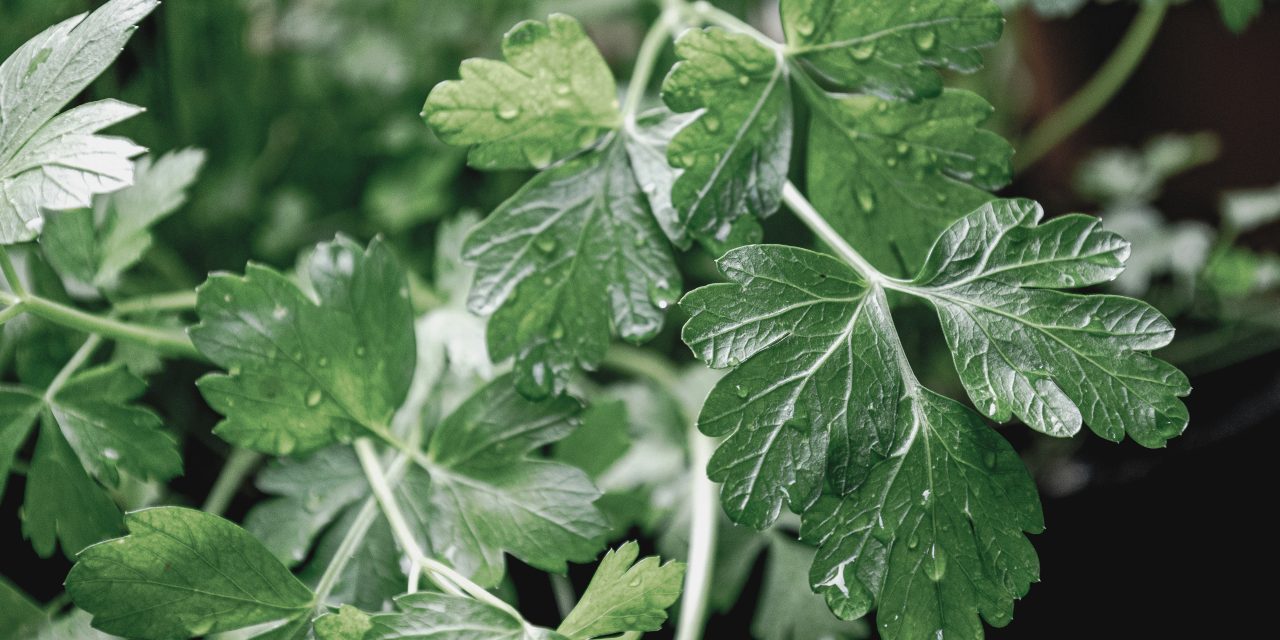
Selecting the appropriate herbs for your specific climate is crucial for a thriving herb garden. Different herbs have varying tolerances to temperature, humidity, and seasonal changes. For instance, Mediterranean herbs such as rosemary, thyme, and oregano flourish in warm, dry climates, while others like cilantro and parsley prefer cooler temperatures. Understanding your USDA Plant Hardiness Zone can significantly aid in making informed decisions about which herbs will thrive in your environment.
Additionally, consider the microclimates within your garden. Areas that receive more sunlight or are sheltered from wind can support different types of herbs compared to shaded or exposed regions. Researching local growing conditions and consulting with local gardening experts can provide valuable insights into which herbs will perform best in your area. By aligning your herb choices with your climate, you set the foundation for a successful and productive garden.
Selecting the Perfect Location for Your Herb Garden
The location of your herb garden plays a pivotal role in its overall success. Ideally, herbs should be planted in an area that receives ample sunlight—at least six to eight hours per day. This exposure not only promotes healthy growth but also enhances the flavor and potency of the herbs. When selecting a site, consider proximity to your kitchen for easy access during cooking, as well as the convenience of watering and maintenance.
Moreover, drainage is a critical factor to consider when choosing a location. Herbs thrive in well-drained soil; thus, avoid areas where water tends to pool after heavy rains. Elevated beds or sloped areas can be beneficial for drainage. Additionally, consider wind protection; some herbs may be sensitive to strong gusts that can damage delicate leaves or stems. By carefully selecting the right location, you create an optimal environment for your herbs to flourish.
Preparing Soil for Optimal Herb Growth

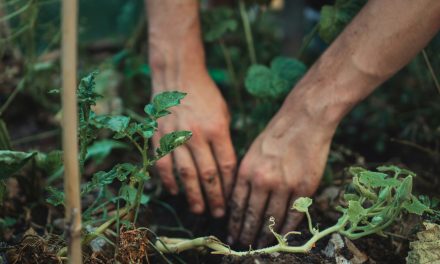
Soil preparation is fundamental to ensuring robust herb growth. Start by testing the soil pH; most herbs prefer a slightly acidic to neutral pH range of 6.0 to 7.0. If necessary, amend the soil with lime to raise pH or sulfur to lower it. Incorporating organic matter such as compost or well-rotted manure enriches the soil with essential nutrients and improves its structure, promoting better drainage and aeration.
Furthermore, tilling the soil to a depth of at least 12 inches allows roots to penetrate easily and access nutrients. Remove any weeds or debris that may compete with your herbs for resources. A well-prepared soil bed not only supports healthy root development but also enhances moisture retention, reducing the frequency of watering needed. By investing time in soil preparation, you lay the groundwork for a flourishing herb garden.
Understanding Sunlight Requirements for Different Herbs

Different herbs have distinct sunlight requirements that must be met for optimal growth. For example, sun-loving herbs like basil, sage, and dill thrive in full sun conditions, requiring at least six hours of direct sunlight daily. Conversely, shade-tolerant herbs such as mint and chives can flourish in partial shade, making them suitable for less sunny areas of your garden.
Understanding these requirements is essential for proper placement within your garden layout. Observing how sunlight moves across your garden throughout the day can help you identify the best spots for each type of herb. Additionally, consider seasonal changes; as trees and shrubs leaf out in spring and summer, areas that were once sunny may become shaded. By strategically positioning your herbs according to their sunlight needs, you can maximize their growth potential.
Proper Watering Techniques to Keep Herbs Healthy
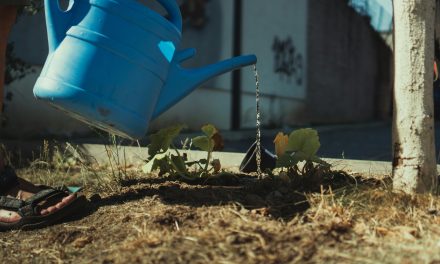
Watering is a critical aspect of herb gardening that requires careful attention. Most herbs prefer consistently moist soil but are susceptible to root rot if overwatered. A general rule of thumb is to water deeply but infrequently, allowing the top inch of soil to dry out between watering sessions. This encourages deep root growth and helps herbs become more drought-resistant.
Using mulch around your herbs can help retain moisture while suppressing weeds that compete for water and nutrients. Drip irrigation systems or soaker hoses can also be effective in delivering water directly to the root zone without wetting the foliage excessively. Monitoring weather conditions is essential; during hot spells or dry periods, you may need to adjust your watering schedule accordingly. By employing proper watering techniques, you ensure that your herbs remain healthy and productive.
When it comes to herb gardening, both containers and garden beds offer unique advantages and challenges. Container gardening provides flexibility; you can easily move pots to optimize sunlight exposure or protect them from harsh weather conditions. Additionally, containers allow for better control over soil quality and drainage, making them ideal for urban settings or areas with poor soil.
On the other hand, traditional garden beds offer more space for larger herb varieties and can accommodate a greater number of plants. They also promote healthier root systems due to unrestricted growth potential in the ground soil. However, garden beds require more initial preparation and commitment in terms of space and maintenance. Ultimately, the choice between containers and garden beds depends on your available space, gardening goals, and personal preferences.
Fertilizing Your Herbs: What You Need to Know
Fertilization is an essential component of herb gardening that can significantly impact growth and yield. While many herbs thrive in nutrient-rich soils, excessive fertilization can lead to lush foliage at the expense of flavor concentration. A balanced approach is key; using organic fertilizers such as compost or fish emulsion can provide essential nutrients without overwhelming the plants.
Timing is also crucial when it comes to fertilizing herbs. Applying fertilizer during the early growing season encourages robust growth as plants emerge from dormancy. A second application mid-season can support continued development but should be done cautiously to avoid nutrient burn. Observing your plants’ growth patterns will help you determine if additional fertilization is necessary throughout the growing season.
Pruning and Harvesting Tips for Maximum Yield
Pruning and harvesting are vital practices that promote healthy growth and maximize yields in herb gardening. Regularly trimming back herbs encourages bushier growth by stimulating lateral branching. For instance, pinching back basil leaves promotes a fuller plant while preventing flowering, which can diminish flavor quality.
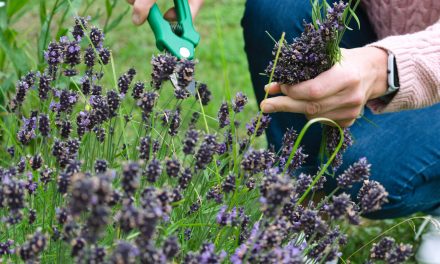
When harvesting herbs, aim to take only a portion of the plant at a time—typically one-third—to ensure continued growth and vitality. Early morning is often the best time for harvesting when essential oils are most concentrated in the leaves. Using sharp scissors or pruning shears minimizes damage to the plant and promotes quicker healing. By implementing effective pruning and harvesting techniques, you can enjoy a continuous supply of fresh herbs throughout the growing season.
Managing Pests and Diseases Naturally
Pest management is an integral aspect of maintaining a healthy herb garden without resorting to chemical pesticides. Many common pests such as aphids, spider mites, and whiteflies can be effectively controlled through natural methods like introducing beneficial insects such as ladybugs or lacewings that prey on harmful pests.
Additionally, employing companion planting strategies can deter pests naturally; for example, planting marigolds alongside herbs can repel nematodes and other unwanted insects. Regularly inspecting plants for signs of disease or pest infestations allows for early intervention before problems escalate. Utilizing organic solutions such as neem oil or insecticidal soap can also provide effective control without harming beneficial insects or compromising plant health.
Companion Planting to Enhance Herb Growth
Companion planting is a strategic approach that involves pairing compatible plants together to enhance growth and deter pests naturally. Certain herbs have symbiotic relationships that benefit each other when grown in proximity; for instance, basil planted near tomatoes not only improves tomato flavor but also repels harmful insects like aphids.
Additionally, some herbs can attract beneficial pollinators or predatory insects that help control pest populations within your garden ecosystem. For example, planting dill near cabbage can attract parasitic wasps that target cabbage worms. By understanding these relationships and implementing companion planting techniques, you can create a harmonious garden environment that promotes healthy herb growth while minimizing pest issues.
Overwintering Your Herbs for Year-Round Success
Overwintering herbs is essential for gardeners who wish to enjoy fresh flavors throughout the colder months. Many perennial herbs such as thyme, oregano, and chives can survive winter conditions with proper care. Mulching around the base of these plants helps insulate roots from freezing temperatures while retaining moisture.
For tender annuals like basil or cilantro that cannot withstand frost, consider bringing pots indoors before the first frost date or harvesting them entirely before winter sets in. Providing adequate light through grow lights or placing them near sunny windows can help maintain their vitality indoors during winter months. By implementing effective overwintering strategies, you ensure a continuous supply of fresh herbs year-round.
In summary, cultivating a successful herb garden requires careful consideration of various factors including climate compatibility, location selection, soil preparation, sunlight exposure, watering techniques, fertilization practices, pruning methods, pest management strategies, companion planting benefits, and overwintering techniques. By understanding these elements and applying best practices tailored to your specific gardening conditions, you can enjoy a bountiful harvest of flavorful herbs throughout the growing season and beyond.
FAQs
What are the best herbs to grow for beginners?
Some of the best herbs for beginners include basil, parsley, chives, mint, and cilantro. These herbs are relatively easy to grow, require minimal care, and can thrive in various conditions, making them ideal for novice gardeners.
How much sunlight do herbs need?
Most herbs require at least 6 to 8 hours of sunlight per day to grow optimally. If you’re growing herbs indoors, placing them near a south-facing window can help ensure they receive adequate light. For outdoor gardens, choose a location that gets plenty of sun throughout the day.
What type of soil is best for herb gardening?
Herbs generally prefer well-draining soil that is rich in organic matter. A mix of potting soil and compost can provide the necessary nutrients and drainage. If planting in the ground, ensure the soil is loose and not compacted to promote healthy root growth.
How often should I water my herbs?
Herbs should be watered when the top inch of soil feels dry to the touch. Overwatering can lead to root rot, so it’s important to ensure that the pots or garden beds have good drainage. In general, herbs may need watering every few days, depending on the climate and soil conditions.
Can herbs be grown indoors?
Yes, many herbs can be successfully grown indoors. Choose pots with good drainage and place them in a location that receives sufficient sunlight. Additionally, using grow lights can help supplement natural light if needed, allowing you to enjoy fresh herbs year-round.