Plants, like all living organisms, require water to survive and thrive. However, the specific water needs can vary significantly among different species. Understanding these requirements is crucial for optimal growth and health. Factors such as plant type, growth stage, and environmental conditions play a pivotal role in determining how much water a plant needs. For instance, succulents and cacti have adapted to arid environments and require minimal watering, while tropical plants thrive in consistently moist conditions.
Moreover, the physiological processes of plants, including transpiration and photosynthesis, are heavily reliant on water. Transpiration is the process through which plants release water vapor into the atmosphere, which helps in nutrient uptake and temperature regulation. Therefore, recognizing the signs of water stress—such as wilting leaves or stunted growth—can help gardeners adjust their watering practices accordingly. A thorough understanding of these dynamics will enable you to create a tailored watering regimen that meets the specific needs of your plants.
Timing Your Watering for Maximum Absorption
The timing of watering is just as critical as the amount of water applied. Watering during the early morning hours is often recommended because it allows plants to absorb moisture before the heat of the day causes evaporation. This practice not only ensures that plants receive adequate hydration but also minimizes fungal diseases that can arise from excess moisture on foliage overnight.
Conversely, watering in the evening can lead to prolonged moisture on leaves, creating an environment conducive to fungal growth. Additionally, midday watering is generally ineffective due to high evaporation rates. By strategically timing your watering sessions, you can maximize absorption and promote healthier plant growth while minimizing waste.
Choosing the Right Watering Method

Selecting an appropriate watering method is essential for delivering moisture effectively to your plants. Various techniques exist, each with its advantages and disadvantages. For instance, overhead sprinklers provide broad coverage but can lead to water wastage through evaporation and runoff. On the other hand, soaker hoses deliver water directly to the soil, reducing evaporation and ensuring that moisture penetrates deeply into the root zone.
Drip irrigation systems are another excellent option for targeted watering. These systems deliver water directly to the base of each plant through a network of tubing and emitters, allowing for precise control over water application. This method not only conserves water but also minimizes weed growth by keeping surrounding soil dry. Ultimately, the choice of watering method should align with your garden’s layout, plant types, and available resources.
Using Mulch to Retain Soil Moisture

Mulching is a highly effective technique for conserving soil moisture and enhancing overall plant health. Organic mulches, such as wood chips or straw, provide a protective layer over the soil surface that reduces evaporation rates. This barrier helps maintain consistent soil moisture levels while also suppressing weed growth that competes for water and nutrients.
In addition to moisture retention, mulch contributes to soil health by breaking down over time and enriching the soil with organic matter. This process improves soil structure and enhances its ability to retain moisture. Applying a layer of mulch around your plants not only conserves water but also promotes a healthier growing environment.
Watering Deeply to Encourage Strong Roots
Deep watering is a critical practice for encouraging robust root development in plants. Shallow watering encourages roots to remain near the surface, making them more susceptible to drought stress. In contrast, deep watering promotes roots to grow deeper into the soil profile where they can access moisture and nutrients more effectively.
To achieve deep watering, it is essential to apply water slowly and thoroughly, allowing it to penetrate deeply into the soil. This can be accomplished through techniques such as using a soaker hose or drip irrigation system that delivers water directly to the root zone over an extended period. By fostering deep root systems, plants become more resilient to environmental stresses such as drought or extreme temperatures.
Avoiding Overwatering and Water Waste
While adequate hydration is vital for plant health, overwatering can be detrimental and lead to various issues such as root rot and nutrient leaching. It is crucial to strike a balance between providing enough moisture and avoiding excess water application. Signs of overwatering include yellowing leaves, wilting despite wet soil, and a foul odor emanating from the root zone.
To prevent overwatering, it is essential to assess soil moisture levels regularly using tools such as moisture meters or by performing a simple finger test—insert your finger into the soil up to two inches; if it feels dry at that depth, it’s time to water. Additionally, implementing efficient watering practices such as drip irrigation can significantly reduce water waste while ensuring that plants receive adequate hydration.
Utilizing Drip Irrigation Systems
Drip irrigation systems are an innovative solution for efficient watering in gardens and landscapes. These systems deliver water directly to the root zone through a network of tubing and emitters, allowing for precise control over water application. One of the primary advantages of drip irrigation is its ability to minimize evaporation and runoff, making it an environmentally friendly choice.
Moreover, drip irrigation systems can be easily customized to accommodate various plant types and garden layouts. By adjusting emitter flow rates and spacing, gardeners can tailor their watering practices to meet the specific needs of different plants. This targeted approach not only conserves water but also promotes healthier growth by ensuring that each plant receives the appropriate amount of moisture.
Collecting and Using Rainwater Efficiently
Rainwater harvesting is an eco-friendly practice that allows gardeners to collect and utilize natural precipitation for irrigation purposes. By installing rain barrels or cisterns connected to gutters, homeowners can capture rainwater runoff from roofs during storms. This collected water can then be used during dry spells, reducing reliance on municipal water supplies.
Utilizing rainwater has several benefits beyond conservation; it is typically free from chemicals found in tap water, making it ideal for sensitive plants. Additionally, rainwater is often at ambient temperature, reducing shock when applied to plants compared to cold tap water. Implementing rainwater harvesting systems not only promotes sustainability but also enhances garden resilience during periods of drought.
Adjusting Watering Frequency by Season
Watering frequency should be adjusted according to seasonal changes in temperature and precipitation patterns. During warmer months when evaporation rates are higher, plants may require more frequent watering compared to cooler months when moisture levels are naturally higher due to rainfall or lower temperatures.
In spring and summer, it may be necessary to increase watering frequency while monitoring soil moisture levels closely. Conversely, during fall and winter months, many plants enter dormancy and require significantly less water. Understanding these seasonal dynamics allows gardeners to optimize their watering schedules effectively while conserving resources.
Monitoring Soil Moisture Levels Regularly
Regular monitoring of soil moisture levels is essential for maintaining optimal hydration for your plants. Various tools are available for this purpose, including moisture meters that provide accurate readings of soil moisture content at different depths. Alternatively, gardeners can perform manual checks by digging into the soil or using simple finger tests.
By keeping track of soil moisture levels, you can make informed decisions about when and how much to water your plants. This proactive approach helps prevent both under- and over-watering while promoting healthier growth overall. Additionally, understanding your garden’s unique moisture dynamics will enable you to adjust your practices based on specific plant needs.
Incorporating Companion Planting to Conserve Water
Companion planting involves strategically placing different plant species together in a way that benefits their growth and resource utilization. Certain combinations can enhance water conservation by creating microclimates or improving soil structure through diverse root systems.
For example, pairing deep-rooted plants with shallow-rooted ones allows for more efficient use of available moisture in the soil profile. Additionally, some companion plants can provide shade or wind protection for others, reducing evaporation rates during hot weather. By incorporating companion planting strategies into your garden design, you can optimize resource use while promoting biodiversity.
In summary, understanding your plants’ specific water needs is fundamental for successful gardening practices. Timing your watering sessions appropriately ensures maximum absorption while choosing the right method minimizes waste. Utilizing mulch retains soil moisture effectively; deep watering encourages strong root systems while avoiding overwatering prevents detrimental effects on plant health. Implementing drip irrigation systems enhances efficiency; collecting rainwater promotes sustainability while adjusting watering frequency according to seasonal changes optimizes hydration levels. Regular monitoring of soil moisture levels allows for informed decisions about watering practices while incorporating companion planting strategies conserves resources effectively. By adopting these comprehensive approaches, gardeners can cultivate thriving landscapes while promoting environmental stewardship.
FAQs
What are the best times of day to water plants?
The best times to water plants are early in the morning or late in the afternoon. Watering in the morning allows plants to absorb moisture before the heat of the day, reducing evaporation. Late afternoon watering can also be effective, but it’s important to avoid watering too late to prevent fungal diseases.
How much water do plants typically need?
The amount of water plants need varies based on the type of plant, soil conditions, and climate. Generally, most plants require about 1 inch of water per week, either from rainfall or supplemental watering. It’s essential to check the soil moisture to determine if additional watering is necessary.
What are some effective watering techniques?
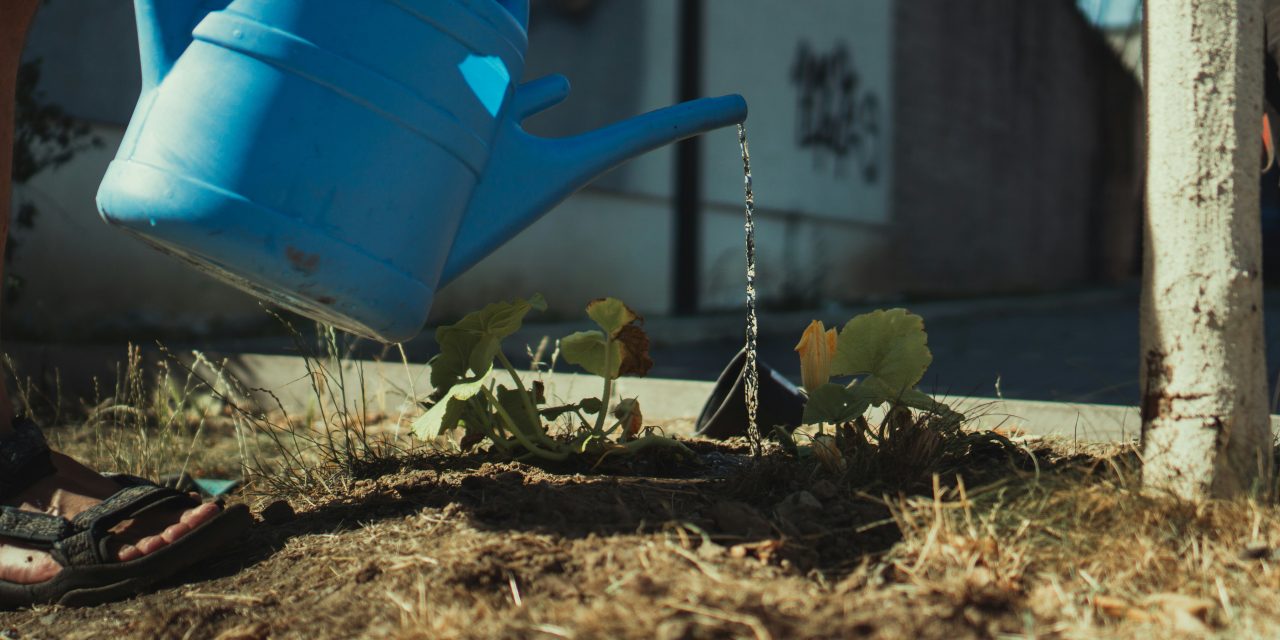
Effective watering techniques include deep watering, which encourages deep root growth, and using drip irrigation systems that deliver water directly to the plant roots. Soaker hoses and watering cans can also be effective for targeted watering, minimizing water waste and ensuring that moisture reaches the soil.
How can I tell if my plants need water?
Signs that plants need water include wilting leaves, dry soil, and leaf discoloration. You can also check the soil moisture by sticking your finger about an inch into the soil; if it feels dry, it’s time to water. Additionally, some plants may droop or have curled leaves when they are thirsty.
What factors can affect my watering schedule?
Several factors can affect your watering schedule, including weather conditions (temperature, humidity, and rainfall), soil type (sandy soils drain faster than clay), and the specific needs of different plants. Seasonal changes also play a role, as plants may require more water during hot summer months and less during cooler seasons.