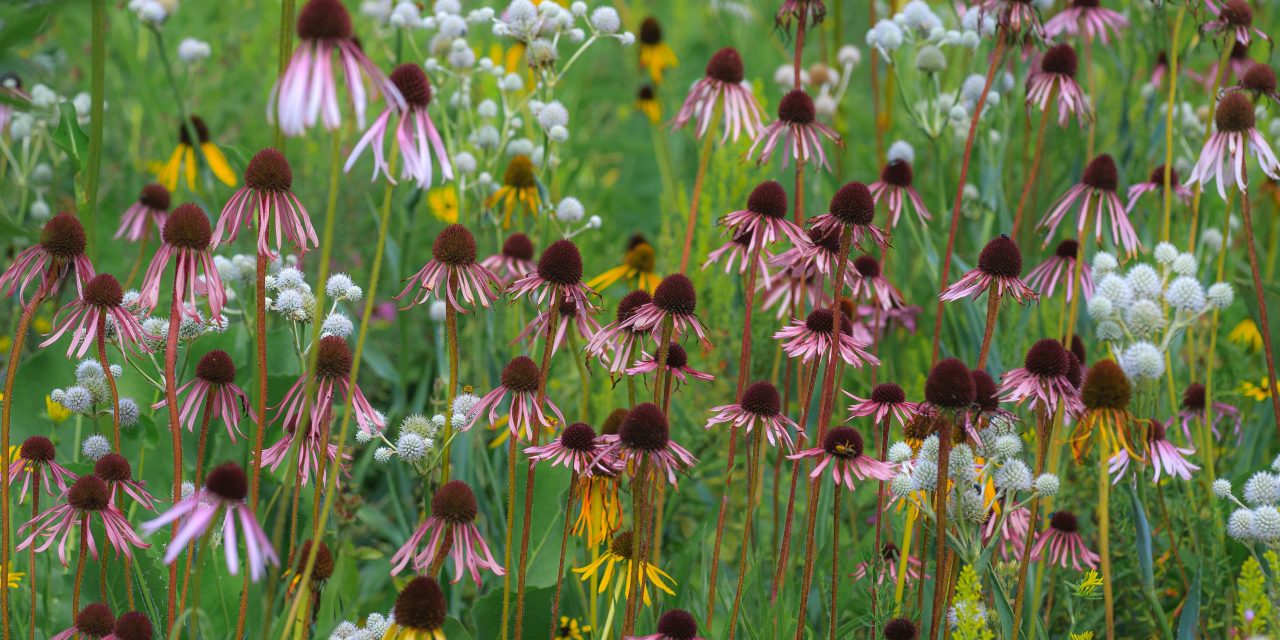
Native plant gardens offer a multitude of ecological, aesthetic, and practical benefits that contribute to the overall health of local ecosystems. By utilizing plants that are indigenous to a specific region, gardeners can create landscapes that require less maintenance, reduce water usage, and promote biodiversity. Native plants are adapted to local soil types, climate conditions, and wildlife interactions, making them more resilient than non-native species. This resilience translates into lower susceptibility to pests and diseases, which often plague exotic plants.
Moreover, native gardens play a crucial role in supporting local wildlife. They provide essential habitats for pollinators such as bees, butterflies, and hummingbirds, which are vital for the pollination of many crops and wild plants. Additionally, these gardens serve as food sources for various birds and small mammals. By fostering a native plant garden, individuals contribute to the preservation of local flora and fauna, enhancing the ecological integrity of their surroundings.
Researching Native Plants Suitable for Your Region
Before embarking on the journey of creating a native plant garden, it is imperative to conduct thorough research on the species that thrive in your specific geographical area. Each region possesses unique climatic conditions, soil types, and ecosystems that dictate which native plants will flourish. Resources such as local botanical gardens, extension services, and native plant societies can provide invaluable information regarding suitable species.
When researching native plants, consider factors such as growth habits, bloom times, and seasonal interest. For instance, some plants may provide vibrant blooms in spring while others may offer striking foliage in autumn. Additionally, understanding the ecological roles of various species can help in selecting plants that support specific wildlife needs. Utilizing online databases or field guides can further enhance your knowledge and assist in making informed decisions about plant selection.
Choosing the Perfect Location for Your Garden

The location of your native plant garden is a critical factor that influences its success. Assessing sunlight exposure, drainage patterns, and proximity to existing vegetation will help determine the ideal site for planting. Most native plants thrive in full sun to partial shade; therefore, observing sunlight patterns throughout the day can guide your placement decisions.
Furthermore, evaluating soil drainage is essential to prevent waterlogging or drought stress. Areas with well-drained soils are typically more conducive to healthy root development. Additionally, consider the proximity to existing natural habitats or wildlife corridors; positioning your garden near these areas can enhance its ecological impact by providing additional resources for local wildlife.
Preparing the Soil for Native Planting

Soil preparation is a fundamental step in establishing a thriving native plant garden. Begin by conducting a soil test to assess pH levels and nutrient content. Native plants often prefer well-drained soils with specific pH ranges; understanding these parameters will guide amendments if necessary. For instance, if the soil is too acidic or alkaline, lime or sulfur can be added to adjust pH levels accordingly.
Once the soil composition is understood, clear the area of any invasive species or debris that may hinder growth. Incorporating organic matter such as compost can improve soil structure and fertility while enhancing moisture retention. Tilling the soil lightly can also promote aeration and root penetration. Proper soil preparation sets the foundation for healthy plant growth and long-term garden success.
Selecting a Variety of Native Plants for Diversity
Diversity is a cornerstone of a successful native plant garden. By selecting a variety of species that bloom at different times throughout the growing season, gardeners can create a dynamic landscape that attracts a wide range of pollinators and wildlife. Aim for a mix of perennials, annuals, shrubs, and grasses to provide varied textures and colors.
Incorporating plants with different growth heights can also add visual interest while creating layers within the garden. Taller species can serve as backdrops for shorter plants, while ground covers can help suppress weeds and retain moisture. Additionally, consider including plants that provide food sources for specific wildlife; for example, berry-producing shrubs can attract birds while nectar-rich flowers draw in pollinators.
Planning Your Garden Layout and Design
A well-thought-out layout is essential for maximizing both aesthetic appeal and ecological function in your native plant garden. Begin by sketching a design that incorporates pathways for easy access and observation. Consider grouping plants with similar water and sunlight requirements together to simplify maintenance.
Incorporating naturalistic elements such as boulders or logs can enhance the garden’s visual appeal while providing habitats for beneficial insects and small animals. Additionally, creating microhabitats within the garden—such as sunny spots for heat-loving plants or shaded areas for moisture-loving species—can further diversify the ecosystem. Thoughtful design not only enhances beauty but also promotes ecological resilience.
Planting Your Native Garden Step-by-Step
Once the planning phase is complete, it’s time to bring your vision to life by planting your native garden. Begin by marking out the locations of each plant according to your design plan. Dig holes that are twice as wide as the root ball but no deeper than necessary to accommodate the roots without burying the crown of the plant.
Carefully remove each plant from its container and gently loosen any tightly bound roots before placing it in the hole. Backfill with soil and water thoroughly to eliminate air pockets around the roots. It’s advisable to plant during cooler months or early spring when temperatures are mild; this allows plants to establish roots before facing summer heat.
Watering and Mulching Techniques for Native Plants
Proper watering techniques are crucial during the establishment phase of your native plant garden. While many native species are drought-tolerant once established, they require consistent moisture during their initial growth period. Water deeply but infrequently to encourage deep root development; this practice helps plants become more resilient over time.
Applying mulch around newly planted specimens can significantly benefit moisture retention while suppressing weed growth. Organic mulches such as shredded bark or straw not only improve soil quality as they decompose but also provide insulation against temperature fluctuations. A layer of 2-3 inches is typically sufficient; however, ensure that mulch does not touch the stems of plants to prevent rot.
Maintaining Your Garden: Weeding and Pruning Tips
Regular maintenance is essential for ensuring the long-term success of your native plant garden. Weeding should be performed consistently to prevent invasive species from outcompeting your native plants for resources. Hand-pulling or using mulch can effectively manage weed populations without resorting to chemical herbicides.
Pruning is another important aspect of maintenance; it encourages healthy growth and flowering in many native species. Deadheading spent blooms can promote additional flowering while removing dead or diseased branches helps maintain overall plant health. Regular observation will allow you to identify any issues early on and address them promptly.
Encouraging Wildlife with Your Native Plant Garden
One of the most rewarding aspects of cultivating a native plant garden is its ability to attract and support local wildlife populations. By incorporating a diverse array of flowering plants, you can create an inviting habitat for pollinators such as bees and butterflies. Additionally, providing food sources like seeds and berries will attract birds and small mammals.
Consider adding features such as birdhouses or water sources like shallow dishes or ponds to further enhance wildlife attraction. Creating brush piles or leaving some areas undisturbed can provide shelter for beneficial insects and small animals. By fostering biodiversity within your garden, you contribute positively to local ecosystems while enjoying the beauty of nature.
Troubleshooting Common Issues and Ensuring Long-Term Success
Despite careful planning and execution, challenges may arise in maintaining a native plant garden. Common issues include pest infestations, disease outbreaks, or environmental stressors such as drought or flooding. Identifying problems early is key; regular monitoring allows you to take action before issues escalate.
For pest management, consider introducing beneficial insects such as ladybugs or lacewings that prey on harmful pests naturally. In cases of disease, removing affected plants promptly can prevent spread while ensuring proper air circulation among remaining specimens reduces fungal issues. Implementing sustainable practices will help ensure your native plant garden thrives for years to come.
In summary, establishing a native plant garden offers numerous ecological benefits while enhancing local biodiversity and aesthetics. By researching suitable species, preparing soil effectively, planning layouts thoughtfully, and maintaining gardens diligently, individuals can create vibrant landscapes that support wildlife and contribute positively to their environment. Through careful attention to detail and ongoing management practices, gardeners can enjoy the beauty and resilience of their native plant gardens for generations to come.
FAQs
What are native plants?
Native plants are species that naturally occur in a specific region or ecosystem without human introduction. They have adapted to the local climate, soil, and wildlife, making them well-suited for the environment and often requiring less maintenance than non-native species.
Why should I start a native plant garden?
Starting a native plant garden supports local biodiversity, provides habitat for wildlife, and helps conserve water and reduce the need for fertilizers and pesticides. Native plants are also more resilient to local pests and diseases, making them easier to maintain.
How do I choose the right native plants for my garden?
To choose the right native plants, consider your local climate, soil type, and the specific conditions of your garden, such as sunlight and moisture levels. Research local native plant species or consult with local gardening experts or native plant societies for recommendations.
When is the best time to plant native plants?
The best time to plant native plants typically depends on the species and your local climate. Generally, spring and fall are ideal times for planting, as temperatures are moderate and rainfall is more consistent, allowing plants to establish their roots before extreme weather conditions.
How can I maintain my native plant garden?
Maintaining a native plant garden involves regular monitoring for pests and diseases, occasional weeding, and ensuring adequate water, especially during dry spells. Mulching can help retain moisture and suppress weeds. Native plants usually require less maintenance than non-native species, but periodic care will help them thrive.