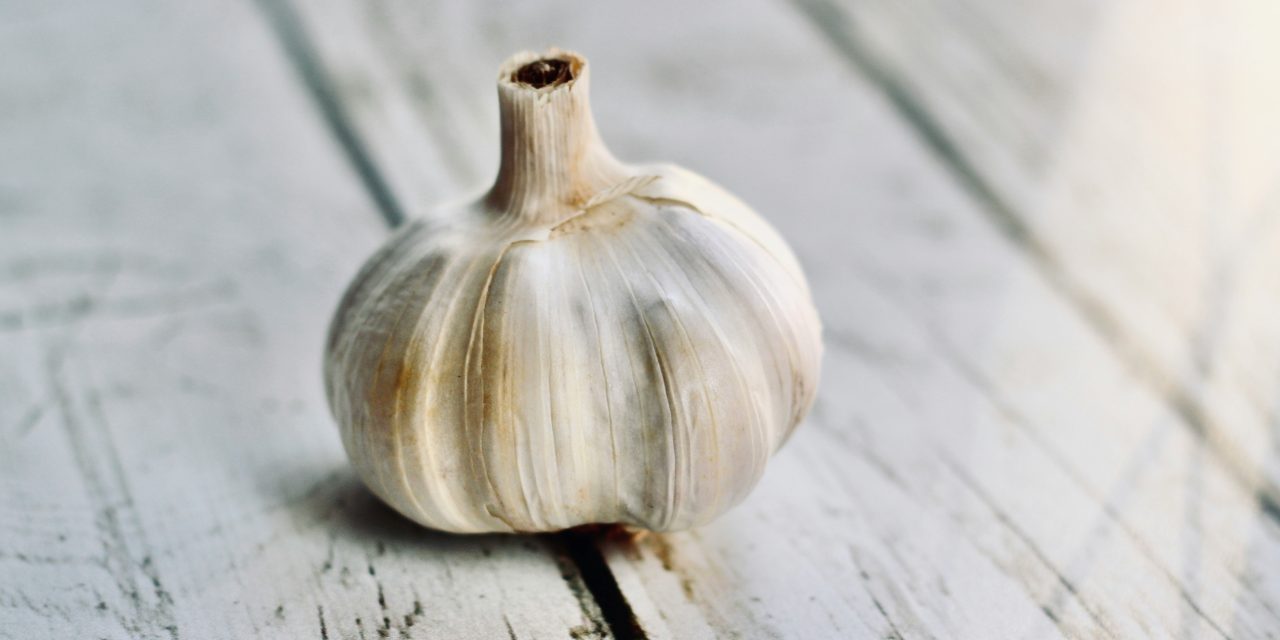
Garlic (Allium sativum) is a versatile and flavorful bulb that has been cultivated for thousands of years, not only for its culinary uses but also for its medicinal properties. Growing garlic from cloves is a straightforward process that allows gardeners to enjoy fresh, homegrown garlic with superior flavor compared to store-bought varieties. The practice of planting individual cloves rather than seeds is rooted in the plant’s biology; each clove has the potential to develop into a new bulb, making it an efficient method for propagation.
One of the primary reasons to grow garlic from cloves is the ease of cultivation. Garlic is a hardy plant that thrives in various climates, making it accessible to gardeners across different regions. Additionally, garlic possesses numerous health benefits, including antimicrobial properties and potential cardiovascular advantages. By growing your own garlic, you can ensure that it is free from pesticides and other chemicals, promoting a healthier lifestyle. Furthermore, homegrown garlic can be harvested at peak ripeness, resulting in a more robust flavor profile that enhances culinary dishes.
Choosing the Right Garlic Variety for Fall Planting
Selecting the appropriate garlic variety is crucial for successful cultivation. Garlic is generally categorized into two main types: hardneck and softneck. Hardneck varieties are known for their robust flavor and produce a flower stalk, or scape, which can be harvested and used in cooking. Softneck varieties, on the other hand, are more commonly found in grocery stores and have a longer shelf life, making them ideal for storage.
When choosing a variety for fall planting, consider your local climate and soil conditions. Hardneck varieties tend to perform better in colder climates, while softneck varieties thrive in milder regions. Some popular hardneck varieties include ‘Rocambole’ and ‘Porcelain,’ known for their rich flavors and adaptability to cold weather. Softneck options like ‘Silverskin’ and ‘Artichoke’ are excellent choices for warmer areas. Researching local growing conditions and consulting with local gardening experts can help you make an informed decision.
Selecting Healthy Cloves for Planting Success

The success of your garlic crop largely depends on the quality of the cloves you select for planting. Healthy cloves should be firm, plump, and free from any signs of disease or damage. Avoid using cloves from supermarket garlic, as they may be treated with chemicals to inhibit sprouting or may not be suited for your local climate.
When preparing to plant, choose cloves that are at least one inch in diameter for optimal growth. Larger cloves tend to produce larger bulbs, while smaller cloves may yield smaller bulbs. It’s also essential to separate the cloves from the bulb just before planting to minimize exposure to air and potential disease. Inspect each clove carefully, discarding any that show signs of mold, rot, or insect damage.
Preparing Your Soil for Optimal Garlic Growth

Garlic thrives in well-drained, fertile soil rich in organic matter. Before planting, it’s essential to prepare the soil adequately to ensure optimal growth conditions. Start by testing your soil’s pH level; garlic prefers a slightly acidic to neutral pH range of 6.0 to 7.0. If necessary, amend the soil with lime to raise pH or sulfur to lower it.
Incorporating organic matter such as compost or well-rotted manure can significantly enhance soil fertility and structure. Aim for a soil depth of at least 12 inches to allow for proper root development. Additionally, ensure that the planting area receives full sunlight for at least six hours daily, as this will promote healthy growth and bulb formation.
When and How to Plant Garlic Cloves in the Fall
Timing is critical when planting garlic cloves in the fall. Ideally, garlic should be planted about four to six weeks before the ground freezes, allowing the roots to establish before winter sets in. In most regions, this translates to planting between late September and early November.
To plant garlic cloves, create furrows in the prepared soil approximately 2 inches deep and spaced about 12 inches apart. Place each clove upright with the pointed end facing up and cover it with soil. After planting, gently tamp down the soil to eliminate air pockets and ensure good contact between the cloves and soil.
Proper Spacing and Depth: Key to Strong Garlic Bulbs
Proper spacing and planting depth are vital factors that influence the size and quality of garlic bulbs. When planting garlic cloves, maintain a spacing of 6 to 8 inches between each clove within the row. This spacing allows adequate airflow around each bulb, reducing the risk of disease and promoting healthy growth.
As mentioned earlier, planting depth should be around 2 inches; however, this may vary slightly depending on soil type and climate conditions. In heavier soils, a shallower depth may be beneficial to prevent waterlogging, while lighter soils may allow for deeper planting without issues. Consistent spacing and depth will contribute significantly to uniform bulb development.
Watering and Mulching Tips to Protect Garlic Over Winter
Garlic requires consistent moisture during its growing season but should not be overwatered, especially as winter approaches. After planting in the fall, water the cloves thoroughly to help establish roots but reduce watering as temperatures drop. Garlic is relatively drought-tolerant once established but will benefit from occasional watering during dry spells.
Applying mulch is an effective strategy for protecting garlic during winter months. A layer of straw or shredded leaves can insulate the soil, preventing freeze-thaw cycles that can damage young roots. Mulch also helps retain moisture and suppress weeds that compete for nutrients. Aim for a mulch layer of about 3 to 4 inches thick for optimal protection.
Monitoring Garlic Growth During the Cold Months
Throughout the winter months, monitoring garlic growth is essential for ensuring a successful harvest come summer. While garlic is dormant during this period, it’s crucial to check for signs of frost heaving or excessive moisture that could lead to rot. If you notice any bulbs pushing out of the ground due to frost heaving, gently press them back into place.
Additionally, keep an eye out for any signs of pests or diseases that may emerge during winter months. Although garlic is relatively resistant to many common pests, vigilance is key to preventing infestations from taking hold when growth resumes in spring.
Identifying and Managing Common Garlic Pests and Diseases
Garlic can be susceptible to various pests and diseases that may hinder growth or affect bulb quality. Common pests include onion maggots, thrips, and nematodes, which can damage roots and foliage if left unchecked. Regularly inspecting plants for signs of infestation—such as wilting leaves or unusual discoloration—can help catch problems early.
To manage pests effectively, consider implementing integrated pest management (IPM) strategies that include crop rotation, companion planting with pest-repelling plants like marigolds or basil, and using organic insecticides when necessary. Diseases such as white rot and downy mildew can also pose threats; practicing good sanitation by removing infected plants and ensuring proper spacing can help mitigate these risks.
Harvesting Garlic at the Right Time for Best Flavor
Timing your garlic harvest is crucial for achieving optimal flavor and storage longevity. Garlic is typically ready for harvest when the lower leaves begin to yellow and dry out while several upper leaves remain green—usually around mid-summer depending on your region’s climate.
To harvest garlic, gently loosen the soil around each bulb using a garden fork or spade without damaging them. Carefully lift each bulb from the ground by hand and shake off excess soil. Avoid washing bulbs before curing; instead, allow them to dry naturally in a shaded area with good airflow.
Storing and Curing Your Garlic for Long-Term Use
Proper curing and storage techniques are essential for preserving garlic’s flavor and extending its shelf life. After harvesting, tie together several bulbs by their stems or lay them out on a drying rack in a cool, dark place with good ventilation for about two weeks.
Once cured, store garlic in a cool (60-65°F), dark location with low humidity—such as a pantry or cellar—to prevent sprouting or decay. Softneck varieties can last several months when stored correctly; hardneck varieties typically have shorter shelf lives but offer unique flavors worth enjoying fresh.
In summary, growing garlic from cloves offers numerous benefits ranging from enhanced flavor to health advantages. By selecting suitable varieties for your climate, preparing soil adequately, monitoring growth throughout winter months, managing pests effectively, harvesting at the right time, and employing proper storage techniques, you can enjoy a bountiful supply of homegrown garlic year-round. With careful attention to detail throughout each stage of cultivation, even novice gardeners can successfully grow this beloved culinary staple in their own backyards.
FAQs
When is the best time to plant garlic cloves in the fall?
The best time to plant garlic cloves in the fall is typically 4-6 weeks before the ground freezes. This usually falls between late September and early November, depending on your local climate.
What type of garlic should I use for planting?
There are two main types of garlic: hardneck and softneck. Hardneck garlic is generally better suited for colder climates, while softneck garlic is more adaptable to warmer areas. Choose a variety that is well-suited to your local growing conditions.
How should I prepare the soil for planting garlic?
To prepare the soil for planting garlic, ensure it is well-drained and rich in organic matter. You can amend the soil with compost or well-rotted manure to improve fertility. Aim for a pH level between 6.0 and 7.0 for optimal growth.
How deep should I plant garlic cloves?
Garlic cloves should be planted about 2-3 inches deep, with the pointed end facing upwards. Space the cloves approximately 6 inches apart to allow for proper growth and airflow.
What care do garlic plants need during the fall and winter?
After planting, garlic requires minimal care during the fall and winter. It’s important to keep the area weed-free and ensure the soil remains moist but not waterlogged. Applying a layer of mulch can help protect the cloves from extreme cold and retain moisture.