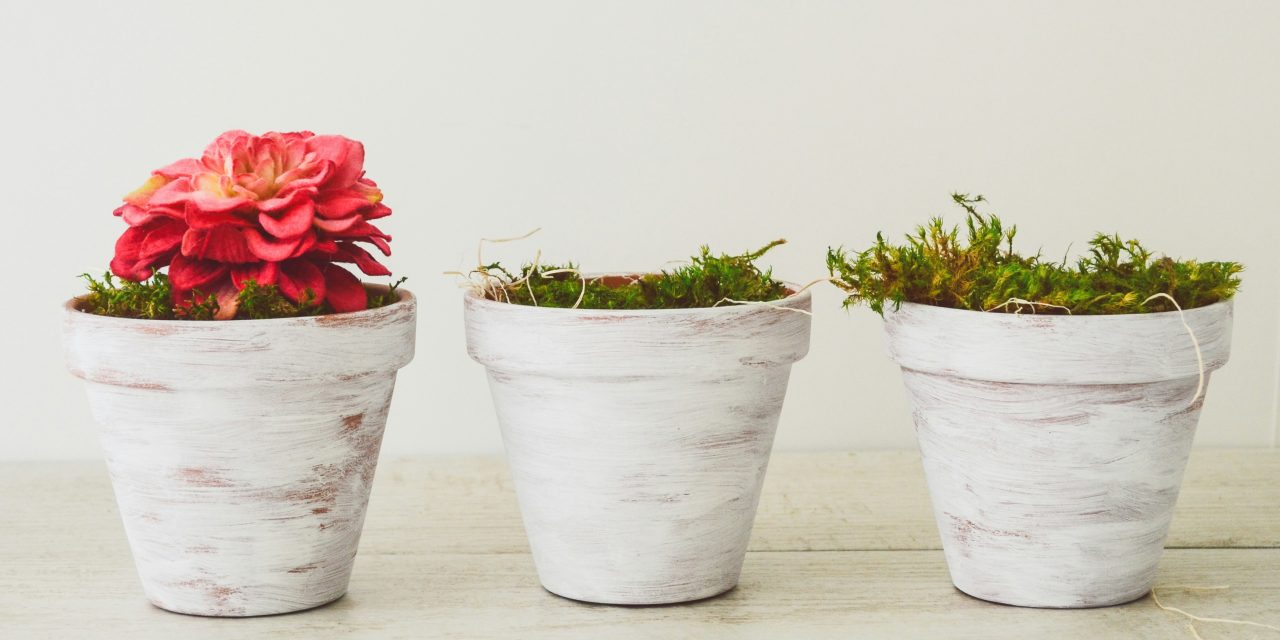
When embarking on the journey of cultivating dahlias in containers, selecting the appropriate varieties is paramount. Dahlias are renowned for their stunning blooms and come in a plethora of shapes, sizes, and colors. For container gardening, it is advisable to choose compact or dwarf varieties, as these are more suited to limited space and can thrive in pots without becoming overly leggy. Varieties such as ‘Bishop of Llandaff,’ with its striking dark foliage and vibrant red flowers, or ‘Gallery Art Deco,’ known for its petite stature and delightful blooms, are excellent choices for container cultivation.
Additionally, consider the bloom size and type when selecting dahlias for pots. Decorative dahlias, characterized by their full blooms, can create a lush appearance in containers. Meanwhile, pompon dahlias, with their spherical flowers, offer a unique aesthetic that can enhance any garden space. It is also beneficial to choose varieties that are known for their resilience against common pests and diseases, ensuring a more successful growing experience.
Selecting the Perfect Pot and Soil Mix
The choice of pot is critical for the successful growth of dahlias in containers. A pot that is at least 12 to 18 inches in diameter is ideal, providing ample space for root development. Ensure that the container has adequate drainage holes to prevent waterlogging, which can lead to tuber rot. Materials such as terracotta or plastic are popular options; terracotta offers breathability while plastic retains moisture better.
Equally important is the soil mix used for planting dahlias. A well-draining potting mix enriched with organic matter is essential for optimal growth. A blend of peat moss, perlite, and compost can create an ideal environment for dahlias. This combination ensures that the soil retains moisture while allowing excess water to drain away, preventing root diseases. Additionally, incorporating slow-release fertilizers into the soil mix can provide essential nutrients throughout the growing season.
Preparing Your Dahlia Tubers for Planting

Before planting, proper preparation of dahlia tubers is crucial to ensure healthy growth. Begin by inspecting the tubers for any signs of rot or damage; healthy tubers should be firm and plump with no soft spots. If necessary, trim any damaged areas with sterilized scissors to prevent infection. It is also advisable to soak the tubers in a solution of water and fungicide for about 30 minutes to eliminate any potential pathogens.
Once prepared, it is beneficial to allow the tubers to sprout before planting. Place them in a warm, bright location for a few weeks until shoots begin to emerge. This pre-sprouting process can lead to earlier blooms and a more vigorous plant overall. When ready to plant, ensure that the shoots are facing upwards and that the tubers are positioned at a depth of approximately 4 to 6 inches in the soil.
Planting Your Dahlias in Pots: Step-by-Step Guide

Planting dahlias in pots requires careful attention to detail to ensure successful establishment. Begin by filling the chosen container with your prepared soil mix, leaving about an inch of space at the top. Create a small hole in the center of the pot for the tuber, ensuring it is deep enough to accommodate the entire tuber without crowding it. Place the tuber in the hole with the shoots facing upwards and gently cover it with soil.
After planting, water the tuber thoroughly to settle the soil around it. It is essential not to overwater at this stage; allow the top inch of soil to dry out before watering again. Position the pot in a sheltered area initially to protect it from harsh winds and direct sunlight until new growth emerges. Once you see healthy shoots developing, gradually acclimate the plant to full sun exposure.
Optimal Placement: Finding the Best Spot for Sunlight
Dahlias thrive in full sunlight, requiring at least six hours of direct sunlight each day for optimal growth and blooming. When selecting a location for your potted dahlias, consider areas that receive ample sunlight throughout the day while also providing some protection from extreme heat or wind. A south-facing patio or balcony often serves as an ideal spot.
It is also important to rotate your pots periodically to ensure even exposure to sunlight on all sides of the plant. This practice encourages balanced growth and prevents plants from leaning towards light sources. Additionally, consider using reflective surfaces nearby, such as white walls or light-colored pots, which can help maximize light exposure.
Watering Techniques for Healthy Dahlia Growth
Watering is a critical aspect of dahlia care that directly impacts their health and blooming potential. Dahlias prefer consistently moist soil but are susceptible to root rot if overwatered. A general rule of thumb is to water deeply once or twice a week, depending on weather conditions and soil moisture levels. Always check the top inch of soil; if it feels dry, it’s time to water.
Employing effective watering techniques can enhance dahlia growth significantly. Using a soaker hose or drip irrigation system can provide consistent moisture without saturating the foliage, reducing the risk of fungal diseases. Additionally, watering early in the morning allows plants to absorb moisture before temperatures rise, minimizing evaporation loss.
Feeding Your Dahlias: Fertilizer Tips and Schedule
To promote vigorous growth and abundant blooms, dahlias require regular feeding throughout their growing season. Start by applying a balanced fertilizer with an N-P-K ratio of 10-20-20 or similar when planting tubers. This high phosphorus content encourages strong root development and flowering.
As dahlias grow, switch to a liquid fertilizer every four weeks during the active growing season. A fertilizer high in potassium will support blooming while maintaining overall plant health. Be cautious not to over-fertilize; excessive nutrients can lead to lush foliage at the expense of flowers. Always follow package instructions for application rates.
Supporting Your Dahlias: Stakes and Ties for Stability
As dahlias grow taller and produce heavy blooms, they may require support to prevent bending or breaking stems. Installing stakes early in the growing season is advisable; this allows you to secure plants without damaging roots later on. Use sturdy stakes that are at least 3 feet tall for taller varieties.
When tying dahlias to stakes, use soft ties or garden twine that won’t damage stems as they grow. Secure stems loosely at intervals along the stake to provide support while allowing for natural movement in the wind. Regularly check ties throughout the growing season and adjust as necessary to accommodate growth.
Deadheading and Pruning to Encourage More Blooms
To maintain continuous blooming throughout the season, deadheading—removing spent flowers—is essential. This practice encourages plants to redirect energy from seed production back into producing new blooms. Regularly inspect your dahlias and remove faded flowers just above the first set of healthy leaves.
Pruning can also enhance air circulation within dense foliage, reducing disease risk while promoting healthier growth. Trim back any yellowing or damaged leaves as needed throughout the growing season. This not only improves aesthetics but also allows more light penetration into the plant’s interior.
Managing Pests and Diseases in Potted Dahlias
Potted dahlias can be susceptible to various pests and diseases that may hinder their growth and flowering potential. Common pests include aphids, spider mites, and slugs; regular monitoring is crucial for early detection. Employing organic insecticidal soap or neem oil can effectively manage pest populations without harming beneficial insects.
Fungal diseases such as powdery mildew or tuber rot can also pose significant threats to dahlias grown in containers. To prevent these issues, ensure proper air circulation around plants by avoiding overcrowding and maintaining adequate spacing between pots. Additionally, avoid overhead watering; instead, focus on watering at the base of plants to keep foliage dry.
Overwintering Your Dahlia Tubers for Next Season
As winter approaches, preparing your dahlia tubers for overwintering is essential for ensuring their survival until the next growing season. Once frost threatens your dahlias, cut back foliage to about 4-6 inches above ground level and carefully dig up tubers using a spade or fork.
After harvesting, gently clean off excess soil and allow tubers to dry in a cool, dark place for several days. Once dried, store them in a breathable container filled with peat moss or vermiculite in a cool basement or garage where temperatures remain above freezing but below 50°F (10°C). Regularly check stored tubers throughout winter for signs of rot or dehydration.
In summary, cultivating dahlias in containers requires careful selection of varieties suited for limited space, appropriate potting materials, and diligent care practices including watering, feeding, and pest management. By following these guidelines and preparing tubers properly for overwintering, gardeners can enjoy vibrant blooms year after year while maximizing their gardening experience in confined spaces.
FAQs
What type of pot is best for growing dahlias?
When growing dahlias in pots, it’s best to choose a container that is at least 12-16 inches in diameter and has good drainage holes. Materials like terracotta or plastic are suitable, but ensure the pot is sturdy enough to support the weight of the plant as it grows.
How often should I water dahlias in pots?
Dahlias in pots should be watered regularly, especially during dry spells. Generally, you should water them when the top inch of soil feels dry. Ensure the pot has good drainage to prevent waterlogging, which can lead to root rot.
What type of soil is ideal for potted dahlias?
For potted dahlias, a well-draining potting mix is ideal. You can use a mix specifically designed for container plants or create your own by combining equal parts of potting soil, compost, and perlite or sand to enhance drainage.
When is the best time to plant dahlias in pots?
The best time to plant dahlias in pots is in the spring after the last frost date in your area. This typically means planting them between late April and early June, depending on your climate. Ensure the soil temperature is consistently above 60°F (15°C) for optimal growth.
How can I encourage blooming in potted dahlias?
To encourage blooming in potted dahlias, ensure they receive full sun for at least 6-8 hours a day. Additionally, regular deadheading of spent flowers and applying a balanced fertilizer every 4-6 weeks can promote more blooms throughout the growing season.