Selecting an appropriate site for your vegetable garden is paramount to its success. The ideal location should receive a minimum of six to eight hours of direct sunlight daily, as most vegetables thrive in bright light. Observing the sun’s path throughout the day can help identify areas that remain consistently illuminated. Additionally, consider the proximity to a water source, as easy access to irrigation can significantly reduce the labor involved in maintaining your garden.
Another critical factor is soil drainage. Vegetables prefer well-drained soil to prevent root rot and other moisture-related issues. Conducting a simple drainage test by digging a hole and filling it with water can provide insight into how quickly the soil drains. If the water takes longer than 24 hours to absorb, you may need to amend the soil or consider raised beds to improve drainage. Furthermore, avoid areas prone to flooding or heavy winds, as these conditions can adversely affect plant health.
Selecting Suitable Vegetable Varieties for Your Climate
Understanding your local climate is essential when choosing vegetable varieties for your garden. Different regions experience varying temperatures, humidity levels, and frost dates, which can significantly influence plant growth. For instance, cool-season crops such as lettuce, spinach, and peas thrive in temperate climates, while warm-season crops like tomatoes, peppers, and cucumbers flourish in warmer conditions.
Researching your USDA Plant Hardiness Zone can provide valuable insights into which vegetables are best suited for your area. This classification system divides regions based on their average annual minimum temperatures, allowing gardeners to select varieties that will thrive in their specific environment. Additionally, consider the length of your growing season; some vegetables require longer periods to mature than others. Opting for early-maturing varieties can help maximize your harvest within a limited timeframe.
Preparing and Enriching Your Soil Properly

Soil preparation is a foundational step in establishing a productive vegetable garden. Begin by testing your soil’s pH and nutrient levels using a soil testing kit. Most vegetables prefer a slightly acidic to neutral pH range of 6.0 to 7.0. Based on the results, you may need to amend your soil with lime to raise pH or sulfur to lower it.
Incorporating organic matter is crucial for enriching the soil and improving its structure. Adding compost, well-rotted manure, or leaf mold enhances nutrient content and promotes beneficial microbial activity. Aim for a soil composition rich in organic material, which not only provides essential nutrients but also improves moisture retention and aeration. Tilling the soil to a depth of at least 12 inches allows roots to penetrate easily and access nutrients more effectively.
Planning Your Garden Layout for Maximum Yield

A well-thought-out garden layout can significantly enhance productivity and ease of maintenance. Consider employing techniques such as companion planting, where certain plants are grown together to benefit one another. For example, planting basil alongside tomatoes can improve flavor and deter pests. Additionally, utilizing vertical gardening techniques can maximize space by allowing climbing plants like beans and cucumbers to grow upwards rather than outwards.
Implementing crop rotation is another effective strategy to maintain soil health and prevent pest infestations. By rotating different plant families each season, you can reduce the risk of soil-borne diseases and nutrient depletion. Furthermore, spacing plants appropriately is vital; overcrowding can lead to competition for resources and increased susceptibility to diseases. A well-planned layout not only optimizes yield but also simplifies maintenance tasks such as weeding and harvesting.
Timing Your Planting for Optimal Growth
Timing is critical when it comes to planting vegetables for optimal growth and yield. Understanding local frost dates is essential; planting too early or too late can jeopardize your crop’s success. Utilize local gardening calendars or resources from agricultural extensions to determine the best planting times for various vegetables in your region.
Additionally, consider using succession planting techniques to extend your harvest period. By staggering plantings every few weeks, you can ensure a continuous supply of fresh produce throughout the growing season. For instance, sowing lettuce seeds every two weeks will provide a steady supply of greens without overwhelming you with a single large harvest.
Implementing Efficient Watering Techniques
Water management is crucial for maintaining healthy vegetable plants. Overwatering can lead to root rot, while underwatering can stress plants and hinder growth. Implementing efficient watering techniques can help ensure that your garden receives adequate moisture without waste.
Drip irrigation systems are an excellent option for delivering water directly to the root zone while minimizing evaporation and runoff. Alternatively, soaker hoses can be laid out along rows of plants to provide consistent moisture over time. It’s essential to monitor soil moisture levels regularly; using a moisture meter can help determine when watering is necessary. Watering early in the morning or late in the evening reduces evaporation rates and allows plants to absorb moisture effectively.
Using Mulch to Retain Moisture and Control Weeds
Mulching is an effective practice that offers numerous benefits for vegetable gardens. Applying a layer of organic mulch—such as straw, wood chips, or shredded leaves—helps retain soil moisture by reducing evaporation rates. This practice is particularly beneficial during hot summer months when water loss can be significant.
In addition to moisture retention, mulch acts as a natural weed suppressant by blocking sunlight from reaching weed seeds and seedlings. This reduces competition for nutrients and water among your vegetable plants. As organic mulch decomposes over time, it also enriches the soil with valuable nutrients, further enhancing plant health.
Managing Pests and Diseases Organically
Maintaining a healthy vegetable garden requires vigilance against pests and diseases that can threaten plant health. Implementing organic pest management strategies is essential for minimizing chemical exposure while effectively controlling infestations.
Encouraging beneficial insects such as ladybugs and lacewings can help keep pest populations in check naturally. Planting flowers like marigolds or nasturtiums nearby attracts these helpful insects while deterring harmful ones. Additionally, using physical barriers such as row covers or insect netting can protect vulnerable plants from pests without resorting to chemical pesticides.
Regularly inspecting plants for signs of disease or pest damage allows for early intervention before infestations escalate. Employing crop rotation and maintaining proper spacing between plants can also reduce disease incidence by improving air circulation and minimizing overcrowding.
Providing Adequate Support for Climbing Plants
Climbing plants such as peas, beans, and cucumbers require adequate support to thrive and produce fruit effectively. Installing trellises or stakes provides these plants with the necessary structure to grow vertically, which not only saves space but also improves air circulation around foliage.
When selecting support structures, consider the height and weight of the plants you intend to grow. For instance, lightweight trellises made from bamboo or wire mesh work well for peas, while sturdier structures may be needed for heavier crops like tomatoes or cucumbers. Regularly checking supports throughout the growing season ensures that they remain stable as plants grow taller.
Regularly Monitoring and Maintaining Your Garden
Consistent monitoring and maintenance are vital components of successful vegetable gardening. Regularly inspecting plants for signs of stress, nutrient deficiencies, or pest infestations allows for timely interventions that can prevent larger issues from developing.
Weeding should be performed routinely to minimize competition for resources among your vegetables. Hand-pulling weeds or using hoeing techniques can effectively manage weed populations without disturbing the surrounding soil too much. Additionally, keeping an eye on soil moisture levels ensures that plants receive adequate hydration without becoming waterlogged.
Fertilization should also be part of your maintenance routine; applying organic fertilizers based on soil test results helps replenish nutrients that may be depleted over time. Following up with regular pruning of overgrown plants promotes healthy growth and improves air circulation within the garden.
Harvesting Vegetables at the Right Time for Best Flavor
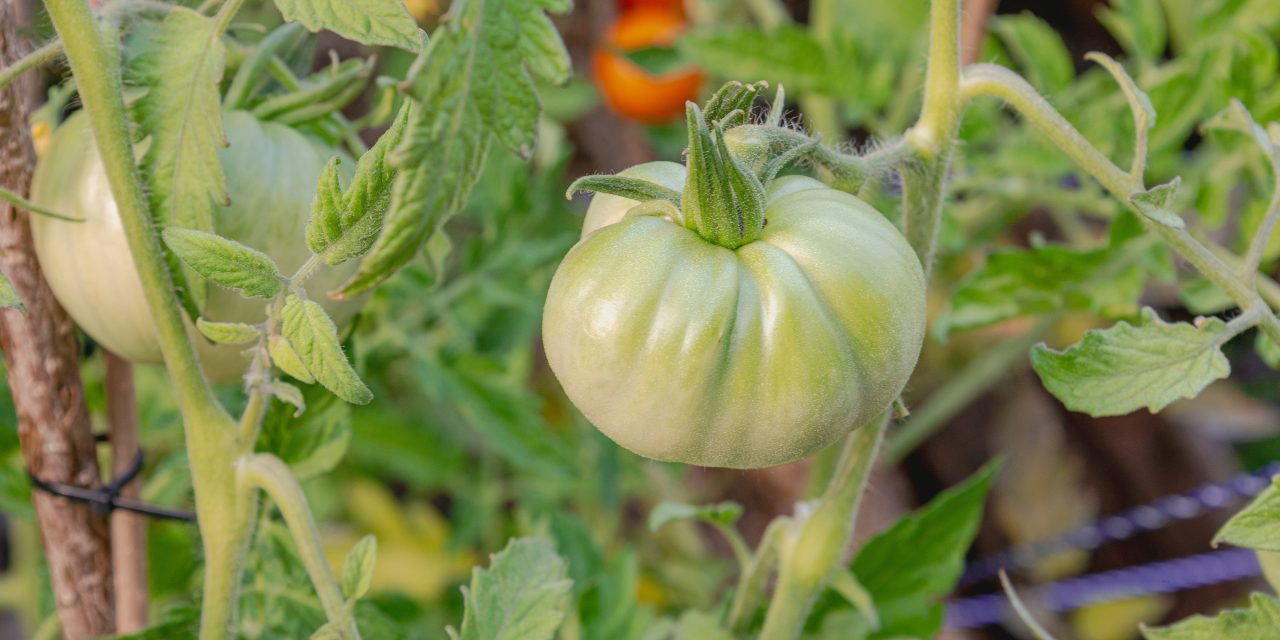
Harvesting vegetables at their peak ripeness is crucial for maximizing flavor and nutritional value. Each vegetable has its own optimal harvest time; for example, tomatoes should be picked when they are fully colored but still firm, while leafy greens are best harvested when young and tender.
Regularly checking plants for readiness ensures that you do not miss the ideal window for harvesting. Using sharp tools such as scissors or pruners minimizes damage to plants during the harvesting process. Additionally, harvesting in the early morning when temperatures are cooler helps preserve freshness and flavor.
In conclusion, establishing a successful vegetable garden involves careful planning and attention to detail across various aspects—from site selection and soil preparation to pest management and harvesting techniques. By implementing these strategies thoughtfully, gardeners can cultivate a thriving vegetable garden that yields delicious produce throughout the growing season.
In summary, choosing the right location, selecting suitable varieties, preparing soil properly, planning layouts efficiently, timing planting accurately, implementing effective watering techniques, using mulch wisely, managing pests organically, providing support for climbing plants, maintaining regular monitoring practices, and harvesting at peak ripeness are all integral components of successful vegetable gardening that contribute to bountiful yields and flavorful produce.
FAQs
What are the basic requirements for starting a vegetable garden?
To start a vegetable garden, you need a suitable location with at least 6-8 hours of sunlight daily, good soil that is rich in organic matter, access to water for irrigation, and appropriate tools such as a spade, rake, and trowel. Additionally, selecting the right vegetables for your climate and season is crucial for success.
How often should I water my vegetable garden?
Vegetable gardens typically require about 1 inch of water per week, either from rainfall or irrigation. It’s best to water deeply and less frequently to encourage deep root growth. During hot or dry spells, you may need to increase the frequency of watering, but always check the soil moisture first to avoid overwatering.
What types of vegetables are best for beginners?
Beginners should consider planting easy-to-grow vegetables such as radishes, lettuce, carrots, zucchini, and green beans. These vegetables are generally more forgiving and can thrive in a variety of conditions, making them ideal for novice gardeners.
How can I prevent pests and diseases in my vegetable garden?
Preventing pests and diseases can be achieved through several methods, including crop rotation, companion planting, maintaining good garden hygiene, and using organic pest control methods like neem oil or insecticidal soap. Regularly inspecting plants for signs of trouble and addressing issues promptly can also help keep your garden healthy.
When is the best time to plant vegetables?
The best time to plant vegetables depends on your local climate and the specific vegetables you want to grow. Generally, cool-season crops like peas and lettuce can be planted in early spring or late summer, while warm-season crops like tomatoes and peppers should be planted after the last frost date in spring. Always refer to a planting calendar specific to your region for optimal timing.