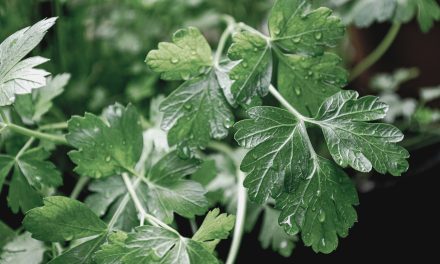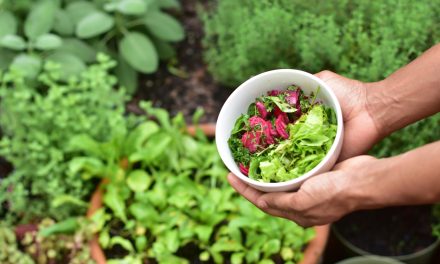
Organic gardening is a holistic approach to cultivating plants that emphasizes sustainability, biodiversity, and ecological balance. This method eschews synthetic fertilizers, pesticides, and genetically modified organisms (GMOs), focusing instead on natural processes to enhance soil health and plant vitality. The core philosophy of organic gardening revolves around nurturing the ecosystem, which includes soil microorganisms, beneficial insects, and the surrounding environment. By fostering a symbiotic relationship between plants and their surroundings, organic gardeners aim to create a self-sustaining system that minimizes human intervention.
At its essence, organic gardening is not merely a technique but a lifestyle choice that promotes environmental stewardship. It encourages individuals to reconnect with nature, understand the intricacies of plant growth, and appreciate the benefits of consuming food free from harmful chemicals. This practice not only yields nutritious produce but also contributes to the preservation of biodiversity and the reduction of pollution. As more people become aware of the adverse effects of conventional farming methods, organic gardening has gained popularity as a viable alternative for sustainable food production.
Choosing the Right Location for Your Garden
Selecting an appropriate location for your organic garden is crucial for its success. The ideal site should receive ample sunlight, ideally six to eight hours per day, as most vegetables and fruits thrive in bright conditions. Additionally, the area should have good drainage to prevent waterlogging, which can lead to root rot and other diseases. Observing the microclimates within your property can also provide insights into temperature variations and wind patterns that may affect plant growth.
Accessibility is another important factor when choosing a garden location. A site that is easily reachable allows for efficient maintenance, watering, and harvesting. Consider proximity to water sources for irrigation purposes, as well as the convenience of transporting harvested produce. Furthermore, it is essential to assess the soil quality in your chosen area. Conducting a soil test can reveal pH levels and nutrient content, enabling you to make informed decisions about amendments needed for optimal plant growth.
Preparing Nutrient-Rich Organic Soil

The foundation of any successful organic garden lies in its soil composition. Healthy soil is teeming with life, including beneficial bacteria, fungi, earthworms, and other microorganisms that contribute to nutrient cycling and plant health. To create nutrient-rich organic soil, start by removing any debris or weeds from the area. Next, amend the soil with organic matter such as compost, well-rotted manure, or leaf mold. These materials not only improve soil structure but also enhance its fertility by providing essential nutrients.
Incorporating cover crops into your gardening routine can further enrich the soil. Leguminous plants like clover or vetch fix nitrogen in the soil, while deep-rooted species help break up compacted layers and improve aeration. Regularly rotating crops also prevents nutrient depletion and reduces pest populations. By fostering a diverse soil ecosystem, you create an environment conducive to healthy plant growth and resilience against diseases.
Selecting Suitable Organic Seeds and Plants

Choosing the right seeds and plants is paramount in organic gardening. Opt for certified organic seeds that are free from synthetic treatments and genetically modified organisms. Many local nurseries offer a variety of organic seedlings that are well-suited to your climate and growing conditions. When selecting plants, consider factors such as disease resistance, growth habits, and compatibility with companion planting strategies.
It is also beneficial to choose heirloom varieties that have been passed down through generations. These plants often exhibit superior flavor and adaptability compared to hybrid counterparts. Additionally, incorporating native plants into your garden can attract beneficial pollinators and enhance biodiversity. By carefully selecting seeds and plants that align with your gardening goals, you set the stage for a thriving organic garden.
Implementing Companion Planting Techniques
Companion planting is a strategic approach that involves growing different plants in proximity to enhance growth and deter pests. This technique leverages the natural relationships between various species to create a balanced ecosystem within the garden. For instance, planting marigolds alongside vegetables can repel nematodes and aphids due to their natural insecticidal properties. Similarly, pairing basil with tomatoes can improve flavor while also repelling harmful insects.
Understanding the compatibility of different plants is essential for successful companion planting. Some combinations promote mutual benefits, while others may hinder growth or attract pests. Utilizing resources such as companion planting charts can help gardeners make informed decisions about plant pairings. By implementing these techniques, you can maximize space efficiency and promote healthier plants through natural interactions.
Watering Strategies for Healthy Growth
Effective watering strategies are vital for maintaining healthy plants in an organic garden. Overwatering can lead to root rot and fungal diseases, while underwatering can stress plants and hinder growth. A consistent watering schedule tailored to the specific needs of your plants is essential for optimal development. Early morning is often the best time to water, as it allows moisture to penetrate the soil before evaporation occurs.
Employing techniques such as drip irrigation or soaker hoses can conserve water while delivering moisture directly to the root zone. Mulching around plants can also help retain soil moisture by reducing evaporation rates. Monitoring weather conditions and adjusting your watering practices accordingly ensures that your plants receive adequate hydration without excess waterlogging.
Natural Pest Control Methods
Managing pests organically requires a multifaceted approach that prioritizes prevention over intervention. Encouraging beneficial insects such as ladybugs and lacewings can help control aphid populations naturally. Planting flowers like dill or yarrow can attract these helpful predators while providing habitat diversity within your garden.
In addition to attracting beneficial insects, employing physical barriers such as row covers or insect netting can protect vulnerable crops from pests without resorting to chemical pesticides. Regularly inspecting plants for signs of infestation allows for early intervention using organic solutions like neem oil or insecticidal soap when necessary. By fostering a balanced ecosystem and utilizing natural pest control methods, you can minimize damage while maintaining an organic gardening philosophy.
Using Organic Fertilizers and Compost
Organic fertilizers play a crucial role in providing essential nutrients to plants without harming the environment. Unlike synthetic fertilizers that can leach into waterways and disrupt ecosystems, organic options such as bone meal, fish emulsion, or kelp extract release nutrients gradually over time. This slow-release characteristic ensures that plants receive a steady supply of nourishment throughout their growth cycle.
Composting is another effective way to enrich soil organically. By recycling kitchen scraps, yard waste, and other biodegradable materials into nutrient-rich compost, gardeners can enhance soil fertility while reducing landfill waste. The composting process fosters microbial activity that breaks down organic matter into humus—a vital component of healthy soil. Incorporating compost into your garden not only improves nutrient availability but also enhances soil structure and moisture retention.
Mulching to Retain Moisture and Suppress Weeds
Mulching is an essential practice in organic gardening that serves multiple purposes: it retains soil moisture, suppresses weed growth, and regulates soil temperature. Organic mulches such as straw, wood chips, or shredded leaves break down over time, enriching the soil with nutrients while providing a protective barrier against evaporation.
Applying a layer of mulch around plants helps maintain consistent moisture levels by reducing evaporation rates during hot weather. Additionally, mulch acts as a natural weed suppressant by blocking sunlight from reaching weed seeds germinating in the soil below. Regularly replenishing mulch as it decomposes ensures continued benefits throughout the growing season.
Pruning and Maintenance for Optimal Yield
Regular pruning and maintenance are vital for maximizing yields in an organic garden. Pruning involves selectively removing dead or diseased branches to promote healthy growth and improve air circulation within the plant canopy. This practice not only enhances light penetration but also reduces the risk of fungal infections by minimizing humidity levels around foliage.
In addition to pruning, routine maintenance tasks such as weeding, staking plants for support, and monitoring for signs of disease are essential for maintaining plant health. Implementing a consistent maintenance schedule allows gardeners to address issues promptly before they escalate into larger problems that could jeopardize crop yields.
Harvesting and Storing Your Organic Produce
Harvesting at the right time is crucial for ensuring optimal flavor and nutritional value in your organic produce. Each type of fruit or vegetable has its own ideal harvest window; for instance, tomatoes should be picked when fully colored but still firm, while leafy greens are best harvested young for tenderness. Regularly checking your garden for ripe produce encourages continuous harvesting throughout the growing season.
Proper storage techniques are equally important in preserving the quality of harvested produce. Many fruits and vegetables benefit from refrigeration to extend shelf life; however, some items like potatoes or onions should be stored in cool, dark places away from direct sunlight. Utilizing breathable containers allows for air circulation while preventing moisture buildup that could lead to spoilage.
In summary, organic gardening is an enriching practice that promotes sustainability through natural methods of cultivation. By understanding key principles such as soil health, companion planting, pest management, and proper maintenance techniques, gardeners can create thriving ecosystems that yield nutritious produce while minimizing environmental impact. Embracing this holistic approach not only benefits individual gardeners but also contributes positively to global food systems by fostering biodiversity and ecological balance.
FAQs
What is organic gardening?
Organic gardening is a method of growing plants without the use of synthetic fertilizers, pesticides, or genetically modified organisms (GMOs). Instead, it focuses on natural processes and materials, such as compost, crop rotation, and biological pest control, to maintain soil health and promote plant growth.
What are the benefits of organic gardening?
Organic gardening offers numerous benefits, including improved soil health, reduced environmental impact, and enhanced biodiversity. It also produces food that is free from harmful chemicals, which can be healthier for consumers. Additionally, organic gardening can lead to better taste and nutritional value in fruits and vegetables.
How can I start an organic garden?
To start an organic garden, choose a suitable location with adequate sunlight and access to water. Prepare the soil by adding organic matter like compost or well-rotted manure. Select organic seeds or plants, and implement natural pest control methods. Regularly monitor your garden for pests and diseases, and practice crop rotation to maintain soil fertility.
What are some common organic gardening techniques?
Common organic gardening techniques include companion planting, which involves growing different plants together to enhance growth and deter pests; mulching to retain moisture and suppress weeds; and using organic fertilizers like compost or fish emulsion. Additionally, organic gardeners often employ natural pest control methods, such as introducing beneficial insects or using homemade sprays.
Is organic gardening more expensive than conventional gardening?
Organic gardening can be more expensive initially due to the cost of organic seeds, soil amendments, and pest control methods. However, over time, it can be cost-effective as it often leads to healthier plants and reduced need for chemical inputs. Additionally, growing your own organic produce can save money compared to purchasing organic products from stores.