Soil is the foundation of any successful garden, and understanding its type is crucial for optimal plant growth. Soil can be classified into several categories, including sandy, clay, silt, loamy, and chalky. Each type has distinct characteristics that affect drainage, nutrient retention, and aeration. For instance, sandy soil drains quickly but may not retain moisture or nutrients effectively. Conversely, clay soil retains water but can become compacted, hindering root development. Loamy soil, often considered the ideal gardening medium, combines the best properties of sand, silt, and clay, providing a balanced environment for plants.
To determine your soil type, a simple jar test can be conducted. By mixing soil with water in a clear jar and allowing it to settle, you can observe the layers formed by sand, silt, and clay. This knowledge will guide you in selecting appropriate amendments to improve your soil’s structure and fertility. For example, adding organic matter such as compost can enhance nutrient content and improve drainage in sandy soils while helping to break up compacted clay.
Choosing the Right Plants for Your Climate
Selecting plants that thrive in your specific climate zone is essential for a flourishing garden. The USDA Plant Hardiness Zone Map is a valuable resource that categorizes regions based on average annual minimum temperatures. Understanding your zone allows you to choose plants that are well-suited to withstand local weather conditions. For instance, if you reside in a warmer zone, consider drought-resistant varieties such as succulents or native perennials that can tolerate heat and require less water.
Additionally, consider microclimates within your garden. Areas that receive more sunlight or are sheltered from wind may support different plant species than shaded or exposed regions. Researching native plants is also beneficial; these species are adapted to local conditions and often require less maintenance. By selecting the right plants for your climate and microclimates, you can create a resilient garden that flourishes with minimal intervention.
Essential Gardening Tools for Beginners

Equipping yourself with the right tools is vital for effective gardening. Beginners should start with a basic toolkit that includes essential items such as a trowel, pruners, a hand rake, and a watering can. A trowel is indispensable for digging holes and transplanting seedlings, while pruners are essential for maintaining plant health through trimming and shaping. A hand rake helps in leveling soil and removing debris, ensuring a tidy garden bed.
In addition to these basics, consider investing in gloves to protect your hands from thorns and dirt. A sturdy garden fork can assist in aerating soil and mixing in amendments. As you gain experience, you may want to expand your toolkit with specialized tools like a hoe for weeding or a spade for larger digging tasks. Having the right tools not only makes gardening more efficient but also enhances your overall enjoyment of the process.
How to Prepare Your Garden Bed

Preparing your garden bed is a critical step that sets the stage for successful planting. Start by selecting an appropriate location that receives adequate sunlight—most vegetables and flowers thrive in full sun (6-8 hours daily). Once you’ve chosen your site, clear away any weeds, rocks, or debris that may hinder plant growth. This initial cleanup ensures that your plants have access to nutrients without competition from unwanted flora.
Next, loosen the soil using a garden fork or tiller to improve aeration and drainage. Incorporating organic matter such as compost or well-rotted manure enriches the soil with essential nutrients while enhancing its structure. Aim for a depth of at least 12 inches when preparing your bed to allow roots ample space to grow. Finally, level the surface and create rows or plots based on your planting plan. A well-prepared garden bed promotes healthy root development and sets the foundation for thriving plants.
Proper Planting Techniques
Planting techniques significantly influence the success of your garden. Begin by following the specific planting instructions for each type of plant regarding depth and spacing. Generally, seeds should be sown at a depth of two to three times their diameter, while seedlings should be planted at the same depth they were growing in their containers. Proper spacing is crucial to prevent overcrowding, which can lead to competition for nutrients and light.
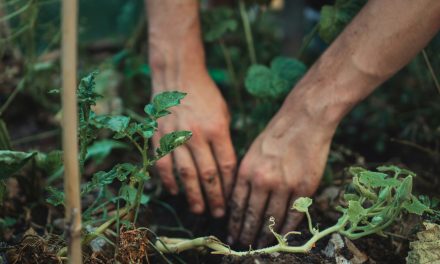
When planting seedlings, gently loosen the roots if they appear pot-bound before placing them in the ground. This encourages healthy root growth into the surrounding soil. After placing the plant in its hole, backfill with soil and gently firm it around the base to eliminate air pockets. Water thoroughly after planting to help settle the soil around the roots and provide moisture for establishment.
Watering: When and How Much
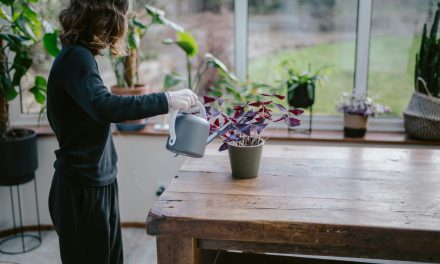
Watering is one of the most critical aspects of gardening that directly impacts plant health. The frequency and amount of water required depend on various factors such as plant type, soil type, and weather conditions. Generally, most plants benefit from deep watering once or twice a week rather than shallow daily watering. This encourages roots to grow deeper into the soil in search of moisture.
To determine when to water, check the top inch of soil; if it feels dry to the touch, it’s time to irrigate. Early morning is often the best time for watering as it allows plants to absorb moisture before the heat of the day causes evaporation. Employing drip irrigation or soaker hoses can help deliver water directly to the roots while minimizing waste. Monitoring rainfall and adjusting your watering schedule accordingly will ensure your plants receive adequate hydration without overwatering.
Importance of Mulching for Healthy Plants
Mulching is an essential practice that offers numerous benefits for garden health. Applying a layer of organic mulch—such as wood chips, straw, or shredded leaves—around plants helps retain soil moisture by reducing evaporation rates. This is particularly beneficial during hot summer months when water loss can be significant. Additionally, mulch acts as an insulating layer that moderates soil temperature fluctuations.
Beyond moisture retention, mulch suppresses weed growth by blocking sunlight from reaching weed seeds in the soil. This reduces competition for nutrients and space among your plants. As organic mulch decomposes over time, it enriches the soil with nutrients while improving its structure. Regularly replenishing mulch throughout the growing season ensures continued benefits for your garden ecosystem.
Basic Pest and Disease Control
Managing pests and diseases is crucial for maintaining a healthy garden environment. Regular monitoring of plants for signs of infestation—such as discolored leaves or visible insects—allows for early intervention before problems escalate. Integrated Pest Management (IPM) strategies combine cultural practices, biological controls, and chemical treatments when necessary.
Encouraging beneficial insects like ladybugs and lacewings can help control pest populations naturally. Additionally, rotating crops each season minimizes disease buildup in the soil by disrupting pest life cycles. If chemical intervention becomes necessary, opt for targeted treatments that minimize harm to beneficial organisms while effectively addressing pest issues.
Fertilizing: What, When, and How
Fertilizing is essential for replenishing nutrients in garden soil that may become depleted over time due to plant uptake or leaching from rainfall. Understanding when and how to fertilize is key to promoting healthy growth. Generally, applying fertilizer during the growing season—when plants are actively photosynthesizing—is most effective.
Choose between organic fertilizers (such as compost or fish emulsion) and synthetic options based on your gardening philosophy and plant needs. Organic fertilizers release nutrients slowly over time while improving soil health; synthetic fertilizers provide immediate nutrient availability but may require more frequent applications. Follow package instructions carefully regarding application rates and timing to avoid over-fertilization, which can harm plants.
Pruning and Deadheading Tips
Pruning and deadheading are vital practices that enhance plant health and encourage blooming throughout the growing season. Pruning involves selectively removing branches or stems to improve air circulation and light penetration within the plant canopy. This practice helps prevent disease by reducing humidity levels around foliage while promoting new growth.
Deadheading—removing spent flowers—encourages plants to produce more blooms rather than diverting energy into seed production. Use clean, sharp tools when pruning or deadheading to minimize damage to plants and reduce the risk of disease transmission. Timing is also important; prune flowering shrubs after they bloom to avoid cutting off next year’s flowers while maintaining perennials’ shape throughout their growing season.
Keeping a Gardening Journal for Success
Maintaining a gardening journal is an invaluable tool for both novice and experienced gardeners alike. Documenting observations about plant performance, weather conditions, pest occurrences, and successes or failures provides insights that inform future gardening decisions. A journal allows you to track planting dates, growth patterns, and seasonal changes over time.
In addition to recording successes, noting challenges faced—such as pest infestations or poor growth—can help identify patterns that may require adjustments in care practices or plant selection in subsequent seasons. By reflecting on past experiences documented in your journal, you can cultivate a more successful gardening journey while fostering a deeper connection with nature.
In summary, understanding soil types, selecting appropriate plants for your climate, utilizing essential tools effectively, preparing garden beds properly, employing correct planting techniques, managing watering schedules wisely, applying mulch strategically, controlling pests and diseases proactively, fertilizing appropriately, pruning effectively, and maintaining a gardening journal are all integral components of successful gardening practices. By implementing these strategies thoughtfully and consistently throughout each growing season, gardeners can cultivate thriving landscapes that bring joy and nourishment year after year.
FAQs
What are the essential tools needed for gardening?
Essential gardening tools include a trowel, pruners, a hand rake, a garden fork, a hoe, and a watering can or hose. These tools help with planting, weeding, pruning, and maintaining your garden effectively.
How do I choose the right plants for my garden?
Choosing the right plants involves considering your local climate, soil type, and the amount of sunlight your garden receives. Additionally, think about the maintenance level you can commit to and whether you prefer annuals, perennials, or a mix of both.
What is the best time to start a garden?
The best time to start a garden typically depends on your local climate and the types of plants you want to grow. Generally, spring is ideal for most vegetables and flowers, while some hardy plants can be started in late winter or early fall.
How often should I water my garden?
Watering frequency depends on the type of plants, soil conditions, and weather. Generally, gardens should receive about an inch of water per week, either from rainfall or irrigation. It’s best to water deeply and less frequently to encourage deep root growth.
What are some common pests and how can I manage them?
Common garden pests include aphids, slugs, and spider mites. Management strategies include introducing beneficial insects, using organic pesticides, and implementing physical barriers like row covers. Regular monitoring and early intervention are key to keeping pests under control.