Selecting the appropriate plants for your indoor environment is a crucial step in creating a thriving indoor garden. The choice of plants should align with the specific conditions of your space, including light availability, humidity levels, and temperature. For instance, if your indoor area receives ample sunlight, consider incorporating sun-loving species such as succulents, cacti, or various types of flowering plants. Conversely, if your space is characterized by low light, opt for shade-tolerant varieties like snake plants, pothos, or peace lilies, which can flourish in less-than-ideal lighting conditions.
Moreover, it is essential to consider the size and growth habits of the plants you choose. Larger plants like fiddle leaf figs or rubber trees can serve as striking focal points in spacious rooms, while smaller varieties such as spider plants or mini succulents are perfect for tabletops or shelves. Additionally, consider the maintenance level required for each plant; some species demand more attention and care than others. By carefully evaluating these factors, you can curate a diverse and harmonious indoor garden that enhances your living space.
Understanding Light Requirements
Light is one of the most critical factors influencing plant health and growth. Different species have varying light requirements, which can be categorized into three main types: low light, medium light, and bright light. Low-light plants thrive in indirect sunlight or shaded areas, making them ideal for rooms with limited natural light. Medium-light plants require some direct sunlight but can also adapt to indirect light conditions. Bright-light plants need several hours of direct sunlight daily to flourish.
To assess the light conditions in your indoor space, observe how sunlight enters throughout the day. South-facing windows typically receive the most sunlight, while north-facing windows provide the least. Utilizing sheer curtains can help diffuse harsh sunlight for sensitive plants. Additionally, consider using grow lights to supplement natural light, especially during winter months when daylight hours are shorter. By understanding and catering to the specific light needs of your plants, you can significantly enhance their growth and vitality.
Proper Watering Techniques

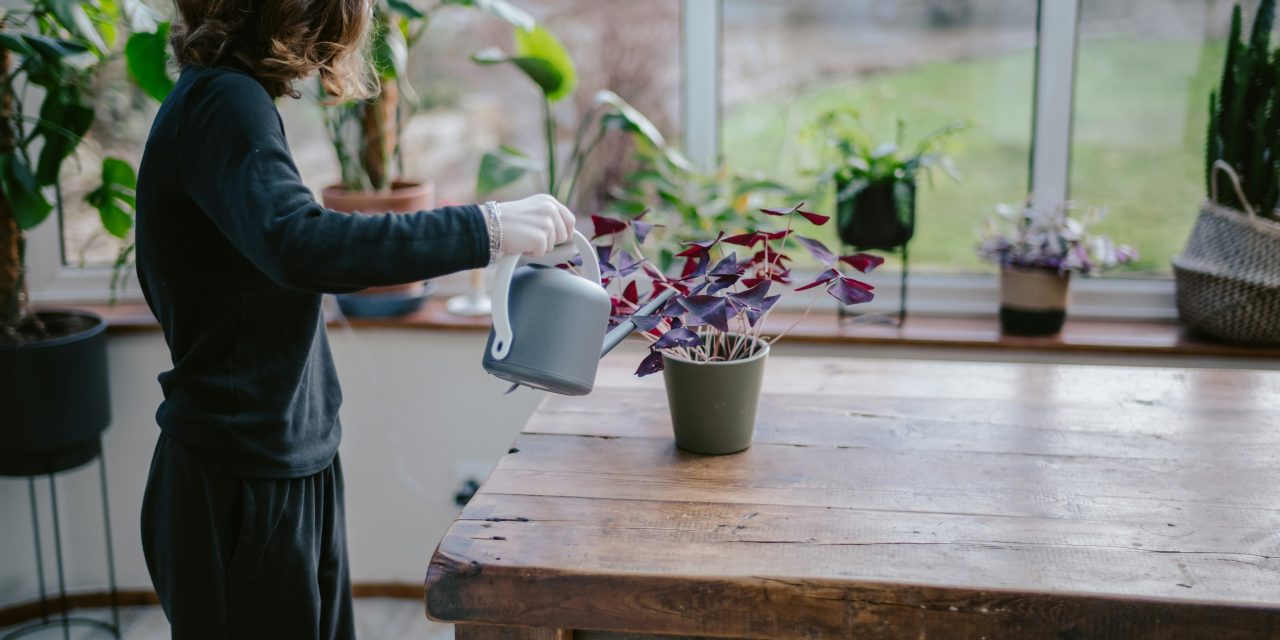
Watering is a fundamental aspect of plant care that requires careful attention to detail. Overwatering is one of the most common mistakes made by indoor gardeners and can lead to root rot and other detrimental conditions. To avoid this, it is essential to understand the watering needs of each plant species. Factors such as pot size, soil type, and environmental conditions all play a role in determining how often you should water.
A general rule of thumb is to check the top inch of soil; if it feels dry to the touch, it’s time to water. When watering, ensure that you provide enough moisture so that it drains out of the bottom of the pot, promoting healthy root growth. Additionally, consider using room-temperature water to avoid shocking the plant’s system. Implementing a consistent watering schedule tailored to each plant’s needs will foster a thriving indoor garden.
Selecting the Appropriate Soil Mix

The choice of soil mix is paramount for ensuring optimal plant health. Different plants have varying soil requirements based on their native habitats. For instance, succulents and cacti thrive in well-draining soil that prevents water retention, while tropical plants prefer a more moisture-retentive mix that retains nutrients. Commercial potting mixes are available for specific plant types, but creating your own blend can also be beneficial.
A typical potting mix may consist of peat moss, perlite, and vermiculite to enhance aeration and drainage. For orchids or epiphytic plants, a bark-based mix provides excellent drainage while retaining some moisture. It is crucial to avoid using garden soil indoors as it may contain pests or diseases that can harm your indoor plants. By selecting the right soil mix tailored to each plant’s needs, you can create an environment conducive to healthy growth.
Ensuring Adequate Humidity Levels
Humidity plays a significant role in plant health, particularly for tropical species that thrive in high-humidity environments. Indoor air can often be dry due to heating or air conditioning systems, which can lead to issues such as leaf browning or wilting. To maintain adequate humidity levels for your indoor plants, consider using a hygrometer to monitor moisture levels in the air.
There are several methods to increase humidity around your plants. Grouping plants together can create a microclimate with higher humidity levels due to transpiration. Additionally, placing trays filled with water and pebbles beneath pots can help increase moisture in the air as water evaporates. Regular misting can also provide temporary relief but should not replace other humidity-boosting methods. By ensuring adequate humidity levels, you can promote lush foliage and vibrant blooms.
Regular Fertilization Practices
Fertilization is essential for providing plants with the necessary nutrients they require for optimal growth and development. Indoor plants typically benefit from regular feeding during their active growing season, which usually spans from spring to early fall. The type of fertilizer used should be appropriate for the specific plant species; options include granular fertilizers, liquid fertilizers, or slow-release formulations.
When fertilizing, it is crucial to follow the manufacturer’s instructions regarding dosage and frequency to avoid over-fertilization, which can lead to nutrient burn or toxicity. A balanced fertilizer with equal parts nitrogen (N), phosphorus (P), and potassium (K) is suitable for most houseplants. Additionally, consider using organic fertilizers such as compost tea or fish emulsion for a more natural approach. By implementing a regular fertilization routine tailored to your plants’ needs, you can enhance their growth and overall health.
Pruning and Trimming for Healthy Growth
Pruning and trimming are vital practices that promote healthy growth and maintain the aesthetic appeal of indoor plants. Regularly removing dead or yellowing leaves encourages new growth and prevents disease spread within the plant. Additionally, pruning helps shape the plant and control its size, making it easier to manage within your indoor space.
When pruning, use clean and sharp tools to minimize damage and reduce the risk of infection. Focus on cutting just above a leaf node or branch junction to encourage new growth from that point. For flowering plants, deadheading spent blooms can stimulate further flowering and enhance overall appearance. By incorporating regular pruning into your plant care routine, you can ensure that your indoor garden remains vibrant and healthy.
Managing Pests and Diseases
Indoor plants are susceptible to various pests and diseases that can hinder their growth and vitality. Common pests include aphids, spider mites, mealybugs, and scale insects. Early detection is crucial for effective management; regularly inspect your plants for signs of infestation such as webbing or sticky residue on leaves.
There are several methods for managing pests organically; insecticidal soap or neem oil can effectively eliminate many common pests without harming beneficial insects. Additionally, introducing natural predators like ladybugs can help control pest populations naturally. For diseases caused by fungi or bacteria, ensure proper air circulation around your plants and avoid overhead watering to minimize moisture on leaves. By implementing proactive pest management strategies, you can protect your indoor garden from potential threats.
Repotting and Root Care
Repotting is an essential practice that allows plants to thrive by providing them with fresh soil and more space for root growth. Signs that a plant needs repotting include roots growing out of drainage holes or stunted growth despite proper care. Typically, repotting should occur every 1-2 years during the spring when plants are actively growing.
When repotting, gently remove the plant from its current pot and inspect the root system for any signs of rot or damage. Trim away any unhealthy roots before placing the plant in a new pot with fresh soil mix that suits its needs. Ensure that the new pot has adequate drainage holes to prevent waterlogging. By regularly repotting your indoor plants and caring for their roots, you can promote healthy growth and longevity.
Maintaining Optimal Temperature Conditions
Temperature plays a significant role in plant health; most indoor plants thrive within a temperature range of 65°F to 75°F (18°C to 24°C). Extreme temperature fluctuations can stress plants and lead to issues such as wilting or leaf drop. It is essential to place your indoor garden away from drafts caused by windows or heating vents.
During colder months, consider using a thermometer to monitor temperature levels around your plants consistently. If temperatures drop significantly at night or during winter months, consider using heat mats designed for plant care to maintain warmth without overheating them. By maintaining optimal temperature conditions tailored to each plant’s needs, you can foster an environment conducive to healthy growth.
Utilizing Proper Air Circulation
Air circulation is often overlooked but is vital for maintaining healthy indoor plants. Stagnant air can lead to increased humidity levels around foliage, creating an environment conducive to fungal diseases such as powdery mildew or root rot. To promote proper air circulation within your indoor garden, ensure that there is adequate spacing between plants.
Using fans strategically placed around your indoor garden can help improve airflow without causing drafts that may stress sensitive species. Additionally, regularly rotating pots can expose all sides of the plant to light while preventing uneven growth patterns. By prioritizing proper air circulation within your indoor space, you can significantly reduce the risk of disease while promoting robust plant health.
In summary, cultivating an indoor garden requires careful consideration of various factors including plant selection, light requirements, watering techniques, soil mix selection, humidity levels, fertilization practices, pruning methods, pest management strategies, repotting routines, temperature maintenance, and air circulation management. By understanding these elements and implementing best practices tailored to individual plant needs, you can create a thriving indoor oasis that enhances both aesthetics and well-being in your living space.
FAQs
What are the basic requirements for indoor plant care?
Indoor plants generally require adequate light, proper watering, suitable humidity levels, and appropriate soil. Most indoor plants thrive in bright, indirect sunlight, while some can tolerate low light. Watering should be done when the top inch of soil feels dry, and humidity can be increased with misting or using a humidifier. Additionally, using well-draining potting soil is essential to prevent root rot.
How often should I water my plants?
The frequency of watering depends on the type of plant, the size of the pot, and environmental conditions. As a general rule, most houseplants should be watered when the top inch of soil is dry. It’s important to check the moisture level regularly, as overwatering can lead to root rot, while underwatering can cause wilting and stress.
What type of fertilizer should I use for my plants?
Choosing the right fertilizer depends on the specific needs of your plants. A balanced, all-purpose fertilizer is suitable for most houseplants, while others may require specialized formulas, such as those high in phosphorus for flowering plants. It’s best to fertilize during the growing season (spring and summer) and reduce or stop during the dormant months (fall and winter).
How can I tell if my plant is getting too much or too little light?
Signs of too much light include scorched or yellowing leaves, while too little light may cause leggy growth, small leaves, or a lack of flowering. Observing your plant’s growth pattern and leaf coloration can help you adjust its light exposure. If you notice these signs, consider moving your plant to a different location with more suitable lighting conditions.
What pests should I watch out for in my plants?
Common pests that affect houseplants include aphids, spider mites, mealybugs, and scale insects. Signs of infestation may include sticky residue on leaves, webbing, or visible insects. Regularly inspecting your plants and maintaining good hygiene can help prevent infestations. If pests are detected, treatments such as insecticidal soap or neem oil can be effective in managing them.