Almost everyone has killed a plant. Usually it happens in the first year, and usually it happens because a perfectly nice nursery plant was put in the wrong spot or loved a little too much with the watering can. The good news is that some plants shrug off that kind of treatment. They tolerate dim corners, skipped waterings, dry air, and the occasional long vacation, and they keep looking respectable through all of it.
This guide covers ten of those forgiving plants, six for indoors and four for the yard, along with the practical details that make the difference: how much light each one really wants, how often to water, what pests to watch for, and which ones are unsafe for curious pets and kids. No plant is truly unkillable, so we’ll also talk about the few mistakes that sink even the toughest species, and how to tell when a problem needs more than a gardener’s patience.
Key takeaways
- Most “tough” plants evolved to store water in leaves, stems, or roots, so they handle dry spells far better than soggy soil.
- Overwatering kills more houseplants than neglect does. When in doubt, wait a few more days.
- Match the plant to the light you actually have, not the light you wish you had. A bright north window and a sunny south window are very different places.
- Several of the easiest houseplants, including pothos, peace lily, snake plant, and ZZ plant, are toxic to cats, dogs, and people if chewed or swallowed. Spider plant is generally considered non-toxic to cats and dogs.
- Always use a pot with drainage holes, and empty any saucer after watering.
- A new plant needs a few weeks to settle in. Resist the urge to repot, fertilize, and move it all in the first week.
- Check the ASPCA toxic plant list before bringing home any plant if you share your space with animals.
What “almost impossible to kill” really means
No gardener should promise you a plant you cannot kill. What we can say is that certain plants have a wide margin for error. A fern wants steady moisture and humidity, so a forgotten week can leave it crispy. A snake plant, by contrast, can sit in a dim hallway for a month without being watered and still look fine. That wide margin is what makes a plant beginner-friendly.
The margin comes from a few features. Thick, waxy leaves and fleshy stems hold water. Underground rhizomes and tubers act as small pantries. Slow growth means the plant needs less of everything, including fertilizer and repotting. And tolerance for low light means you do not have to rearrange your living room around a plant’s needs.
The three things every plant still needs
Even the toughest plant needs a workable amount of light, water, and root space. Light comes first. A plant in a closet with no window will slowly starve no matter how well you water it, because it cannot make food without light. Water comes second, and it is mostly a matter of restraint. Root space is the third piece: a pot that is far too large holds wet soil around a small root system, which invites rot, while a pot that is badly root-bound dries out within a day or two.
Reading your light before you shop
Before you buy anything, spend a day watching your room. Stand where you want the plant to live and look at the nearest window.
- Low light: A north-facing window, or a spot more than 8 feet (2.4 m) from any window. You can read a book here in the daytime, but only just. Shadows are faint or absent.
- Medium light: An east window, or a spot a few feet back from a south or west window. Shadows are soft but visible.
- Bright light: Within 3 feet (about 1 m) of a south or west window. Shadows are crisp. A few hours of direct sun may hit the leaves.
A quick tip: hold your hand a foot above the spot at midday. A sharp shadow means bright light, a fuzzy shadow means medium light, and a barely visible shadow means low light. It is not scientific, but it is surprisingly useful.
Quick comparison of the ten plants
| Plant | Where it grows | Light | Watering rhythm | Pet and child safety |
|---|---|---|---|---|
| Pothos | Indoors | Low to bright, indirect | When top 2 inches (5 cm) are dry | Toxic if chewed |
| Snake plant | Indoors | Low to bright | Every 2 to 4 weeks | Toxic if eaten |
| ZZ plant | Indoors | Low to medium | Every 2 to 4 weeks | Toxic; sap can irritate skin |
| Spider plant | Indoors | Medium to bright, indirect | When top inch (2.5 cm) is dry | Generally considered non-toxic to cats and dogs |
| Peace lily | Indoors | Low to medium | Weekly, droops when thirsty | Toxic if chewed |
| Jade plant | Indoors | Bright, some direct sun | Every 2 to 3 weeks | Toxic to pets |
| Daylily | Outdoors, zones 3 to 9 | Full sun to part shade | Deeply, now and then | Very toxic to cats |
| Sedum | Outdoors, zones 3 to 9 | Full sun | Rarely once established | Mostly mild; varies by species |
| Hosta | Outdoors, zones 3 to 9 | Part to full shade | Weekly in dry weather | Toxic to dogs and cats |
| Catmint | Outdoors, zones 3 to 8 | Full sun | Rarely once established | Generally safe; cats may roll in it |
Zones and watering guidance are general. Your own conditions, pot size, and season will shift the numbers, so treat the table as a starting point and check the soil.
Six forgiving houseplants
1. Pothos
Pothos is the plant people mean when they say they killed everything but one. Its heart-shaped leaves, green or marbled with cream or gold, trail from shelves or climb a moss pole. It copes with low light, although variegated types lose some of their pattern when it is dim, and it recovers from wilting remarkably well.
Water when the top 2 inches (5 cm) of soil feel dry, usually every one to two weeks, less in winter. Droopy, slightly limp leaves are the plant’s way of asking for a drink, and it usually perks up within hours. Yellow leaves and a musty smell point the other way: too much water. Stem cuttings root readily in a glass of water on a windowsill, which makes pothos an easy plant to share.
Safety: Pothos contains calcium oxalate crystals and is toxic to cats, dogs, and people if chewed. Expect mouth irritation, drooling, and vomiting. Hang it out of reach or choose a different plant if you have a determined chewer.
2. Snake plant
Snake plant, also sold as mother-in-law’s tongue, grows stiff, upright, sword-shaped leaves in shades of green with pale banding. It is happiest when ignored. It stores water in its leaves, tolerates low light, and does fine in dry indoor air.
The one real way to kill it is with kindness. Water thoroughly, let the pot drain, and then wait until the soil is dry all the way through, which can take two to four weeks in a typical home and longer in winter. A mushy, collapsing base means rot has set in. If that happens, unpot the plant, cut away soft brown roots with clean scissors, and repot the firm portion in fresh, gritty potting mix.
Safety: Snake plant is toxic to cats and dogs when eaten, usually causing nausea, vomiting, and drooling. It is also not meant for children to chew on.
3. ZZ plant
The ZZ plant has glossy, deep green leaflets arranged along arching stems, and it looks almost artificial. Underground, thick potato-like rhizomes hold enough water to carry it through weeks of drought. It does well in low to medium light and grows slowly, which means you will rarely have to repot it.
Water every two to four weeks, once the soil has dried out completely. In a dim room, stretch the interval. A plant that is slightly underwatered will look fine. A plant that is overwatered will develop yellow leaves and soft stems, and by the time you notice, the rhizomes may already be mushy.
Safety: All parts of the ZZ plant are toxic if eaten, and the sap can irritate skin. Wash your hands after repotting or dividing it, and keep it away from pets and small children.
4. Spider plant
Spider plant sends out arching green or green-and-white striped leaves and, once it is comfortable, little plantlets on long stems that dangle like tiny spiders. It likes medium to bright indirect light and does not mind being slightly root-bound. It is also generally considered non-toxic to cats and dogs, which makes it a common first choice for pet households. Cats sometimes like to chew the leaves anyway, and a bit of vomiting from eating a lot of any plant material is possible, so it is still worth watching.
Water when the top inch (2.5 cm) of soil is dry. Brown leaf tips are the usual complaint, and they typically come from fluoride or salts in tap water, very dry air, or letting the soil swing from soggy to bone dry. Using filtered or rainwater, or letting tap water sit out overnight, helps some. Trim the brown tips with clean scissors, following the natural leaf shape.
5. Peace lily
Peace lily is a rare plant that tells you exactly what it needs. When it is thirsty, the whole plant sags dramatically. Water it and it stands back up within hours, usually none the worse. That built-in signal makes it a good teacher for beginners. It does well in low to medium light and appreciates a bit of humidity, though average household air is fine.
Water about once a week, and pay attention to the droop rather than the calendar. White spathes, the flower-like bracts, appear more reliably with brighter, indirect light. If you only get leaves, that is still a handsome plant.
Safety: Peace lily contains calcium oxalate crystals and is toxic to cats, dogs, and people when chewed. It is not a true lily, so it does not cause the kidney failure that real lilies can cause in cats, but it will still cause painful mouth irritation and drooling.
6. Jade plant
Jade plant is a succulent with thick, oval leaves and a woody trunk that gets more tree-like over the years. It wants a bright window with some direct sun, ideally a south or west exposure. In low light it stretches and sprawls.
Water deeply but infrequently. In spring and summer, every two to three weeks is typical, and in winter, perhaps once a month or less. Wrinkled, soft leaves mean it is thirsty. Squishy, translucent leaves or leaves dropping in bunches point to too much water. Use a gritty, fast-draining mix and a heavy pot, since a top-heavy jade tips over easily.
Safety: Jade plant is listed as toxic to cats and dogs. Vomiting, lethargy, and incoordination are possible if a pet eats it.
Four tough plants for the yard
7. Daylily
Daylilies thrive across USDA zones 3 to 9, take heat, cold, drought, and a range of soils, and they multiply without fuss. Plant them in full sun to part shade, with the crown (where leaves meet roots) just below the soil surface. Established clumps rarely need more than a deep soak during extended dry spells. Divide crowded clumps every three to five years in early fall or after bloom to keep flowering strong.
Safety: True lilies and daylilies are extremely dangerous to cats. Even small amounts of leaves, pollen, or vase water can cause acute kidney failure in cats. If you have a cat that goes outdoors, consider skipping daylilies altogether. If a cat may have chewed any part of one, call your veterinarian or an animal poison control service immediately rather than waiting for symptoms.
8. Sedum
Upright sedums and low, creeping types are succulent perennials that store water in their leaves. Choose a sunny spot with well-drained soil, and they will carry on through heat waves and neglect, typically in zones 3 to 9 depending on the variety. They bloom in late summer and fall, attract bees and butterflies, and look attractive standing through winter. Cut them back in early spring as new growth appears. Rich soil and too much water make upright types flop open in the center, so go easy on both.
Safety: Many sedums are mildly irritating at worst, but toxicity varies by species. Check the specific plant name against the ASPCA list.
9. Hosta
If your yard is shady, hostas are the gardener’s friend. Their bold foliage ranges from blue-gray to chartreuse to variegated, and they handle zones 3 to 9. They want part to full shade and soil that stays reasonably moist. Water weekly in dry stretches. The main enemies are slugs and snails, which chew ragged holes, and deer, which treat hostas as salad. For slugs, try hand-picking after dark, shallow containers of beer set at soil level, or iron phosphate baits labeled as safe around pets. Avoid metaldehyde slug baits entirely, since they are highly poisonous to dogs.
Safety: Hostas are toxic to dogs and cats, and cause vomiting and diarrhea if eaten.
10. Catmint
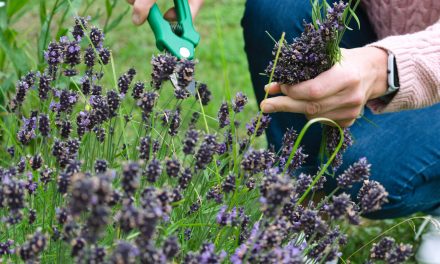
Catmint, a cousin of catnip, produces clouds of lavender-blue flowers from late spring into summer and has gray-green, aromatic foliage that deer and rabbits usually ignore. It likes full sun and well-drained soil, tolerates drought once established, and thrives in zones 3 to 8. Shear it back by about a third after the first flush of flowers fades, and it will rebloom. Some cats love to roll in it, which is harmless but can flatten the plant.
Safety: Catmint is generally considered safe for cats and dogs, though eating large amounts may upset a stomach.
A simple care routine that works for all of them
Watering by feel, not by calendar
Push a finger into the soil up to the second knuckle. If it comes out dry and clean, water. If it is damp or leaves soil clinging to your skin, wait. Lifting the pot helps too: a freshly watered pot is noticeably heavy, and a dry one feels light. When you water, do it thoroughly until water runs from the drainage holes, then empty the saucer after about fifteen minutes so the roots are not sitting in a puddle.
Feeding gently
These plants are not hungry. A balanced liquid houseplant fertilizer at half the label strength, once a month in spring and summer, is plenty. Skip feeding in fall and winter when growth slows. For outdoor perennials, a thin layer of compost spread around the base in spring does more good than a bag of chemical fertilizer. Never fertilize a plant that is bone dry or visibly stressed, because salts can burn damaged roots.
Repotting without drama
Repot when roots poke out of the drainage holes or circle the surface, usually every two to three years. Choose a pot only 1 to 2 inches (2.5 to 5 cm) wider than the old one. Spring is the best time. Spider plants and snake plants actually flower and thrive a bit when snug, so there is no hurry.
Handling pests the gentle way
The usual suspects indoors are fungus gnats, spider mites, and mealybugs. Fungus gnats are tiny flies that breed in constantly damp soil, so letting the surface dry out more between waterings usually solves them. For mealybugs, which look like bits of cotton, dab each one with a cotton swab dipped in rubbing alcohol. For spider mites, which leave fine webbing and stippled leaves, rinse the plant in the shower and wipe the leaves, repeating weekly. A diluted mild soap spray works for light infestations. Isolate any new plant for two weeks before putting it near the others.
Common mistakes
- Watering on a schedule. A plant in winter or a dim room uses far less water than the same plant in July. Check the soil first.
- Pots without drainage. Decorative cachepots are fine only if you keep the plant in a plastic nursery pot inside and pour off excess water.
- Giving a low-light plant no light at all. Tolerant is not the same as thriving in darkness. If a plant stretches, loses color, or stops growing, move it closer to a window.
- Burning a shade plant. A peace lily or hosta placed in hot afternoon sun will develop scorched, crispy patches.
- Repotting into a huge pot. More soil means more water held around too few roots.
- Moving the plant constantly. Plants adjust to their spot. Shuffling them every week can cause leaf drop.
- Assuming a plant is safe because it is common. Plenty of popular plants are toxic. Look each one up.
When to get expert help
If a pet or child has chewed or swallowed any part of a plant, do not wait for symptoms. In the US, call Poison Help at 1-800-222-1222 for people, or contact your veterinarian, an emergency clinic, or the ASPCA Animal Poison Control Center for pets. Have the plant’s name ready, or take a photo or a sample leaf. A cat that has gotten into any lily needs a vet immediately.
For the plant itself, a county Cooperative Extension office is a free, local resource. Many offices have Master Gardener volunteers who can identify a pest, diagnose a disease from a photo or sample, and tell you what grows well in your area. Reach out if a plant declines despite good care, if you see a pest you cannot identify, or if a whole bed of outdoor plants starts failing at once. A local independent nursery can also help with the right plant for a tricky spot.
Frequently asked questions
Can I really skip watering for a month?
Snake plants, ZZ plants, and jade plants can usually handle three or four weeks without water, especially in cool months. Pothos and peace lily will wilt sooner but often bounce back. For longer trips, water thoroughly just before you leave and move plants a few feet back from sunny windows to slow their water use.
Why are the leaves on my pothos turning yellow?
Most often it is overwatering. Check whether the soil stays wet for days. Occasional yellowing of one old leaf is normal. If many leaves yellow at once, look at the roots for brown, mushy sections and repot into fresh, well-draining mix.
What is the best plant for a room with no windows?
No living plant survives without any light. A plant under a grow light on a timer for 10 to 12 hours a day can work. Otherwise, rotate a snake plant or ZZ plant between that room and a brighter spot every few weeks.
Which of these are safe for cats and dogs?
Of the ten, spider plant is generally considered non-toxic to cats and dogs, and catmint is generally safe. The others range from mildly to seriously toxic. Always check the ASPCA toxic and non-toxic plant list for the exact species and variety.
Do I need to use fertilizer?
Not strictly. These plants survive without it, but a light monthly feed in the growing season produces larger leaves and better color. Err on the side of too little.
Should I mist my plants?
Misting raises humidity for only a few minutes and can encourage leaf spot on some plants. Peace lilies enjoy humidity, so group them with other plants or set the pot on a tray of pebbles with water below the pot’s base. The others are fine in ordinary room air.
When is the best time to buy and plant?
Houseplants can be bought any time, though spring gives them the longest growing season. Outdoor perennials can go in during spring or early fall, which gives roots time to settle before extreme weather.
Why does my plant look worse after I brought it home?
Plants raised in bright greenhouses often drop a few leaves when moved into a dimmer home. That is normal adjustment. Keep conditions steady, water carefully, and it should stabilize within a month.
Start with one or two plants that suit the light you actually have, and give them a few months. Notice how the soil dries, how the leaves look, and how the plant responds when you change something. That kind of attention is what turns a hopeful beginner into someone who can keep things alive, and most of the plants above will cheerfully forgive the learning curve along the way.