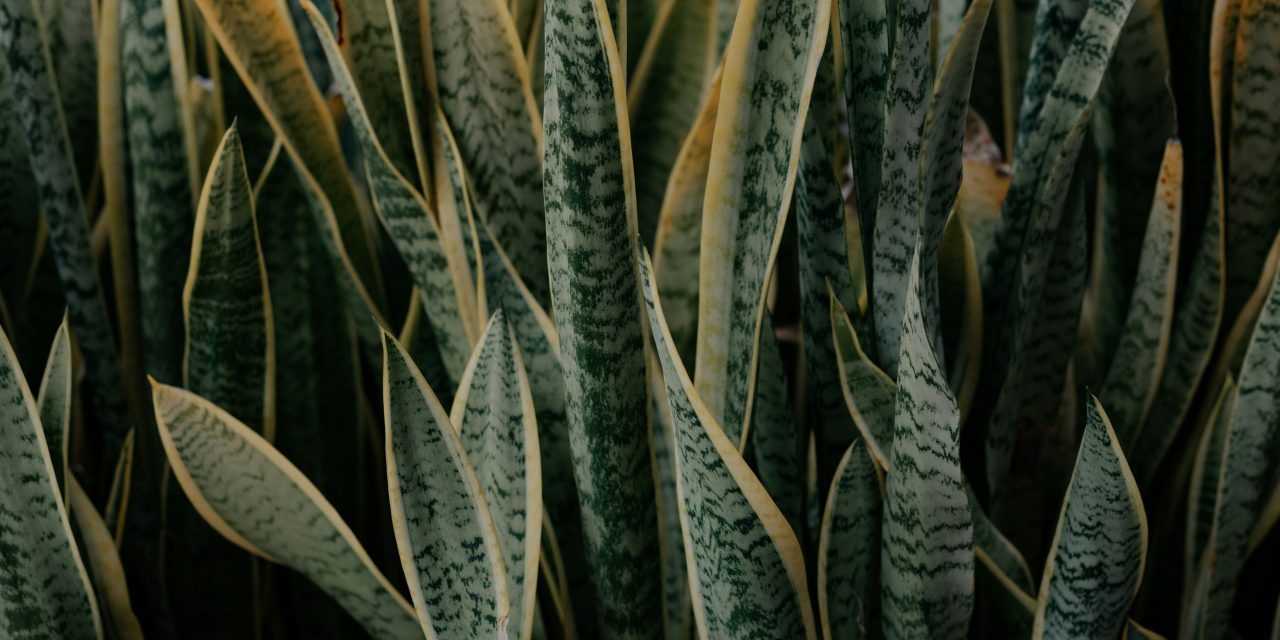
The snake plant, scientifically known as *Sansevieria trifasciata*, is a resilient houseplant celebrated for its striking foliage and air-purifying qualities. However, even this hardy species can exhibit signs of distress, most notably through yellowing leaves. This phenomenon can be alarming for plant enthusiasts, as it often indicates underlying issues that require immediate attention. Yellow leaves can be symptomatic of various environmental factors, including improper watering practices, inadequate lighting, nutrient deficiencies, pest infestations, and temperature fluctuations.
Understanding the causes of leaf yellowing is crucial for maintaining the health of your snake plant. By identifying the specific triggers, you can implement effective solutions to restore your plant’s vibrancy. This article delves into the common reasons behind yellowing leaves and provides actionable strategies for prevention and treatment. With proper care, your snake plant can thrive and continue to enhance your living space.
Overwatering: The Leading Cause of Yellow Leaves
Overwatering is frequently cited as the primary culprit behind yellowing leaves in snake plants. These hardy plants are native to arid environments and possess a unique ability to store water in their thick, succulent leaves. When exposed to excessive moisture, the roots become waterlogged, leading to a condition known as root rot. This fungal infection can severely compromise the plant’s health, resulting in yellowing foliage and eventual death if left untreated.
To prevent overwatering, it is essential to adopt a careful watering regimen. A general rule of thumb is to allow the top inch of soil to dry out completely before rehydrating the plant. Additionally, ensure that your pot has adequate drainage holes to facilitate excess water escape. If you suspect overwatering has occurred, consider repotting your snake plant in fresh, well-draining soil and trimming away any affected roots.
Underwatering and Its Impact on Leaf Health

While overwatering is a common issue, underwatering can also lead to yellowing leaves in snake plants. Insufficient moisture can cause the plant to become dehydrated, resulting in stress that manifests as yellowing or wilting foliage. The leaves may also appear shriveled or crispy at the edges, indicating that the plant is struggling to retain moisture.
To combat underwatering, it is vital to establish a consistent watering schedule tailored to your plant’s needs. Factors such as humidity levels, temperature, and pot size can influence how quickly the soil dries out. Regularly check the moisture level by inserting your finger into the soil; if it feels dry beyond the top inch, it’s time to water. Implementing a routine will help ensure your snake plant receives adequate hydration without risking over-saturation.
Insufficient Light: How Lack of Sunlight Affects Your Plant

Light exposure plays a pivotal role in the overall health of your snake plant. While these plants are known for their adaptability to low-light conditions, prolonged exposure to insufficient light can lead to yellowing leaves. Inadequate sunlight inhibits photosynthesis, the process by which plants convert light energy into chemical energy, ultimately affecting growth and vitality.
To remedy insufficient light conditions, consider relocating your snake plant to a brighter area where it can receive indirect sunlight. Ideally, snake plants thrive in bright, indirect light but can tolerate low-light environments for limited periods. If natural light is scarce in your home, you may also explore the option of using grow lights to supplement illumination. By ensuring your plant receives adequate light exposure, you can promote healthy growth and prevent leaf discoloration.
Nutrient Deficiencies: Identifying and Correcting Imbalances
Nutrient deficiencies can significantly impact the health of your snake plant, leading to yellowing leaves as a visible sign of distress. Essential nutrients such as nitrogen, potassium, and magnesium are crucial for maintaining vibrant foliage and overall plant vigor. A lack of these nutrients can result from poor soil quality or infrequent fertilization.
To address nutrient deficiencies, consider incorporating a balanced fertilizer into your care routine during the growing season (spring and summer). A diluted liquid fertilizer formulated for houseplants can provide essential nutrients without overwhelming the plant. Additionally, repotting your snake plant in fresh potting mix enriched with organic matter can help restore nutrient balance and promote healthy growth.
Pest Infestations: Spotting and Treating Common Enemies
Pest infestations pose a significant threat to the health of your snake plant and can lead to yellowing leaves if not addressed promptly. Common pests that may target snake plants include spider mites, mealybugs, and aphids. These pests feed on the sap of the plant, weakening its structure and causing discoloration.
To identify pest infestations early on, regularly inspect your snake plant for signs of damage or webbing on the leaves. If you notice any pests, treat the affected areas with insecticidal soap or neem oil, both of which are effective organic solutions for pest control. Additionally, maintaining proper humidity levels can deter pests from establishing themselves on your plant.
Temperature Stress: Effects of Extreme Heat or Cold
Temperature extremes can have detrimental effects on your snake plant’s health, leading to yellowing leaves as a response to stress. Snake plants prefer temperatures between 60°F and 80°F (15°C – 27°C) and are sensitive to sudden fluctuations or prolonged exposure to extreme heat or cold. Exposure to temperatures below 50°F (10°C) can cause significant damage and result in yellowing foliage.
To mitigate temperature stress, ensure that your snake plant is placed in an environment with stable temperatures away from drafts or direct heat sources such as radiators or air conditioning vents. If you live in an area with harsh winters or extreme summers, consider relocating your plant indoors during these periods to maintain optimal growing conditions.
Root Rot: Symptoms and Solutions for Healthy Roots
Root rot is a severe condition that arises from overwatering and poor drainage, leading to decaying roots that compromise the overall health of your snake plant. Symptoms include yellowing leaves, wilting foliage, and a foul odor emanating from the soil. If left untreated, root rot can be fatal.
To address root rot effectively, it is crucial to act swiftly. Begin by removing the plant from its pot and inspecting the roots for signs of decay. Healthy roots should be firm and white; any mushy or brown roots should be trimmed away using sterilized scissors. Repot the snake plant in fresh potting mix designed for succulents or cacti that promotes drainage. Adjust your watering practices moving forward to prevent recurrence.
Soil Quality: Choosing the Right Medium for Your Snake Plant
The quality of soil plays a vital role in maintaining healthy snake plants and preventing yellowing leaves. A well-draining potting mix is essential for allowing excess moisture to escape while retaining enough moisture for healthy growth. Standard potting soil may retain too much water for snake plants; therefore, it is advisable to use a specialized succulent or cactus mix.
When selecting soil for your snake plant, look for a blend that contains components such as perlite or sand to enhance drainage capabilities. Additionally, consider repotting every couple of years to refresh the soil and provide essential nutrients that may have been depleted over time.
Proper Watering Techniques to Prevent Yellowing
Implementing proper watering techniques is paramount in preventing yellowing leaves in snake plants. As previously mentioned, allowing the top inch of soil to dry out before watering is crucial for maintaining optimal moisture levels. Over time, you will develop an understanding of your plant’s specific needs based on environmental factors such as humidity and temperature.
When watering your snake plant, ensure that you thoroughly saturate the soil until water drains from the bottom of the pot. This practice encourages deep root growth while preventing surface-level watering that may lead to shallow root systems. Always empty any excess water from saucers beneath pots after watering to avoid prolonged exposure to moisture.
Step-by-Step Care Tips to Revive and Maintain Vibrant Leaves
Reviving a snake plant with yellowing leaves requires a systematic approach that addresses potential underlying issues while promoting overall health. Here are step-by-step care tips:
1. **Assess Watering Practices**: Evaluate your current watering schedule and adjust accordingly based on environmental conditions.
2. **Inspect Light Conditions**: Ensure your snake plant receives adequate indirect sunlight; consider relocating it if necessary.
3. **Check for Pests**: Regularly inspect leaves for signs of pests; treat infestations promptly with organic solutions.
4. **Evaluate Soil Quality**: Consider repotting in well-draining soil if you suspect nutrient deficiencies or poor drainage.
5. **Monitor Temperature**: Maintain stable temperatures within the ideal range; protect your plant from drafts or extreme conditions.
6. **Fertilize Appropriately**: Use a balanced fertilizer during the growing season to replenish nutrients.
7. **Be Patient**: Recovery may take time; monitor progress closely while providing consistent care.
By following these steps diligently, you can restore your snake plant’s health and maintain its vibrant foliage for years to come.
In summary, understanding the causes behind yellowing leaves in snake plants is essential for effective care and maintenance. Factors such as overwatering, underwatering, insufficient light, nutrient deficiencies, pest infestations, temperature stress, root rot, soil quality, and proper watering techniques all play critical roles in determining leaf health. By implementing preventive measures and addressing issues promptly when they arise, you can ensure that your snake plant remains a thriving addition to your home decor while enhancing indoor air quality through its natural purifying abilities.
FAQs
What causes yellowing leaves on a snake plant?
Yellowing leaves on a snake plant can be caused by several factors, including overwatering, underwatering, insufficient light, or nutrient deficiencies. Overwatering is the most common issue, as it can lead to root rot, which affects the plant’s ability to absorb nutrients and water.
How can I tell if I’m overwatering my snake plant?
Signs of overwatering include yellowing leaves, mushy or soft stems, and a foul smell coming from the soil. If the soil remains consistently wet and does not dry out between waterings, it is likely that you are overwatering your snake plant.
Can underwatering also cause yellow leaves on a snake plant?
Yes, underwatering can also lead to yellow leaves. If the plant is not receiving enough water, it may start to show signs of stress, including yellowing leaves, especially on the lower leaves. It’s important to ensure that the soil is allowed to dry out between waterings but not to the point of complete dryness.
Is it normal for older leaves to turn yellow on a snake plant?
Yes, it is normal for older leaves to turn yellow and eventually die off as part of the plant’s natural growth cycle. If the yellowing is limited to the older leaves and the new growth appears healthy, it may not be a cause for concern.
What should I do if my snake plant leaves are turning yellow?
If your snake plant leaves are turning yellow, first assess your watering habits and adjust accordingly. Ensure that the plant is in well-draining soil and that the pot has drainage holes. Additionally, check the light conditions and consider moving the plant to a brighter location if it is not receiving enough light. If the problem persists, inspect for pests or diseases.