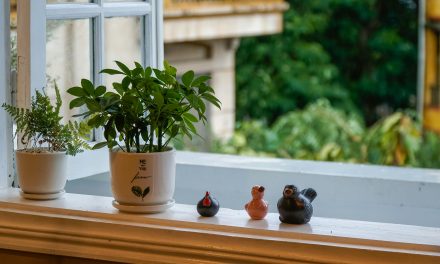
In the fast-paced world we inhabit, where time is often a luxury, the incorporation of indoor plants into our living spaces has emerged as a practical and aesthetically pleasing solution. Busy homes, characterized by hectic schedules and limited time for maintenance, can greatly benefit from the presence of resilient greenery. Indoor plants not only enhance the visual appeal of a space but also contribute significantly to the overall well-being of its inhabitants. They serve as natural air purifiers, improve humidity levels, and can even elevate mood and productivity.
Choosing the right indoor plants is crucial for those with demanding lifestyles. Selecting species that require minimal care while still providing maximum benefits can transform a home into a serene oasis. This article delves into various easy-to-care-for indoor plants that are perfect for busy individuals and families, highlighting their unique characteristics, benefits, and care requirements.
Benefits of Easy-to-Care-For Indoor Plants
The advantages of incorporating low-maintenance indoor plants into busy households are manifold. Firstly, these plants are typically hardy and adaptable, making them ideal for individuals who may not have a green thumb or ample time to dedicate to plant care. Many of these species thrive in a variety of lighting conditions and can withstand periods of neglect, ensuring that they remain vibrant even when attention is scarce.
Moreover, indoor plants contribute to improved air quality by filtering toxins and releasing oxygen. Studies have shown that certain plants can remove harmful substances such as formaldehyde, benzene, and carbon monoxide from the air, creating a healthier living environment. Additionally, the presence of greenery has been linked to reduced stress levels and enhanced cognitive function, making them an excellent addition to home offices or study areas.
Snake Plant (Sansevieria): The Resilient Air Purifier

The Snake Plant, scientifically known as Sansevieria, is a quintessential choice for busy homes due to its remarkable resilience and air-purifying capabilities. This hardy plant can thrive in low light conditions and requires minimal watering—typically only when the soil is completely dry. Its upright, sword-like leaves add a modern touch to any interior decor while effectively filtering indoor air pollutants.
One of the most compelling features of the Snake Plant is its ability to convert carbon dioxide into oxygen during the night, making it an excellent choice for bedrooms. This unique characteristic contributes to improved air quality while promoting better sleep. Furthermore, its low maintenance requirements make it an ideal companion for those with demanding schedules.
ZZ Plant (Zamioculcas zamiifolia): Low Maintenance and Stylish

The ZZ Plant, or Zamioculcas zamiifolia, is another exceptional option for busy households. Renowned for its glossy, dark green leaves and striking appearance, this plant thrives in low-light environments and requires infrequent watering—making it nearly indestructible. Its ability to tolerate neglect makes it perfect for individuals who may forget to tend to their plants regularly.
In addition to its aesthetic appeal, the ZZ Plant is known for its air-purifying properties. It effectively removes toxins from the air while adding a touch of elegance to any room. With its unique ability to adapt to various conditions, this plant is an excellent choice for both novice and experienced plant enthusiasts alike.
Pothos (Epipremnum aureum): The Versatile Vine
Pothos, scientifically referred to as Epipremnum aureum, is a versatile vine that has gained popularity among indoor plant enthusiasts for its adaptability and ease of care. This trailing plant can thrive in a range of lighting conditions—from low light to bright indirect sunlight—making it suitable for various spaces within the home.
One of the standout features of Pothos is its ability to purify indoor air by removing harmful substances such as formaldehyde and xylene. Its cascading vines can be trained to grow along shelves or hang from pots, adding a dynamic element to interior design. With minimal watering needs and a forgiving nature, Pothos is an ideal choice for busy individuals seeking a low-maintenance yet visually appealing plant.
Spider Plant (Chlorophytum comosum): Great for Air Quality
The Spider Plant, or Chlorophytum comosum, is celebrated not only for its striking appearance but also for its exceptional air-purifying abilities. This resilient plant features long, arching leaves adorned with small white flowers that develop into baby spiderettes—making it an attractive addition to any home.
Spider Plants are particularly effective at removing indoor pollutants such as formaldehyde and carbon monoxide from the air. They thrive in various lighting conditions and require minimal care—making them perfect for busy households. Regular watering is necessary, but they are forgiving if you occasionally forget. Their ability to propagate easily also allows plant lovers to share their green companions with friends and family.
Peace Lily (Spathiphyllum): Elegant and Tolerant
The Peace Lily (Spathiphyllum) is renowned for its elegant white blooms and lush green foliage. This plant not only adds beauty to any space but also excels in improving indoor air quality by filtering out harmful toxins such as ammonia and benzene. Peace Lilies thrive in low-light conditions and prefer consistently moist soil, making them relatively easy to care for.
One of the most appealing aspects of the Peace Lily is its ability to signal when it needs water; drooping leaves indicate that it’s time for a drink. This characteristic makes it an excellent choice for busy individuals who may not always remember their watering schedule. Additionally, Peace Lilies are known for their ability to bloom even in less-than-ideal conditions, providing ongoing beauty throughout the year.
Aloe Vera: Medicinal and Minimal Care
Aloe Vera is not only a popular succulent but also a powerhouse of medicinal properties. Known for its soothing gel that can be applied topically for burns and skin irritations, this plant requires minimal care and thrives in bright indirect sunlight. Aloe Vera prefers well-draining soil and should be watered sparingly—allowing the soil to dry out between waterings.
In addition to its health benefits, Aloe Vera contributes to improved indoor air quality by filtering out harmful chemicals such as formaldehyde and benzene. Its striking appearance makes it an attractive addition to any home decor while providing practical benefits that extend beyond aesthetics.
Rubber Plant (Ficus elastica): Bold and Hardy
The Rubber Plant (Ficus elastica) is known for its bold foliage and impressive height, making it a striking focal point in any room. This hardy plant thrives in bright indirect light but can also adapt to lower light conditions. Rubber Plants prefer slightly moist soil but are forgiving if you occasionally forget to water them.
In addition to their aesthetic appeal, Rubber Plants are effective at purifying indoor air by removing toxins such as formaldehyde. Their robust nature makes them suitable for busy households where maintenance may be limited. With proper care, Rubber Plants can grow quite large, adding a dramatic touch to your living space.
Philodendron: Adaptable and Attractive
Philodendrons are celebrated for their adaptability and diverse range of species that cater to various aesthetic preferences. These plants thrive in low-light conditions and require minimal watering—making them ideal companions for busy individuals. Their heart-shaped leaves add a touch of elegance to any room while effectively purifying indoor air.
Philodendrons are particularly forgiving when it comes to care; they can tolerate occasional neglect without suffering significant damage. Their climbing or trailing nature allows them to be displayed in various ways—whether cascading from shelves or climbing up trellises—making them versatile additions to any home decor.
Jade Plant (Crassula ovata): Succulent Beauty for Beginners
The Jade Plant (Crassula ovata) is a popular succulent known for its thick, fleshy leaves that store water—making it an excellent choice for those who may forget regular watering schedules. This plant thrives in bright light but can adapt to lower light conditions as well. Jade Plants are slow-growing but can live for decades with proper care.
In addition to their aesthetic appeal, Jade Plants are believed to bring good luck and prosperity according to Feng Shui principles. Their low maintenance requirements make them perfect for busy households looking for an attractive yet resilient plant option.
Cast Iron Plant (Aspidistra elatior): Tough and Long-Lasting
The Cast Iron Plant (Aspidistra elatior) lives up to its name by being one of the toughest houseplants available. It can withstand neglect, low light conditions, and varying temperatures—making it an ideal choice for busy homes where care may be inconsistent. Its dark green leaves provide a lush backdrop that complements any decor style.
This hardy plant requires minimal watering; allowing the soil to dry out between waterings is sufficient for its survival. The Cast Iron Plant’s resilience makes it an excellent option for beginners or those who may not have extensive gardening experience.
Tips for Keeping Indoor Plants Healthy in Busy Homes
To ensure that your indoor plants thrive despite your busy lifestyle, consider implementing the following tips:
1. **Choose Low-Maintenance Varieties**: Select plants known for their resilience and adaptability.
2. **Establish a Watering Schedule**: Set reminders on your phone or use self-watering pots to simplify care.
3. **Utilize Quality Soil**: Invest in well-draining potting soil that retains moisture without becoming waterlogged.
4. **Monitor Light Conditions**: Place plants in areas where they receive appropriate light based on their specific needs.
5. **Regularly Dust Leaves**: Keep foliage clean by gently wiping leaves with a damp cloth to enhance photosynthesis.
6. **Fertilize Sparingly**: Use diluted liquid fertilizer during the growing season but avoid over-fertilizing.
7. **Observe Plant Health**: Regularly check for signs of pests or disease; early intervention can prevent larger issues.
In conclusion, incorporating easy-to-care-for indoor plants into busy homes offers numerous benefits ranging from improved air quality to enhanced aesthetics. By selecting resilient species such as Snake Plants, ZZ Plants, Pothos, Spider Plants, Peace Lilies, Aloe Vera, Rubber Plants, Philodendrons, Jade Plants, and Cast Iron Plants, individuals can enjoy the beauty of nature without overwhelming maintenance demands. With proper care strategies in place, even those with hectic schedules can cultivate thriving indoor gardens that contribute positively to their living environments.
FAQs
What are some easy indoor plants for beginners?
Some easy indoor plants for beginners include pothos, snake plants, peace lilies, spider plants, and ZZ plants. These plants are known for their resilience and low maintenance requirements, making them ideal for those new to indoor gardening.
How much light do easy indoor plants need?
Most easy indoor plants thrive in indirect sunlight. While some, like snake plants and pothos, can tolerate low light conditions, others, such as peace lilies, prefer brighter, indirect light. It’s important to assess the specific light needs of each plant to ensure optimal growth.
How often should I water my indoor plants?
The watering frequency for indoor plants varies depending on the type of plant and environmental conditions. Generally, it’s best to water when the top inch of soil feels dry. Overwatering can lead to root rot, so it’s crucial to ensure proper drainage and not let plants sit in water.
What type of soil is best for indoor plants?
A well-draining potting mix is ideal for most indoor plants. Look for soil that contains components like peat moss, perlite, or vermiculite, which help retain moisture while allowing excess water to drain away. Specific plants may have unique soil requirements, so it’s good to research individual needs.
Can indoor plants improve air quality?
Yes, many indoor plants can improve air quality by filtering toxins and releasing oxygen. Plants like peace lilies, spider plants, and snake plants are known for their air-purifying properties, making them beneficial additions to indoor spaces for both aesthetics and health.