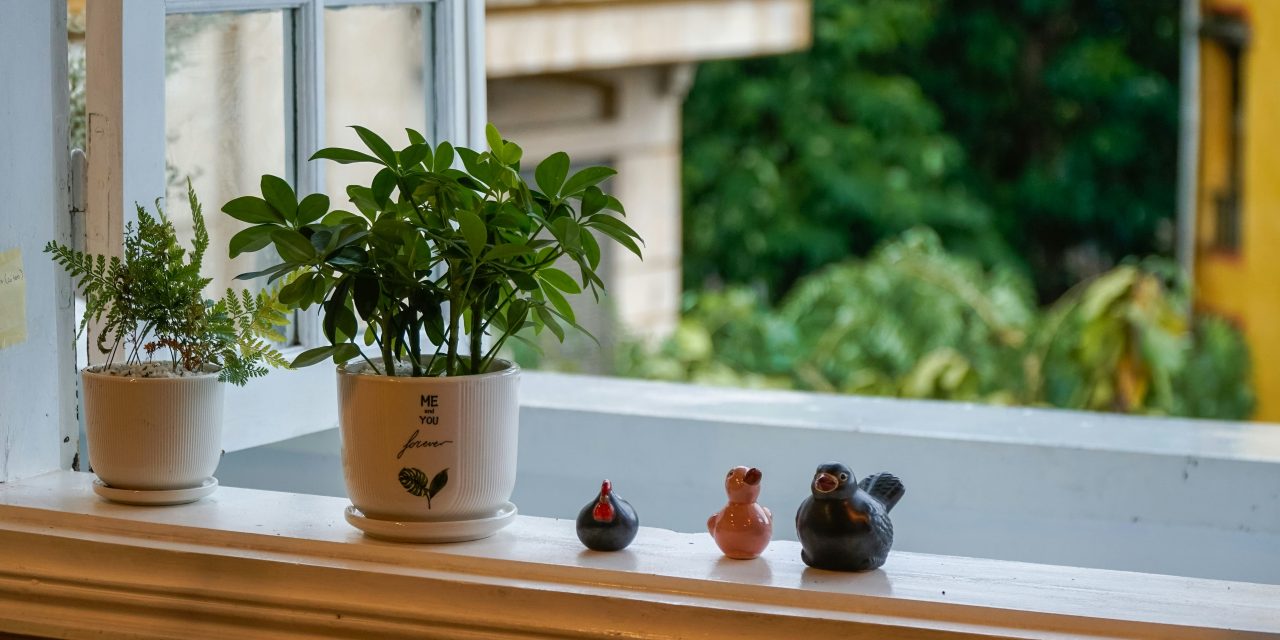
Selecting the appropriate herbs for indoor cultivation is paramount for successful gardening. Certain herbs thrive better in confined spaces and under artificial lighting conditions than others. Popular choices include basil, parsley, cilantro, chives, and mint. These herbs not only flourish indoors but also provide culinary benefits, enhancing flavors in various dishes. When choosing herbs, consider factors such as growth habits, light requirements, and culinary uses. For instance, basil requires ample sunlight and warmth, making it ideal for sunny windowsills, while mint can tolerate partial shade and is known for its vigorous growth.
Additionally, it is essential to consider the growth cycle of the herbs you choose. Fast-growing varieties like basil can be harvested multiple times throughout the growing season, while slower-growing herbs like rosemary may take longer to establish. Understanding the specific needs of each herb will help you create an optimal indoor environment that promotes healthy growth and yields flavorful results. Furthermore, consider your culinary preferences and how often you use certain herbs in your cooking; this will ensure that your indoor garden is both practical and enjoyable.
Selecting Suitable Containers and Pots
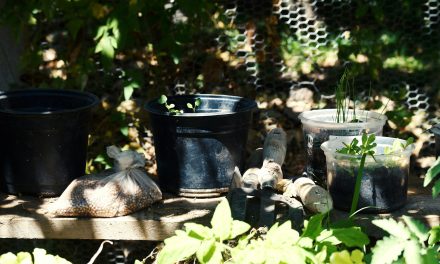
The choice of containers and pots plays a crucial role in the success of indoor herb gardening. Opt for pots that provide adequate drainage to prevent waterlogging, which can lead to root rot and other complications. Terracotta pots are a popular choice due to their porous nature, allowing for better air circulation and moisture control. Alternatively, plastic pots are lightweight and often come with built-in drainage holes, making them a practical option for indoor gardening.
When selecting the size of your pots, consider the mature size of the herbs you plan to grow. Smaller herbs like chives can thrive in 6-inch pots, while larger varieties such as basil may require 10-inch or larger containers to accommodate their root systems. Additionally, using self-watering pots can help maintain consistent moisture levels, reducing the frequency of watering and ensuring that your herbs receive adequate hydration without the risk of overwatering.
Providing Adequate Light for Healthy Growth

Light is a critical factor in the successful growth of indoor herbs. Most culinary herbs require at least 6-8 hours of direct sunlight daily to thrive. Placing your herb garden near a south-facing window can provide the necessary light exposure. However, during winter months or in homes with limited natural light, supplemental lighting may be necessary to ensure optimal growth.
Utilizing full-spectrum grow lights can mimic natural sunlight and promote photosynthesis in your indoor herbs. These lights emit a balanced spectrum of light wavelengths that cater to the specific needs of plants at various growth stages. Positioning grow lights 12-24 inches above your plants can help prevent leggy growth while ensuring that your herbs receive adequate light intensity. Regularly rotating your pots can also help achieve even light distribution, promoting uniform growth across all plants.
Using Quality Potting Soil and Fertilizers

The foundation of healthy herb growth lies in the quality of potting soil used. A well-draining potting mix enriched with organic matter provides essential nutrients while allowing for proper aeration and drainage. Look for potting soils specifically formulated for herbs or vegetables, as these blends often contain a mix of peat moss, perlite, and compost that supports healthy root development.
In addition to quality soil, incorporating fertilizers into your indoor herb garden routine can enhance growth and yield. Organic fertilizers such as fish emulsion or seaweed extract provide essential nutrients without the risk of chemical buildup in the soil. Applying a balanced fertilizer every four to six weeks during the growing season can promote vigorous growth and improve flavor profiles in your herbs. Always follow the manufacturer’s instructions regarding application rates to avoid over-fertilization, which can lead to nutrient imbalances.
Maintaining Proper Watering Practices
Watering practices are vital for maintaining healthy indoor herbs. Overwatering is one of the most common mistakes made by indoor gardeners, leading to root rot and other issues. To determine when to water, check the top inch of soil; if it feels dry to the touch, it’s time to water. Ensure that excess water drains out of the bottom of the pot to prevent water accumulation.
Implementing a consistent watering schedule can help maintain optimal moisture levels in your pots. During warmer months, herbs may require more frequent watering due to increased evaporation rates. Conversely, during cooler months, reduce watering frequency as plants enter a dormant phase. Utilizing self-watering pots or moisture meters can also assist in maintaining proper hydration levels without constant monitoring.
Ensuring Good Air Circulation and Humidity
Air circulation is essential for preventing mold growth and promoting healthy herb development indoors. Stagnant air can lead to fungal diseases and pest infestations, which can compromise plant health. To enhance air circulation, consider placing small fans near your herb garden or periodically opening windows to allow fresh air exchange.
Humidity levels also play a significant role in indoor herb gardening. Most culinary herbs prefer moderate humidity levels between 40-60%. If your indoor environment is too dry, especially during winter months when heating systems are in use, consider using a humidifier or placing trays filled with water near your plants to increase moisture levels. Regular misting can also help maintain humidity while providing additional hydration to your herbs.
Pruning and Harvesting Techniques for Continuous Growth
Pruning is an essential practice for maintaining healthy indoor herbs and encouraging continuous growth. Regularly trimming back leaves and stems promotes bushier growth and prevents plants from becoming leggy. For instance, when harvesting basil, pinch off leaves just above a leaf node to encourage new growth from that point.
Harvesting should be done judiciously; taking no more than one-third of the plant at a time ensures that it remains healthy and productive. Frequent harvesting not only provides fresh herbs for culinary use but also stimulates new growth, resulting in a more robust plant overall. Additionally, removing any dead or yellowing leaves helps maintain plant health by redirecting energy toward new growth.
Managing Indoor Temperature for Optimal Herb Health
Temperature regulation is crucial for the well-being of indoor herbs. Most culinary herbs thrive in temperatures ranging from 65°F to 75°F (18°C to 24°C). Extreme temperature fluctuations can stress plants and hinder growth; therefore, it’s essential to maintain a stable environment.
Avoid placing pots near heating vents or drafty windows that could expose them to sudden temperature changes. If your indoor environment tends to be cooler during winter months, consider using heat mats designed for seed starting to provide gentle warmth at the root level. Monitoring temperature with a thermometer can help ensure that your herbs remain within their preferred range for optimal health.
Preventing and Treating Common Pest Problems
Indoor herb gardens are not immune to pest infestations; common pests such as aphids, spider mites, and whiteflies can wreak havoc on your plants if left unchecked. Regularly inspecting your herbs for signs of pest activity is crucial for early detection and management.
Preventative measures include maintaining good air circulation and avoiding overcrowding plants, which can create a conducive environment for pests. If infestations occur, consider using insecticidal soap or neem oil as organic treatment options that effectively target pests without harming beneficial insects or plants. Regularly cleaning leaves with a damp cloth can also help remove pests and prevent future infestations.
Utilizing Grow Lights for Darker Spaces
For those with limited natural light exposure in their homes, grow lights serve as an invaluable tool for successful indoor herb gardening. These specialized lights provide the necessary spectrum of light wavelengths that promote photosynthesis and healthy plant growth.
When selecting grow lights, consider options such as LED or fluorescent lights that are energy-efficient and emit minimal heat. Positioning grow lights 12-24 inches above your plants ensures adequate light intensity without causing heat stress. Utilizing timers can help automate light cycles, mimicking natural day lengths and promoting optimal growth conditions for your indoor herbs.
Tips for Transplanting and Repotting Herbs Indoors
Transplanting and repotting are essential practices for maintaining healthy indoor herb gardens as plants grow and outgrow their containers. When repotting, choose a pot that is one size larger than the current container to allow ample space for root expansion.
Before transplanting, gently loosen the root ball from its current pot while being careful not to damage delicate roots. Fill the new pot with fresh potting soil and place the herb at the same depth it was previously growing to avoid stress on the plant. Water thoroughly after repotting to help settle the soil around the roots and promote recovery from transplant shock.
In summary, cultivating an indoor herb garden requires careful consideration of various factors including herb selection, container choice, lighting conditions, soil quality, watering practices, air circulation, temperature management, pest prevention strategies, and transplanting techniques. By implementing these practices effectively, you can enjoy a thriving indoor garden that provides fresh herbs year-round while enhancing your culinary experiences with homegrown flavors.
FAQs
What types of herbs can be grown indoors year-round?
Many herbs can be successfully grown indoors year-round, including basil, parsley, cilantro, chives, mint, oregano, and thyme. These herbs thrive in indoor conditions and can be used fresh in cooking throughout the year.
What lighting conditions do indoor herbs need?
Indoor herbs require plenty of light to grow well. Ideally, they should receive 12-16 hours of bright, indirect sunlight each day. If natural light is insufficient, consider using grow lights to supplement their light needs.
How often should I water my indoor herbs?
Indoor herbs should be watered when the top inch of soil feels dry to the touch. Overwatering can lead to root rot, so it’s important to ensure that pots have drainage holes and to water only when necessary.
What type of soil is best for growing herbs indoors?
A well-draining potting mix is ideal for growing herbs indoors. Look for a soil that contains organic matter and is specifically formulated for container gardening to provide the necessary nutrients and drainage for healthy herb growth.
How can I prevent pests when growing herbs indoors?
To prevent pests, keep your indoor herb garden clean and monitor plants regularly for signs of infestation. You can use natural pest deterrents like neem oil or insecticidal soap, and ensure good air circulation around the plants to reduce the risk of pests.