Selecting the appropriate hydrangea variety for container gardening is crucial for achieving a flourishing display. Among the most popular choices are the Hydrangea macrophylla, commonly known as bigleaf hydrangeas, and the Hydrangea paniculata, or panicle hydrangeas. Bigleaf hydrangeas are renowned for their large, lush blooms that can vary in color from blue to pink, depending on soil pH. Conversely, panicle hydrangeas are characterized by their cone-shaped flower clusters and are often more tolerant of varying climates, making them suitable for pot cultivation.
When choosing a variety, consider the growth habit and size of the plant. Dwarf varieties, such as ‘Mini Penny’ or ‘Bailmer’ (commonly known as ‘Pinky Winky’), are ideal for pots due to their compact nature. These cultivars typically reach heights of 2 to 3 feet, making them manageable for container gardening. Additionally, assess your local climate and select varieties that thrive in your specific conditions, ensuring a successful growing experience.
Selecting the Perfect Pot and Soil Mix
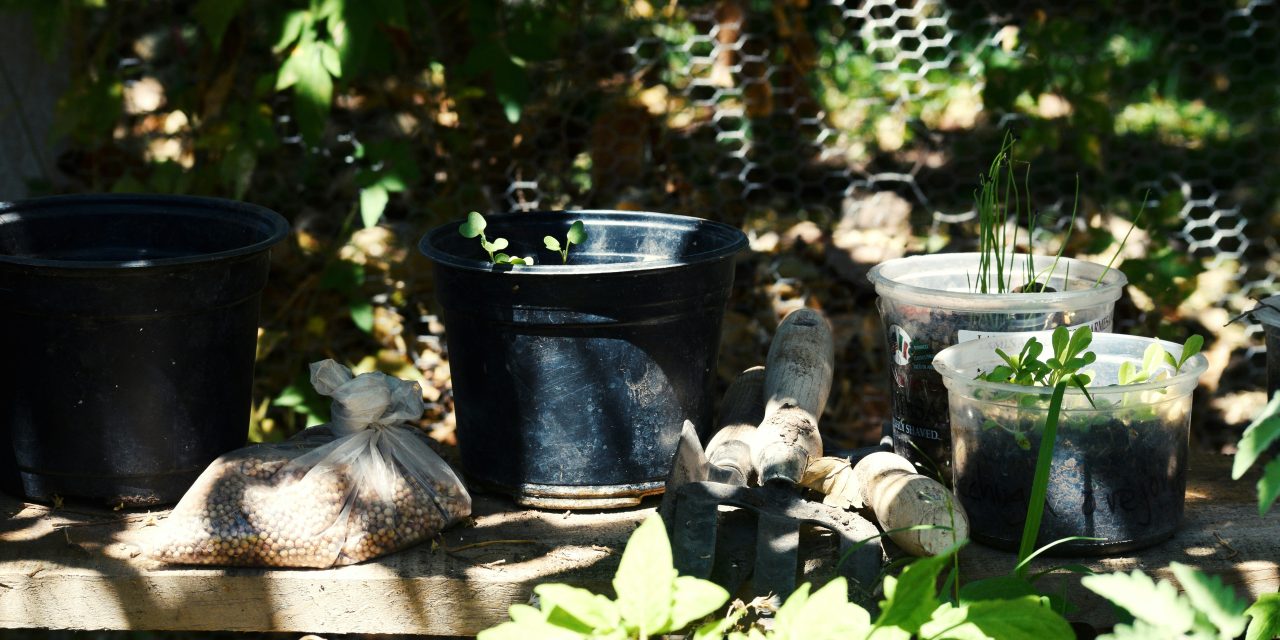
The choice of pot is paramount in ensuring the health of your potted hydrangeas. Opt for containers that are at least 12 to 16 inches in diameter to provide ample space for root development. Materials such as terracotta or ceramic are excellent choices due to their breathability, which helps regulate moisture levels. Ensure that the pot has drainage holes to prevent waterlogging, which can lead to root rot.
Equally important is the soil mix used for planting. A well-draining potting mix enriched with organic matter is ideal for hydrangeas. A combination of peat moss, perlite, and compost creates a nutrient-rich environment that retains moisture while allowing excess water to escape. Aim for a soil pH between 5.5 and 6.5 to promote optimal growth and flowering. Incorporating slow-release fertilizers into the soil mix can provide essential nutrients over time, supporting healthy development.
Ensuring Proper Drainage for Healthy Roots

Proper drainage is vital for maintaining healthy root systems in potted hydrangeas. Waterlogged soil can lead to anaerobic conditions, resulting in root rot and other detrimental issues. To enhance drainage, consider adding a layer of gravel or small stones at the bottom of the pot before filling it with soil. This layer acts as a barrier, allowing excess water to escape while preventing soil from clogging the drainage holes.
Regularly monitor the moisture levels in the potting mix. A simple method is to insert your finger into the soil up to the first knuckle; if it feels dry at that depth, it’s time to water. Additionally, avoid using saucers under pots unless they have drainage holes, as standing water can create an environment conducive to root diseases.
Positioning Your Potted Hydrangeas for Optimal Light

Light exposure plays a significant role in the growth and flowering of hydrangeas. Most varieties thrive in partial shade, receiving around four to six hours of sunlight daily. Direct afternoon sun can be particularly harsh, leading to wilting or scorched leaves. Therefore, positioning your pots in a location that receives morning sun and afternoon shade is ideal.
If you live in a particularly hot climate, consider placing your hydrangeas in a spot where they receive filtered light through trees or structures. Conversely, if your area experiences cooler temperatures, ensure that your plants receive adequate sunlight to promote blooming. Regularly assess their light conditions and adjust their placement as necessary throughout the growing season.
Watering Techniques to Keep Hydrangeas Thriving
Hydrangeas require consistent moisture to flourish, but overwatering can be detrimental. Establishing a watering routine is essential; typically, hydrangeas need about 1 inch of water per week during the growing season. When watering, aim to saturate the soil thoroughly until water drains from the bottom of the pot. This ensures that moisture reaches the entire root system.
Consider using mulch on top of the soil to help retain moisture and regulate temperature. Organic mulches such as shredded bark or wood chips not only conserve water but also improve soil quality as they decompose over time. During particularly hot spells or dry periods, increase your watering frequency while ensuring that excess water can escape freely.
Feeding Your Hydrangeas: Fertilizer Tips
Fertilization is crucial for promoting vibrant blooms and healthy foliage in potted hydrangeas. A balanced fertilizer with an N-P-K ratio of 10-10-10 or similar can be applied during the growing season to provide essential nutrients. Begin fertilizing in early spring when new growth emerges and continue every four to six weeks until late summer.
For those looking to influence flower color, consider using fertilizers specifically formulated for hydrangeas that contain aluminum sulfate or lime. These amendments can alter soil pH and subsequently affect flower coloration—acidic soils yield blue flowers while alkaline soils produce pink blooms. Always follow package instructions regarding application rates and timing to avoid over-fertilization.
Pruning Practices for Bushy, Vibrant Growth
Pruning is an essential practice for maintaining the shape and health of potted hydrangeas. The timing and technique depend on the variety; bigleaf hydrangeas should be pruned immediately after flowering, while panicle varieties can be pruned in late winter or early spring before new growth begins. Remove dead or damaged stems and thin out crowded areas to promote airflow and light penetration.
Regular pruning encourages bushier growth and more abundant blooms by stimulating new growth from the base of the plant. Aim to maintain an open center within the plant structure to allow sunlight to reach all parts of the plant effectively. Additionally, removing spent flowers can redirect energy towards new growth rather than seed production.
Managing Temperature and Protecting from Frost
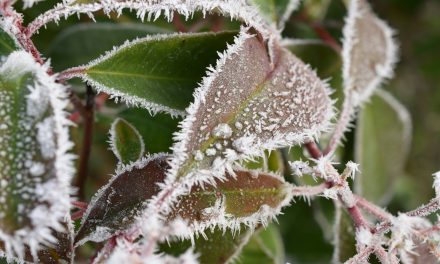
Temperature management is critical for potted hydrangeas, especially during extreme weather conditions. Most varieties prefer temperatures between 60°F and 75°F (15°C – 24°C). In colder climates, it’s essential to protect your plants from frost damage during winter months. Consider moving pots indoors or into a sheltered area when temperatures drop below freezing.
If bringing pots indoors isn’t feasible, wrapping them with burlap or bubble wrap can provide insulation against cold temperatures. Additionally, placing pots on elevated surfaces rather than directly on cold ground can help prevent root freeze. Monitoring local weather forecasts will allow you to take proactive measures against unexpected frosts.
Controlling Pests and Diseases in Container Hydrangeas
Potted hydrangeas can be susceptible to various pests and diseases that may hinder their growth and flowering potential. Common pests include aphids, spider mites, and whiteflies, which can be managed through regular inspections and appropriate interventions such as insecticidal soap or neem oil treatments.
Fungal diseases like powdery mildew or root rot can also pose threats to container-grown hydrangeas. To prevent these issues, ensure proper air circulation around plants and avoid overhead watering that promotes humidity on foliage. If disease symptoms appear, promptly remove affected leaves and apply fungicides as necessary according to label instructions.
Adjusting Soil pH to Influence Flower Color
One of the unique characteristics of hydrangeas is their ability to change flower color based on soil pH levels. Acidic soils (pH below 6) typically produce blue flowers due to increased aluminum availability, while alkaline soils (pH above 7) yield pink blooms. To adjust soil pH effectively, consider incorporating amendments such as sulfur or aluminum sulfate for acidity or lime for alkalinity.
Regularly testing soil pH using a home testing kit will help you monitor changes over time and make necessary adjustments accordingly. Keep in mind that altering soil pH may take several months before noticeable changes in flower color occur; patience is key when seeking vibrant blooms.
Repotting and Refreshing Soil for Long-Term Success
Repotting is an essential practice for maintaining healthy potted hydrangeas over time. Every two to three years, consider refreshing the soil mix and transferring your plants into slightly larger pots if necessary. This process allows for improved drainage and nutrient availability while preventing root-bound conditions that can stunt growth.
When repotting, gently remove the plant from its current container and inspect the root system for any signs of rot or damage. Trim away unhealthy roots before placing it into fresh potting mix within a new container that offers adequate drainage capabilities. This rejuvenation process not only promotes healthy growth but also enhances flowering potential.
In summary, cultivating potted hydrangeas requires careful consideration of variety selection, pot choice, soil composition, light exposure, watering practices, fertilization techniques, pruning methods, temperature management, pest control strategies, soil pH adjustments, and repotting schedules. By adhering to these guidelines and providing attentive care throughout their lifecycle, you can enjoy vibrant blooms and lush foliage year after year.
FAQ Section:
1. **What is the best time to plant hydrangeas in pots?**
– The ideal time for planting hydrangeas in pots is during spring after the last frost has passed or in early fall before temperatures drop significantly.
2. **How often should I water my potted hydrangeas?**
– Potted hydrangeas typically require about 1 inch of water per week; however, this may vary based on environmental conditions such as temperature and humidity.
3. **Can I grow hydrangeas indoors?**
– While it’s possible to grow certain varieties indoors with adequate light conditions, most hydrangeas thrive outdoors due to their preference for natural sunlight.
4. **What should I do if my hydrangea leaves turn yellow?**
– Yellowing leaves may indicate overwatering or nutrient deficiencies; assess your watering routine and consider applying a balanced fertilizer if necessary.
5. **How do I know if my hydrangea needs repotting?**
– Signs that your hydrangea needs repotting include roots growing out of drainage holes or stunted growth despite proper care; typically every two to three years is recommended.
6. **What pests should I watch out for on my potted hydrangeas?**
– Common pests include aphids, spider mites, and whiteflies; regular inspections will help catch infestations early for effective treatment.
7. **How can I change my hydrangea’s flower color?**
– Adjusting soil pH through amendments like sulfur (for blue flowers) or lime (for pink flowers) will influence flower color; testing soil regularly will help monitor changes.
8. **Is it necessary to prune my potted hydrangeas?**
– Yes, pruning is essential for maintaining shape and encouraging new growth; timing varies by variety—prune bigleaf types after flowering and panicle types before new growth begins.
9. **What type of fertilizer should I use?**
– A balanced fertilizer with an N-P-K ratio of 10-10-10 is suitable; specialized fertilizers designed for hydrangeas can also help influence flower color.
10. **How do I protect my potted hydrangeas from frost?**
– Move pots indoors during freezing temperatures or wrap them with insulating materials like burlap; elevating pots off cold surfaces also helps prevent root freeze.
In conclusion, nurturing potted hydrangeas involves understanding their specific needs regarding variety selection, potting practices, light exposure, watering techniques, fertilization strategies, pruning methods, temperature management, pest control measures, soil adjustments, and repotting schedules. By implementing these practices diligently, you can cultivate stunning displays of vibrant blooms that enhance any outdoor space or indoor environment.
FAQs
What type of hydrangeas are best suited for growing in pots?
Hydrangea macrophylla, commonly known as bigleaf hydrangeas, and Hydrangea paniculata, or panicle hydrangeas, are among the best types for container gardening. They adapt well to pot conditions and can thrive with proper care.
What size pot is recommended for growing hydrangeas?
A pot that is at least 18 to 24 inches in diameter is recommended for growing hydrangeas. This size allows enough space for the roots to grow and provides adequate drainage, which is crucial for the health of the plant.
How often should I water potted hydrangeas?
Potted hydrangeas typically require watering every 2 to 3 days, especially during hot weather. It’s important to keep the soil consistently moist but not soggy, as hydrangeas are sensitive to both overwatering and underwatering.
What type of soil should I use for hydrangeas in pots?
A well-draining potting mix that retains moisture is ideal for hydrangeas. A mix that includes peat moss, compost, and perlite or vermiculite can provide the necessary nutrients and drainage for healthy growth.
When is the best time to fertilize potted hydrangeas?
The best time to fertilize potted hydrangeas is in early spring, just as new growth begins. Using a balanced, slow-release fertilizer can help promote healthy blooms throughout the growing season.