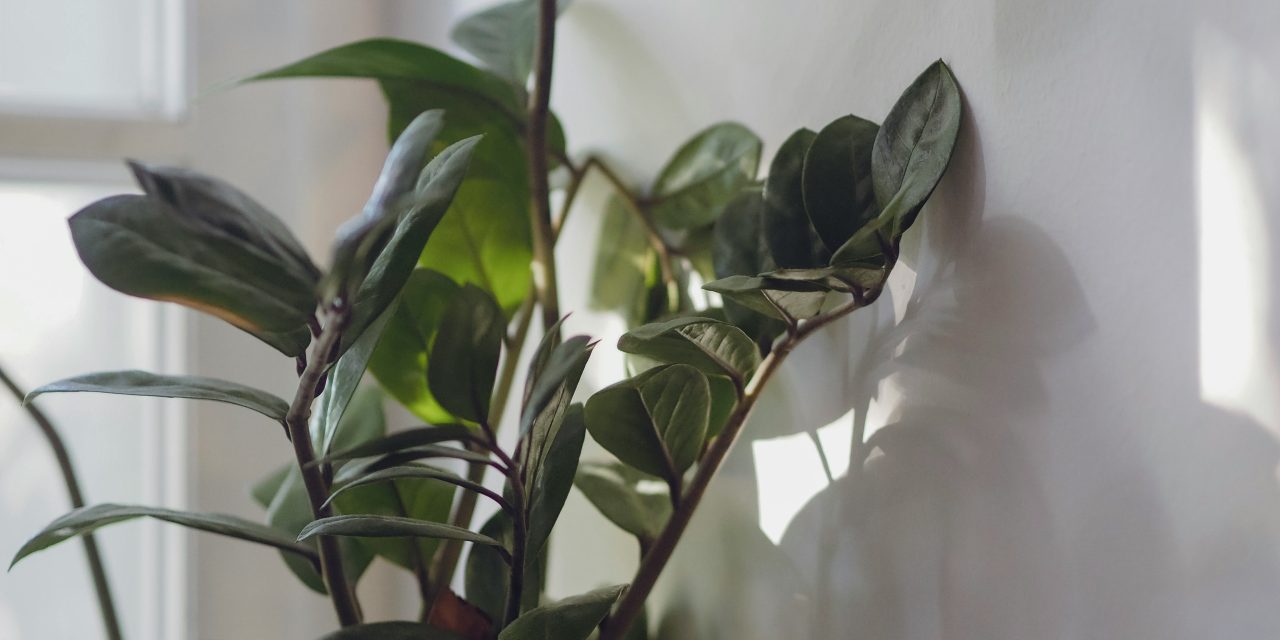
The Zamioculcas zamiifolia, commonly known as the ZZ plant, is a perennial flowering plant native to Eastern Africa. Renowned for its glossy, dark green leaves and resilience, the ZZ plant has gained immense popularity among indoor gardeners and plant enthusiasts. Its ability to thrive in low-light conditions and tolerate neglect makes it an ideal choice for both novice and experienced plant caretakers. The ZZ plant’s unique structure features thick, waxy leaves that store water, allowing it to survive in arid environments. This adaptation not only contributes to its hardiness but also makes it an attractive addition to any indoor space.
The ZZ plant is characterized by its upright growth habit, reaching heights of approximately 2 to 3 feet when fully mature. Its leaves grow in a symmetrical pattern along thick stems, creating a visually appealing display. Additionally, the ZZ plant is known for its air-purifying qualities, effectively removing toxins such as xylene and toluene from the air. This makes it not only a beautiful decorative piece but also a beneficial one for improving indoor air quality. Understanding the ZZ plant’s unique characteristics is essential for providing optimal care and ensuring its longevity in your home.
Choosing the Right Pot and Soil for Your ZZ Plant
Selecting an appropriate pot and soil is crucial for the health of your ZZ plant. When choosing a pot, ensure it has drainage holes to prevent water accumulation, which can lead to root rot. A pot that is slightly larger than the root ball of your ZZ plant is ideal, as it allows for adequate growth without overwhelming the roots. Materials such as terracotta or ceramic are excellent choices due to their breathability, which helps regulate moisture levels.
The soil composition is equally important; a well-draining potting mix is essential for the ZZ plant’s success. A blend of potting soil, perlite, and sand can create an optimal environment that promotes healthy root development while preventing water retention. The ideal pH level for ZZ plants ranges from 6.0 to 7.0, which supports nutrient absorption. By carefully selecting both the pot and soil, you can create a thriving environment that encourages robust growth and minimizes the risk of disease.
Optimal Lighting Conditions for Indoor ZZ Plants

ZZ plants are remarkably adaptable when it comes to lighting conditions. They can thrive in low-light environments, making them suitable for spaces with minimal natural light. However, while they can tolerate shade, providing indirect sunlight will enhance their growth and vibrancy. Ideally, placing your ZZ plant near a window with filtered light will yield the best results. Direct sunlight can scorch the leaves, so it’s essential to strike a balance between light exposure and protection.
In addition to natural light, artificial lighting can also support the growth of ZZ plants. Using fluorescent or LED grow lights can supplement light during darker months or in rooms lacking windows. Aim for around 12-14 hours of light exposure per day if relying solely on artificial sources. Monitoring your plant’s response to light conditions is vital; if you notice yellowing leaves or stunted growth, consider adjusting its placement to optimize light exposure.
Watering Your ZZ Plant: How Much and How Often

Watering is one of the most critical aspects of ZZ plant care. Due to its drought-resistant nature, overwatering is a common mistake that can lead to root rot and other complications. It is essential to allow the soil to dry out completely between watering sessions. Typically, watering every two to three weeks is sufficient, but this may vary depending on environmental factors such as humidity and temperature.
To determine when to water your ZZ plant, check the top inch of soil; if it feels dry to the touch, it’s time to water. When watering, ensure that water drains freely from the bottom of the pot to prevent standing water. During the winter months, when growth slows down, reduce watering frequency even further. By adhering to these guidelines, you can maintain optimal moisture levels that support healthy growth without risking over-saturation.
Maintaining Ideal Humidity Levels Indoors
ZZ plants are remarkably tolerant of varying humidity levels, making them suitable for most indoor environments. They thrive in average household humidity but can also adapt to lower humidity levels without significant issues. However, maintaining a humidity level between 40% and 60% can enhance their overall health and appearance.
If you live in an area with particularly dry air or during winter months when heating systems can lower humidity levels, consider using a humidifier or placing a tray filled with water and pebbles near your ZZ plant. This method allows for gradual evaporation, increasing humidity around the plant without causing waterlogging in the soil. Regularly misting the leaves can also help maintain humidity levels; however, avoid excessive moisture on the foliage to prevent fungal issues.
Fertilizing Your ZZ Plant: When and What to Use
Fertilization plays a vital role in promoting healthy growth and vibrant foliage in ZZ plants. While these plants are relatively low-maintenance regarding nutrients, providing them with a balanced fertilizer during their active growing season—typically spring and summer—can yield significant benefits. A diluted liquid fertilizer with an N-P-K ratio of 10-10-10 or similar is recommended.
Apply fertilizer every four to six weeks during the growing season, ensuring that you follow package instructions for dilution rates. Avoid fertilizing during fall and winter when the plant enters dormancy; this can lead to nutrient buildup in the soil and potential root damage. By adhering to a proper fertilization schedule, you can support your ZZ plant’s growth while minimizing the risk of over-fertilization.
Pruning and Cleaning Your ZZ Plant Leaves
Regular pruning and cleaning are essential practices for maintaining the health and aesthetics of your ZZ plant. Pruning helps remove any dead or yellowing leaves, promoting new growth and preventing potential pest infestations. Use clean, sharp scissors or pruning shears to make clean cuts at the base of the stem or leaf petiole.
Cleaning the leaves is equally important; dust accumulation can hinder photosynthesis and reduce overall vigor. Gently wipe the leaves with a damp cloth or sponge every few weeks to remove dust and debris. This practice not only enhances the plant’s appearance but also allows it to absorb more light effectively. By incorporating these maintenance tasks into your routine, you can ensure your ZZ plant remains healthy and visually appealing.
Repotting Your ZZ Plant: Signs and Steps
Repotting is an essential aspect of ZZ plant care that should be performed every two to three years or when signs of root-bound conditions become evident. Indicators that your ZZ plant requires repotting include roots emerging from drainage holes, stunted growth despite proper care, or soil that dries out too quickly after watering.
When repotting, choose a pot that is one size larger than the current one and prepare fresh potting mix as previously discussed. Gently remove the plant from its existing pot, taking care not to damage the roots. Trim any excessively long or damaged roots before placing it in the new pot with fresh soil. Water thoroughly after repotting to help settle the soil around the roots. By following these steps, you can provide your ZZ plant with ample space for growth while rejuvenating its nutrient supply.
Managing Common Pests and Diseases
While ZZ plants are generally resistant to pests and diseases, they are not entirely immune. Common pests include spider mites, mealybugs, and aphids, which can cause damage if left unchecked. Regularly inspecting your plant for signs of infestation—such as webbing or sticky residue—can help catch problems early.
If pests are detected, treat them promptly using insecticidal soap or neem oil spray as per product instructions. Additionally, maintaining proper care routines—such as avoiding overwatering—can help prevent fungal diseases like root rot or leaf spot disease from developing. Ensuring good air circulation around your plant can also minimize disease risk by reducing humidity levels around foliage.
Tips for Propagating Your ZZ Plant Successfully
Propagation of ZZ plants can be achieved through leaf cuttings or division methods. Leaf cuttings involve taking healthy leaves from an established plant and placing them in water or moist soil until roots develop; this process may take several weeks to months due to their slow growth rate.
Alternatively, division involves separating offsets or tubers from the main plant during repotting; this method allows for quicker establishment since each division already has roots attached. Regardless of propagation method chosen, ensure that cuttings are placed in well-draining soil and kept in indirect light until they establish roots successfully.
Creating a Consistent Care Routine for Long-Term Health
Establishing a consistent care routine is paramount for ensuring long-term health and vitality in your ZZ plant. Regularly monitor environmental conditions such as light exposure, humidity levels, and temperature fluctuations within your home environment; this awareness will allow you to make necessary adjustments promptly.
Incorporate scheduled tasks into your routine—such as watering every two weeks during active growth periods or monthly fertilization—to maintain optimal conditions consistently over time. Keeping a journal documenting care activities can also help track changes in growth patterns or health issues that may arise over time.
In summary, understanding how to care for a ZZ plant involves selecting appropriate pots and soil types while providing optimal lighting conditions tailored specifically for their needs. Regular watering practices combined with humidity management contribute significantly towards maintaining overall health alongside proper fertilization schedules throughout active growing seasons—ultimately leading towards successful propagation efforts when desired! By adhering closely to these guidelines outlined above while remaining vigilant against potential pests/diseases encountered along this journey—one can cultivate thriving specimens capable of enhancing any indoor space beautifully!
FAQs
What are the ideal light conditions for a ZZ plant?
ZZ plants thrive in low to bright indirect light. They can tolerate low-light conditions, making them suitable for indoor environments. However, direct sunlight should be avoided as it can scorch the leaves.
How often should I water my ZZ plant?
ZZ plants prefer to dry out between waterings. Typically, watering every 2-3 weeks is sufficient, but this can vary based on humidity and temperature. Always check the soil moisture before watering to prevent overwatering.
What type of soil is best for ZZ plants?
A well-draining potting mix is ideal for ZZ plants. A combination of potting soil, perlite, and sand can provide the necessary drainage and aeration for healthy root growth.
How do I fertilize my ZZ plant?
Fertilize your ZZ plant during the growing season (spring and summer) with a balanced, water-soluble fertilizer diluted to half strength. Fertilizing once a month is usually sufficient, but avoid fertilizing in the fall and winter when the plant is dormant.
Are ZZ plants toxic to pets or humans?
Yes, ZZ plants are considered toxic if ingested. They contain calcium oxalate crystals, which can cause irritation and discomfort. It’s important to keep them out of reach of pets and small children.