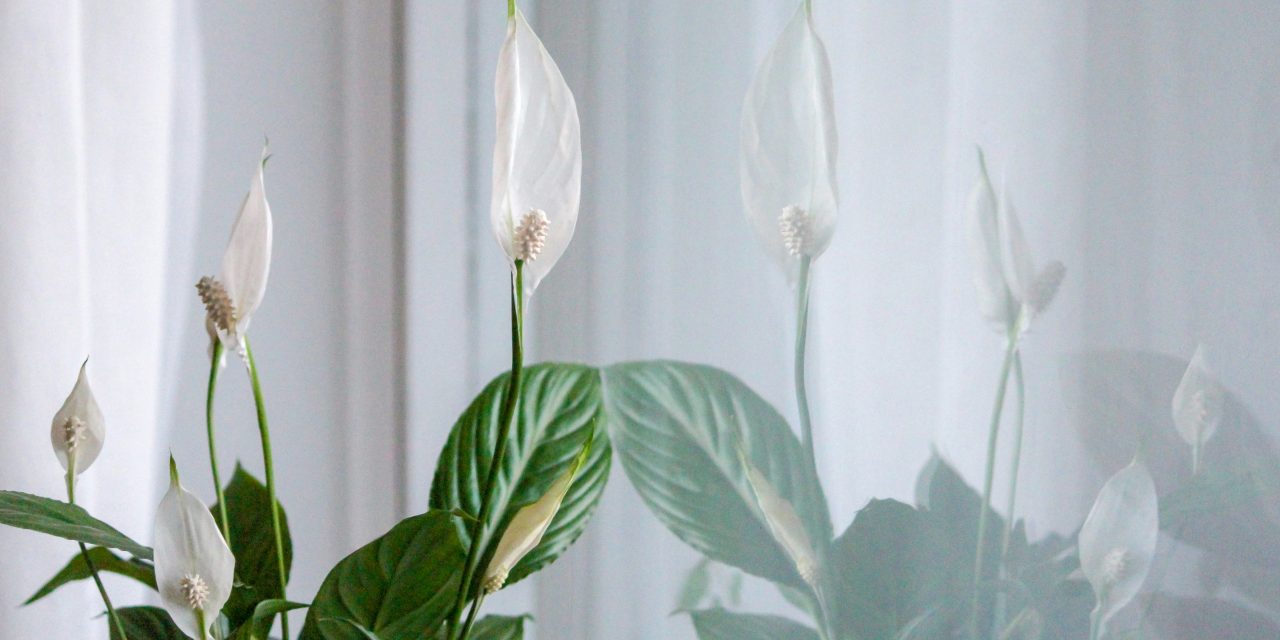
The peace lily (Spathiphyllum spp.) is a popular houseplant known for its elegant white blooms and lush green foliage. However, like any living organism, it can experience health issues that may compromise its vitality. To effectively assess the condition of your peace lily, begin by examining its leaves, stems, and overall growth pattern. Healthy leaves should be a vibrant green, free from discoloration or spots. Pay attention to the stems; they should be firm and upright, indicating that the plant is receiving adequate support and nutrients.
Additionally, consider the plant’s growth environment. Is it thriving in a well-lit area, or is it struggling in low light? Inspect the soil for moisture levels; overly dry or soggy soil can lead to root rot or dehydration. By conducting a thorough evaluation of these factors, you can identify potential issues early on and implement corrective measures to restore your peace lily to optimal health.
Identifying Common Causes of Decline
Several factors can contribute to the decline of a peace lily, and recognizing these causes is crucial for effective intervention. One common issue is improper watering practices. Overwatering can lead to root rot, while underwatering can cause wilting and leaf drop. Additionally, inadequate light exposure can hinder photosynthesis, resulting in stunted growth and yellowing leaves. Environmental stressors such as drafts, extreme temperatures, or low humidity levels can also adversely affect the plant’s health.
Pest infestations are another significant concern for peace lilies. Common pests include spider mites, aphids, and mealybugs, which can sap the plant’s vitality by feeding on its sap. Fungal infections may also arise due to excessive moisture or poor air circulation. By identifying these common causes of decline, you can take proactive steps to mitigate their impact and promote a thriving peace lily.
Proper Watering Techniques to Revive Your Plant

Watering is one of the most critical aspects of peace lily care. To revive a struggling plant, it is essential to establish proper watering techniques. Begin by assessing the moisture level of the soil; insert your finger about an inch deep into the substrate. If it feels dry at this depth, it’s time to water. Conversely, if the soil remains moist, hold off on watering to prevent root rot.
When watering your peace lily, use room-temperature water to avoid shocking the roots. Water thoroughly until excess moisture drains from the bottom of the pot, ensuring that all roots receive hydration. It is advisable to use distilled or rainwater when possible, as tap water may contain chemicals that could harm the plant over time. Establishing a consistent watering schedule—typically every 1-2 weeks—will help maintain optimal moisture levels and promote healthy growth.
Adjusting Light Conditions for Optimal Growth

Light conditions play a pivotal role in the health of your peace lily. While these plants are known for their ability to thrive in low-light environments, they do best with bright, indirect sunlight. If your peace lily is not receiving adequate light, you may notice slow growth or fewer blooms. To optimize light exposure, consider relocating your plant to a spot where it can receive filtered sunlight for several hours each day.
Avoid placing your peace lily in direct sunlight, as this can scorch the leaves and lead to irreversible damage. If natural light is limited in your home, consider supplementing with grow lights designed for indoor plants. These lights can provide the necessary spectrum for photosynthesis without the risk of overheating or burning the foliage.
Pruning Dead and Yellow Leaves
Regular pruning is essential for maintaining the aesthetic appeal and overall health of your peace lily. Dead or yellow leaves not only detract from the plant’s appearance but can also harbor pests and diseases. To prune effectively, use clean, sharp scissors or pruning shears to remove any discolored or damaged foliage at the base of the stem.
When pruning, be mindful of the plant’s overall shape and structure. Removing excessive foliage can encourage new growth and improve air circulation around the remaining leaves. Additionally, consider pruning after blooming periods to promote healthy regrowth and prepare your peace lily for future flowering cycles.
Repotting: When and How to Do It
Repotting is an essential aspect of peace lily care that should be performed every 1-2 years or when you notice signs of root crowding. Indicators that your plant needs repotting include roots growing out of drainage holes or stunted growth despite proper care. When selecting a new pot, choose one that is 1-2 inches larger in diameter than the current container to allow for adequate root expansion.
To repot your peace lily, gently remove it from its current pot and inspect the root system for any signs of rot or damage. Trim away any unhealthy roots with sterilized scissors before placing the plant in fresh potting soil designed for houseplants. Ensure that the new pot has drainage holes to prevent water accumulation at the bottom. After repotting, water thoroughly and place the plant in a location with appropriate light conditions to help it acclimate to its new environment.
Enhancing Soil Quality with Fertilizers
Soil quality significantly impacts the health of your peace lily, making fertilization an important aspect of care. During the growing season—typically spring and summer—consider using a balanced liquid fertilizer diluted to half strength every 4-6 weeks. This will provide essential nutrients such as nitrogen, phosphorus, and potassium that support healthy foliage and flowering.
In addition to liquid fertilizers, you may also consider incorporating slow-release granules into the soil during repotting. These granules gradually release nutrients over time, ensuring that your peace lily receives a consistent supply of nourishment throughout its growth cycle. Be cautious not to over-fertilize, as this can lead to salt buildup in the soil and potentially harm your plant.
Controlling Pests and Diseases
Pest infestations can pose a significant threat to peace lilies if left unchecked. Common pests include spider mites, aphids, and mealybugs, which can weaken the plant by feeding on its sap. To control these pests effectively, regularly inspect your plant for signs of infestation such as webbing or sticky residue on leaves.
If you identify pests, consider using insecticidal soap or neem oil as a natural treatment option. These products are effective against a wide range of pests while being gentle on the plant itself. For fungal diseases caused by excessive moisture or poor air circulation, ensure proper watering practices and improve ventilation around your peace lily.
Maintaining Humidity Levels for Peace Lilies
Peace lilies thrive in humid environments; therefore, maintaining appropriate humidity levels is crucial for their well-being. Ideally, humidity levels should be between 40-60%. If your home has low humidity—common during winter months—consider using a humidifier near your peace lily or placing a tray filled with water and pebbles beneath the pot to increase moisture levels.
Misting the leaves occasionally can also help boost humidity; however, avoid excessive misting as this can lead to fungal issues if water accumulates on foliage. Regularly monitoring humidity levels will ensure that your peace lily remains healthy and vibrant throughout its growth cycle.
Establishing a Consistent Care Routine
Establishing a consistent care routine is vital for promoting long-term health in your peace lily. This routine should encompass all aspects of care including watering schedules, light exposure adjustments, fertilization intervals, and pest inspections. By adhering to a structured regimen, you will create an environment conducive to growth and flowering.
Consider keeping a care journal where you document watering dates, fertilization schedules, and any changes in appearance or behavior observed in your plant. This record will help you identify patterns over time and make informed adjustments as needed based on your peace lily’s specific requirements.
Monitoring and Adjusting Care for Long-Term Health
Monitoring your peace lily’s condition regularly allows you to make timely adjustments that promote long-term health. Observe changes in leaf color, growth patterns, and overall vigor; these indicators will provide valuable insights into how well your care routine aligns with your plant’s needs.
If you notice signs of distress—such as wilting leaves or stunted growth—reassess environmental factors such as light exposure and humidity levels. Be prepared to adjust watering frequency based on seasonal changes or fluctuations in temperature and humidity within your home environment.
In conclusion, caring for a peace lily requires attention to detail and an understanding of its specific needs. By assessing its condition regularly and addressing common causes of decline through proper watering techniques, light adjustments, pruning practices, repotting strategies, soil enhancement with fertilizers, pest control measures, humidity maintenance, establishing a consistent care routine, and ongoing monitoring—your peace lily can thrive beautifully in your home for years to come.
FAQ Section:
1. **How often should I water my peace lily?**
– Water every 1-2 weeks depending on soil moisture levels; allow top inch of soil to dry out before watering again.
2. **What type of light is best for my peace lily?**
– Bright indirect sunlight is ideal; avoid direct sunlight which can scorch leaves.
3. **How do I know if my peace lily needs repotting?**
– Signs include roots growing out of drainage holes or stunted growth despite proper care.
4. **Can I use tap water for my peace lily?**
– While tap water is acceptable, distilled or rainwater is preferable due to lower chemical content.
5. **What should I do if my peace lily has pests?**
– Use insecticidal soap or neem oil as natural treatments; regularly inspect for signs of infestation.
6. **How can I increase humidity for my peace lily?**
– Use a humidifier or place a tray with water and pebbles beneath the pot; mist leaves occasionally.
7. **Is fertilization necessary for my peace lily?**
– Yes; fertilize during growing season with balanced liquid fertilizer every 4-6 weeks for optimal growth.
8. **What temperature range is best for my peace lily?**
– Peace lilies prefer temperatures between 65°F (18°C) and 85°F (29°C); avoid drafts and extreme temperature fluctuations.
9. **How do I prune my peace lily?**
– Use clean scissors to remove dead or yellow leaves at their base; prune after blooming periods for best results.
10. **What should I do if my peace lily stops blooming?**
– Ensure it receives adequate light and nutrients; check for signs of stress such as pests or improper watering practices.
In summary, maintaining a healthy peace lily involves understanding its specific needs regarding watering practices, light conditions, soil quality, pest control measures, humidity levels, and establishing a consistent care routine while monitoring its condition regularly for long-term vitality.
FAQs
What are the common signs that a peace lily is dying?
Common signs that a peace lily is dying include yellowing leaves, wilting, browning leaf tips, and a lack of blooms. These symptoms can indicate issues such as overwatering, underwatering, or insufficient light.
How often should I water my peace lily?
Peace lilies prefer to be kept moist but not soggy. Typically, you should water your peace lily once a week, allowing the top inch of soil to dry out between waterings. Adjust the frequency based on the humidity and temperature of your environment.
What type of light is best for a peace lily?
Peace lilies thrive in bright, indirect sunlight. Direct sunlight can scorch their leaves, while too little light can hinder their growth and flowering. A spot near a north or east-facing window is ideal.
Can I revive a peace lily with brown leaf tips?
Yes, you can revive a peace lily with brown leaf tips by trimming the affected areas with clean scissors. Additionally, ensure proper watering practices and humidity levels, as low humidity can contribute to this issue.
What should I do if my peace lily is not blooming?
If your peace lily is not blooming, it may not be receiving enough light or nutrients. Ensure it is in a well-lit area and consider fertilizing it with a balanced houseplant fertilizer every 6-8 weeks during the growing season to encourage blooming.