Raised garden beds have gained immense popularity among gardening enthusiasts and horticulturists alike, serving as an innovative solution to various gardening challenges. These elevated structures not only enhance the aesthetic appeal of outdoor spaces but also provide numerous practical benefits. By elevating the soil, raised beds facilitate improved drainage, better soil aeration, and enhanced accessibility for gardeners of all ages and abilities. Furthermore, they create a controlled environment that can lead to healthier plants and increased yields.
The significance of raised garden beds extends beyond mere convenience; they also play a crucial role in sustainable gardening practices. By allowing for the use of high-quality soil and organic amendments, these beds promote nutrient-rich growing conditions. Additionally, they can help mitigate soil compaction, reduce weed growth, and minimize pest infestations. As urban gardening becomes increasingly popular, raised beds offer a viable solution for maximizing limited space while fostering a productive and environmentally friendly gardening experience.
Criteria for Choosing Bottom Materials in Raised Beds
Selecting the appropriate bottom materials for raised garden beds is essential for ensuring optimal plant growth and health. Several criteria should be considered when making this decision, including drainage capabilities, pest prevention, soil health, and environmental impact. Each material serves a unique purpose and contributes to the overall functionality of the raised bed.
First and foremost, drainage is a critical factor in maintaining healthy root systems. Excess water can lead to root rot and other detrimental conditions, so materials that facilitate proper drainage are paramount. Additionally, pest prevention is vital to protect plants from common garden nuisances such as rodents and insects. The chosen materials should also promote soil health by preventing weed growth and allowing beneficial microorganisms to thrive. Lastly, considering the environmental impact of materials is essential for sustainable gardening practices.
Landscape Fabric: A Breathable Barrier

Landscape fabric is a popular choice among gardeners for its ability to create a breathable barrier between the soil and the underlying ground. This synthetic material allows water and air to permeate while effectively blocking sunlight, which helps suppress weed growth. The use of landscape fabric can significantly reduce the need for herbicides and other chemical treatments, promoting a more organic approach to gardening.
When installing landscape fabric in raised beds, it is crucial to ensure that it is laid flat without any folds or wrinkles. This will maximize its effectiveness in preventing weed growth while allowing for proper drainage. Additionally, landscape fabric can be cut to fit any shape or size of the raised bed, making it a versatile option for various gardening designs. However, it is essential to note that over time, landscape fabric may degrade due to exposure to UV rays and weather conditions, necessitating periodic replacement.
Hardware Cloth: Pest Protection and Drainage

Hardware cloth is a galvanized wire mesh that serves as an effective barrier against pests while allowing for adequate drainage. This material is particularly beneficial for gardeners dealing with burrowing animals such as gophers or voles that may threaten plant roots. By lining the bottom of raised beds with hardware cloth, gardeners can create a protective barrier that deters these pests from accessing the soil.
In addition to pest protection, hardware cloth also promotes proper drainage within the raised bed. Its open design allows excess water to escape while preventing soil erosion. When installing hardware cloth, it is essential to secure it tightly to the frame of the raised bed to prevent any gaps that pests could exploit. While this material may require a higher initial investment compared to other options, its durability and effectiveness make it a worthwhile addition for long-term gardening success.
Cardboard: An Eco-Friendly Weed Blocker
Cardboard is an eco-friendly option that serves as an effective weed blocker in raised garden beds. This biodegradable material can be sourced easily from household items such as shipping boxes or packaging materials. When used as a bottom layer in raised beds, cardboard suppresses weed growth by blocking sunlight while simultaneously breaking down over time to enrich the soil with organic matter.
To maximize its effectiveness, cardboard should be laid down in overlapping layers to prevent any gaps where weeds could emerge. It is advisable to moisten the cardboard before installation to help it conform to the shape of the raised bed and facilitate decomposition. As it breaks down, cardboard contributes valuable nutrients to the soil while improving its structure and moisture retention capabilities.
Gravel: Enhancing Drainage and Stability
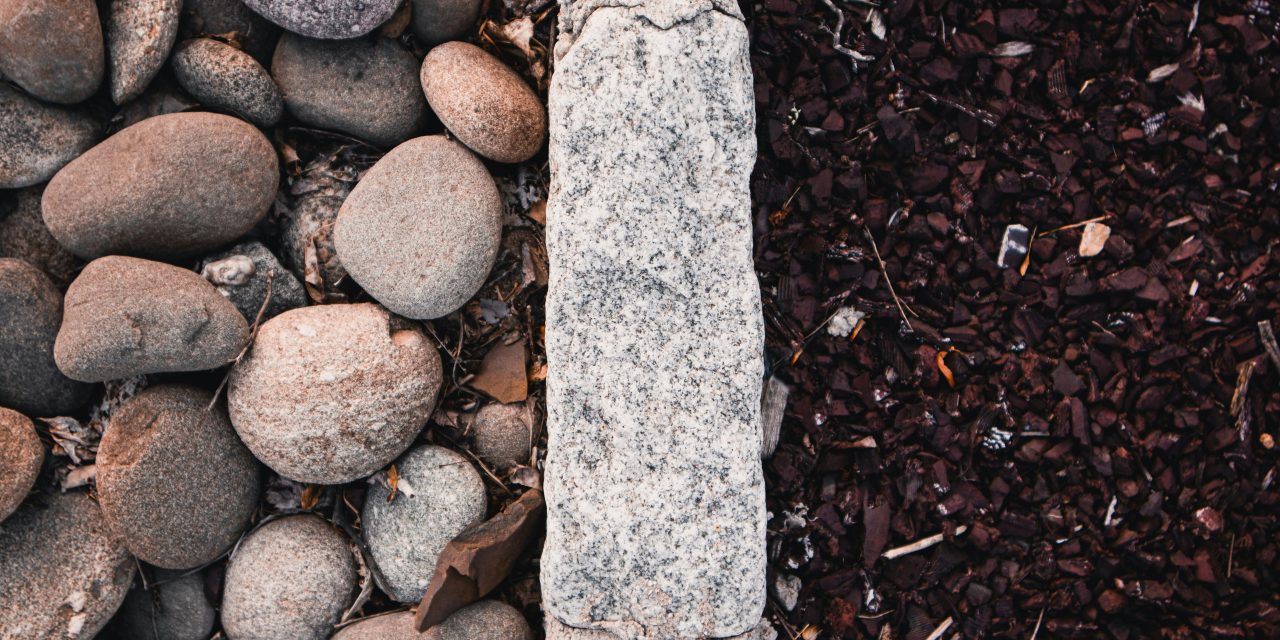
Gravel is another excellent choice for the bottom layer of raised garden beds due to its superior drainage properties and stability. By creating a layer of gravel at the base of the bed, gardeners can ensure that excess water drains away efficiently, preventing waterlogged conditions that could harm plant roots. Additionally, gravel provides a stable foundation that helps maintain the structural integrity of the raised bed over time.
When using gravel in raised beds, it is essential to choose the right size and type of gravel for optimal performance. A mix of small and medium-sized gravel works best, as it allows for adequate drainage while preventing soil from washing away. Furthermore, gravel can be combined with other materials such as landscape fabric or cardboard for enhanced weed suppression and moisture retention.
Wood Chips and Mulch: Natural Moisture Retainers
Wood chips and mulch are popular choices for gardeners seeking natural moisture retention solutions in their raised beds. These organic materials help regulate soil temperature while retaining moisture during dry periods, reducing the need for frequent watering. Additionally, wood chips break down over time, enriching the soil with organic matter and improving its overall health.
When applying wood chips or mulch in raised beds, it is essential to maintain an appropriate thickness—typically around 2-4 inches—to maximize their effectiveness in moisture retention and weed suppression. It is advisable to avoid placing mulch directly against plant stems to prevent rot and disease. Regular replenishment of wood chips or mulch may be necessary as they decompose over time.
Newspaper Layers: Budget-Friendly Weed Suppression
Newspaper layers serve as an economical option for weed suppression in raised garden beds. This readily available material can be easily sourced from local newspapers or print shops and provides an effective barrier against weeds while contributing organic matter to the soil as it decomposes. When layered correctly, newspaper can block sunlight effectively while allowing water and air to penetrate.
To utilize newspaper effectively in raised beds, it is recommended to use multiple layers—typically around 5-10 sheets thick—to ensure adequate coverage against weeds. Wetting the newspaper before installation helps it adhere better to the soil surface and prevents it from blowing away in windy conditions. As with cardboard, newspaper will break down over time, enriching the soil with nutrients while promoting healthy microbial activity.
Geotextile Fabric: Durable and Long-Lasting Solution
Geotextile fabric is a robust option for gardeners seeking a long-lasting solution for their raised beds. This synthetic material is designed specifically for landscaping applications and offers excellent drainage capabilities while preventing weed growth effectively. Unlike traditional landscape fabric, geotextile fabric is engineered to withstand harsh weather conditions and resist degradation over time.
When installing geotextile fabric in raised beds, it is crucial to ensure proper sizing and secure attachment to prevent any gaps that could allow weeds or pests access to the soil below. Its durability makes it an ideal choice for gardeners looking for a low-maintenance solution that will last for many growing seasons without requiring frequent replacement.
Additional Tips for Preparing the Bottom of Raised Beds
Preparing the bottom of raised garden beds involves more than just selecting materials; it also requires careful planning and execution to ensure optimal results. Before adding any bottom layer materials, it is essential to clear the area of debris, rocks, or existing vegetation that could interfere with plant growth.
Additionally, incorporating organic matter such as compost or well-rotted manure into the bottom layer can significantly enhance soil fertility and structure. This practice not only improves nutrient availability but also promotes beneficial microbial activity within the soil ecosystem. Regular monitoring of moisture levels and adjusting watering practices based on weather conditions will further contribute to successful gardening outcomes.
Selecting the Best Bottom Material for Your Garden Needs
In conclusion, choosing the right bottom materials for raised garden beds is crucial for achieving optimal plant health and productivity. Each material offers unique benefits ranging from drainage capabilities to pest protection and weed suppression. By carefully considering factors such as environmental impact, cost-effectiveness, and long-term durability, gardeners can make informed decisions that align with their specific gardening goals.
Ultimately, whether opting for landscape fabric, hardware cloth, cardboard, gravel, wood chips, newspaper layers, or geotextile fabric, understanding each material’s properties will empower gardeners to create thriving ecosystems within their raised beds. With thoughtful preparation and selection of bottom materials, gardeners can cultivate flourishing gardens that yield bountiful harvests season after season.
FAQs
What materials can be used at the bottom of raised garden beds?
Common materials for the bottom of raised garden beds include cardboard, newspaper, landscape fabric, straw, wood chips, and gravel. These materials help with drainage, weed suppression, and can also contribute to soil health as they break down over time.
Should I line the bottom of my raised garden bed?
Lining the bottom of a raised garden bed is not always necessary, but it can be beneficial. A liner can help prevent soil from washing away, reduce weed growth, and improve drainage. However, it’s important to choose a breathable material to avoid waterlogging.
How deep should the bottom layer of a raised garden bed be?
The depth of the bottom layer in a raised garden bed can vary, but a common recommendation is to have at least 2 to 4 inches of material. This depth allows for adequate drainage and helps with aeration while also providing a barrier against weeds.
Can I use kitchen scraps at the bottom of my raised garden bed?
Yes, kitchen scraps such as vegetable peels and coffee grounds can be used at the bottom of raised garden beds, but they should be composted first. This helps to avoid attracting pests and ensures that the materials break down properly, enriching the soil over time.
Is it necessary to put rocks at the bottom of a raised garden bed?
While it is not necessary to put rocks at the bottom of a raised garden bed, some gardeners choose to do so for improved drainage. However, using too many rocks can create a barrier that prevents roots from accessing nutrients and moisture, so moderation is key.