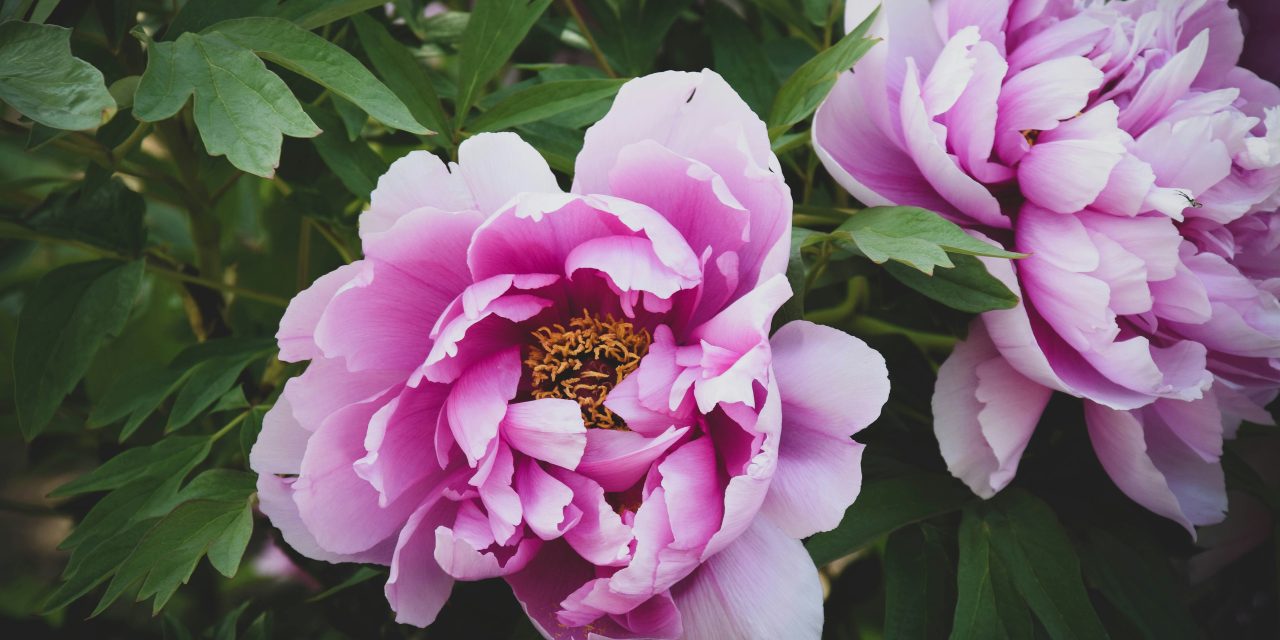
When embarking on the journey of cultivating peonies, the first step is selecting the ideal variety that aligns with your garden’s aesthetic and climatic conditions. Peonies are classified into three primary categories: herbaceous, tree, and intersectional (or Itoh) peonies. Herbaceous peonies are renowned for their lush foliage and vibrant blooms, typically reaching heights of 2 to 3 feet. They die back to the ground each winter, making them a popular choice for perennial gardens. Tree peonies, on the other hand, boast woody stems and can grow up to 5 feet tall, offering a more permanent structure in the landscape. Intersectional peonies combine traits from both herbaceous and tree varieties, producing robust plants with unique flower forms and colors.
When selecting a specific cultivar, consider factors such as bloom time, flower color, and fragrance. Early-blooming varieties like ‘Festiva Maxima’ showcase stunning white petals with crimson flecks, while mid-season options like ‘Sarah Bernhardt’ offer soft pink blooms that are highly fragrant. Late-blooming cultivars such as ‘Bowl of Beauty’ present a striking contrast with their unique shape and vibrant colors. Additionally, ensure that the chosen variety is well-suited to your USDA hardiness zone to guarantee successful growth.
Choosing the Ideal Planting Location
The location where you plant your peonies plays a crucial role in their overall health and blooming potential. Peonies thrive in full sun, requiring at least six hours of direct sunlight daily to produce abundant flowers. A sunny spot not only encourages robust growth but also enhances the vibrancy of their blooms. However, it is essential to avoid areas with excessive heat or humidity, as these conditions can lead to fungal diseases.
Moreover, consider the drainage capabilities of your chosen location. Peonies prefer well-drained soil to prevent root rot and other moisture-related issues. Avoid low-lying areas where water tends to accumulate after heavy rainfall. Instead, opt for elevated spots or raised beds that facilitate proper drainage. Additionally, ensure that your planting site is sheltered from strong winds, which can damage delicate blooms and stems.
Preparing the Soil for Optimal Growth

Soil preparation is a fundamental aspect of successful peony cultivation. Peonies thrive in rich, loamy soil that is slightly acidic to neutral (pH 6.0 to 7.0). Before planting, conduct a soil test to determine its pH level and nutrient content. If necessary, amend the soil with organic matter such as compost or well-rotted manure to enhance fertility and improve soil structure.
Incorporating a balanced fertilizer into the soil prior to planting can also promote healthy root development. A slow-release fertilizer with equal parts nitrogen, phosphorus, and potassium (N-P-K ratio of 10-10-10) is ideal for peonies. Additionally, ensure that the soil is loose and crumbly to facilitate root penetration. Avoid compacted or heavy clay soils that can hinder growth and lead to water retention issues.
When and How to Plant Peony Roots

Timing is critical when planting peony roots to ensure optimal establishment and growth. The best time to plant peonies is in the fall, approximately six weeks before the ground freezes. This allows the roots to acclimate and establish themselves before winter dormancy. However, spring planting is also viable if fall planting is not feasible.
When planting peony roots, dig a hole that is approximately 12 inches deep and wide enough to accommodate the root system without crowding. Place the root crown—where the roots meet the stem—at soil level or slightly below (1-2 inches deep). Cover the roots gently with soil and water thoroughly to eliminate air pockets. Space multiple plants at least 3 feet apart to allow for their mature size and prevent overcrowding.
Providing Proper Watering Techniques
Watering techniques are vital for maintaining healthy peony plants throughout their growing season. While peonies are relatively drought-tolerant once established, they require consistent moisture during their initial growth phase and blooming period. Water deeply but infrequently, allowing the top inch of soil to dry out between watering sessions. This encourages deep root growth and prevents overwatering, which can lead to root rot.
During particularly dry spells or heatwaves, increase watering frequency but ensure that water penetrates deeply into the soil rather than just wetting the surface. Early morning is the best time for watering, as it allows foliage to dry quickly and reduces the risk of fungal diseases. Avoid overhead watering; instead, use soaker hoses or drip irrigation systems to deliver moisture directly to the root zone.
Mulching to Retain Moisture and Control Weeds
Mulching serves multiple purposes in peony cultivation, including moisture retention, weed suppression, and temperature regulation. Applying a layer of organic mulch—such as shredded bark or straw—around the base of your peonies helps maintain consistent soil moisture levels while preventing competition from weeds that can hinder growth.
A 2-3 inch layer of mulch should be applied after planting and replenished annually as it decomposes over time. Additionally, mulch acts as an insulating barrier during winter months, protecting roots from extreme temperature fluctuations. However, be cautious not to pile mulch directly against the stems of peonies, as this can lead to rot.
Fertilizing Your Peonies for Vibrant Blooms
Fertilization is essential for promoting vigorous growth and ensuring vibrant blooms in peonies. After planting, it is advisable to wait until the second year before applying fertilizer, allowing plants time to establish their root systems fully. In early spring, when new growth emerges, apply a balanced slow-release fertilizer with an N-P-K ratio of 10-10-10 or similar formulation.
Additionally, consider using organic fertilizers such as bone meal or fish emulsion for a natural nutrient boost. These organic options provide essential nutrients while improving soil health over time. Avoid high-nitrogen fertilizers, as they can promote excessive foliage growth at the expense of flowering.
Supporting Peony Stems to Prevent Flopping
Peonies are known for their large, heavy blooms that can cause stems to flop or bend under their weight. To prevent this unsightly issue, it is crucial to provide adequate support during their growing season. Installing sturdy supports such as peony cages or stakes early in the season ensures that stems remain upright as they grow.
Peony cages are particularly effective as they encircle plants while allowing for natural growth patterns. Alternatively, individual stakes can be placed strategically around each plant to provide targeted support. It is advisable to install supports before blooming begins; this way, you avoid damaging stems during the process.
Pruning and Deadheading for Continuous Flowering
Pruning and deadheading are essential practices for maintaining healthy peony plants and encouraging continuous flowering throughout the growing season. After blooming has concluded, remove spent flowers by cutting them off at their base just above healthy foliage. This practice not only enhances the plant’s appearance but also redirects energy toward new growth rather than seed production.
In late fall or early spring before new growth emerges, prune back herbaceous peonies to ground level to promote vigorous regrowth in the following season. For tree peonies, remove any dead or damaged wood while maintaining a balanced shape by selectively pruning branches.
Protecting Peonies from Pests and Diseases
While peonies are generally resilient plants, they can be susceptible to various pests and diseases that may compromise their health and beauty. Common pests include aphids, thrips, and spider mites; these insects can cause damage by feeding on plant sap or transmitting diseases.
To manage pest populations effectively, regularly inspect plants for signs of infestation and employ organic insecticidal soaps or neem oil as preventive measures. Additionally, maintaining proper air circulation around plants through adequate spacing can help reduce disease incidence.
Fungal diseases such as powdery mildew and botrytis blight can also affect peonies under certain conditions. To mitigate these risks, ensure proper watering techniques are employed—avoiding overhead watering—and remove any infected plant debris promptly.
Preparing Your Peonies for Winter Dormancy
As winter approaches, preparing your peonies for dormancy is crucial for their survival and success in subsequent growing seasons. In late fall after frost has blackened foliage, cut back herbaceous peonies to ground level while leaving tree peonies intact until spring.
Applying a layer of mulch around the base of plants provides insulation against freezing temperatures while preventing soil erosion during winter rains. Additionally, consider wrapping tree peony stems with burlap or protective fabric if you live in regions prone to extreme cold.
In springtime when new growth emerges, remove any protective coverings gradually to allow plants acclimatization to warmer temperatures.
In summary, cultivating peonies requires careful consideration of variety selection, planting location, soil preparation, watering techniques, mulching practices, fertilization strategies, support systems for stems, pruning methods, pest management approaches, and winter preparation techniques. By following these guidelines diligently, gardeners can enjoy vibrant blooms year after year while ensuring their peonies thrive in optimal conditions.
FAQs
What is the best time to plant peonies?
The best time to plant peonies is in the fall, typically between September and October. This allows the roots to establish before the winter months. However, early spring planting is also possible as long as the ground is workable.
How much sunlight do peonies need?
Peonies thrive in full sun, which means they require at least 6 to 8 hours of direct sunlight each day. While they can tolerate partial shade, too much shade can result in fewer blooms and weaker plants.
What type of soil is best for growing peonies?
Peonies prefer well-drained, fertile soil with a pH level between 6.0 and 7.0. Adding organic matter, such as compost, can improve soil quality and drainage, which is essential for healthy peony growth.
How often should I water peonies?
Peonies need regular watering, especially during dry spells. It’s important to keep the soil consistently moist but not soggy. Generally, watering once a week is sufficient, but this may vary depending on weather conditions.
When do peonies typically bloom?
Peonies usually bloom in late spring to early summer, depending on the variety and climate. Most peonies will flower between late May and early June, with some varieties blooming as late as July.