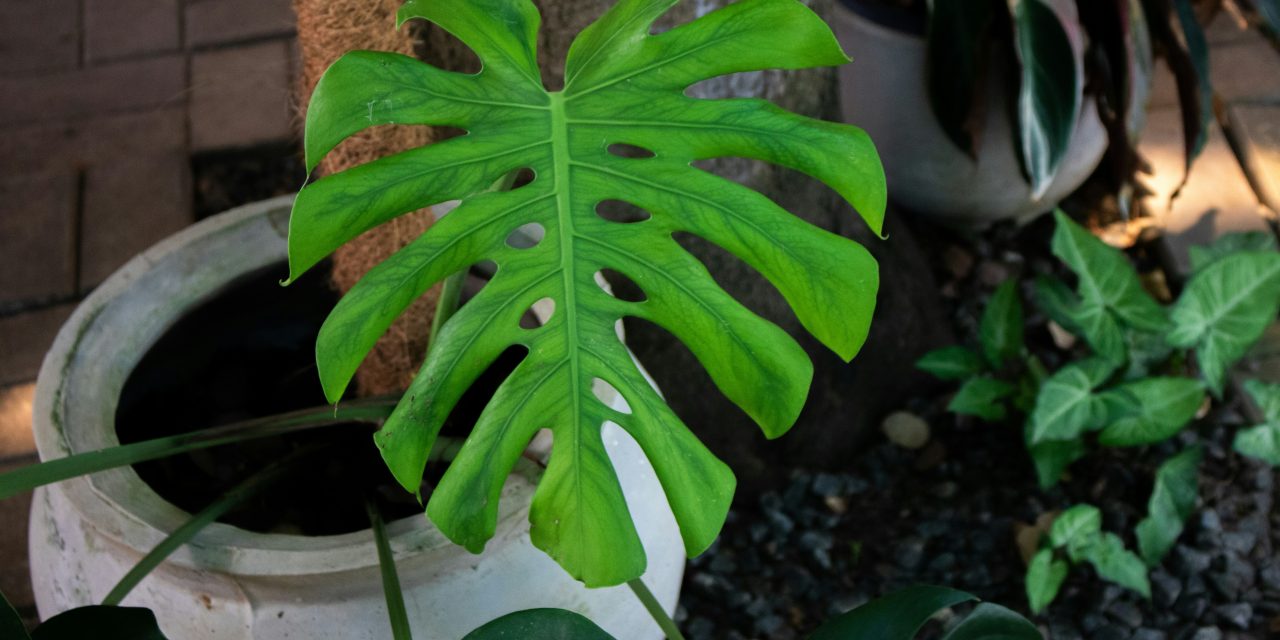
Monstera Deliciosa, commonly known as the Swiss Cheese Plant, is a tropical perennial native to the rainforests of Central America. This striking houseplant is renowned for its large, glossy leaves that develop unique perforations as they mature, giving them a distinctive appearance reminiscent of Swiss cheese. The plant can grow up to 10 feet tall in its natural habitat, but when cultivated indoors, it typically reaches a height of 3 to 6 feet. Monstera Deliciosa is not only aesthetically pleasing but also purifies indoor air, making it a popular choice among plant enthusiasts.
The Monstera’s growth habit is characterized by its climbing nature, which allows it to thrive in the dense understory of tropical forests. As it ascends, it develops aerial roots that help anchor it to surrounding structures. Understanding the natural habitat and growth patterns of Monstera Deliciosa is crucial for providing optimal care and ensuring its health and vitality in an indoor setting.
Choosing the Right Indoor Location
Selecting an appropriate location for your Monstera Deliciosa is vital for its overall health and growth. Ideally, this plant should be placed in a spot that mimics its natural environment—warm, humid, and partially shaded. A location near a window that receives filtered sunlight is often ideal. Direct sunlight can scorch the leaves, leading to unsightly brown patches and stunted growth.
When considering indoor placement, ensure that the area has good air circulation. Stagnant air can lead to fungal infections and other issues. Additionally, avoid placing your Monstera near heating vents or air conditioning units, as extreme temperature fluctuations can stress the plant. A well-chosen location will not only enhance the aesthetic appeal of your space but also promote healthy growth.
Optimal Lighting Conditions

Lighting plays a crucial role in the health of Monstera Deliciosa. While this plant can tolerate low light conditions, it thrives best in bright, indirect light. Exposure to direct sunlight can lead to leaf burn, while insufficient light may result in slow growth and smaller leaves. Ideally, aim for a location where the plant receives around 6 to 8 hours of filtered light each day.
If natural light is limited in your home, consider using grow lights to supplement the plant’s needs. LED grow lights can provide the necessary spectrum for photosynthesis without generating excessive heat. Regularly rotating your Monstera can also ensure even growth and prevent it from leaning toward the light source.
Proper Watering Techniques

Watering is one of the most critical aspects of caring for Monstera Deliciosa. Overwatering is a common mistake that can lead to root rot, while underwatering can cause the leaves to droop and become crispy. To determine when to water, check the top inch of soil; if it feels dry to the touch, it’s time to water.
When watering, ensure that excess water drains out of the pot’s drainage holes. This prevents water from pooling at the bottom and encourages healthy root development. During the growing season (spring and summer), Monstera may require more frequent watering, while in the dormant months (fall and winter), reduce watering frequency as the plant’s growth slows down.
Maintaining Humidity Levels
Monstera Deliciosa thrives in high humidity environments, typically found in its native tropical habitat. Indoor humidity levels below 40% can lead to dry leaf edges and hinder growth. To maintain optimal humidity levels, consider using a humidifier or placing a tray filled with water and pebbles beneath the plant pot. This method allows for evaporation, increasing humidity around the plant.
Regular misting can also help boost humidity levels; however, be cautious not to overdo it as excessive moisture on leaves can promote fungal diseases. Grouping plants together can create a microclimate with higher humidity levels as well. Monitoring humidity with a hygrometer can provide insights into whether additional measures are needed.
Selecting the Best Soil Mix
Choosing the right soil mix is essential for the health of your Monstera Deliciosa. A well-draining potting mix that retains some moisture while allowing excess water to escape is ideal. A combination of peat moss, perlite, and orchid bark creates an excellent medium that promotes aeration and drainage.
Avoid using heavy garden soil or compacted mixes that retain too much moisture, as these can suffocate roots and lead to rot. Additionally, consider repotting your Monstera every couple of years to refresh the soil and provide ample space for root growth.
Fertilizing Your Monstera Correctly
Fertilization is an important aspect of maintaining a healthy Monstera Deliciosa. During the growing season (spring and summer), feed your plant with a balanced liquid fertilizer diluted to half strength every four to six weeks. Look for fertilizers high in nitrogen, phosphorus, and potassium (N-P-K ratio) to support robust growth and vibrant foliage.
In fall and winter, reduce or eliminate fertilization as the plant enters dormancy and requires less nutrient input. Over-fertilizing can lead to salt buildup in the soil, which may harm roots and hinder growth. Always follow package instructions for application rates and frequency.
Pruning and Trimming Tips
Pruning is an essential practice for maintaining the shape and health of your Monstera Deliciosa. Regularly inspect your plant for yellowing or damaged leaves; these should be removed promptly to prevent disease spread. Additionally, pruning encourages bushier growth by stimulating new shoots.
When trimming, use clean, sharp scissors or pruning shears to make clean cuts just above a node or leaf junction. This minimizes stress on the plant and promotes healthy regrowth. If your Monstera becomes too large or leggy, consider cutting back longer stems to encourage fuller growth.
Supporting Growth with Stakes or Moss Poles
As a climbing plant, Monstera Deliciosa benefits from support structures such as stakes or moss poles. These supports mimic its natural climbing behavior in the wild and encourage upward growth while providing stability. Moss poles are particularly beneficial as they retain moisture, allowing aerial roots to attach and absorb additional humidity.
When installing a support structure, position it in the pot before planting or gently insert it into the soil without disturbing existing roots. As your Monstera grows, gently tie stems to the support using soft ties or twine to guide their upward trajectory.
Preventing and Treating Common Pests
Despite its resilience, Monstera Deliciosa can be susceptible to pests such as spider mites, mealybugs, and scale insects. Regularly inspect your plant for signs of infestation—look for webbing on leaves or sticky residue on surfaces. Early detection is key; if pests are spotted, isolate the affected plant immediately.
To treat infestations, use insecticidal soap or neem oil spray as organic solutions that effectively eliminate pests without harming beneficial insects. For severe infestations, consider systemic insecticides that target pests from within the plant’s vascular system. Always follow label instructions for application rates and safety precautions.
Repotting Your Monstera for Healthy Growth
Repotting is an essential practice for ensuring your Monstera Deliciosa continues to thrive as it grows. Typically, repotting should occur every 1-2 years or when you notice roots emerging from drainage holes or circling around the pot’s interior. Choose a pot that is one size larger than the current one to provide ample space for root expansion.
When repotting, gently remove the plant from its current container and loosen any tightly bound roots before placing it in fresh soil mix. Ensure that the new pot has adequate drainage holes to prevent waterlogging. After repotting, allow your Monstera some time to acclimate before resuming regular watering and fertilization routines.
In summary, caring for Monstera Deliciosa involves understanding its natural habitat and providing optimal conditions for growth through proper lighting, watering techniques, humidity maintenance, soil selection, fertilization practices, pruning strategies, support structures, pest management, and timely repotting. By following these guidelines diligently, you can cultivate a thriving Swiss Cheese Plant that enhances your indoor space with its unique beauty.
FAQ Section:
1. **How often should I water my Monstera Deliciosa?**
Water when the top inch of soil feels dry; typically every 1-2 weeks depending on environmental conditions.
2. **What type of fertilizer is best for Monstera?**
A balanced liquid fertilizer with an N-P-K ratio suitable for foliage plants works best during the growing season.
3. **Can I grow Monstera Deliciosa in low light?**
While it tolerates low light conditions, bright indirect light promotes healthier growth and larger leaves.
4. **How do I know if my Monstera needs repotting?**
Signs include roots emerging from drainage holes or circling around inside the pot; typically every 1-2 years.
5. **What pests should I watch out for?**
Common pests include spider mites, mealybugs, and scale insects; inspect regularly for signs of infestation.
6. **Is misting beneficial for my Monstera?**
Yes, misting can help increase humidity but should be done cautiously to avoid fungal issues on leaves.
7. **What should I do if my Monstera leaves turn yellow?**
Yellowing may indicate overwatering or nutrient deficiencies; assess watering habits and consider fertilization adjustments.
8. **Can I propagate my Monstera?**
Yes! You can propagate through stem cuttings with nodes placed in water or soil until roots develop.
9. **How tall can my Monstera grow indoors?**
Indoors, it typically reaches heights of 3-6 feet but can grow taller with proper support structures.
10. **What type of pot is best for my Monstera?**
Choose pots with drainage holes; terracotta pots are ideal as they allow moisture evaporation while preventing root rot.
In conclusion, nurturing a Monstera Deliciosa requires attention to detail across various care aspects—from lighting conditions to pest management strategies—ensuring this stunning plant flourishes in your home environment while enhancing your living space’s aesthetic appeal.
FAQs
What type of light does a Monstera Deliciosa need indoors?
Monstera Deliciosa thrives in bright, indirect light. While it can tolerate low light conditions, optimal growth occurs in areas with filtered sunlight. Direct sunlight can scorch the leaves, so it’s best to place it near a window with sheer curtains or in a well-lit room.
How often should I water my Monstera Deliciosa?
Water your Monstera Deliciosa when the top inch of soil feels dry to the touch. Typically, this means watering every 1-2 weeks, depending on the humidity and temperature of your home. Ensure that the pot has drainage holes to prevent waterlogging, which can lead to root rot.
What type of soil is best for Monstera Deliciosa?
A well-draining potting mix is ideal for Monstera Deliciosa. A blend of potting soil, perlite, and orchid bark works well, as it provides good aeration and drainage. This helps to mimic the plant’s natural tropical environment and supports healthy root growth.
How can I encourage my Monstera Deliciosa to grow larger?
To encourage larger growth, provide your Monstera with a support structure, such as a moss pole or trellis, to climb. Additionally, ensure it receives adequate light, water, and nutrients. Fertilizing with a balanced liquid fertilizer during the growing season (spring and summer) can also promote growth.
What pests should I watch out for when caring for a Monstera Deliciosa?
Common pests that may affect Monstera Deliciosa include spider mites, mealybugs, and scale insects. Regularly inspect the leaves for signs of infestation, such as webbing or sticky residue. If pests are detected, treat the plant with insecticidal soap or neem oil to eliminate them.