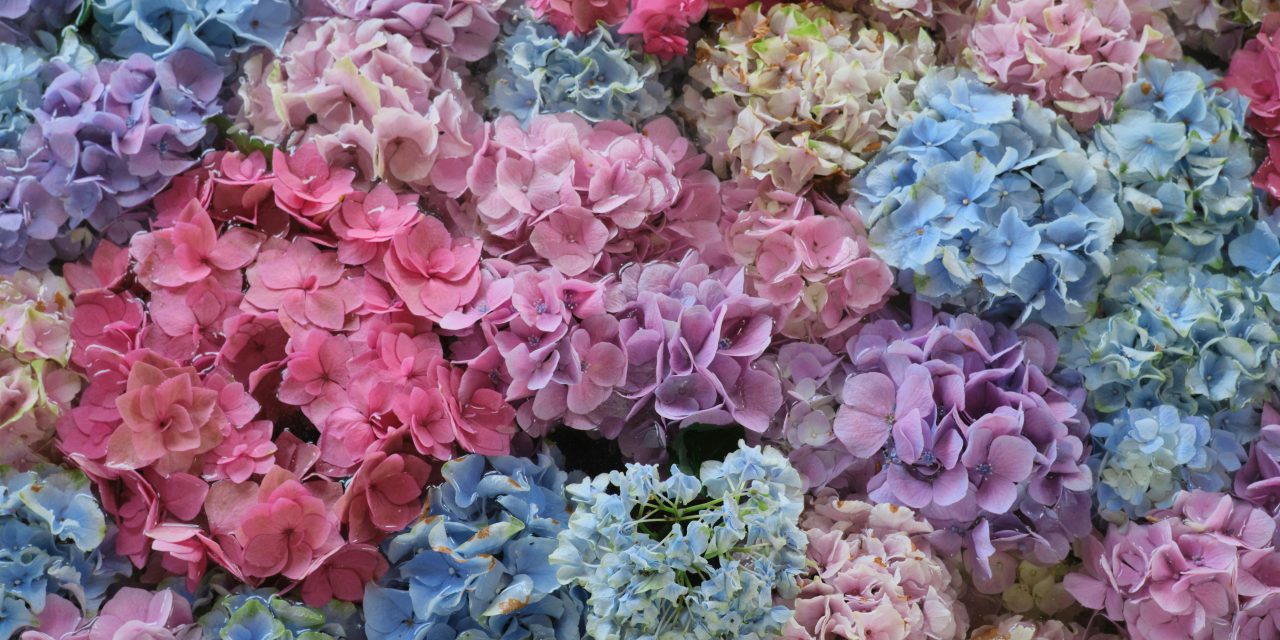
Hydrangeas are renowned for their stunning blooms, which can exhibit a remarkable spectrum of colors, ranging from soft pinks to vibrant blues. The captivating aspect of these flowers lies in their ability to change color based on environmental factors, particularly soil composition. The variations in flower color are primarily attributed to the presence of anthocyanins, pigments that respond to the pH levels of the soil. In essence, the color of hydrangea flowers is not merely a genetic trait but a dynamic interaction between the plant and its growing conditions.
The most commonly cultivated species, Hydrangea macrophylla, showcases this phenomenon vividly. When grown in acidic soils (pH below 6), the flowers typically manifest blue hues due to the availability of aluminum ions, which enhance the blue pigment’s expression. Conversely, in alkaline soils (pH above 7), the blooms tend to be pink as aluminum becomes less available, leading to a different pigment expression. This fascinating interplay between soil chemistry and flower color has made hydrangeas a subject of interest for both horticulturists and gardening enthusiasts alike.
The Role of Soil pH in Hydrangea Color
Soil pH is a critical factor influencing the color of hydrangea flowers. It is measured on a scale from 0 to 14, with values below 7 indicating acidity and values above 7 indicating alkalinity. The ideal pH range for achieving blue hydrangeas is typically between 5.0 and 5.5, while pink blooms flourish in soils with a pH of 6.5 or higher. This relationship underscores the importance of understanding soil chemistry when cultivating these beautiful plants.
The mechanism behind this color change is rooted in the plant’s ability to absorb aluminum ions from the soil. In acidic conditions, aluminum becomes soluble and is readily taken up by the roots, leading to the production of blue pigments. In contrast, alkaline conditions precipitate aluminum, making it unavailable for uptake, resulting in pink flowers. This knowledge empowers gardeners to manipulate their soil conditions strategically to achieve their desired flower colors.
Testing Your Soil Before Making Changes

Before embarking on any soil amendment journey, it is imperative to conduct a thorough soil test. This process involves collecting soil samples from various locations within your garden and sending them to a laboratory for analysis. A comprehensive soil test will provide valuable information regarding pH levels, nutrient content, and organic matter composition.
Understanding your soil’s current state is crucial for making informed decisions about amendments. Many local agricultural extension offices offer soil testing services at minimal costs. Alternatively, home testing kits are available for purchase at garden centers. These kits typically include pH test strips or powders that allow you to gauge your soil’s acidity or alkalinity quickly. Armed with this information, you can tailor your approach to achieve optimal hydrangea flower colors.
How to Lower Soil pH to Achieve Blue Flowers

If your soil test reveals a pH level that is too high for blue hydrangeas, several methods can effectively lower it. One of the most common approaches is the application of sulfur or aluminum sulfate. Sulfur works by undergoing a chemical reaction in the soil that produces sulfuric acid, thereby reducing pH levels over time. It is essential to apply sulfur gradually and monitor changes through subsequent soil tests.
Another effective method involves incorporating organic materials such as pine needles or peat moss into the soil. These materials not only contribute to lowering pH but also enhance soil structure and moisture retention. Additionally, regularly mulching with acidic materials can help maintain lower pH levels over time. By implementing these strategies, gardeners can create an environment conducive to producing stunning blue hydrangea blooms.
Raising Soil pH for Pink Hydrangea Blooms
For those seeking vibrant pink hydrangeas, raising soil pH is essential. One of the most effective methods for achieving this is through the application of lime, specifically agricultural lime or dolomitic lime. Lime works by neutralizing acidity in the soil, thereby increasing pH levels over time. It is crucial to follow recommended application rates based on your soil test results to avoid over-liming, which can lead to nutrient imbalances.
In addition to lime, incorporating organic matter such as compost can also help raise soil pH gradually while improving overall soil health. Compost enriches the soil with essential nutrients and enhances microbial activity, promoting a balanced ecosystem that supports healthy plant growth. By employing these techniques, gardeners can create an optimal environment for producing beautiful pink hydrangea blooms.
Using Aluminum Sulfate to Enhance Blue Tones
Aluminum sulfate is a powerful tool for gardeners aiming to achieve vibrant blue hydrangea flowers. This compound not only lowers soil pH but also provides aluminum ions directly to the plant roots, enhancing the blue pigment’s expression in the flowers. When using aluminum sulfate, it is essential to follow application guidelines carefully to avoid potential toxicity.
Typically, aluminum sulfate should be applied in early spring or late fall when plants are actively growing or preparing for dormancy. The recommended application rate varies based on soil conditions and desired outcomes; however, a general guideline is to apply 1 tablespoon per gallon of water and drench the root zone thoroughly. Regular monitoring of soil pH will help ensure that levels remain conducive to blue flower production.
Adding Lime to Encourage Pink Hydrangeas
To promote pink hydrangea blooms effectively, adding lime is a fundamental practice that requires careful consideration of application rates and timing. Agricultural lime is often preferred due to its slow-release properties and ability to improve soil structure while raising pH levels gradually.
When applying lime, it is advisable to conduct a follow-up soil test after several months to assess changes in pH levels. This ensures that you do not overshoot your target pH range for pink blooms. Additionally, incorporating lime into the soil during fall allows it ample time to react with the existing soil chemistry before spring growth begins.
The Importance of Consistent Watering Practices
Watering practices play a pivotal role in maintaining optimal conditions for hydrangeas and their desired flower colors. Consistent moisture levels are essential for healthy root development and nutrient uptake. However, overwatering can lead to root rot and other detrimental conditions that hinder flower production.
It is advisable to water hydrangeas deeply but infrequently, allowing the top inch of soil to dry out between watering sessions. This encourages deep root growth and enhances drought resistance while preventing waterlogged conditions that could adversely affect flower color expression. Implementing a drip irrigation system can help regulate moisture levels effectively.
Fertilizing Tips to Support Desired Flower Colors
Fertilization is another critical aspect of nurturing hydrangeas for specific flower colors. A balanced fertilizer with equal parts nitrogen (N), phosphorus (P), and potassium (K) can support overall plant health and vigor. However, when aiming for specific colors, it may be beneficial to adjust nutrient ratios based on soil conditions.
For blue hydrangeas, fertilizers high in phosphorus can enhance bloom production while promoting deeper blue tones. Conversely, fertilizers with higher nitrogen content may support lush green foliage but could dilute flower color intensity if not balanced appropriately. Regularly monitoring nutrient levels through soil tests will help guide fertilization practices effectively.
Timing Your Soil Amendments for Best Results
Timing is crucial when it comes to implementing soil amendments for hydrangeas. Ideally, amendments should be applied during periods of active growth or dormancy when plants can effectively absorb nutrients and adjust to changes in pH levels.
Spring is often considered the best time for applying sulfur or aluminum sulfate for blue blooms since plants are awakening from dormancy and actively growing. Conversely, lime applications are best suited for fall when plants are preparing for winter dormancy and can benefit from gradual pH adjustments over time.
Monitoring and Adjusting Changes Over Time
Once amendments have been applied, ongoing monitoring is essential for achieving desired results in hydrangea flower colors. Regular soil testing every few months will provide insights into changes in pH levels and nutrient availability, allowing gardeners to make informed adjustments as needed.
Additionally, observing plant health and flower color throughout the growing season will help identify any potential issues early on. If flower colors do not align with expectations despite amendments, further adjustments may be necessary based on updated soil test results or environmental factors affecting growth.
In summary, understanding the intricate relationship between soil pH and hydrangea flower color variations empowers gardeners to cultivate stunning blooms tailored to their preferences. By employing strategic amendments such as sulfur or lime while maintaining consistent watering practices and monitoring changes over time, achieving vibrant blue or pink hydrangeas becomes an attainable goal for any gardening enthusiast.
FAQs
What factors influence the color of hydrangea flowers?
The color of hydrangea flowers is primarily influenced by the pH level of the soil in which they are planted. Acidic soils (pH below 6) tend to produce blue flowers, while alkaline soils (pH above 7) typically result in pink flowers. Additionally, the presence of aluminum ions in the soil can also affect flower color, as they are more available in acidic conditions.
How can I change the color of my hydrangea flowers?
To change the color of your hydrangea flowers, you can adjust the soil pH. For blue flowers, you can lower the pH by adding sulfur or aluminum sulfate to the soil. For pink flowers, you can raise the pH by adding lime. It’s important to test your soil’s pH before making any amendments to ensure you achieve the desired color.
Can all types of hydrangeas change color?
Not all types of hydrangeas can change color. The most commonly affected species is Hydrangea macrophylla, also known as bigleaf hydrangea. Other types, such as Hydrangea paniculata and Hydrangea arborescens, typically produce flowers in consistent colors regardless of soil conditions.
How long does it take to see changes in hydrangea flower color?
Changes in hydrangea flower color can take several weeks to months, depending on the soil amendments made and the plant’s growing conditions. Typically, you may start to see color changes in the following blooming season after adjusting the soil pH.
Are there any risks associated with changing hydrangea flower color?
While changing the soil pH can effectively alter hydrangea flower color, it is essential to do so gradually. Rapid changes in soil pH can stress the plant and lead to poor growth or flower production. Always test the soil and make amendments slowly to avoid harming the hydrangea.