Pothos, scientifically known as Epipremnum aureum, is a popular houseplant renowned for its resilience and adaptability. This vining plant is characterized by its heart-shaped leaves, which can vary in color from deep green to variegated shades of yellow and white. Propagation of Pothos is a rewarding endeavor that allows plant enthusiasts to expand their collection or share with friends and family. Water propagation, in particular, is a straightforward method that requires minimal tools and can yield impressive results.
The process of propagating Pothos in water involves taking cuttings from a healthy parent plant and encouraging root development in a liquid medium. This method not only provides an opportunity to observe the growth of roots but also allows for easy monitoring of the cutting’s health. With proper techniques and care, one can successfully propagate Pothos and enjoy the lush greenery it brings to indoor spaces.
Choosing the Right Pothos Stem for Water Propagation
Selecting the appropriate stem for propagation is crucial for successful outcomes. Ideally, one should look for a healthy stem that exhibits vibrant foliage and no signs of disease or pest infestation. A cutting should be at least 4-6 inches long and contain several nodes, which are the small bumps on the stem where leaves emerge. Nodes are essential for root development, as roots will sprout from these areas when submerged in water.
When choosing a stem, consider the overall health of the parent plant. A vigorous plant with ample growth will provide cuttings that are more likely to thrive. Avoid stems that are leggy or have yellowing leaves, as these may indicate underlying issues such as insufficient light or nutrient deficiencies. By selecting robust cuttings, you increase the likelihood of successful propagation and vibrant new plants.
Preparing Your Cutting: Tools and Techniques

Preparation of the cutting is a critical step in the propagation process. To begin, gather the necessary tools: a sharp, clean pair of scissors or pruning shears, a clean container for water, and optionally, rooting hormone. The use of sterilized tools minimizes the risk of introducing pathogens that could hinder root development.
To prepare the cutting, make a clean cut just below a node at a 45-degree angle. This angle increases the surface area for water absorption and encourages faster root growth. Remove any leaves that may be submerged in water, as they can rot and contaminate the water. If using rooting hormone, dip the cut end into the powder before placing it in water; this can enhance root development by providing additional growth hormones.
Using Clean Water for Optimal Root Growth

The quality of water used in propagation significantly impacts root development. It is essential to use clean, chlorine-free water to avoid harming the delicate roots as they form. Tap water can contain chlorine and other chemicals that may inhibit growth; therefore, it is advisable to use distilled or filtered water whenever possible.
Additionally, ensure that the water level is sufficient to cover the nodes but not so high that it submerges any leaves. Regularly changing the water every week helps maintain cleanliness and oxygen levels, promoting healthy root growth. If you notice any discoloration or cloudiness in the water, it is a sign that it needs to be replaced immediately.
Ideal Containers for Propagating Pothos in Water
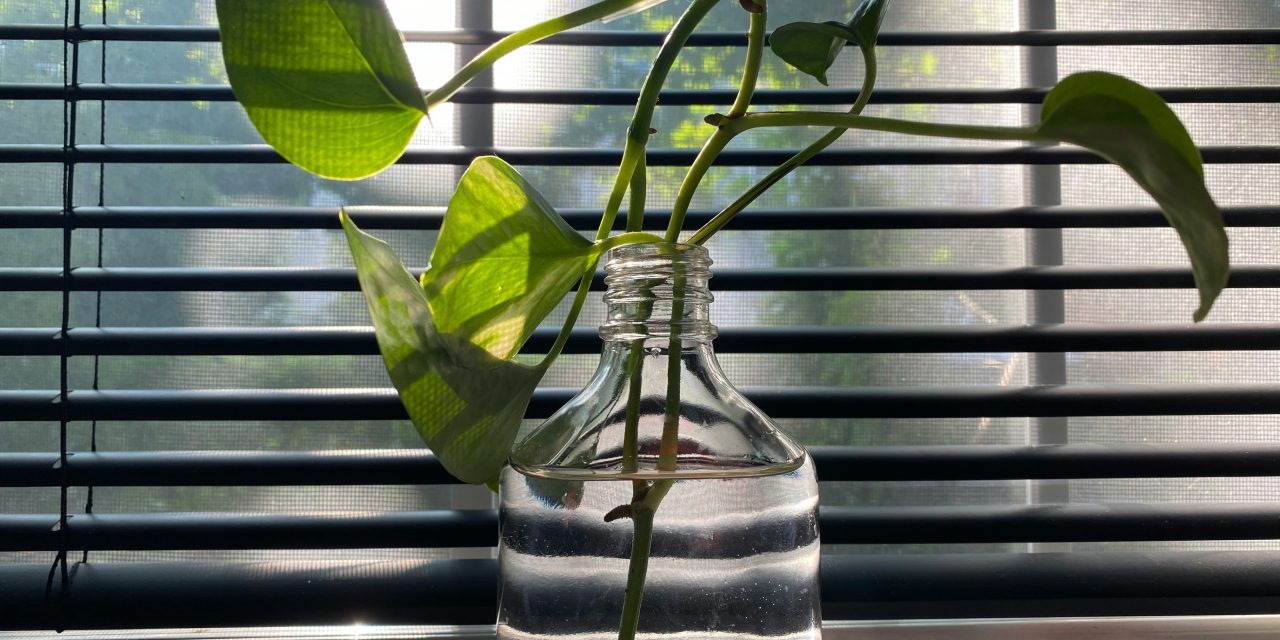
Choosing the right container for water propagation is essential for providing stability and visibility during the rooting process. Clear glass containers are particularly advantageous as they allow you to monitor root development without disturbing the cutting. Options include mason jars, vases, or any transparent vessel that can hold water securely.
The size of the container should accommodate multiple cuttings if desired while ensuring that each cutting has enough space for root expansion. Additionally, containers with narrow openings can help support the stems upright, preventing them from tipping over as roots begin to grow. Proper container selection contributes to a successful propagation experience.
Positioning Your Cuttings for Maximum Light Exposure
Light exposure plays a pivotal role in the growth of Pothos cuttings during propagation. While direct sunlight can scorch delicate leaves, bright indirect light is ideal for encouraging healthy growth. Position your container near a window where it can receive filtered sunlight throughout the day.
If natural light is limited, consider using grow lights to supplement illumination. These lights mimic natural sunlight and can be adjusted to provide optimal conditions for photosynthesis. Ensuring adequate light exposure not only promotes root development but also encourages lush foliage growth once the cuttings are established.
Changing the Water: How Often and Why It Matters
Regularly changing the water is vital for maintaining a healthy environment for your Pothos cuttings. It is recommended to change the water every 7-10 days to prevent stagnation and bacterial growth that could harm developing roots. Fresh water provides essential oxygen and nutrients while removing any debris or organic matter that may accumulate over time.
When changing the water, take this opportunity to inspect your cuttings for any signs of rot or disease. If you notice any unhealthy areas, trim them away before placing the cutting back into clean water. This proactive approach ensures that your cuttings remain healthy and increases their chances of successful rooting.
Encouraging Faster Root Development with Natural Additives
To enhance root development during propagation, consider incorporating natural additives into your water regimen. One popular option is adding a small amount of liquid seaweed extract or aloe vera gel to the water. These natural substances contain growth hormones and nutrients that can stimulate root formation and overall plant health.
Another effective additive is cinnamon powder, known for its antifungal properties. Sprinkling a small amount on the cut end before placing it in water can help prevent rot while promoting healthy root growth. Experimenting with these natural additives can yield faster results and contribute to robust plant development.
Troubleshooting Common Issues in Water Propagation
Despite careful attention to detail, issues may arise during Pothos propagation in water. One common problem is root rot, which occurs when cuttings are submerged too deeply or when water quality deteriorates. Signs of root rot include blackened or mushy roots; if detected early, trimming away affected areas and changing the water can help salvage the cutting.
Another issue may be slow or stunted root growth, often caused by insufficient light or nutrient deficiencies. If roots are not developing as expected, reassess your lighting conditions and consider adding natural additives to boost growth hormones. By troubleshooting these common problems promptly, you can increase your chances of successful propagation.
When and How to Transplant Pothos from Water to Soil
Transplanting Pothos from water to soil is an exciting milestone in the propagation journey. Once roots have developed to about 2-4 inches long and appear healthy, it’s time to transition them into soil. Choose a well-draining potting mix enriched with organic matter to provide essential nutrients for your new plant.
To transplant, gently remove the cutting from its water container, taking care not to damage the delicate roots. Create a hole in the soil using your finger or a stick and place the cutting inside, ensuring that the roots are covered while leaving some stem exposed above soil level. Water thoroughly after transplanting to help settle the soil around the roots and encourage further growth.
Tips for Maintaining Lush Green Growth After Propagation
Once your Pothos has been successfully transplanted into soil, maintaining its health requires ongoing care. Ensure that your plant receives adequate light—bright indirect light is ideal—while avoiding direct sunlight that could scorch leaves. Regular watering is essential; allow the top inch of soil to dry out between watering sessions to prevent overwatering.
Fertilizing every 4-6 weeks during the growing season with a balanced liquid fertilizer can promote lush foliage growth and overall vitality. Additionally, periodic pruning helps maintain shape and encourages bushier growth by stimulating new shoots from nodes along the stem. By following these tips, you can enjoy a thriving Pothos plant that enhances your indoor environment.
In summary, propagating Pothos in water is an accessible and rewarding process that allows plant lovers to expand their collections effortlessly. By selecting healthy cuttings, utilizing clean water, providing adequate light exposure, and addressing common issues promptly, one can achieve successful propagation outcomes. With proper care during and after transplantation into soil, your Pothos will flourish beautifully in your home environment.
FAQs
What is the best way to propagate pothos in water?
The best way to propagate pothos in water is to take cuttings from a healthy plant. Use a clean, sharp pair of scissors to cut a stem just below a node, which is where leaves grow from. Place the cutting in a jar or glass of water, ensuring that the node is submerged while the leaves remain above water. Change the water every week to keep it fresh and encourage root growth.
How long does it take for pothos cuttings to root in water?
Pothos cuttings typically take about 2 to 4 weeks to develop roots in water. The exact time can vary depending on factors such as temperature, light conditions, and the health of the cutting. Once the roots are at least a few inches long, the cutting can be transferred to soil if desired.
Do pothos need sunlight while propagating in water?
Yes, pothos cuttings benefit from indirect sunlight while propagating in water. Place the jar or glass in a location where it can receive bright, indirect light, as this will help promote healthy root growth. Avoid direct sunlight, as it can cause the water to heat up and may harm the cutting.
Can I propagate pothos in water without a node?
No, it is not advisable to propagate pothos cuttings without a node. The node is essential for root development, as it contains the necessary tissues that will grow into roots. Always ensure that your cuttings include at least one node for successful propagation.
How often should I change the water when propagating pothos?
You should change the water every week when propagating pothos in water. This helps to prevent stagnation and the growth of bacteria, which can harm the cutting. Fresh water also provides the cutting with the necessary oxygen and nutrients for healthy root development.