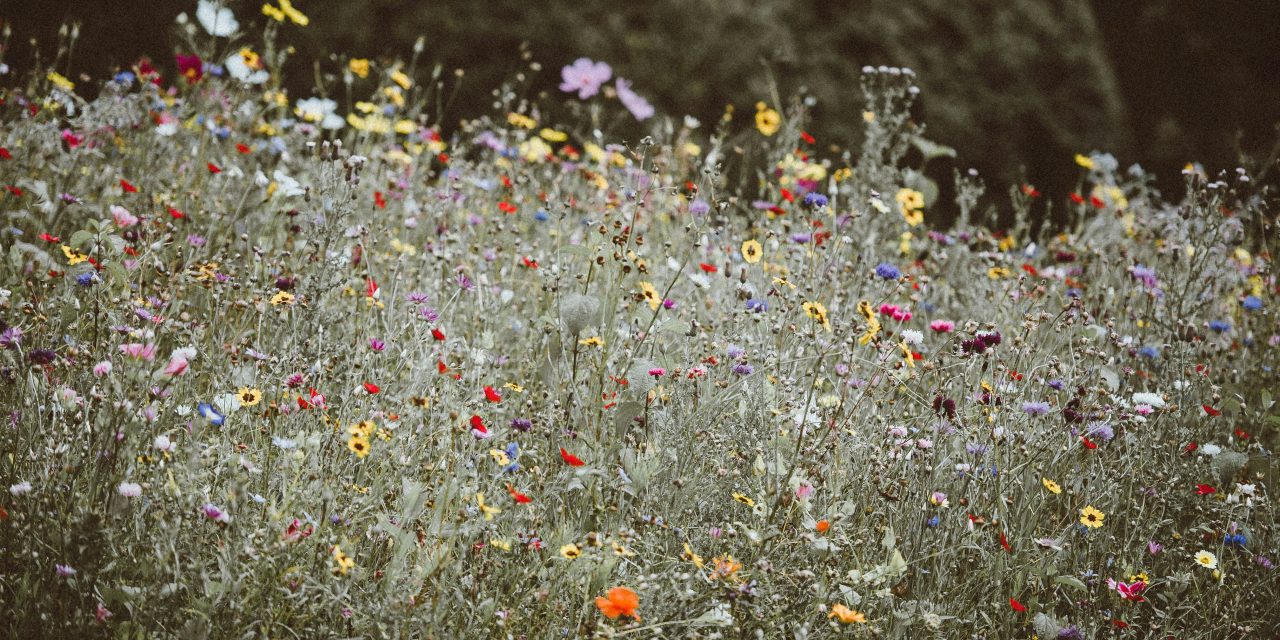
Wildflowers are a splendid addition to any garden, offering vibrant colors, diverse textures, and ecological benefits. When selecting wildflower seeds, it is crucial to understand the various species available and their specific requirements. Native wildflowers are particularly advantageous as they are adapted to local climates and soil conditions, promoting biodiversity and supporting local pollinators. For instance, species such as Echinacea purpurea (Purple Coneflower) and Rudbeckia hirta (Black-eyed Susan) not only enhance aesthetic appeal but also attract bees and butterflies.
When choosing seeds, consider factors such as bloom time, height, and growth habits. Annuals like Calendula officinalis (Pot Marigold) provide quick color but require replanting each year, while perennials like Asclepias tuberosa (Butterfly Weed) return season after season. Additionally, consider the color palette you wish to achieve; mixing species with complementary hues can create a visually stunning display. Researching local wildflower seed mixes can also simplify the selection process, ensuring that you choose varieties that thrive in your specific region.
Selecting the Perfect Location for Your Wildflower Garden
The location of your wildflower garden plays a pivotal role in its success. Ideally, wildflowers should be planted in an area that receives full sun for at least six hours a day. This exposure is essential for photosynthesis, which fuels growth and flowering. Assessing the microclimate of your chosen site is equally important; areas sheltered from harsh winds or excessive moisture can provide a more stable environment for seedlings.
Soil drainage is another critical factor to consider. Wildflowers generally prefer well-drained soils that do not retain excessive moisture, which can lead to root rot and other fungal diseases. Conducting a soil test can provide valuable insights into pH levels and nutrient content, allowing you to amend the soil accordingly. Additionally, consider proximity to existing flora; planting near established plants can enhance pollinator activity and create a more biodiverse ecosystem.
Preparing the Soil for Optimal Seed Growth

Soil preparation is a fundamental step in establishing a thriving wildflower garden. Begin by clearing the area of any existing vegetation, including weeds and grass, which can compete with your wildflowers for nutrients and water. This can be achieved through manual removal or by using a non-selective herbicide if necessary. Once cleared, it is advisable to till the soil to a depth of about 12 inches to aerate it and improve drainage.
Incorporating organic matter such as compost or well-rotted manure can significantly enhance soil fertility and structure. This amendment not only provides essential nutrients but also improves moisture retention capabilities. Aim for a soil pH between 6.0 and 7.0 for optimal wildflower growth; if your soil is too acidic or alkaline, consider adding lime or sulfur to adjust the pH levels accordingly. Finally, raking the soil surface smooth will create an ideal seedbed for sowing.
When and How to Sow Wildflower Seeds

Timing is crucial when sowing wildflower seeds to ensure optimal germination and growth. The best time to plant varies by region but generally falls between late fall and early spring. Fall sowing allows seeds to undergo natural stratification during winter, mimicking their natural lifecycle and promoting germination in spring. Conversely, spring sowing should occur after the last frost date when soil temperatures reach around 60°F (15°C).
When sowing seeds, it is essential to follow the recommended seeding rate for each species, as overcrowding can lead to competition for resources. A general guideline is to scatter seeds at a rate of 1-2 ounces per 100 square feet. For larger seeds, such as sunflowers, consider spacing them 12-18 inches apart. Lightly raking the soil after sowing can help ensure good seed-to-soil contact, which is vital for germination success.
Watering Techniques to Encourage Germination
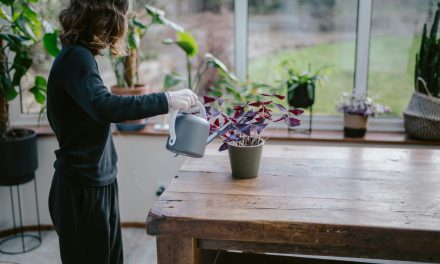
Watering is a critical component of seed germination and early plant development. After sowing wildflower seeds, it is essential to provide consistent moisture without over-saturating the soil. A gentle misting or light watering with a fine spray nozzle can help prevent displacing seeds while ensuring they remain moist. Aim to keep the top inch of soil consistently damp until seedlings emerge.
Once seedlings are established, watering frequency can be reduced. Wildflowers are generally drought-tolerant once mature; however, during prolonged dry spells, supplemental watering may be necessary to maintain healthy growth. A deep watering approach is recommended—water less frequently but thoroughly—to encourage deep root development. This practice helps plants withstand periods of drought more effectively.
Protecting Your Seeds from Birds and Pests
Wildflower seeds can attract various birds and pests that may pose a threat to successful germination. To protect your seeds from feathered foragers, consider using netting or row covers immediately after sowing. These barriers can deter birds while allowing sunlight and rain to reach the seeds. Additionally, scattering some larger stones or mulch over the seedbed can help camouflage the area from hungry birds.
Pests such as slugs and snails may also target young seedlings. Implementing organic pest control methods, such as introducing beneficial insects like ladybugs or using diatomaceous earth around the base of plants, can help mitigate these threats without harming the ecosystem. Regular monitoring of your garden will allow you to identify any pest issues early on and take appropriate action.
Thinning Seedlings for Healthy Plant Development
As seedlings begin to emerge, thinning becomes necessary to ensure healthy growth and development. Overcrowded seedlings compete for light, nutrients, and water, leading to stunted growth or even plant death. Once seedlings have developed their first true leaves, assess their spacing; ideally, plants should be spaced according to their mature size—typically 6-12 inches apart depending on the species.
To thin seedlings effectively, use scissors or garden shears to snip off excess plants at the soil level rather than pulling them out by the roots, which can disturb neighboring seedlings. This practice minimizes root disturbance and promotes healthier growth among remaining plants. Thinning not only enhances individual plant health but also contributes to a more aesthetically pleasing garden.
Supporting Wildflowers as They Grow Taller
As wildflowers mature, some species may require additional support to prevent bending or breaking under their weight or during inclement weather conditions. Staking taller varieties such as Helianthus annuus (Common Sunflower) can provide stability and ensure they maintain an upright posture throughout their blooming period. Use biodegradable stakes or bamboo poles tied with soft twine to avoid damaging stems.
In addition to physical support, consider planting companion plants that naturally provide shelter or shade for taller wildflowers. This strategy not only enhances visual interest but also creates a microhabitat that supports diverse wildlife interactions within your garden ecosystem.
Managing Weeds Without Harm to Your Wildflowers
Weed management is essential in maintaining a healthy wildflower garden without resorting to harmful chemicals that could damage native flora and fauna. Hand-pulling weeds is an effective method for small gardens; however, this labor-intensive approach may not be feasible for larger areas. Mulching with organic materials such as straw or wood chips can suppress weed growth while enriching the soil as it decomposes.
For persistent weeds, consider using landscape fabric or biodegradable weed barriers that allow water and nutrients to penetrate while blocking sunlight from reaching weed seeds. Regular monitoring and maintenance will help keep weeds at bay without compromising the health of your wildflowers.
Deadheading and Maintaining Blooms for Longer Flowering
To prolong blooming periods in your wildflower garden, deadheading—removing spent flowers—is an effective practice that encourages plants to produce new blooms rather than expend energy on seed production. Regularly inspect your plants for faded flowers and remove them by pinching or cutting just above the first set of healthy leaves.
In addition to deadheading, providing adequate nutrients through organic fertilizers can enhance flowering potential throughout the growing season. A balanced fertilizer with equal parts nitrogen, phosphorus, and potassium will support overall plant health while promoting vibrant blooms.
Harvesting Seeds to Replant and Expand Your Wildflower Garden
Once your wildflowers have completed their life cycle, harvesting seeds allows you to expand your garden without purchasing new seeds each season. Wait until seed heads are fully mature—typically when they turn brown and dry—before collecting them. Gently shake or cut the seed heads into a paper bag or container to collect seeds without damaging them.
Store harvested seeds in a cool, dry place in labeled envelopes or containers until you are ready to replant them in your garden or share with fellow gardening enthusiasts. Proper storage ensures seed viability for future planting seasons.
In summary, cultivating a wildflower garden requires careful planning and attention to detail at every stage—from selecting appropriate seed varieties to managing weeds effectively. By understanding each aspect of wildflower cultivation, gardeners can create vibrant ecosystems that support local wildlife while enhancing their outdoor spaces with stunning floral displays. With proper care and maintenance, your wildflower garden will flourish year after year, providing beauty and ecological benefits for all who encounter it.
FAQs
What is the best time to plant wildflower seeds?
The best time to plant wildflower seeds is typically in the spring or fall. Spring planting allows seeds to germinate as temperatures rise, while fall planting can take advantage of natural stratification during winter, leading to earlier germination in spring.
How do I prepare the soil for planting wildflower seeds?
To prepare the soil for wildflower seeds, start by clearing the area of weeds, rocks, and debris. Loosen the soil with a rake or tiller to a depth of about 2-3 inches. It’s also beneficial to test the soil pH and amend it if necessary, aiming for a pH between 6.0 and 7.0 for optimal growth.
Do wildflower seeds need to be soaked before planting?
Soaking wildflower seeds before planting is not generally necessary, but it can help with germination for some species. If you choose to soak them, do so for a few hours to overnight, ensuring not to over-soak, which can lead to seed rot.
How often should I water wildflower seeds after planting?
After planting wildflower seeds, water them lightly and consistently until they germinate. This usually means watering every few days, depending on rainfall and temperature. Once established, wildflowers typically require less frequent watering, as they are often drought-tolerant.
Can I grow wildflowers in containers?
Yes, wildflowers can be grown in containers. Choose a pot with good drainage and fill it with a well-draining potting mix. Select wildflower species that are suitable for container growth, and ensure the container receives adequate sunlight and water.