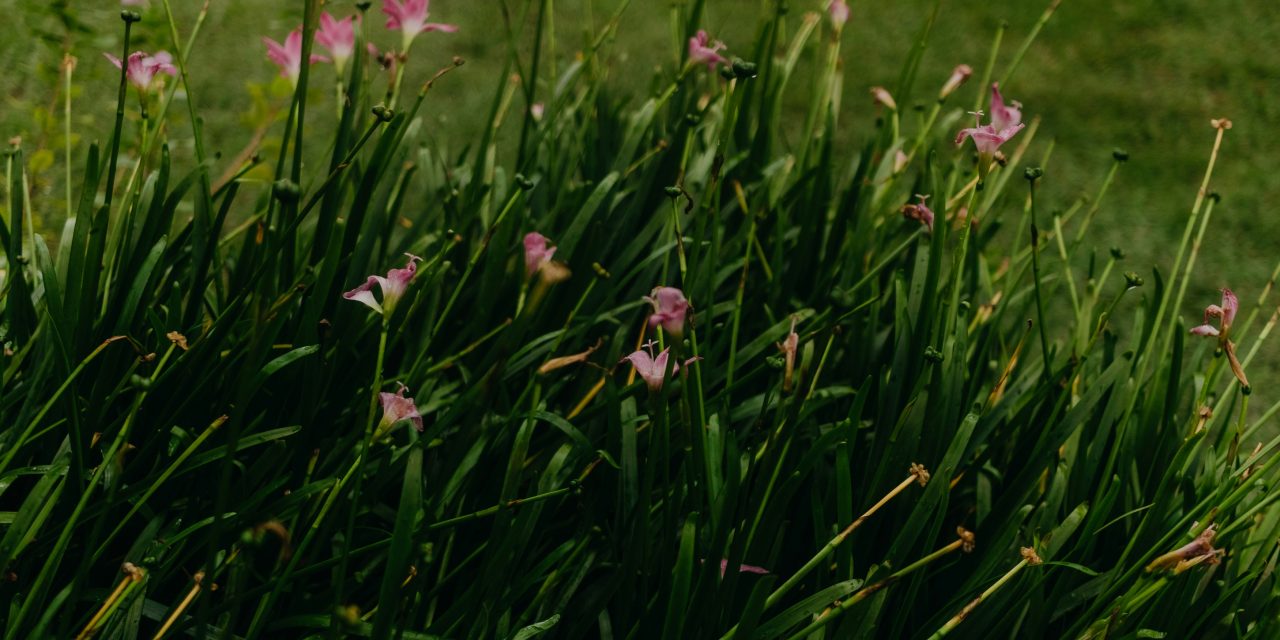
Before embarking on the journey of creating a native plant garden, it is imperative to conduct a thorough assessment of your lawn and soil conditions. This initial evaluation serves as the foundation for successful gardening. Begin by examining the existing landscape, noting the sunlight exposure, drainage patterns, and any existing vegetation. Understanding these factors will help you determine which native plants will thrive in your specific environment.
Soil quality is another critical aspect to consider. Conduct a soil test to analyze pH levels, nutrient content, and organic matter. Most native plants prefer well-drained soils with a pH between 6.0 and 7.5. If your soil is too acidic or alkaline, amendments may be necessary to create an optimal growing environment. Additionally, consider the soil texture—sandy, loamy, or clay—and how it affects water retention and root development. By gathering this information, you can make informed decisions about plant selection and soil preparation.
Research Native Plants Suitable for Your Region
Once you have assessed your lawn and soil conditions, the next step is to research native plants that are well-suited for your region. Native plants are those that naturally occur in a specific area and have adapted to local climate conditions, soil types, and wildlife interactions. They are often more resilient and require less maintenance than non-native species.
Start by consulting local extension services, botanical gardens, or native plant societies to gather information on indigenous flora. Resources such as plant databases or field guides can provide insights into the characteristics, growth habits, and ecological benefits of various species. Focus on selecting a diverse array of plants that bloom at different times throughout the growing season to ensure continuous color and attract pollinators. Additionally, consider incorporating plants that provide habitat for local wildlife, such as birds and beneficial insects.
Plan Your Garden Layout and Design

With a clear understanding of suitable native plants, it is time to plan your garden layout and design. A well-thought-out design not only enhances the aesthetic appeal of your landscape but also promotes healthy plant growth and biodiversity. Begin by sketching a rough layout of your garden space, taking into account factors such as sunlight exposure, wind patterns, and existing structures.
Consider grouping plants with similar water and light requirements together to create microhabitats that support their growth. Incorporate layers into your design by placing taller plants at the back or center of beds and shorter species at the front or edges. This layering technique not only maximizes visual interest but also ensures that all plants receive adequate sunlight. Additionally, think about incorporating pathways or seating areas to create functional spaces within your garden.
Remove Existing Grass and Weeds

Before planting your native species, it is essential to remove any existing grass and weeds that may compete for resources. This step is crucial for establishing a healthy garden environment. Begin by using a shovel or spade to cut out patches of grass, ensuring that you remove the roots to prevent regrowth. Alternatively, you can use a sod cutter for larger areas.
For weed removal, consider employing a combination of manual pulling and mulching techniques. Hand-pulling is effective for smaller infestations, while mulching can suppress weed growth in larger areas. If you prefer a chemical-free approach, solarization—covering the area with clear plastic for several weeks—can effectively kill weeds by trapping heat and moisture. Once the area is cleared, allow it to rest for a few weeks to ensure any remaining seeds are eliminated before proceeding with soil preparation.
Prepare the Soil for Planting
Preparing the soil is a vital step in ensuring the success of your native plant garden. After removing existing vegetation, it is essential to amend the soil based on the results of your soil test. Incorporate organic matter such as compost or well-rotted manure to improve soil structure, enhance nutrient availability, and promote beneficial microbial activity.
Loosen compacted soil using a garden fork or tiller to improve aeration and drainage. Aim for a depth of at least 12 inches to encourage healthy root development. If your soil is particularly sandy or clay-heavy, consider adding amendments such as peat moss or vermiculite to improve moisture retention and drainage capabilities. Once the soil is adequately prepared, level the surface and create planting holes that accommodate the root systems of your chosen native plants.
Select and Purchase Native Plants
With your garden layout planned and soil prepared, it is time to select and purchase native plants for your garden. When choosing plants, prioritize local nurseries or native plant sales that specialize in indigenous species. This ensures that you are acquiring healthy specimens that are well-adapted to your region’s climate.
Consider purchasing a mix of perennials, shrubs, and grasses to create a diverse ecosystem that supports various forms of wildlife. Look for plants that are known for their resilience against pests and diseases while providing essential resources for pollinators such as bees and butterflies. Additionally, inquire about the mature size of each plant to ensure they fit well within your design without overcrowding.
Plant Your Native Species Correctly
Proper planting techniques are crucial for establishing healthy native species in your garden. Begin by digging holes that are twice as wide as the root ball but no deeper than the root system itself. This allows roots to spread out while preventing water from pooling around the base of the plant.
Gently remove each plant from its container, taking care not to damage the roots. Place the plant in the hole at the same depth it was growing in its pot—this prevents issues related to over- or under-planting. Backfill with soil while gently tamping down to eliminate air pockets around the roots. Water each newly planted specimen thoroughly to help settle the soil and provide moisture for establishment.
Mulch to Retain Moisture and Suppress Weeds
Applying mulch is an essential practice in maintaining a healthy native plant garden. Mulch serves multiple purposes: it retains moisture in the soil, suppresses weed growth, regulates soil temperature, and adds organic matter as it decomposes over time. Organic mulches such as shredded bark, wood chips, or straw are excellent choices for native gardens.
Spread a layer of mulch approximately 2-3 inches thick around each plant while avoiding direct contact with stems or trunks to prevent rot. This barrier will help conserve moisture during dry spells while minimizing competition from weeds that could hinder growth. Regularly check mulch levels throughout the growing season and replenish as needed to maintain effectiveness.
Water and Care for New Plantings
After planting your native species, proper watering and care are essential for their establishment and long-term health. During the first few weeks after planting, monitor moisture levels closely—newly planted specimens require consistent watering until their roots become established. Aim for deep watering sessions rather than frequent shallow ones; this encourages roots to grow deeper into the soil.
As your plants mature, adjust your watering schedule based on rainfall patterns and seasonal changes. Native plants are generally drought-tolerant once established; however, they may still require supplemental watering during prolonged dry spells or extreme heat events. Additionally, keep an eye out for signs of stress such as wilting or yellowing leaves, which may indicate inadequate water or nutrient deficiencies.
Monitor Growth and Manage Pests Naturally
Monitoring growth is an ongoing process that allows you to assess the health of your native plant garden effectively. Regularly inspect plants for signs of pests or diseases while also observing their overall vigor and growth patterns. Early detection is key in managing potential issues before they escalate into significant problems.
When it comes to pest management, adopt an integrated pest management (IPM) approach that emphasizes natural solutions over chemical interventions. Encourage beneficial insects such as ladybugs and lacewings by providing habitats like flowering plants or insect hotels within your garden. If pest populations become problematic, consider using organic insecticidal soaps or neem oil as targeted treatments that minimize harm to beneficial organisms.
Enjoy and Maintain Your Native Plant Garden
The culmination of your efforts will be a thriving native plant garden that not only enhances your landscape but also supports local ecosystems. Take time to enjoy the beauty of your garden throughout the seasons—observe how it evolves with changing weather patterns and wildlife interactions.
Maintenance is key to ensuring long-term success; this includes regular weeding, mulching, pruning spent blooms, and monitoring for pests or diseases. Engage with local gardening communities or online forums to share experiences and gain insights into best practices for maintaining native gardens in your area. By fostering a connection with nature through your garden, you contribute positively to biodiversity while enjoying the myriad benefits that come from cultivating native flora.
In summary, creating a native plant garden involves careful assessment of lawn conditions, research into suitable species, thoughtful planning of layout design, diligent removal of existing vegetation, thorough soil preparation, strategic selection of plants, proper planting techniques, effective mulching practices, attentive watering routines, natural pest management strategies, and ongoing maintenance efforts—all culminating in a vibrant ecosystem that enhances both personal enjoyment and environmental health.
FAQs
What are native plants?
Native plants are species that naturally occur in a specific region or ecosystem without human introduction. They have adapted to the local climate, soil, and wildlife, making them well-suited for the environment and often requiring less maintenance than non-native species.
Why should I replace my lawn with native plants?
Replacing your lawn with native plants can provide numerous benefits, including reduced water usage, lower maintenance costs, improved biodiversity, and enhanced habitat for local wildlife. Native plants also help prevent soil erosion and can improve soil health.
How do I choose the right native plants for my area?
To choose the right native plants, research your local climate, soil type, and existing ecosystems. Consult local extension services, native plant societies, or gardening centers that specialize in native flora. Additionally, consider the specific conditions of your garden, such as sunlight, moisture levels, and space availability.
What steps should I take to remove my existing lawn?
To remove your existing lawn, you can use several methods: manual removal with a shovel or sod cutter, smothering with cardboard or mulch, or applying a non-selective herbicide. Ensure you follow up with soil preparation and amendments to create a suitable environment for your new native plants.
How can I maintain my native plant garden?
Maintaining a native plant garden typically requires less effort than a traditional lawn. Regular tasks include monitoring for invasive species, occasional weeding, and ensuring adequate water during dry spells. Mulching can help retain moisture and suppress weeds, while periodic pruning may be necessary to encourage healthy growth.