Cooking dried beans can be a rewarding culinary experience, offering a plethora of nutritional benefits and versatility in various dishes. However, traditional methods often require extensive soaking and prolonged cooking times, which can deter many home cooks. Enter the pressure cooker—a revolutionary kitchen appliance that significantly reduces cooking time while enhancing flavor and texture. This article delves into the intricacies of cooking dried beans using a pressure cooker, exploring its advantages, preparation techniques, and practical tips to ensure a successful outcome.
Pressure cooking has gained popularity due to its efficiency and ability to preserve nutrients. Beans, rich in protein, fiber, and essential vitamins, become tender and flavorful in a fraction of the time compared to conventional methods. Understanding the nuances of this cooking technique can elevate your culinary skills and expand your repertoire of bean-based dishes. Whether you are a novice or an experienced cook, mastering the art of pressure cooking beans can transform your approach to meal preparation.
Benefits of Using a Pressure Cooker for Dried Beans
Utilizing a pressure cooker for dried beans offers numerous advantages that make it an appealing choice for home cooks. One of the most significant benefits is the drastic reduction in cooking time. While traditional methods may require hours of soaking and simmering, pressure cooking can yield perfectly cooked beans in as little as 30 minutes. This time efficiency is particularly beneficial for busy individuals or families seeking quick meal solutions.
Moreover, pressure cooking enhances the flavor profile of beans. The sealed environment allows for the retention of moisture and nutrients, resulting in a more concentrated taste. Additionally, the high-pressure environment can help break down complex sugars that often lead to digestive discomfort, making beans easier to digest. This method also minimizes the need for added fats or oils, promoting healthier cooking practices.
Choosing the Right Type of Dried Beans

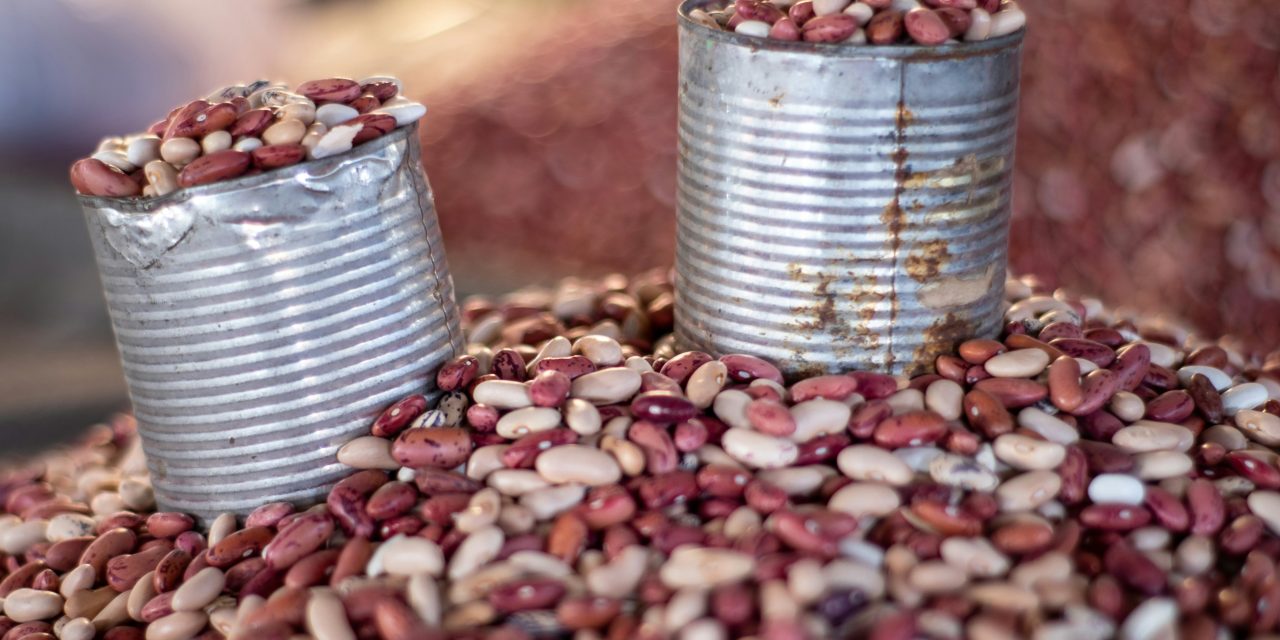
Selecting the appropriate type of dried beans is crucial for achieving optimal results in your pressure cooker. There are numerous varieties available, each with distinct flavors, textures, and culinary applications. Common types include black beans, kidney beans, pinto beans, navy beans, and chickpeas. Understanding the characteristics of each variety can help you choose the best option for your intended dish.
For instance, black beans are known for their rich, earthy flavor and are often used in Latin American cuisine. Kidney beans, with their robust texture, are ideal for chili and stews. Pinto beans are versatile and commonly used in Mexican dishes such as refried beans. Chickpeas, on the other hand, are perfect for Mediterranean recipes like hummus or salads. Familiarizing yourself with these varieties will enable you to make informed decisions when selecting dried beans for your pressure cooking endeavors.
The preparation of dried beans often involves a debate between soaking and not soaking before cooking. Soaking beans can reduce cooking time and help eliminate some of the indigestible sugars that cause gas. Traditional soaking methods typically involve submerging beans in water for several hours or overnight. However, pressure cooking offers an alternative approach that may not require soaking at all.
When using a pressure cooker, many varieties of beans can be cooked directly without soaking. The high-pressure environment effectively softens the beans while retaining their nutritional value. However, if you choose to soak your beans beforehand, it is essential to adjust the cooking time accordingly. Soaked beans generally require less time in the pressure cooker compared to unsoaked ones. Ultimately, the decision to soak or not depends on personal preference and time constraints.
Essential Equipment and Ingredients Needed

To successfully cook dried beans in a pressure cooker, certain equipment and ingredients are essential. First and foremost, a reliable pressure cooker is necessary—whether it be an electric model or a stovetop version. Electric pressure cookers like the Instant Pot have gained popularity due to their user-friendly interfaces and built-in safety features.
In addition to the pressure cooker, you will need dried beans of your choice, water or broth for cooking, and optional seasonings such as salt, garlic, onion, or herbs to enhance flavor. A measuring cup and a wooden spoon or spatula will also come in handy during the cooking process. Having these tools readily available will streamline your experience and ensure that you have everything needed to create delicious bean dishes.
Step-by-Step Guide to Cooking Beans in a Pressure Cooker
Cooking dried beans in a pressure cooker involves several straightforward steps that yield satisfying results. Begin by rinsing the dried beans under cold water to remove any debris or impurities. If you choose to soak them, cover the beans with water and let them sit for several hours or overnight before draining.
Next, add the rinsed (and soaked if applicable) beans to the pressure cooker along with enough water or broth to cover them by about two inches. This ensures that there is sufficient liquid for proper cooking without risking burning or sticking to the bottom of the pot. Seasonings can be added at this stage if desired.
Secure the lid on the pressure cooker and set it to high pressure. Cooking times will vary depending on whether you soaked the beans beforehand and the type of bean being used. Once the cooking cycle is complete, allow for either natural release or quick release of pressure according to your preference.
Adjusting Cooking Times for Different Bean Varieties
Understanding how to adjust cooking times based on bean varieties is crucial for achieving optimal results when using a pressure cooker. Each type of bean has its unique characteristics that influence cooking duration. For example:
– Black Beans: 20-25 minutes (soaked), 30-35 minutes (unsoaked)
– Kidney Beans: 25-30 minutes (soaked), 35-40 minutes (unsoaked)
– Pinto Beans: 20-25 minutes (soaked), 30-35 minutes (unsoaked)
– Chickpeas: 35-40 minutes (soaked), 50-60 minutes (unsoaked)
These times serve as general guidelines; factors such as altitude and specific pressure cooker models may necessitate slight adjustments. It is advisable to consult your pressure cooker’s manual for precise recommendations tailored to your appliance.
Tips for Seasoning and Flavoring Beans During Cooking
Seasoning dried beans during cooking can elevate their flavor profile significantly. While salt should generally be added after cooking to prevent toughening the beans’ skins, other aromatics can be introduced during the cooking process. Ingredients such as garlic cloves, onion quarters, bay leaves, or herbs like thyme or rosemary can infuse the beans with delightful flavors.
For those seeking a more robust taste, consider adding spices such as cumin or smoked paprika to create depth in flavor profiles suited for specific cuisines. Additionally, incorporating vegetable or chicken broth instead of water can enhance richness while providing additional nutrients.
How to Safely Release Pressure After Cooking
Releasing pressure safely after cooking is paramount to ensuring both safety and optimal results when using a pressure cooker. There are two primary methods: natural release and quick release.
Natural release involves allowing the pressure to decrease gradually on its own over time—this method is particularly beneficial for legumes as it helps them finish cooking gently while absorbing flavors from seasonings added during cooking.
Quick release entails manually releasing steam by turning the valve on top of the lid; this method is faster but requires caution as hot steam escapes rapidly. Always use a long utensil or cloth to avoid burns when performing quick release.
Troubleshooting Common Issues When Cooking Beans
Despite following guidelines meticulously, issues may arise during bean preparation in a pressure cooker. Common problems include undercooked or overcooked beans, which can stem from incorrect timing or insufficient liquid levels.
If beans remain hard after cooking, it may indicate that they were old or improperly stored prior to use; fresh beans typically yield better results. Conversely, overcooked beans may become mushy; adjusting cooking times based on variety can help mitigate this issue.
Another common concern is foaming during cooking—this occurs when starches are released from the beans into the liquid. To minimize foaming, consider adding a tablespoon of oil or using low-starch varieties like lentils.
Storing and Using Cooked Beans in Recipes
Once cooked, beans can be stored effectively for future use in various recipes. Allow them to cool completely before transferring them into airtight containers; they can be refrigerated for up to five days or frozen for several months without compromising quality.
Cooked beans are incredibly versatile; they can be incorporated into salads, soups, stews, burritos, or blended into dips like hummus. Their adaptability makes them an excellent staple ingredient for meal prep enthusiasts seeking nutritious options throughout the week.
In summary, mastering the art of cooking dried beans in a pressure cooker opens up a world of culinary possibilities while promoting healthy eating habits. By understanding the benefits of this method, selecting appropriate bean varieties, preparing them correctly, and utilizing effective seasoning techniques, home cooks can create delicious meals with ease and efficiency. With proper storage practices in place, cooked beans can serve as a convenient ingredient for various recipes long after they have been prepared.
FAQs
What types of dried beans can be cooked in a pressure cooker?
You can cook a variety of dried beans in a pressure cooker, including black beans, pinto beans, kidney beans, navy beans, and chickpeas. Each type may have slightly different cooking times, so it’s important to refer to specific guidelines for each variety.
Do I need to soak dried beans before cooking them in a pressure cooker?
No, soaking dried beans is not necessary when using a pressure cooker. However, soaking can reduce cooking time and may help with digestion. If you choose to soak, do so for 4-8 hours, then drain and rinse before cooking.
How long does it take to cook dried beans in a pressure cooker?
The cooking time for dried beans in a pressure cooker varies by type. Generally, most beans take between 25 to 40 minutes at high pressure. For example, black beans typically take about 25-30 minutes, while chickpeas may take around 35-40 minutes.
What is the recommended water-to-bean ratio for cooking in a pressure cooker?
A common water-to-bean ratio for cooking dried beans in a pressure cooker is 3 cups of water for every 1 cup of dried beans. This ensures that there is enough liquid for the beans to cook properly and prevents burning.
Can I add seasonings or other ingredients while cooking beans in a pressure cooker?
Yes, you can add seasonings, herbs, and other ingredients such as onions or garlic while cooking beans in a pressure cooker. However, avoid adding acidic ingredients like tomatoes or vinegar until after the beans are cooked, as they can interfere with the cooking process and prevent the beans from softening.