The Instant Pot has revolutionized home cooking, offering a versatile appliance that combines multiple cooking methods into one device. However, one of the most common issues users encounter is the “burn” warning. This alert indicates that food is sticking to the bottom of the pot and is at risk of burning. Understanding this warning is crucial for achieving optimal cooking results and preventing food waste. The burn warning typically occurs when there is insufficient liquid in the pot, or when food particles have settled at the bottom during the cooking process.
When the Instant Pot detects that the temperature at the bottom of the pot exceeds a certain threshold, it triggers the burn warning to prevent damage to the appliance and ensure safety. This feature is particularly important for recipes that require thick sauces or starchy foods, such as rice or oatmeal, which can easily scorch if not monitored closely. To mitigate this issue, it is essential to familiarize oneself with the appliance’s functions and adhere to best practices for cooking.
Choosing the Right Type of Rice
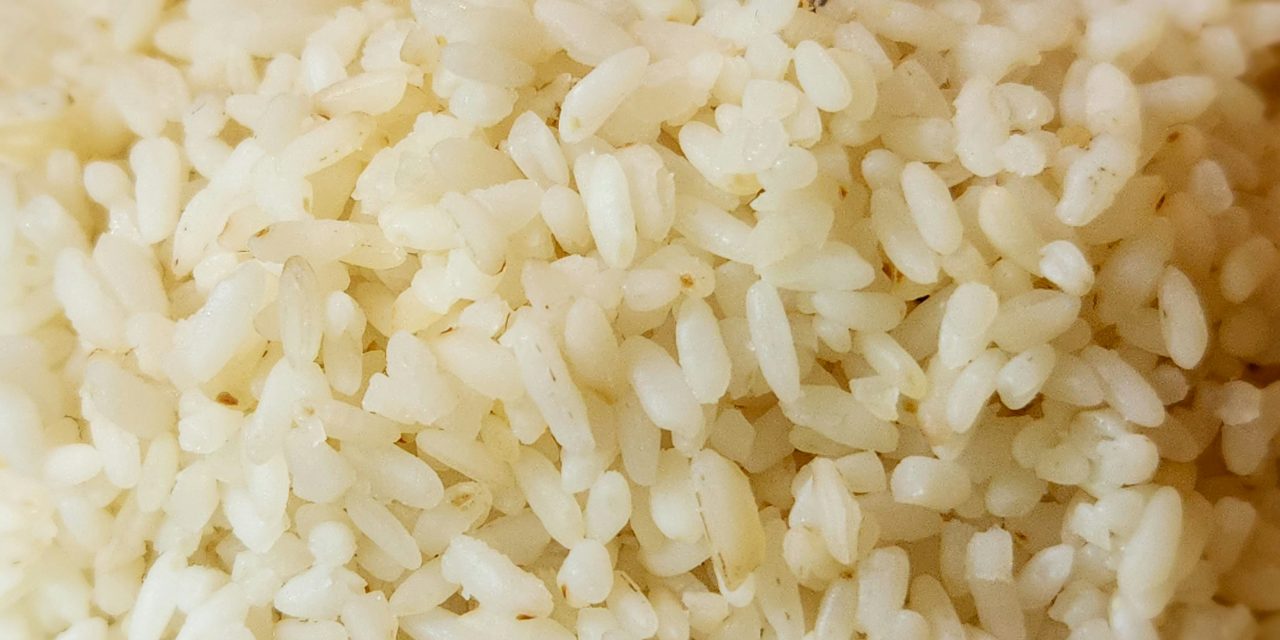
Selecting the appropriate type of rice is fundamental to achieving a successful dish in an Instant Pot. Different varieties of rice possess unique characteristics that affect their cooking times and water absorption rates. For instance, long-grain rice, such as basmati or jasmine, tends to remain fluffy and separate after cooking, while short-grain rice, like sushi rice or arborio, becomes sticky and clumps together. Understanding these differences can significantly impact the final texture and flavor of your dish.
Moreover, brown rice requires a longer cooking time and more water compared to white rice due to its intact bran layer. It is essential to consider these factors when planning your meal. For those seeking convenience, pre-packaged rice blends may also be available, but it is crucial to read the instructions carefully, as they may require adjustments in water ratios or cooking times.
Rinsing Rice Properly Before Cooking

Rinsing rice before cooking is a critical step that should not be overlooked. This process removes excess starch from the surface of the grains, which can lead to a gummy texture if left unwashed. By rinsing rice thoroughly under cold water until the water runs clear, you can achieve a more desirable consistency in your final dish. This practice is particularly important for varieties like jasmine or basmati rice, where a light and fluffy texture is preferred.
In addition to improving texture, rinsing rice can also help eliminate any impurities or debris that may be present. This step ensures that you are starting with clean grains, which contributes to both flavor and safety. For those who are short on time, consider using a fine-mesh strainer or a dedicated rice washing bowl to expedite the rinsing process.
Measuring the Correct Water-to-Rice Ratio

Achieving the perfect water-to-rice ratio is paramount for successful cooking in an Instant Pot. The general guideline for white rice is typically 1:1, meaning one cup of water for every cup of rice. However, this ratio can vary depending on the type of rice being used and personal preferences regarding texture. For example, brown rice often requires a 1:1.25 ratio due to its denser structure.
It is essential to measure both rice and water accurately to avoid undercooking or overcooking your grains. Using a standard measuring cup ensures consistency across different recipes. Additionally, keep in mind that factors such as altitude and humidity can influence cooking times and water absorption rates, so adjustments may be necessary based on your specific environment.
Adding Oil or Butter to Prevent Sticking
Incorporating oil or butter into your rice preparation can significantly enhance flavor while also preventing sticking during the cooking process. A small amount of oil—such as olive oil, coconut oil, or butter—can create a barrier between the grains, allowing them to cook evenly without clumping together. This technique is particularly beneficial for recipes that call for sautéing ingredients before adding rice and liquid.
When adding fat to your Instant Pot, it is advisable to sauté it briefly before introducing the rice and water mixture. This step not only infuses flavor but also helps create a non-stick surface within the pot. For those who prefer a healthier option, consider using vegetable broth instead of oil for added depth of flavor without additional calories.
Using the Pot-in-Pot Method for Rice
The pot-in-pot method is an innovative technique that allows you to cook rice separately from other ingredients in your Instant Pot. This approach is particularly useful when preparing dishes with sauces or proteins that may otherwise interfere with the cooking process of rice. By placing a smaller heatproof container inside the main pot, you can achieve perfectly cooked rice while simultaneously preparing other components of your meal.
To utilize this method effectively, fill a separate bowl with rinsed rice and the appropriate amount of water before placing it on a trivet inside the Instant Pot. This setup allows steam to circulate around the bowl, ensuring even cooking without risking burning or sticking. The pot-in-pot method also provides flexibility in meal preparation, allowing you to customize flavors and textures according to your preferences.
Selecting the Appropriate Instant Pot Setting
Choosing the correct setting on your Instant Pot is crucial for achieving optimal results when cooking rice. Most models feature specific settings tailored for different types of grains, such as “Rice,” “Multigrain,” or “Manual.” Utilizing these preset functions can simplify the cooking process by automatically adjusting pressure levels and cooking times based on the selected grain type.
For white rice, using the “Rice” setting typically yields excellent results, while brown rice may require selecting “Multigrain” or adjusting pressure settings manually for longer cooking times. Familiarizing yourself with your Instant Pot’s user manual will provide valuable insights into which settings are best suited for various types of rice and other grains.
Avoiding Overfilling the Instant Pot
Overfilling the Instant Pot can lead to several complications during cooking, including inadequate pressure buildup and potential overflow during steam release. It is essential to adhere to the manufacturer’s guidelines regarding maximum fill levels to ensure safe operation and optimal cooking results. Generally, it is recommended not to fill the pot beyond two-thirds full when cooking grains like rice.
To prevent overfilling, consider measuring out your ingredients carefully and using smaller batches if necessary. Additionally, be mindful of any additional ingredients you may be adding alongside the rice, such as vegetables or proteins, as these can contribute to overall volume and increase the risk of exceeding capacity.
Ensuring the Sealing Ring and Lid Are Properly Positioned
The sealing ring and lid play critical roles in maintaining pressure within the Instant Pot during cooking. A properly positioned sealing ring ensures an airtight seal that prevents steam from escaping, allowing for efficient cooking. Before starting any recipe, it is essential to inspect both components for cleanliness and proper placement.
If you notice any wear or damage on the sealing ring, it may be time for a replacement to maintain optimal performance. Additionally, ensure that the lid is securely locked in place before initiating the cooking cycle. A loose lid can lead to pressure loss and result in undercooked food or trigger safety mechanisms that halt operation.
Performing a Natural Pressure Release for Perfect Texture
Natural pressure release (NPR) is a technique that allows steam to escape gradually after cooking has completed. This method is particularly beneficial for rice dishes as it helps achieve a tender texture without overcooking or becoming mushy. To perform NPR, simply allow the Instant Pot to sit undisturbed after cooking until the pressure indicator drops naturally.
This process typically takes around 10-15 minutes but can vary depending on the quantity of food being cooked. During this time, avoid manually releasing pressure as it can cause starchy liquids to splatter and create a mess within the pot. Once NPR has completed, carefully open the lid and fluff the rice with a fork for optimal presentation.
Troubleshooting Common Issues and Tips for Success
Despite following best practices, users may still encounter challenges when cooking rice in an Instant Pot. Common issues include undercooked grains, excessive stickiness, or uneven texture. To troubleshoot these problems effectively, consider adjusting water ratios based on personal preferences or experimenting with different types of rice.
If you find that your rice consistently sticks to the bottom of the pot despite rinsing and adding oil, consider using parchment paper at the bottom of your inner pot as an additional non-stick barrier. Additionally, always ensure that you are using fresh ingredients and checking expiration dates on packaged items like rice.
For those seeking further assistance, online forums and communities dedicated to Instant Pot users can provide valuable insights and tips from experienced cooks who have navigated similar challenges.
In summary, mastering rice preparation in an Instant Pot involves understanding various factors such as selecting appropriate types of rice, rinsing techniques, accurate measurements, and utilizing effective methods like pot-in-pot cooking. By adhering to best practices and troubleshooting common issues proactively, home cooks can enjoy perfectly cooked rice every time while maximizing their Instant Pot’s capabilities.
FAQs
What is the Instant Pot burn warning?
The Instant Pot burn warning is a safety feature designed to prevent food from burning on the bottom of the pot. It activates when the pot detects that food is sticking to the bottom, which can happen if there is not enough liquid or if the cooking time is too long for the ingredients being used.
How much water should I use to cook rice in an Instant Pot?
For cooking rice in an Instant Pot, the general rule is to use a 1:1 ratio of rice to water for white rice, and a 1:1.25 ratio for brown rice. This means for every cup of rice, you should add one cup of water for white rice and one and a quarter cups of water for brown rice.
What type of rice can I cook in an Instant Pot?
You can cook various types of rice in an Instant Pot, including white rice, brown rice, jasmine rice, basmati rice, and even wild rice. Each type may require slightly different water ratios and cooking times, so it’s important to adjust accordingly.
How can I prevent the burn warning when cooking rice?
To prevent the burn warning when cooking rice, ensure that you add enough liquid, avoid using too much starchy rice without rinsing it first, and consider using the ‘Rice’ function on the Instant Pot, which is specifically designed for cooking rice without triggering the burn warning.
What should I do if I receive a burn warning while cooking rice?
If you receive a burn warning while cooking rice, immediately release the pressure and open the lid. Check the bottom of the pot for any stuck rice, add a bit more water, and stir to loosen any stuck bits. You can then reseal the lid and continue cooking, adjusting the time as necessary.