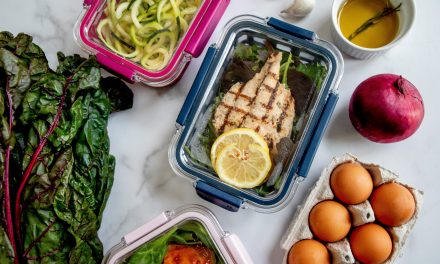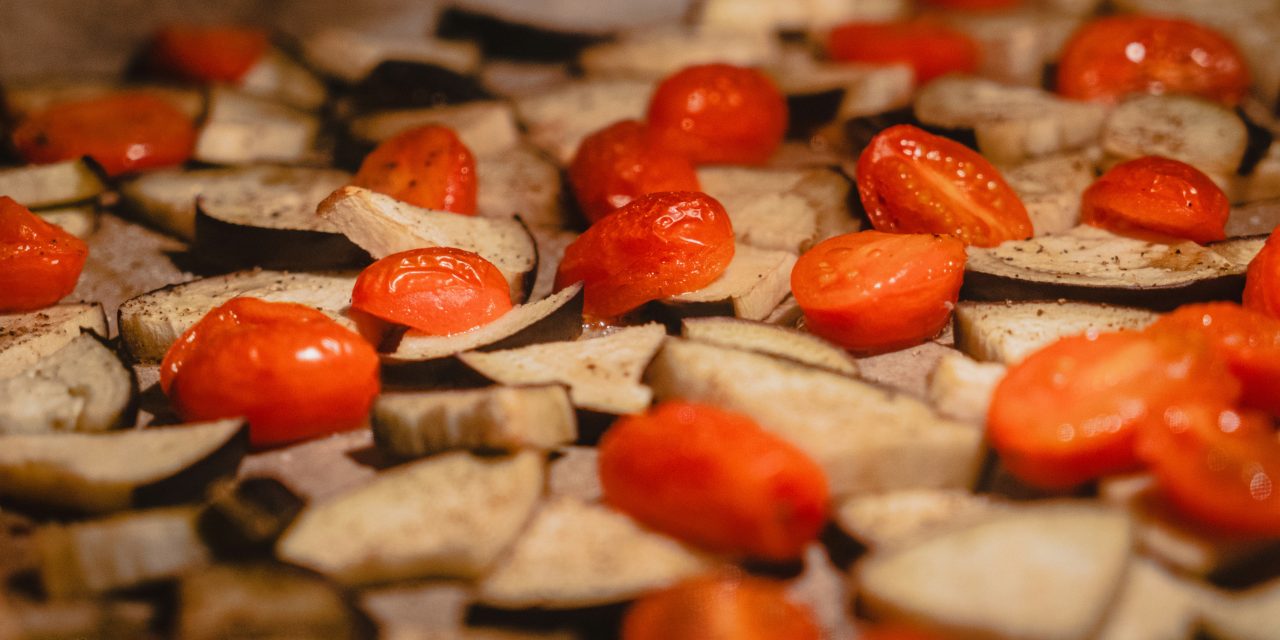
Selecting the appropriate vegetables is paramount for achieving a successful roast. Certain varieties lend themselves better to the roasting process due to their inherent characteristics. Root vegetables such as carrots, potatoes, and beets are excellent choices, as they develop a caramelized exterior while maintaining a tender interior. Cruciferous vegetables like Brussels sprouts and cauliflower also perform admirably, offering a delightful crunch and nutty flavor when roasted. Additionally, seasonal vegetables such as zucchini, bell peppers, and asparagus can add vibrant colors and diverse textures to your dish.
When considering the nutritional profile, opt for vegetables rich in vitamins and minerals. For instance, sweet potatoes are high in beta-carotene, while broccoli provides a significant amount of vitamin C and fiber. Incorporating a variety of colors not only enhances visual appeal but also ensures a broader spectrum of nutrients. Aim for a balance between starchy and non-starchy vegetables to create a well-rounded dish that satisfies both taste and health requirements.
Preparing Vegetables for Optimal Crispiness
Preparation is crucial for achieving that coveted crispy texture when roasting vegetables. Begin by washing and thoroughly drying each vegetable to remove any excess moisture. This step is essential, as moisture can lead to steaming rather than roasting, resulting in a less desirable texture. After drying, consider peeling certain vegetables like carrots or sweet potatoes if you prefer a smoother finish, although leaving the skin on can enhance flavor and nutritional value.
Next, cut the vegetables into appropriate sizes that promote even cooking. Larger pieces may require longer roasting times, while smaller ones can become overly charred. A good rule of thumb is to aim for uniformity in size; this ensures that all pieces cook at the same rate, allowing for consistent crispiness across the board. Additionally, marinating or seasoning the vegetables prior to roasting can enhance their flavor profile and contribute to a more satisfying crunch.
Cutting Vegetables into Uniform Pieces

Uniformity in cutting is a critical factor that directly influences the cooking process. When vegetables are cut into similar sizes, they will roast evenly, preventing some pieces from becoming overcooked while others remain underdone. For instance, if you are roasting carrots alongside bell peppers, cut them into similar thicknesses to ensure they finish cooking simultaneously.
The ideal size for roasting typically ranges from 1 to 2 inches in thickness. This size allows for adequate surface area to develop caramelization while maintaining enough mass to remain tender inside. For denser vegetables like potatoes, consider cutting them into smaller cubes or wedges to facilitate quicker cooking times. Conversely, softer vegetables such as zucchini can be sliced into thicker rounds to prevent them from becoming mushy during the roasting process.
Preheating the Oven to the Ideal Temperature

Preheating the oven is an essential step that should not be overlooked when roasting vegetables. The ideal temperature for roasting typically falls between 400°F to 450°F (204°C to 232°C). This high heat promotes caramelization, resulting in a beautifully browned exterior while preserving the vegetable’s natural moisture.
Allowing the oven to reach the desired temperature before placing the vegetables inside ensures that they begin cooking immediately upon entry. This immediate exposure to heat helps lock in flavors and textures, creating that sought-after crispy finish. Using an oven thermometer can help verify that your oven is accurately calibrated, as many home ovens can vary significantly in temperature.
Using the Proper Type and Amount of Oil
Oil plays a pivotal role in the roasting process, contributing both flavor and texture to the finished dish. Selecting the right type of oil is crucial; oils with high smoke points such as avocado oil or grapeseed oil are ideal for roasting due to their ability to withstand high temperatures without breaking down. Olive oil can also be used but should be monitored closely to prevent burning.
The amount of oil used is equally important; too little oil can lead to dryness, while excessive oil may result in sogginess. A general guideline is to use about 1 to 2 tablespoons of oil per pound of vegetables. Tossing the vegetables in oil ensures an even coating, which aids in achieving that golden-brown crust while enhancing flavor absorption during cooking.
Seasoning Techniques to Enhance Flavor and Texture
Seasoning is an art that can elevate roasted vegetables from ordinary to extraordinary. Start with basic seasonings such as salt and pepper; these foundational elements enhance the natural flavors of the vegetables. However, don’t hesitate to experiment with additional herbs and spices to create unique flavor profiles. Garlic powder, onion powder, paprika, or even cumin can add depth and complexity.
Fresh herbs like rosemary, thyme, or oregano can also be incorporated either before roasting or added as a finishing touch after cooking. For an extra layer of flavor, consider adding citrus zest or a splash of balsamic vinegar just before serving. This not only brightens the dish but also adds an aromatic quality that complements the roasted flavors beautifully.
Arranging Vegetables on the Baking Sheet for Even Cooking
The arrangement of vegetables on the baking sheet significantly impacts their cooking efficiency. To achieve optimal results, spread the vegetables out in a single layer without overcrowding them. This allows hot air to circulate freely around each piece, promoting even cooking and preventing steaming.
Using parchment paper or silicone baking mats can facilitate easy cleanup while also preventing sticking. If you find yourself with an abundance of vegetables, consider using multiple baking sheets rather than cramming everything onto one. This simple adjustment can make a substantial difference in achieving that perfect roast.
Avoiding Overcrowding to Prevent Steaming
Overcrowding is one of the most common pitfalls when roasting vegetables. When too many pieces are packed onto a single baking sheet, they release moisture during cooking, leading to steaming rather than roasting. This results in soggy vegetables that lack the desired crispiness.
To avoid this issue, ensure there is ample space between each piece of vegetable on the baking sheet. If necessary, roast in batches or utilize multiple sheets placed on different racks within the oven. This approach allows each piece to develop its own caramelized exterior while maintaining its internal moisture.
Timing Your Roast: When to Flip and Check for Doneness
Timing is crucial when it comes to roasting vegetables effectively. Generally, most vegetables will require about 20-30 minutes at high heat; however, this can vary based on the type and size of the pieces being roasted. It’s advisable to check for doneness halfway through the cooking time by flipping or stirring the vegetables with a spatula.
This not only promotes even browning but also allows you to assess their progress toward achieving that perfect texture. Look for visual cues such as golden-brown edges and fork-tender interiors as indicators of doneness. If necessary, adjust cooking times accordingly based on your observations.
The choice between high heat and low heat roasting presents distinct advantages and disadvantages depending on your desired outcome. High heat roasting (400°F-450°F) is ideal for achieving caramelization quickly while preserving moisture within denser vegetables. This method results in crispy exteriors and tender interiors but requires careful monitoring to prevent burning.
Conversely, low heat roasting (300°F-350°F) allows for more gradual cooking, which can enhance flavors through longer exposure without risk of charring. However, this method may not yield the same level of crispiness as high heat roasting and could result in softer textures overall. Ultimately, selecting between these methods depends on personal preference and the specific characteristics of the vegetables being used.
Finishing Touches: Adding Fresh Herbs and Serving Suggestions
Once your roasted vegetables have reached their peak doneness, consider adding finishing touches that enhance both flavor and presentation. Fresh herbs such as parsley or basil can be sprinkled over the top just before serving for an aromatic lift that complements the dish beautifully. A drizzle of high-quality olive oil or balsamic reduction can also elevate flavors while adding visual appeal.
For serving suggestions, consider pairing roasted vegetables with proteins such as grilled chicken or fish for a balanced meal. They can also be incorporated into grain bowls or salads for added texture and nutrition. The versatility of roasted vegetables makes them an excellent addition to various culinary creations.
In summary, mastering the art of roasting vegetables involves careful selection, preparation, and attention to detail throughout the cooking process. By choosing suitable varieties, preparing them correctly, cutting uniformly, preheating adequately, using appropriate oils and seasonings, arranging thoughtfully on baking sheets, avoiding overcrowding, timing accurately, and applying finishing touches, you can create deliciously roasted vegetables that are both flavorful and visually appealing.
FAQs
What types of vegetables are best for roasting?
Root vegetables such as carrots, potatoes, and beets, as well as cruciferous vegetables like broccoli and Brussels sprouts, are excellent choices for roasting. These vegetables tend to caramelize well and develop a crispy texture when roasted.
How can I ensure my roasted vegetables are crispy?
To achieve crispy roasted vegetables, make sure to cut them into uniform sizes for even cooking, use a high oven temperature (around 425°F to 450°F), and avoid overcrowding the baking sheet. Additionally, tossing the vegetables in a small amount of oil helps promote crispiness.
Should I soak vegetables before roasting them?
Soaking vegetables is not necessary for roasting. However, soaking starchy vegetables like potatoes in cold water for about 30 minutes can help remove excess starch, leading to a crispier texture when roasted.
What oil is best for roasting vegetables?
Oils with a high smoke point, such as canola oil, grapeseed oil, or avocado oil, are ideal for roasting vegetables. Olive oil can also be used, but it has a lower smoke point, so it’s best to use it at moderate temperatures.
How long should I roast vegetables for optimal crispiness?
The roasting time can vary depending on the type and size of the vegetables, but generally, roasting at 425°F for 20 to 30 minutes is effective. It’s important to check for doneness and toss the vegetables halfway through to ensure even cooking and crispiness.